

Checklist for Ordering Custom Dresses: Your Full Guide
TL;DR:
- Following a detailed checklist ensures the perfect fit, style, and finish for any custom dress order.
- Preparing accurate measurements, planning fittings, and documenting details prevent costly errors and delays.
A checklist for ordering custom dresses is the single most effective way to guarantee the right fit, style, and finish for any special occasion. Whether you are ordering a wedding gown, a party dress, a concert outfit, or a look for a lunch date, skipping steps in the process leads to ill-fitting garments that cannot be returned. The industry term for this process is “made-to-order,” and it requires planning across measurements, fittings, fabric choices, timelines, and written communication. Primadonsanddonnas builds every piece to your exact specifications, so this guide walks you through every item on the list before you place your order.
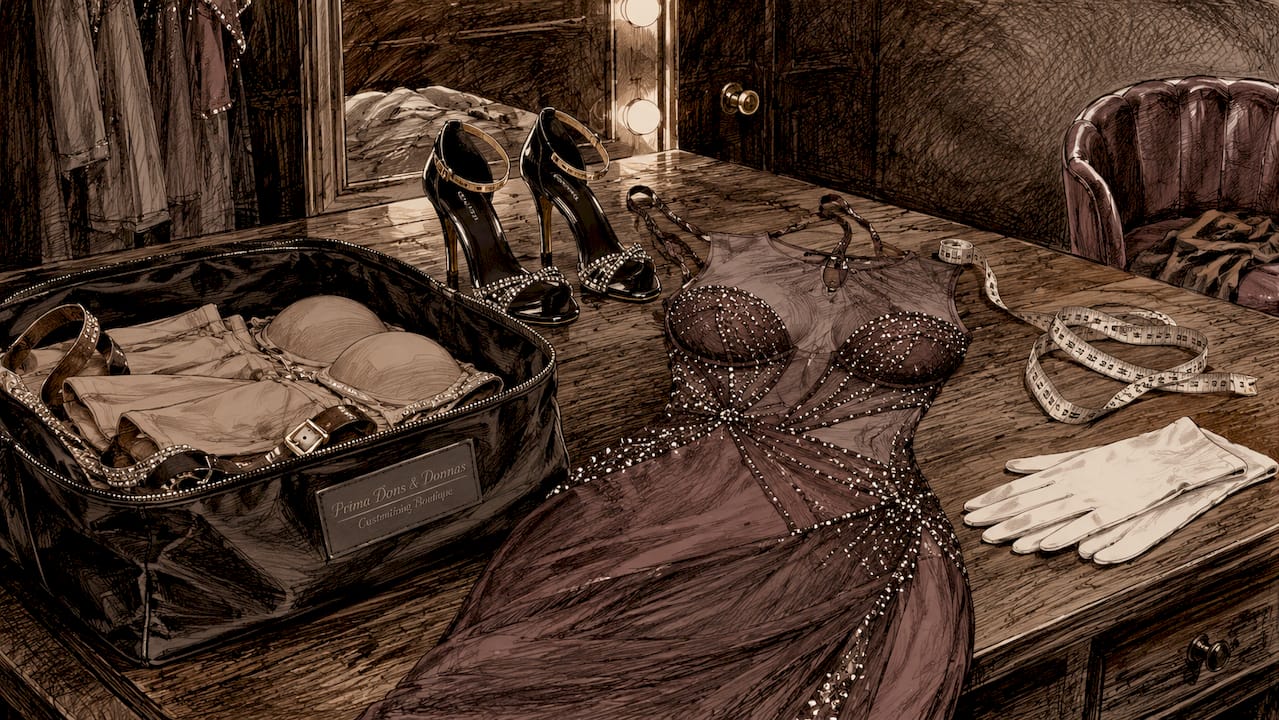
1. Start with accurate measurements
Accurate measurements are the foundation of every successful custom dress order. Custom sizing accuracy depends entirely on precise numbers. A wrong bust or hip measurement on a made-to-order piece means you receive a garment that cannot be exchanged.
The six measurements every custom dress order requires are:
- Bust: Measure around the fullest part of your chest, keeping the tape parallel to the floor.
- Waist: Measure around your natural waist, which sits about one inch above your navel.
- Hips: Measure around the fullest part of your hips, usually 7–9 inches below your natural waist.
- Height: Stand barefoot against a wall and measure from the floor to the top of your head.
- Hollow to floor: Measure from the hollow at the base of your throat straight down to the floor.
- Heel height: Note the exact height of the shoes you plan to wear so the hem length is correct.
Professional measurement is always more accurate than self-measurement. If you cannot visit a tailor, follow a step-by-step measurement video guide before submitting your order. Primadonsanddonnas also provides a detailed women’s fit guide that walks you through each step with clear instructions.
Pro Tip: Measure yourself twice on different days and use the larger number. Bodies fluctuate, and a slightly roomier custom dress is far easier to take in than one that is too tight.
2. Plan your fittings early
A successful custom dress process requires 3–5 fittings, starting 3–5 months before your event. Fittings are not optional extras. They are the quality control step that catches problems before the final fabric is cut.
The recommended fitting schedule works like this:
- Initial consultation fitting: Confirm measurements and discuss design details with your dressmaker.
- Muslin or toile mock-up fitting: A test garment made from inexpensive fabric checks the silhouette and comfort before any expensive material is used.
- First dress fitting: The actual fabric is assembled and checked for major adjustments.
- Second dress fitting: Refined adjustments are made to the hem, seams, and closures.
- Final fitting: A full dress rehearsal with shoes, undergarments, and accessories confirms everything is perfect.
The muslin mock-up step is the one most customers skip, and it is the one that prevents the most problems. A mock-up costs less than a full alteration and reveals fit issues that measurements alone cannot predict.
Pro Tip: Schedule your final fitting no later than two weeks before your event. That window gives you time to fix any last-minute issues without rushing.
3. Know what to bring to every fitting
Bring your shoes, undergarments, shapewear, and accessories to every single fitting appointment. This is not just a suggestion. The height of your heel changes the hem length. The thickness of your bra or shapewear changes how the bodice sits. Arriving without these items means your fitter is guessing.
Wearing consistent undergarments and shapewear to all fittings is the most overlooked rule in the custom dress process. Switching between a strapless bra at one fitting and a padded bra at the next creates different silhouettes. Your dressmaker cannot hit a moving target.
Pack a fitting bag and keep it ready for every appointment. Include your event shoes, the exact undergarments you plan to wear, any shapewear, and the jewelry or accessories that will complete the look. A photo of your full planned outfit also helps your dressmaker understand the final vision.
4. Set your budget before you shop
Custom dress pricing spans a wide range. Basic made-to-order services start around $150, while couture-level work exceeds $3,000. Knowing your number before you browse prevents you from falling in love with a design that is out of reach.
Budget an extra 10–15% on top of the dress price for post-delivery tailoring. Even the most accurate measurements sometimes require minor adjustments after the garment arrives. That buffer covers hem tweaks, seam adjustments, and any closure changes without stress.
| Budget Level | Typical Price Range | What to Expect |
|---|---|---|
| Entry-level custom | $150–$500 | Basic silhouettes, limited fabric options |
| Mid-range custom | $500–$1,500 | More fabric choices, detailed construction |
| High-end custom | $1,500–$3,000 | Premium fabrics, complex designs |
| Couture | $3,000 and above | Full bespoke construction, luxury materials |
| Tailoring buffer | 10–15% of dress cost | Post-delivery adjustments and alterations |
For weddings and major events, add the tailoring buffer to your total from day one. Surprises in the alteration room are far less stressful when you have already planned for them.
5. Understand the production and shipping timeline
Tailoring for custom dresses typically takes 15–25 days, with quality control and shipping adding 5–10 more business days on average. That means your minimum lead time from order to delivery is roughly four to five weeks under ideal conditions. For weddings or formal events, plan for at least three to five months.
Order earlier than you think you need to. Production delays, shipping holds, and alteration time all stack up. A dress ordered six months before a wedding gives you room to handle every step without panic. A dress ordered six weeks out leaves almost no margin for error.
Check the custom order workflow for your specific retailer before placing your order. Primadonsanddonnas lists lead times clearly so you can plan your fitting schedule around the production calendar.
6. Document everything in writing
Most custom or made-to-order dresses are non-returnable after production begins. That fact makes written documentation the most important protection you have as a customer. Confirm every detail in writing before the order goes into production.
Your written record should include:
- All measurements submitted, with the date they were taken
- Fabric type, color, and any swatches or reference photos
- Design details such as neckline, sleeve style, length, and embellishments
- Agreed delivery date and any rush fee arrangements
- The retailer’s alteration, repair, and return policy in full
Save every email, screenshot, and order confirmation. If a dispute arises about color, fit, or construction, your documentation is the only evidence you have. Verbal agreements do not hold up when a dress arrives in the wrong shade.
Pro Tip: Before production starts, ask the retailer to confirm your full spec sheet in writing. A reputable brand will do this without hesitation.
7. Choose your fabric based on occasion and season
A clear style purpose directly influences fabric choices, design details, and budget planning. A fabric that works beautifully for a winter wedding gown will be uncomfortable at an outdoor summer concert. Matching fabric to occasion is a core step in any custom dress ordering guide.
Use this framework to match fabric to event type:
- Weddings and formal galas: Silk, satin, crepe, or lace for structure and elegance.
- Cocktail parties and evening events: Velvet, chiffon, or structured jersey for movement and polish.
- Concerts and outdoor events: Stretch fabrics, lightweight cotton blends, or faux leather for comfort and durability.
- Lunch dates and daytime occasions: Linen, cotton, or soft knit for breathability and ease.
Primadonsanddonnas also offers high-quality faux fur options for customers who want a statement piece with a conscious fashion choice. Faux fur works especially well for outerwear layers that complement a custom dress for colder events or bold concert looks.
8. Address plus-size fit considerations specifically
Plus-size custom ordering requires a few additional steps beyond standard measurements. Standard size charts do not account for the unique proportions that vary significantly between bodies in larger size ranges. A made-to-order approach solves this directly because the garment is built to your body, not adjusted from a standard block.
Key plus-size fit considerations include measuring the upper arm circumference for sleeve styles, noting the high hip measurement in addition to the full hip, and specifying any preference for built-in boning or support panels in the bodice. These details prevent the most common fit complaints in plus-size custom dresses, which are gaping at the back, pulling across the bust, and insufficient length in the torso.
Primadonsanddonnas specializes in custom clothing tailored to any size. The custom sizing guide covers plus-size measurement specifics in detail so you can submit accurate data from the start.
Pro Tip: If you are between sizes or carry weight unevenly, note this in your order comments. A good made-to-order brand will adjust the pattern grading to match your actual shape.
9. Confirm personalization details before production
Personalization is what separates a custom dress from anything you can buy off the rack. Before production begins, confirm every design choice in writing. Color, lining, closure type, hem finish, and any embellishments should all be locked in before the cutter touches the fabric.
Bring inspiration photos to your consultation. A clear visual reference communicates far more than a written description. If you want a specific shade of burgundy, bring a fabric swatch or a printed photo. Color names vary between manufacturers, and “wine” to one dressmaker is “plum” to another.
Also confirm whether the brand offers any personalization for ready-to-ship pieces. Primadonsanddonnas carries ready-to-ship options for customers who need a faster turnaround, and some of these pieces can still be adjusted for color or minor fit changes depending on the item.
Key Takeaways
A successful custom dress order depends on accurate measurements, planned fittings, written documentation, and a realistic budget that includes a 10–15% tailoring buffer from the start.
| Point | Details |
|---|---|
| Measure precisely | Submit all six key measurements and follow a professional guide to avoid non-returnable fit errors. |
| Plan 3–5 fittings | Start the fitting process 3–5 months before your event and always bring shoes and undergarments. |
| Budget for alterations | Add 10–15% to your dress budget to cover post-delivery tailoring adjustments. |
| Order with lead time | Allow at least 15–25 days for production plus 5–10 days for shipping, more for weddings. |
| Document every detail | Confirm all specs, policies, and design choices in writing before production begins. |
What I have learned from watching customers order custom dresses
The customers who end up happiest with their custom dresses are the ones who treat the checklist as non-negotiable, not as a suggestion. I have seen women skip the muslin fitting to save time and then spend twice as much fixing a bodice that was never right to begin with. The checklist exists because custom dresses cannot be returned once production starts. That fact alone should make every step feel worth it.
The biggest mistake I see is underestimating the timeline. Women order a dress eight weeks before a wedding and then discover that production, shipping, and alterations eat up every single day of that window. Three to five months feels like a lot until it is not enough. Order early, every time.
The second thing I want to say is this: personalization is the whole point. Do not talk yourself out of the color, the silhouette, or the detail you actually want because you are worried it is “too much.” A custom dress is the one garment in your wardrobe that is built entirely around you. Use that. Bring the inspiration photo. Ask for the exact shade. Specify the lining. The brands worth working with will make it happen.
— Latoya
Ready-to-order custom dresses at Primadonsanddonnas
Primadonsanddonnas makes the custom ordering process straightforward. Every piece in the made-to-order dress collection is built to your measurements, your color choice, and your occasion, whether that is a wedding, a concert, a party, or a lunch date. Plus-size options are available across the full collection with no upcharge for custom sizing.
Measurement guides, sizing resources, and order support are all available on the site so you can place your order with confidence. Ready-to-ship pieces are also in stock for customers who need a faster delivery. Shop the full collection at Primadonsanddonnas and use this checklist to guide every step of your order.
FAQ
What measurements do I need for a custom dress order?
You need your bust, waist, hips, height, hollow-to-floor length, and heel height. Submitting all six measurements gives your dressmaker the data needed to build a garment that fits without major alterations.
How far in advance should I order a custom dress?
Order at least 3–5 months before your event for weddings or formal occasions. Production takes 15–25 days, shipping adds 5–10 business days, and fittings require additional time on top of that.
Can I return a custom dress if it does not fit?
Most made-to-order dresses are non-returnable after production begins. Accurate measurements and written confirmation of all specs before production are your best protection against fit issues.
How many fittings does a custom dress require?
A well-made custom dress requires 3–5 fittings, starting with a muslin mock-up and ending with a final fitting two weeks before the event.
What should I bring to a custom dress fitting?
Bring the shoes, undergarments, shapewear, and accessories you plan to wear on the day of the event. Consistent accessories at every fitting keep the measurements and hem length accurate throughout the process.
Recommended
- Step by Step Custom Clothing Guide for Unique Looks – Prima Dons & Donnas
- 7 Steps to Your Ultimate Special Occasion Outfit Checklist – Prima Dons & Donnas
- Step by Step Ordering Custom Footwear: Your Full Guide – Prima Dons & Donnas
- Step-by-Step Guide to Measuring for Made-to-Order Clothing – Prima Dons & Donnas


Leave a comment