

Cocktail Attire for Women: Wedding Dos and Don'ts, From Fabric to Fit
Cocktail attire for women means a dressy, semi-formal outfit for early evening or late afternoon events: a mini, knee-length, or midi dress, a tailored jumpsuit, or a dressy suit in elevated fabric. Skip floor-length gowns, jeans, and flip-flops. When in doubt, pick a well-cut dress or jumpsuit in silk, satin, or crepe and add polished shoes.
TL;DR:
- When an invitation feels ambiguous, use a nice dinner reservation as the test; cotton poplin reads casual, while silk crepe gives the same silhouette evening polish.
- For grass, gravel, or cobblestones, choose block heels or dressy flats; reserve stilettos for stable indoor floors, and bring a wrap to windy rooftops.
- At weddings, avoid white, cream, or shades close to bridal colors, and keep heavy sequins for evening indoor receptions, not daytime or outdoor ceremonies.
- Check that seams do not pull and the garment allows movement; structured crepe or lined jersey can hold its shape without relying on a tight fit.
Table of Contents
- What cocktail attire means and how it differs from semi-formal and black-tie
- What to wear: dresses, jumpsuits, and suits that work
- Accessories and footwear that complete a cocktail look
- How to adapt cocktail attire for venue, time of day, and season
- Dos and don’ts: quick pre-departure checklist
- Styling for different bodies and inclusive sizing
- What to wear to a cocktail-attire wedding
- Custom clothing and footwear for a cocktail look that’s actually yours
- Sustainable and ethical fabric choices for cocktail attire
- Choosing statement pieces without breaking the dress code
- Blending luxury and comfort for a cocktail event
- Why tailoring and personalization matter for cocktail attire
- Made-to-order and ready-to-ship cocktail pieces
- FAQ
- Sources
What cocktail attire means and how it differs from semi-formal and black-tie
Cocktail attire sits in the middle of the formality scale. It calls for mini, knee-length, or midi dresses, or a tailored jumpsuit or suit, made from fabrics that read as dressy rather than everyday: silk, satin, crepe, or velvet for cooler months. Cocktail attire is built for early evening and late afternoon events, which is why it avoids both the casualness of jeans and the drama of a floor-length gown.
Semi-formal overlaps with cocktail attire but gives a little more room. A semi-formal outfit can use slightly more relaxed fabrics and simpler silhouettes, while cocktail attire tends toward more structured pieces and higher-end fabrics. Black-tie sits above both: floor-length gowns, the most formal fabrics, and the most polished accessories are expected there, which is exactly what cocktail dress codes ask you to leave at home.
A simple heuristic helps with borderline invitations: if an outfit would work at a nice dinner reservation, it is probably cocktail-appropriate. If it would only work at a backyard barbecue, it is too casual. If it needs a train or a full skirt that sweeps the floor, save it for black-tie. Fabric is often the deciding factor more than cut. The same sheath dress in cotton poplin reads like daytime wear, while the identical shape in silk crepe reads as evening-ready. For more on where the lines blur between cocktail and formal dressing, our guide to black-tie optional outfit recipes walks through several real-world comparisons.

What to wear: dresses, jumpsuits, and suits that work
Three garment categories cover almost every cocktail invitation: dresses, jumpsuits, and tailored suits. Each one works when the fabric and fit match the formality of the room.
Dress silhouettes each solve a different styling problem. An A-line dress balances proportions and suits most body types without clinging. A sheath dress reads polished and modern, especially in a stretch crepe that moves with you. A slip dress in satin brings understated glamour for evening events. A wrap dress flatters a range of shapes and adjusts easily if your weight shifts slightly before the big day.
Jumpsuits and tailored suits are just as appropriate as a dress when the fabric and tailoring are right. A well-tailored jumpsuit or suit in elevated fabric can carry the same formality as a dress, and stylists increasingly treat tailoring as a form of personal expression rather than a backup option. Look for a defined waist, a clean shoulder line, and a hem that breaks at the right point on your shoe, whether that is a wide-leg trouser or a tapered ankle cut.
Fabric and fit decide whether an outfit reads dressy or casual:
- Silk, satin, crepe, and velvet signal “cocktail”; cotton, linen, and jersey tend to read as casual unless heavily structured.
- A fitted waist and clean hemline keep a dress or jumpsuit from looking sloppy or oversized.
- Avoid anything so tight that it restricts movement. Cocktail events usually involve standing, mingling, and sometimes dancing.
- Steer clear of visible stretching or pulling at seams. A properly tailored piece never fights your body.
When quality fabric and fit are in place, trend-driven details matter far less. A well-cut satin sheath beats a trendy sundress every time a cocktail dress code is in play.
Accessories and footwear that complete a cocktail look
The right accessories finish a cocktail outfit without competing with it. A small structured bag or clutch works better than an oversize tote, which tends to read as daytime or work wear rather than evening polish.
- Choose a clutch or small structured bag in a metallic, satin, or leather finish.
- Save the large tote or backpack for another occasion.
- Pick heels, block heels, or dressy flats depending on the venue and how long you expect to stand or walk.
- Balance a statement necklace or earrings with simpler garments, and let one piece lead rather than layering several bold accessories at once.
For cooler evenings, a tailored blazer, a faux fur wrap, or a structured coat keeps you warm without hiding the outfit underneath. Our custom outerwear collection includes pieces cut to layer cleanly over dresses and jumpsuits rather than bulking them up.
Pro Tip: Match your heel height to the venue underfoot: stilettos for a ballroom or hotel floor, block heels or wedges for grass, gravel, or cobblestones.
How to adapt cocktail attire for venue, time of day, and season
Venue and timing change the details, even when the dress code stays the same on the invitation.
- Indoor banquet halls and hotels call for richer fabrics, higher heels, and more embellishment since the floor is stable and the lighting is often dim and flattering.
- Outdoor venues like vineyards or gardens favor block heels or dressy flats over stilettos, since grass and uneven ground make thin heels impractical.
- Rooftop events sit somewhere in between: bring a light wrap for wind and temperature swings, and choose a heel you can walk a few blocks in if the venue has limited elevator access.
- Daytime or early-afternoon events suit lighter colors and simpler fabrics, while evening events can carry richer colors, sequins, and more structured pieces.
- Seasonal swaps matter too: linen-look crepe and lighter colors for summer, velvet and deeper jewel tones for fall and winter, with a tailored coat or faux fur stole bridging the gap between outfit and outerwear.
Seasonal and venue cues should guide both fabric and embellishment choices, so the same cocktail dress code can look noticeably different at a summer garden party versus a winter hotel reception.
Dos and don’ts: quick pre-departure checklist
A fast run-through before you leave the house catches most cocktail dress code mistakes.
- Don’t wear jeans, flip-flops, athletic sneakers, or a floor-length gown to a cocktail event.
- Do choose elevated fabrics like silk, satin, or crepe over cotton or jersey.
- Do steam or press your garment the night before. Wrinkles read as underdressed no matter how nice the piece is.
- Do choose polished shoes: heels, block heels, or dressy flats rather than casual sandals.
- Situational note: sequins and bold colors are welcome at evening cocktail events but can feel like too much at a daytime garden party, so save the boldest pieces for after sunset.
Following these cues is less about rules for their own sake and more about matching the tone the host set when they chose a cocktail dress code in the first place.
Styling for different bodies and inclusive sizing
Cocktail attire should flatter the body you have, not force you into a silhouette built for someone else. A few proportion rules help across body types: an A-line dress balances a fuller hip, a wrap dress defines the waist on a straighter frame, and a sheath with strategic seaming skims curves without clinging everywhere at once.
For plus-size dressing, structure does more work than fabric weight alone. Firmer crepe, structured satin, and lined jersey all hold their shape through an evening of standing and moving, and a defined waistline (through a belt, a seam, or a wrap closure) creates visual balance without needing a compression layer underneath.
- A fitted waist seam or belt creates shape without squeezing.
- A hemline that hits just below or above the knee tends to flatter the widest range of heights.
- Three-quarter or long sleeves in a lightweight fabric can replace a wrap for evening warmth.
Made-to-order sizing solves a problem that off-the-rack cocktail dresses rarely do well: a single size rarely fits every proportion evenly. Because our made-to-order dress collection is cut to your measurements in any size, the waist, bust, and hem can all be adjusted independently rather than forcing a compromise fit.
Pro Tip: If you’re between sizes in ready-to-wear, a made-to-order piece removes the guesswork by fitting your actual measurements instead of a standard size chart.
What to wear to a cocktail-attire wedding
Wedding guest dressing follows the same core rules as any cocktail event, with a few wedding-specific additions. Avoid white, ivory, or anything that could be mistaken for the bride’s color palette. Sequins are generally fine for evening receptions but can feel out of place at a daytime ceremony. Read the invitation closely: phrases like “cocktail attire” or “semi-formal” point to different ends of the same dress code, and a wedding website or registry page often gives more specific cues about venue and season.
- Avoid white, cream, or anything too close to a bridal shade.
- Save heavy sequins and sparkle for evening indoor receptions rather than daytime or outdoor ceremonies.
- Choose a midi dress or tailored jumpsuit for an indoor evening wedding, especially in satin or velvet for cooler months.
- Choose a lighter fabric and lower heel for a daytime or outdoor wedding, particularly on grass or gravel.
- Bring a small flat or low block heel as a backup if dancing is expected later in the evening.
Comfort matters as much as polish at a wedding, since cocktail hour and the reception can stretch for several hours. A jumpsuit with a wide-leg trouser offers the same formality as a dress with more room to move, and a shoe you can comfortably stand in for an afternoon and dance in that evening beats a showstopper that gets kicked off by nine o’clock. If the schedule includes an outdoor ceremony followed by an indoor reception, a quick accessory swap (trading flats for heels, or adding a wrap) lets one outfit cover both settings.
Custom clothing and footwear for a cocktail look that’s actually yours
Off-the-rack cocktail dresses are built around a standard size chart, which means the fit, color, or detail you actually want is not always on the rack. Made-to-order changes that equation: a dress, jumpsuit, or suit built to your measurements and in your choice of color fits the first time, without alterations layered on top of alterations.

Custom footwear follows the same logic. Shoes cut to match a dress’s color or finish, rather than whatever happens to be in stock, finish a cocktail look with intention instead of compromise. Personalization at this level also means two guests at the same event are unlikely to show up in the same dress, which matters more than it sounds for anyone who wants their outfit to feel like their own rather than a rental-rack repeat.
Our custom dress, jumpsuit, and accessories collections are built around this idea: any size, any color, and a silhouette chosen to fit the occasion rather than adapted from a generic template. For readers who want a specific piece as a starting point, the jeweled neckline mini-length cocktail dress shows how a flattering silhouette and a statement detail can work together rather than competing for attention.
Sustainable and ethical fabric choices for cocktail attire
Cocktail dressing does not have to trade polish for environmental impact. Fabrics like high-quality faux fur offer the texture and warmth of a luxury wrap or jacket without the sourcing concerns tied to real fur, and they hold up well to repeat wear across multiple cocktail seasons.
Durable, well-made pieces in general support a more sustainable wardrobe than fast-fashion versions of the same silhouette, since a cocktail dress built to last through several events reduces the churn of buying a new one for every invitation. Made-to-order production also cuts down on overproduction and unsold inventory compared to mass-manufactured runs built around a standard size curve.
Our faux fur collection gives cooler-weather cocktail outfits a sustainable layering option, whether that means a stole over a slip dress or a cropped jacket over a jumpsuit. Choosing fabrics for their longevity and ethical sourcing, not just their immediate look, is a practical way to make cocktail dressing feel considered rather than disposable.
Choosing statement pieces without breaking the dress code
A cocktail dress code has room for individuality as long as the formality level holds. A bold color, a textured fabric, or a striking neckline can set an outfit apart while still reading as appropriately dressy for the event.
The safest way to add a statement piece is to let one element lead and keep the rest of the outfit simple. A jewel-toned dress pairs best with minimal jewelry. A heavily embellished top or jumpsuit needs a clean, unfussy bag and shoe. Rhinestone detailing, a sculptural sleeve, or an unusual neckline can all function as the single focal point of a look, and our top statement accessories for bold style roundup covers how to build around one strong piece without overcrowding the outfit.
Color is often the easiest way to stand out without risking the dress code. A deep emerald, cobalt, or burgundy reads as polished and intentional, while still sitting comfortably within what a cocktail invitation expects. Save the boldest texture or cut for evening events, where more embellishment and drama are already part of the expected tone.
Blending luxury and comfort for a cocktail event
The best cocktail outfits don’t ask you to choose between looking elevated and feeling comfortable for several hours straight. Fabrics with a bit of stretch, like a crepe blend or a lined jersey, hold a tailored shape while still allowing you to sit, stand, and move through a reception without constant adjustment.
Structured pieces that fit through the shoulder and waist, rather than relying on tightness to hold their shape, read as luxury without the discomfort that comes from a dress that’s simply too snug. A properly tailored jumpsuit or dress distributes fit across the whole garment instead of concentrating tension at the waist or hips, which is often the real difference between an outfit that looks good in photos and one that still feels good three hours in.
Footwear follows the same principle: a block heel or a well-cushioned stiletto gets you through a cocktail hour and reception far more comfortably than a thin heel chosen for looks alone. Pairing one or two investment pieces, like a well-tailored dress or a quality bag, with comfortable, broken-in shoes tends to read as more put-together than an outfit where every element is new and stiff.
Why tailoring and personalization matter for cocktail attire
Fit solves more styling problems than trend-chasing ever will. A dress that skims the body correctly, with a hem that breaks in the right place, reads as more expensive and more confident than a trendier piece that doesn’t quite fit. That’s the philosophy behind styling cocktail attire with personalization in mind rather than defaulting to whatever a size chart assigns you.
Custom fit addresses the fit problems that off-the-rack shopping rarely solves: a waist that’s too loose, a bust that gapes, a hem that falls wrong on your height. For readers who want to see what a tailored cocktail silhouette looks like before deciding, our ready-to-ship collection offers a quick starting point.
— Latoya
Made-to-order and ready-to-ship cocktail pieces
Finding a cocktail dress that fits your exact size, color preference, and timeline shouldn’t mean settling for whichever option happens to be in stock. Our made-to-order dress collection is built in any size and color, including plus sizes, so the fit is right the first time rather than after a round of alterations.
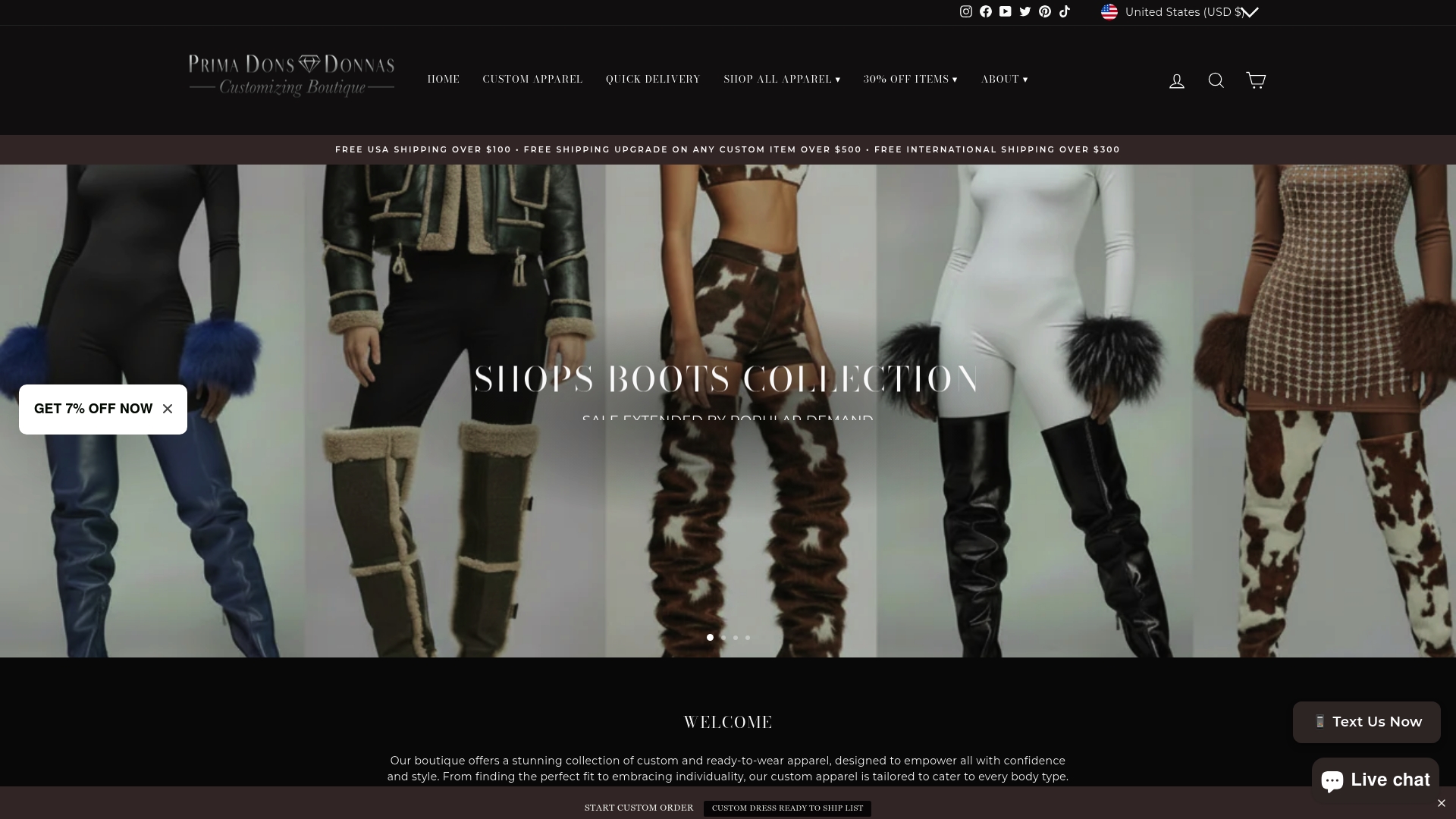
For readers on a tighter timeline, our ready-to-ship collection covers cocktail-appropriate dresses that arrive quickly without the made-to-order lead time. Those who want extra speed can add Express Shipping or a Rush Processing add-on at checkout for an added fee, listed on our customization options page. Browse the made-to-order dress collection to start building a cocktail look fitted to your measurements and your event.
FAQ
What is cocktail attire for women’s dress code?
Cocktail attire for women means a mini, knee-length, or midi dress, a tailored jumpsuit, or a dressy suit in an elevated fabric like silk, satin, or crepe. It’s a semi-formal dress code meant for early evening or late afternoon events, falling between casual wear and black-tie formality.
What is not acceptable for cocktail attire?
Jeans, shorts, flip-flops, athletic sneakers, and floor-length gowns all fall outside a cocktail dress code. Overly casual fabrics like plain cotton or jersey also tend to read as underdressed unless the garment is heavily structured.
What does a female cocktail attire look like?
A typical cocktail look pairs a mini, knee-length, or midi dress, or a tailored jumpsuit, with heels or dressy flats and a small structured black dress. Fabric choice matters most: silk, satin, or crepe read as dressy, while casual cottons do not.
What is a cocktail dress for a woman?
A cocktail dress is a dressy dress cut to mini, knee, or midi length, usually in a polished fabric like satin, crepe, or velvet. It’s designed for semi-formal evening or late-afternoon events and sits a step below the floor-length gowns reserved for black-tie occasions.
How does cocktail attire differ from semi-formal?
Cocktail attire and semi-formal overlap heavily, but cocktail tends toward more structured silhouettes and higher-end fabrics like silk or satin. Semi-formal allows a bit more flexibility in fabric and formality while still ruling out casual wear.
Sources
- What Wedding Cocktail Attire Means for Guests: A Guide
- Cocktail attire: A guide to nailing the dress code | Vogue
- Cocktail wedding attire for men and women | Brides


Leave a comment