

Custom Clothing Order Workflow for Unique Fashion Success
Bold style often means searching beyond ready-made trends for something truly personal. Urban women passionate about fashion know that creating a custom wardrobe starts with defining their unique vision and making confident material choices. Embracing sustainable fashion is not just about looking good—it’s about consciously supporting environmentally responsible sourcing and production practices. Discover how each step in the custom clothing process helps you express individuality while honoring ethical values.
Table of Contents
- Step 1: Define Your Vision And Preferences
- Step 2: Select Materials And Sustainable Options
- Step 3: Submit Measurements And Custom Details
- Step 4: Approve Design Mockups And Adjustments
- Step 5: Track Order Progress And Delivery
- Step 6: Verify Fit And Quality Upon Arrival
Quick Summary
| Key Point | Explanation |
|---|---|
| 1. Define your clothing vision | Reflect on your style and preferences to create a personalized wardrobe vision. |
| 2. Choose sustainable materials | Opt for eco-friendly fabrics like organic cotton and recycled polyester for a conscious wardrobe. |
| 3. Provide accurate measurements | Take precise body measurements to ensure a perfect fit in your custom clothing. |
| 4. Approve design mockups | Review and adjust mockups before production to align with your vision and fit preferences. |
| 5. Verify quality upon arrival | Inspect your garment thoroughly for fit and quality discrepancies, ensuring it meets your expectations. |
Step 1: Define Your Vision and Preferences
Creating a personalized clothing vision transforms your fashion journey from ordinary to extraordinary. This crucial step helps you articulate exactly what you want in a custom wardrobe piece that reflects your unique style and personality.
To develop a clear vision, start by exploring your aesthetic preferences through deep reflection. Look at your existing wardrobe and identify patterns. What colors make you feel confident? Which silhouettes flatter your body? Consider creating a design perspective that goes beyond basic clothing choices and truly represents your individual expression. Think about the emotions and statements you want your clothing to communicate. Are you seeking professional sophistication? Bold artistic statements? Comfortable versatility?
Document your vision by creating a mood board or digital inspiration collection. Include color swatches, fabric textures, clothing styles, and design elements that resonate with your personal aesthetic. Reference images from fashion magazines, social media, or personal photographs that capture your ideal style. Pay attention to not just the visual elements but the feelings these images evoke.
Pro Tip: Take smartphone photos of outfits you love and analyze their common design elements to refine your personal style blueprint.
Step 2: Select Materials and Sustainable Options
Selecting the right materials is your gateway to creating a custom clothing piece that looks amazing and supports environmental responsibility. This step transforms your fashion choices from simply aesthetic to consciously impactful.
Understanding sustainable material selection requires looking beyond traditional fabric choices. Fashion sustainability involves reducing environmental impacts through thoughtful sourcing and production practices. Start by considering fabrics that minimize carbon footprint while maintaining superior quality. Look for organic cotton, recycled polyester, hemp, and bamboo textiles that offer both ecological benefits and exceptional comfort. These materials not only reduce waste but often provide superior breathability and durability compared to conventional options.
Evaluate each material through multiple lenses ethical sourcing, environmental impact, performance characteristics, and personal style preferences. Some sustainable fabrics might surprise you with their luxurious feel and versatility. For instance, recycled polyester can create stunning garments while preventing plastic waste from entering landfills. Ask your custom clothing designer about their sustainable material sourcing practices to ensure your choices align with genuine environmental commitments.
Pro Tip: Request fabric swatches to physically experience texture and quality before making your final sustainable material selection.
Here’s a summary of sustainable material options and their benefits:
| Material Type | Eco Benefits | Comfort & Performance |
|---|---|---|
| Organic Cotton | Low pesticide use | Soft, breathable feel |
| Recycled Polyester | Reduces landfill waste | Durable, moisture-wicking |
| Hemp | Minimal water needed | Strong, naturally cool |
| Bamboo | Fast renewable growth | Silky texture, breathable |
Step 3: Submit Measurements and Custom Details
Submitting precise measurements is the critical bridge between your vision and a perfectly tailored garment. This step transforms abstract design ideas into a wearable reality that fits your body like a second skin.
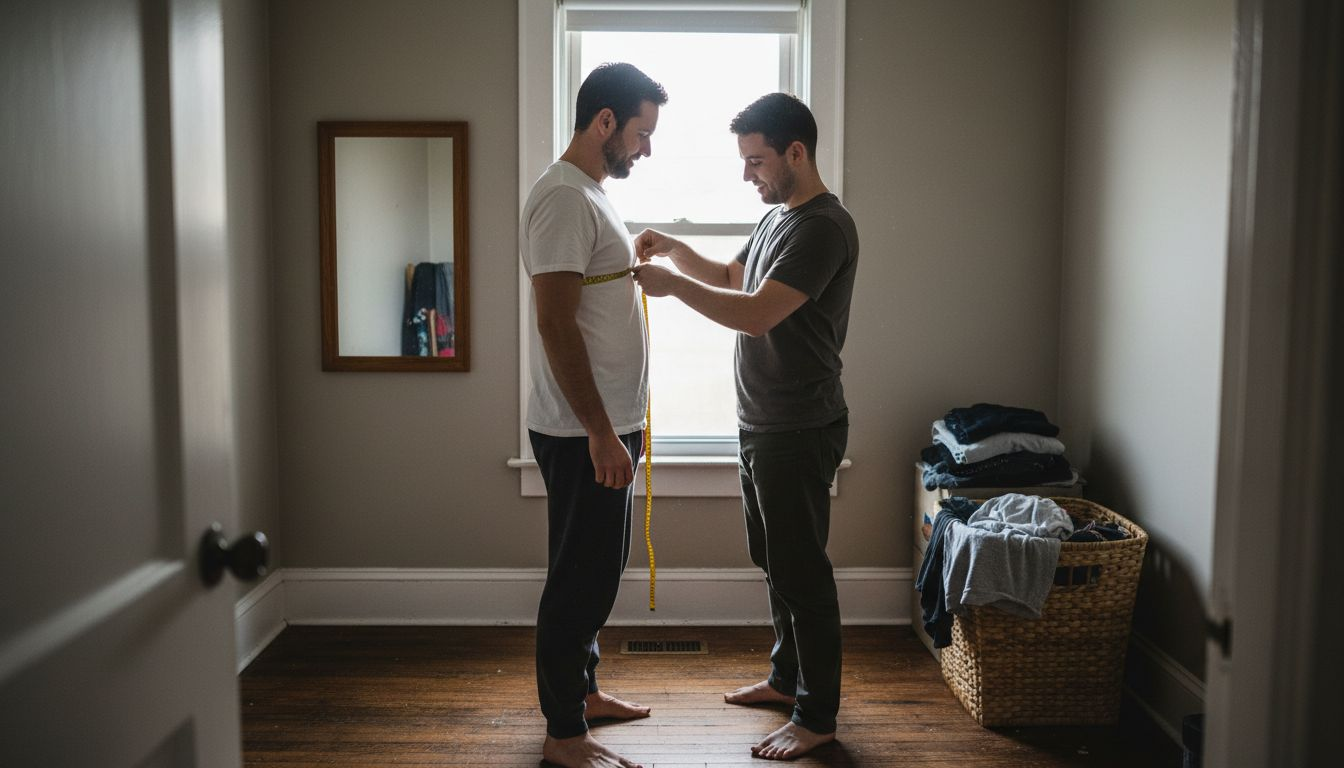
Taking accurate body measurements requires careful attention and the right approach. Start by wearing form-fitting clothing that allows you to measure without extra fabric distortion. Use a flexible measuring tape that sits snug against your body without pulling too tight. Capture key measurements including bust, waist, hips, shoulder width, arm length, and inseam. Precision matters tremendously here measurement errors can translate into significant fit challenges with custom clothing.
Collaborate closely with your clothing designer during the submission process. Modern customized clothing manufacturing relies on detailed communication between customer and creator. Beyond basic measurements, communicate your specific preferences texture details, desired fit looseness or tightness, and any unique body considerations that might impact the final design. Some designers offer virtual consultations to walk you through measurement techniques and ensure absolute accuracy.
Pro Tip: Ask a friend to help take your measurements for maximum accuracy and consistency.
Step 4: Approve Design Mockups and Adjustments
Approving design mockups transforms your custom clothing vision from concept to reality. This critical stage allows you to fine tune every detail before final production ensuring your garment perfectly reflects your personal style and fit preferences.

Visual design mockups serve as a critical communication tool between you and your clothing designer. These detailed representations help you visualize the final product with remarkable precision. Carefully examine each aspect of the mockup paying close attention to color nuances fabric drape and specific design elements. Look for alignment with your original vision and be prepared to request specific adjustments. Check how design lines interact with your body measurements and consider how the garment will move and feel during wear.
The design approval process follows an iterative design thinking approach where collaboration is key. Provide clear constructive feedback that helps your designer understand exactly what modifications you want. Be specific about desired changes whether theyre related to hemline placement shoulder width or subtle texture details. Remember that most designers welcome multiple rounds of refinement to achieve your perfect garment. Communication transparency and a willingness to provide detailed feedback will help you achieve a truly personalized clothing piece.
Pro Tip: Request a digital rendering or sketch that shows the design from multiple angles to get a comprehensive view of your custom piece.
Step 5: Track Order Progress and Delivery
Tracking your custom clothing order brings excitement and anticipation as your unique garment comes to life. This final stage connects you directly with the production journey of your personalized fashion piece.
Dynamic order tracking systems have revolutionized how customers stay informed about their purchases. Most custom clothing brands provide digital platforms where you can monitor real time progress from design confirmation through production and shipping. Expect to receive periodic updates highlighting key milestones like pattern cutting fabric selection initial construction and final quality checks. These updates not only keep you informed but also build transparency and trust between you and the design team.
Effective order tracking interfaces typically offer multiple ways to stay connected. Check your email for automatic notifications or log into the brand website to view detailed status reports. Pay attention to estimated production timelines and potential shipping windows. Some brands provide estimated completion dates while others offer more flexible tracking that shows progress stages. Dont hesitate to reach out to customer service if you have specific questions about your orders progression or need additional details about expected delivery.
Pro Tip: Screenshot or save each progress update as a keepsake to document your custom clothing creation journey.
Step 6: Verify Fit and Quality Upon Arrival
Receiving your custom clothing is an exciting moment that deserves careful attention. This final verification step ensures your meticulously designed garment meets every expectation and specification you originally outlined.
Quality inspection checklists provide an excellent framework for systematically evaluating your new custom piece. Begin by examining the overall appearance checking for any visible manufacturing imperfections such as uneven stitching misaligned patterns or unexpected fabric variations. Carefully try on the garment and assess how it feels against your body. Pay close attention to key fit areas like shoulder width sleeve length waistline and overall silhouette. Movement is crucial test the clothing by walking sitting and performing simple motions to confirm it provides the comfort and flexibility you anticipated.
Product quality strategies emphasize thorough post production evaluation. If you notice any discrepancies between the final product and your original design mockups document them immediately with clear photographs. Most custom clothing brands offer a reasonable window for alterations or returns if the garment significantly differs from your specifications. Dont hesitate to reach out to customer service with specific concerns providing detailed feedback that helps them understand exactly where the piece may not meet your expectations.
Pro Tip: Always try on your custom clothing with the undergarments and shoes you plan to wear most frequently to ensure the most accurate fit assessment.
Review this fit and quality checklist for your custom garment:
| Area to Inspect | Common Issues | What to Look For |
|---|---|---|
| Seams & Stitching | Uneven sewing | Consistent, secure threads |
| Pattern Alignment | Misaligned patterns | Symmetrical, balanced designs |
| Fit Feel | Tight or loose areas | Comfortable, no pinching |
| Movement Test | Restricted motion | Full range, no pulling |
Elevate Your Custom Clothing Journey with Prima Dons and Donnas
The article highlights key challenges in creating a personalized wardrobe piece such as defining your vision, choosing sustainable materials, ensuring perfect measurements, and tracking your order with confidence. Many fashion lovers struggle with translating their style ideas into a garment that fits flawlessly and reflects their unique identity. Prima Dons and Donnas understands these pain points and transforms the complex custom clothing workflow into a joyful experience focused on bold style and exclusivity. Our made-to-order pieces blend luxury with comfort while offering sustainable options like high-quality faux fur to align with your values.
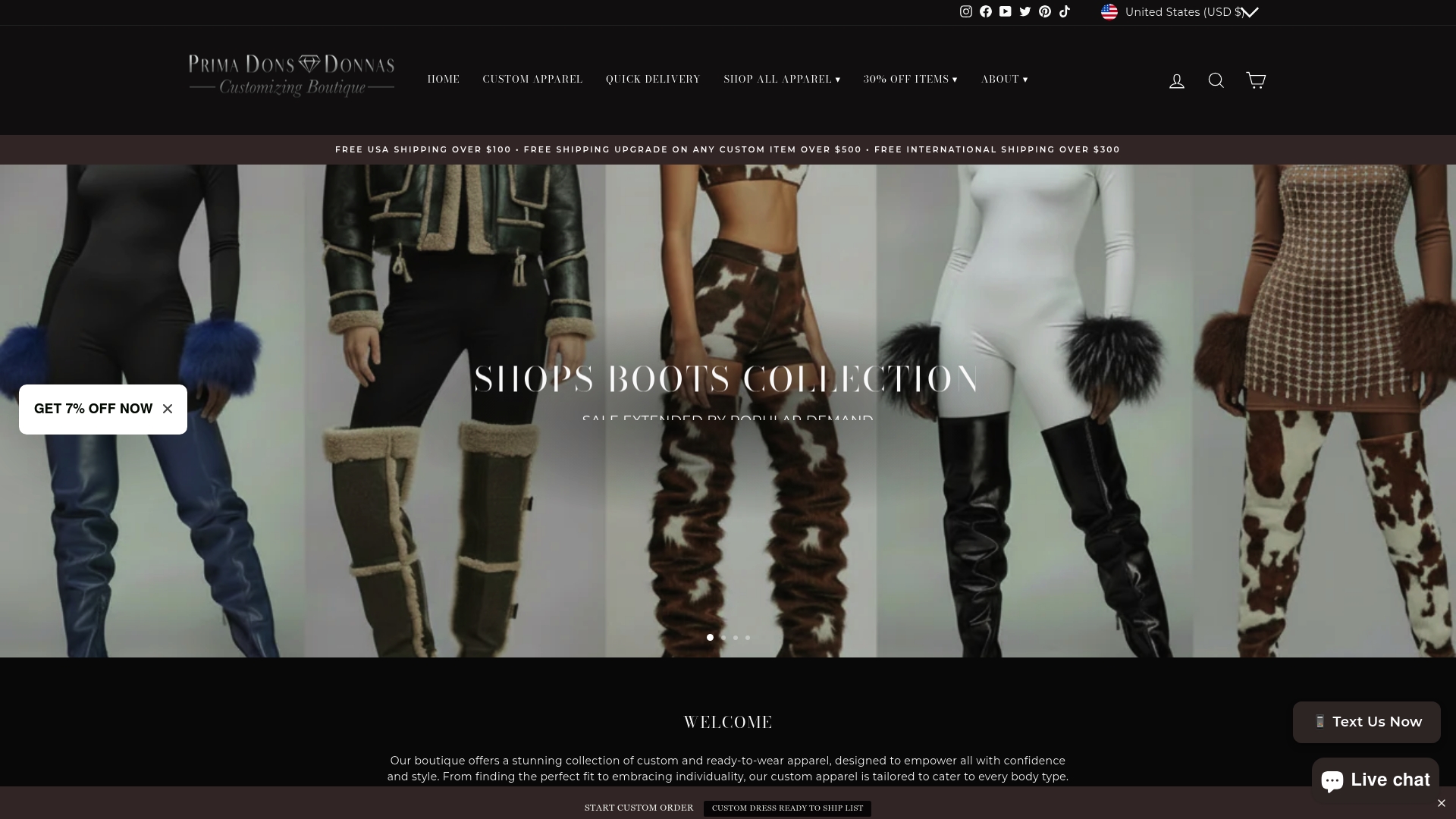
Don’t settle for generic styles when you can wear your story. Start your custom fashion journey with Prima Dons and Donnas now at https://primadonsanddonnas.com. Explore how our expert design process mirrors the detailed steps in the article from vision to final delivery ensuring every fit and finish meets your expectations. Whether you want custom clothing tailored to your measurements or prefer fast, ready-to-ship pieces, take the next step to embrace confidence and stand out with intentional, statement-making fashion designed just for you. Visit Prima Dons and Donnas and transform your wardrobe into an exclusive expression of yourself.
Frequently Asked Questions
What steps are involved in the custom clothing order workflow?
Creating a custom clothing order involves six key steps: defining your vision and preferences, selecting materials, submitting measurements, approving design mockups, tracking order progress, and verifying fit and quality upon arrival. Start by outlining your personal style and preferences to ensure a successful custom clothing experience.
How can I choose sustainable materials for my custom clothing?
Select sustainable materials by evaluating options like organic cotton, recycled polyester, hemp, and bamboo. Research the environmental impact of each fabric to make an informed decision, ensuring that your clothing not only looks good but also supports eco-friendly practices.
What measurements do I need to take for my custom clothing?
You should take key measurements including bust, waist, hips, shoulder width, arm length, and inseam. Ensure accuracy by wearing form-fitting clothing and using a flexible measuring tape to capture your body dimensions correctly.
How can I provide feedback on design mockups for my custom clothing?
When reviewing design mockups, provide specific, constructive feedback that details any desired changes. Focus on aspects like color, fit, and design elements, and remember that collaborative communication will help refine the final garment to your expectations.
What should I do if my custom clothing does not fit as expected?
If your custom clothing doesn’t fit well upon arrival, document any issues with photographs and reach out to customer service for potential adjustments. Many custom clothing brands offer a reasonable window for alterations or returns to ensure you are satisfied with the final piece.
How can I track the progress of my custom clothing order?
Track your custom clothing order by logging into the brand’s website or checking your email for updates. Look for notifications that highlight key milestones in the production process, such as fabric selection and initial construction, to stay informed about your order’s progress.
Recommended
- Top Custom Clothing Services – Expert Comparison 2026 – Prima Dons & Donnas
- Why Choose Made-to-Order Clothing for Impactful Style – Prima Dons & Donnas
- Custom Clothing for Women | Made-to-Order Fashion | Prima Dons – Prima Dons & Donnas
- Nike Air Force One | Mid Custom Rhinestone Sneakers Prima Dons – Prima Dons & Donnas
- Boost Your Success with Customer Engagement in Retail | BonusQR


Leave a comment