

Engagement Photo Outfits for Couples: 2–3 Palettes, Quick Phone Test
Coordinate a shared palette of 2 to 3 colors instead of matching outfits outright, bring one dressy look and one elevated-casual look, and lean on textured, movement-friendly fabrics like linen, silk, and knits. Skip tight small patterns, neon shades, and anything shiny or synthetic. That combination covers most of what actually shows up well on camera, regardless of season or location.
TL;DR:
- Choosing a shared color palette of 2 to 3 tones in the same family helps create cohesive photos without clashing, especially with warm neutrals and muted jewel tones.
- Fabrics like linen, silk, and knits photograph best because they hold shape and catch light naturally, while synthetic or shiny materials tend to reflect light unevenly.
- Outfits should be fitted but comfortable, with proper testing at home to avoid stiffness or awkward postures during the shoot.
- Different locations call for specific outfit choices, such as flowy neutrals for the beach or structured darker tones for urban settings, to ensure the look suits the environment.
- Incorporating accessories thoughtfully limits distractions, with minimal jewelry for outdoor shoots and statement pieces for neutral or solid outfits, avoiding shiny or reflective items.
Table of Contents
- Engagement Photoshoot Outfits: Top Practical Tips To Apply Now
- How To Build A Color Palette Couples Actually Coordinate
- Fabric, Fit, and How To Test Your Outfits Before The Shoot
- Season and Location Outfit Recipes You Can Copy
- What To Avoid and Quick Fixes If Something Goes Wrong
- Your Pre-Shoot Checklist and the 5-Minute Phone-Photo Test
- Accessorizing Without Overpowering Your Outfit
- Choosing Outfits That Flatter Every Body Type
- Bringing Personal Style Into a Photogenic Look
- Coordinating Outfits With Hair and Makeup
- An Editor’s Take on Fit, Confidence, and Photos That Actually Feel Like You
- Get Your Engagement Photo Outfits Made to Order
- Sources
- FAQ
Engagement Photoshoot Outfits: Top Practical Tips To Apply Now
Before you shop, run through these rules. They cover the biggest mistakes couples make and the fixes that solve them fast.
- Coordinate, don’t match. Pick a shared palette of 2 to 3 colors in the same tonal family, then assign each person a primary color from that set. Photographers consistently point to warm neutrals like cream, camel, rust, and olive, along with muted jewel tones, as safer choices than saturated brights.
- Limit patterns to one piece, max. If one person wears a print, the other should stay solid. Small tight checks and stripes create visual noise and can distort on camera sensors.
- Use the two-look strategy. Bring one dressy outfit and one casual outfit, and pack a jacket or coat that lets you switch the mood of a look without a full change.
- Match shoes to terrain. Sand calls for bare feet or sandals; a field calls for boots. Break in new shoes at home first. Blisters show up as awkward posture in every shot.
- Pack for problems, not just style. A lint roller, safety pins, and a spare top can save an entire session from a wardrobe mishap nobody planned for.
How To Build A Color Palette Couples Actually Coordinate
Coordinating colors sounds harder than it is once you have a workflow. Three steps get you there every time.
Start with the anchor outfit, usually the dress or the standout piece one partner already loves. Pull 2 to 3 complementary tones from that piece and give each person a primary color to wear as their main garment. Round it out with neutrals and a single accent color (a scarf, a bag, a pair of shoes) rather than repeating the same bright shade twice. Choosing tones that contrast the setting also keeps the couple as the visual focus. Warm tones read stronger against cool, green backdrops, and the reverse holds true in warmer settings, according to color theory guidance for photography.
A few starting palettes:
- Cream, rust, and olive — works for fall fields and rustic settings.
- Navy, dusty blue, and camel — reads well in urban settings and studios.
- Sage, ivory, and warm brown — suits gardens and greenhouse shoots.
- Charcoal, blush, and soft gray — flexible for indoor or overcast-day sessions.
Fabric, Fit, and How To Test Your Outfits Before The Shoot
Linen, silk, wool knits, and raw denim photograph well because they hold shape and catch light naturally. Melissa Rae Photography points to those materials specifically for how they move with the body instead of clinging or flattening under studio and outdoor light. Shiny polyester, tight synthetic blends, and sequins tend to do the opposite. They reflect light unevenly and can flatten detail in photos.
Fit matters as much as fabric. Aim for fitted, not tight, and check shoulder seams on menswear pieces first since that’s where off-the-rack fit usually fails. A quick tailoring adjustment often fixes more than a whole new outfit would.
Test everything before the actual session. Walk, sit, and hug your partner in the outfit at home. Then have someone snap phone photos from a normal shooting distance, since a mirror won’t show you what a camera does with color and fabric drape.
Season and Location Outfit Recipes You Can Copy
Different settings call for different formulas. These four cover most engagement shoot locations.
- Beach: Light neutrals and flowy fabrics like linen or lightweight cotton. Go barefoot or wear simple sandals, and avoid bright white in midday sun since it tends to blow out under direct light.
- Urban or indoor venues: Structured pieces in deeper tones work best here. Heels and clean, polished shoes fit the setting without looking out of place.
- Fall fields: Textured knits, a long coat, and a rust, olive, or camel palette pair naturally with leather ankle boots. A single long coat can double as a hero layer, adding vertical line and solving temperature swings in one move, according to seasonal outfit guidance.
- Winter: Wool outerwear and layered neutrals hold up in cold weather without looking bulky. Skip puffer jackets with large logos, which tend to pull focus from the couple. Primadonsanddonnas covers this exact scenario in its guide to winter photoshoot outfits, built around 3 to 4 color combinations in a made-to-order fit.
- Studio settings: Richer tones and slightly more structure photograph well against controlled lighting, and jewelry tends to read clearly indoors where outdoor glare isn’t a factor.
Season and location formulas like these help outfits feel like they belong in the setting rather than fighting against it, a point One Story Weddings makes repeatedly across its style guides.
What To Avoid and Quick Fixes If Something Goes Wrong
Some choices cause more problems than they’re worth, no matter how good they look on a hanger.
- Skip neon colors, large logos, and tight small patterns, which can create moiré distortion on digital camera sensors, according to Tov Studio Photo.
- Never wear brand-new shoes to the session. Break them in first, or bring a backup pair.
- Avoid any outfit you haven’t tried on together, walked in, and sat in beforehand.
- If a color clashes with the location once you arrive, add a neutral layer or swap out one accent piece rather than scrapping the whole outfit.
Pro Tip: Keep a small “shoot day kit” in your car: lint roller, safety pins, double-stick tape, and a plain neutral undershirt. It solves 90 percent of last-minute wardrobe surprises without anyone noticing there was ever a problem.
Your Pre-Shoot Checklist and the 5-Minute Phone-Photo Test
A little planning removes most of the stress from picking engagement photo outfits.
- Three weeks out: Choose your palette and start browsing or ordering pieces.
- Two weeks out: Finalize orders and handle any alterations.
- One week out: Try on both outfits together, in full, including shoes and accessories.
- Three days out: Steam or press everything so it’s shoot-ready.
Run the phone-photo test during your one-week try-on. Take photos at normal shooting distance while sitting, standing, and walking, in light similar to your shoot location. This catches color casts, gaping seams, and fit issues a mirror simply won’t show you, a method Alys Ibley Photography recommends before every session.
Pack two outfits in garment bags, a lint roller, spare shoes, water, snacks, and a small sewing kit. That’s the full list. Nothing more complicated than that.
Accessorizing Without Overpowering Your Outfit
Jewelry, hats, and scarves should support your outfit, not compete with it. The simplest rule: if your clothing is already patterned or richly colored, keep accessories minimal. If your outfit leans neutral or solid, that’s where a statement piece, like a bold necklace or a wide-brim hat, can add personality without cluttering the frame.
Delicate jewelry photographs better outdoors in bright light, where oversized pieces can catch glare or get lost against busy backgrounds. Indoors or in studio settings, larger statement pieces read more clearly since the lighting is more controlled. A scarf works well as a color-bridging tool, letting one partner echo the other’s palette without wearing an identical shade.
Hats deserve a small note of caution: they cast shadows across the face, especially in direct sun. If you love the look, plan for shots at different angles or during softer light windows like early morning or late afternoon. Watch metal too. Reflective watch faces, oversized belt buckles, and shiny sunglasses can catch light unpredictably and pull focus from your expressions.
The goal is balance. Add one or two accessories per person, not five. A ring, a simple bracelet, and maybe a hat is plenty. Anything more starts competing with the two of you for attention, and the two of you are the actual subject of the shoot.

Choosing Outfits That Flatter Every Body Type
Fit matters more than size when it comes to how an outfit reads on camera. A dress that’s fitted through the waist and flows below the hip tends to flatter a wide range of body shapes, since it defines the silhouette without clinging in the wrong places. V-necks and scoop necks elongate the upper body and work well for most frames, while structured waistbands create shape without needing a tight fit.
For fuller figures, fabric with a bit of drape, like a soft jersey knit or flowy linen, moves naturally and avoids the stiffness that clingy synthetic fabric creates in photos. Vertical lines, whether from a pleat, a seam, or a long open cardigan, add visual length. For shorter frames, a higher waistline and a hem that hits right at or above the knee can make legs appear longer in full-body shots.
Menswear fit issues usually show up at the shoulders first. A jacket that fits at the shoulder seam but feels slightly loose everywhere else almost always photographs better than something tight through the chest and short in the sleeve. Rolled cuffs and an open collar soften a formal look without losing structure.
None of this requires guessing your size against a standard chart and hoping for the best. Made-to-order pieces sidestep the entire problem, since sizing gets built around actual measurements instead of a generic size run. Primadonsanddonnas covers this in more depth in its guide to plus size photoshoot outfits, which focuses on confidence and fit before anything else.

Bringing Personal Style Into a Photogenic Look
Your engagement photos should look like you, not like a template pulled from someone else’s shoot. The trick is filtering your personal style through what actually reads well on camera. If you love bold prints, wear one statement piece and keep everything else solid. If you’re drawn to vintage pieces, choose one era-specific detail, like a high collar or a specific silhouette, rather than head-to-toe costume.
Comfort plays a bigger role here than most couples expect. Photographers consistently report that clothing you’d never normally wear shows up as visible stiffness in photos, while familiar, well-fitting pieces produce more natural, relaxed body language, according to Disjah Lyons Photography. The camera picks up on discomfort faster than most people realize.
That’s the real argument for custom-fit pieces over something borrowed from a generic rack. When an outfit is built around your actual measurements and color preferences instead of a standard size run, it moves the way you move and photographs the way it’s supposed to. Primadonsanddonnas breaks this down further in its guide to defining custom photoshoot outfits, which walks through building a full look around personal style rather than trends alone.
Coordinating Outfits With Hair and Makeup
Your outfit and your beauty look need to talk to each other, or the whole photo can feel disjointed. Start with your outfit’s neckline. A high collar or turtleneck pairs better with hair worn up or pulled back, since loose hair can catch on fabric during movement shots and create an awkward composition, a detail Megan Montalvo Photography flags specifically for outfits with thick layers or high collars.
Makeup should follow the same coordinating logic as your outfit’s color palette. If you’re wearing warm tones like rust or camel, warm-toned makeup, think bronze eyeshadow or a warm-toned lip, tends to tie the whole look together. Cooler palettes like navy or charcoal pair naturally with rose or berry tones instead.
Keep makeup slightly more polished than your everyday look, since natural light and camera flash both tend to wash out subtle color. That doesn’t mean heavy. It means intentional. A little extra definition around the eyes and a lip color with real pigment will hold up better across a two-hour session than something too sheer or too natural.
An Editor’s Take on Fit, Confidence, and Photos That Actually Feel Like You
Stiff poses almost always trace back to one thing: an outfit that doesn’t fit right. Confidence reads on camera before a single pose is chosen, and confidence starts with clothes that move the way your body moves. That’s the case for prioritizing custom fit and genuinely inclusive sizing over a size chart that was never built with your body in mind.
— Latoya
Get Your Engagement Photo Outfits Made to Order
Primadonsanddonnas builds outfits around your actual measurements instead of a standard size chart, which solves the fit problems that make outfits photograph stiff or ill-fitting in the first place. The Custom Dress Collection covers dressy looks in any size or color, while the Ready to Ship Collection works for couples on a tight timeline who still want a polished, custom-feeling look.
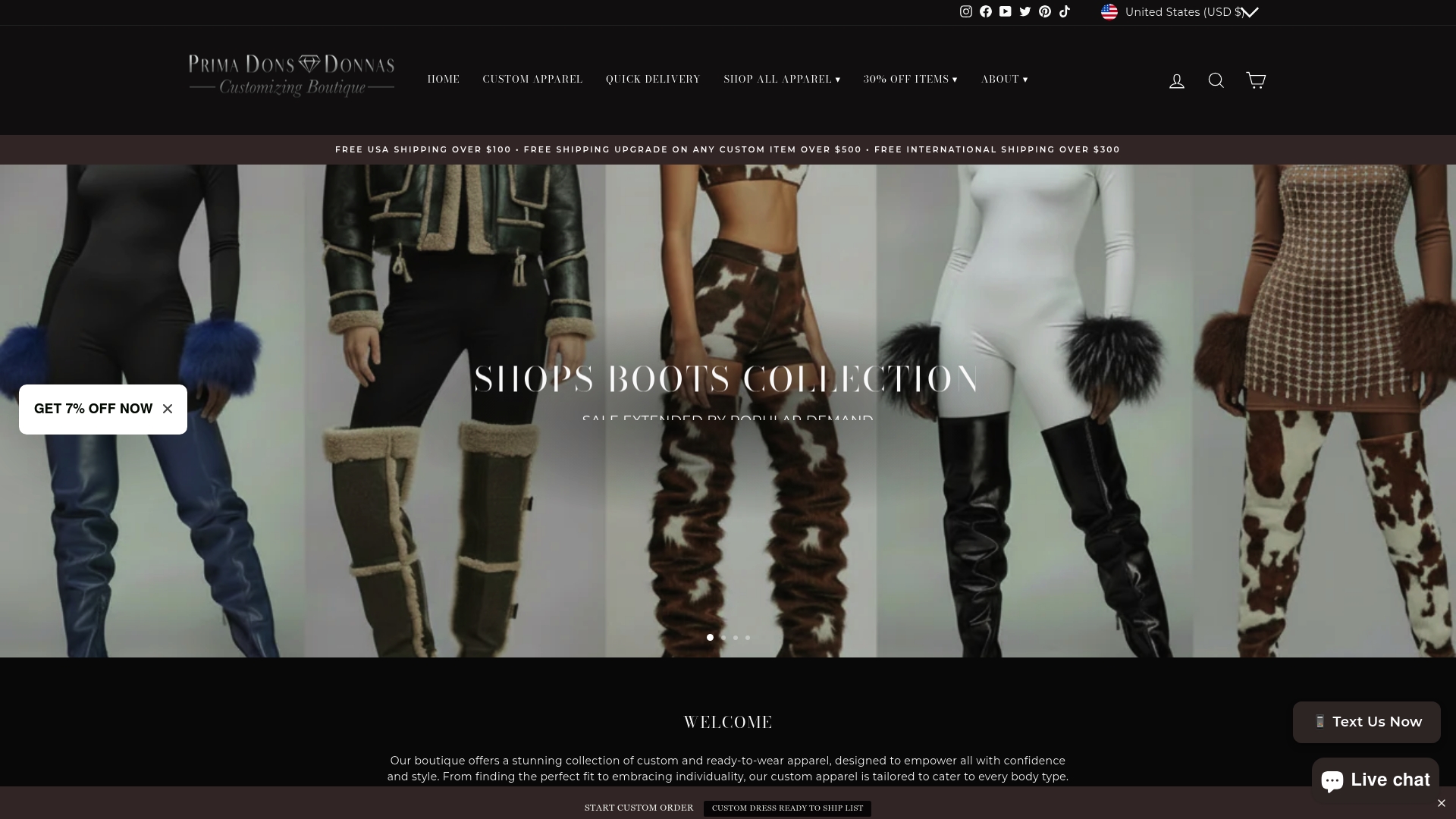
Need your outfit sooner than standard turnaround allows? Express Shipping and rush processing are both available as add-ons at checkout. Browse the dress collection, pick your palette, and build a look that’s shoot-ready and sized to fit your actual body, not a generic size run.
Sources
This guide draws on styling advice from working engagement photographers, including Alys Ibley Photography on color palettes and pre-shoot testing, Melissa Rae Photography on fabric choice, and Riley Trott on the two-look session strategy.
- Spring engagement photo outfits (Alys Ibley Photography)
- What to wear for engagement photos (Melissa Rae Photography)
- What to wear to an engagement shoot (Tov Studio Photo)
- What to wear for your engagement photos (One Story Weddings)
FAQ
What Color Should You Wear for Engagement Photos?
Warm neutrals like cream, camel, rust, and olive, along with muted jewel tones, tend to photograph better than saturated brights or pure white and black. Pure white can blow out in bright sunlight, and pure black can flatten in low light, so softer neutrals with more depth are usually the safer call.
Is $500 a Lot for Engagement Photos?
Engagement session pricing varies widely by photographer, location, and package inclusions, so pricing can vary widely by photographer, location, and package inclusions, covering budget to mid-range options depending on the market. It’s worth comparing what’s included, such as edited image count and print rights, rather than judging the number alone.
What Are the Trending Engagement Looks for 2026?
Textured knits, warm earth-tone palettes, and flowing fabrics like linen and silk continue to dominate, paired with a two-look strategy of one dressy and one elevated-casual outfit. Custom-fit pieces are also trending as couples move away from generic size charts toward outfits built around their actual measurements.
How Do You Not Look Awkward in Engagement Photos?
Wear clothes you’ve already tested at home through the walk, sit, and hug test, since unfamiliar or ill-fitting outfits tend to create visible stiffness on camera. Comfort and fit matter more than trends here. Photographers consistently note that clothing you’d never normally wear shows up as tension in body language, while familiar, well-fitting pieces produce more natural results.


Leave a comment