

Fashion Personalization: Empowering Your Unique Style
Nearly 60 percent of American women report that off-the-rack clothing rarely fits or reflects their true style. Struggling to find garments that genuinely express your individuality is a universal challenge for fashion-forward women worldwide. This guide separates fact from fiction about fashion personalization, revealing how sustainable, made-to-order choices can empower your sense of self and celebrate your unique silhouette at every size.
Table of Contents
- Defining Fashion Personalization and Misconceptions
- Types of Fashion Personalization in Apparel
- How Personalization Works for Custom Clothing
- Benefits of Personalized Fashion for Individuals
- Common Mistakes and How to Avoid Them
Key Takeaways
| Point | Details |
|---|---|
| Fashion Personalization is Multifaceted | It goes beyond colors and sizes, incorporating individual body measurements and personal styles to create unique garments. |
| Collaboration is Key | Engaging in open communication with designers throughout the process enhances the personalization journey and ensures satisfactory outcomes. |
| Avoid Trend-Driven Decisions | Focusing on personal style and comfort rather than chasing fleeting trends leads to more meaningful fashion choices. |
| Understanding Your Body Matters | Accurate body measurements and understanding personal aesthetic preferences are critical for successful customization in fashion. |
Defining Fashion Personalization and Misconceptions
Fashion personalization represents a revolutionary approach to clothing design where individual preferences, body types, and unique style expressions take center stage. Far more than simply selecting a different color or size, this dynamic process involves creating garments that authentically reflect an individual’s identity and aesthetic vision. Consumer research exploring cultural fashion customization reveals that personalization goes beyond transactional interactions, transforming fashion into a deeply meaningful social activity.
Many people mistakenly believe personalization is exclusively about aesthetic modifications. However, true personalization encompasses far more complex dimensions. Sociological studies examining consumer identity demonstrate that customized fashion serves as a powerful mechanism for expressing individual narratives, cultural backgrounds, and personal philosophies. The process involves intricate negotiations between consumer desires and production capabilities, creating garments that are simultaneously deeply personal and technically sophisticated.
The key elements of authentic fashion personalization include:
- Precise Fit: Beyond standard sizing, capturing individual body measurements
- Style Adaptation: Translating personal aesthetic preferences into tangible design elements
- Material Selection: Choosing fabrics that align with comfort, sustainability, and personal values
- Emotional Connection: Crafting pieces that resonate with individual identity and storytelling
Pro tip: When exploring personalized fashion, prioritize understanding your unique body shape, lifestyle needs, and emotional connections to clothing over following temporary trends.
Types of Fashion Personalization in Apparel
Fashion personalization encompasses a rich spectrum of approaches that transform clothing from mass-produced items into unique expressions of individual identity. Contemporary research on fashion personalization reveals multiple sophisticated methods that go far beyond simple size or color modifications. These approaches range from micro-personalization techniques to comprehensive consumer co-creation processes, each offering distinct ways to craft clothing that truly reflects personal style and individual needs.
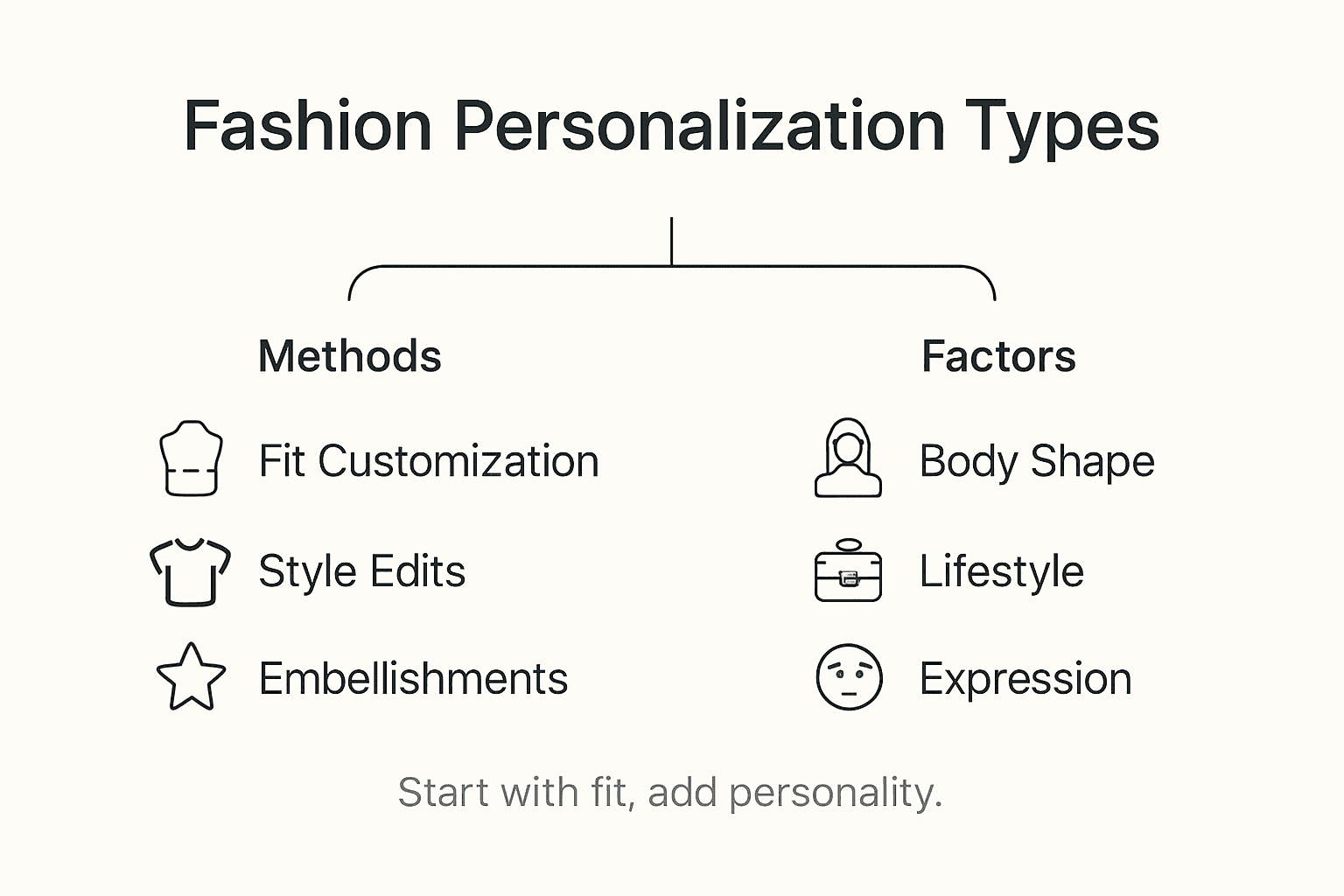
The primary types of fashion personalization include micro-personalization, where subtle design elements are tailored to individual preferences, and mass personalization, which allows consumers to modify standard designs within predefined parameters. Advanced techniques like consumer co-creation involve direct collaboration between designers and customers, enabling more profound customization. This approach transforms fashion from a transactional experience into an interactive design journey where individual creativity takes center stage.
Key types of fashion personalization include:
- Size and Fit Customization: Precise measurements that accommodate unique body shapes
- Material and Texture Selection: Choosing fabrics that align with personal comfort and aesthetic preferences
- Color and Pattern Personalization: Selecting or designing unique color combinations and prints
- Functional Modifications: Adding or removing design elements to suit lifestyle needs
- Emotional Design: Creating pieces that resonate with personal narratives and cultural identity
Pro tip: Start your personalization journey by understanding your body measurements, lifestyle requirements, and emotional connections to clothing, rather than simply following trending design templates.
Here’s a summary of how different personalization methods in fashion compare:
| Personalization Method | Level of Individuality | User Involvement | Production Complexity |
|---|---|---|---|
| Micro-personalization | Subtle adjustments | Minimal feedback | Low |
| Mass personalization | Customizable options | Moderate engagement | Medium |
| Designer co-creation | Full customization | High collaboration | High |
How Personalization Works for Custom Clothing
Custom clothing personalization represents a sophisticated process that transforms traditional fashion production into an interactive and individualized experience. Advanced technologies like artificial intelligence are revolutionizing how personalized garments are designed and manufactured, enabling unprecedented levels of customization that go far beyond simple size adjustments. This innovative approach combines digital tools, consumer preferences, and precision manufacturing to create clothing that feels like a second skin.
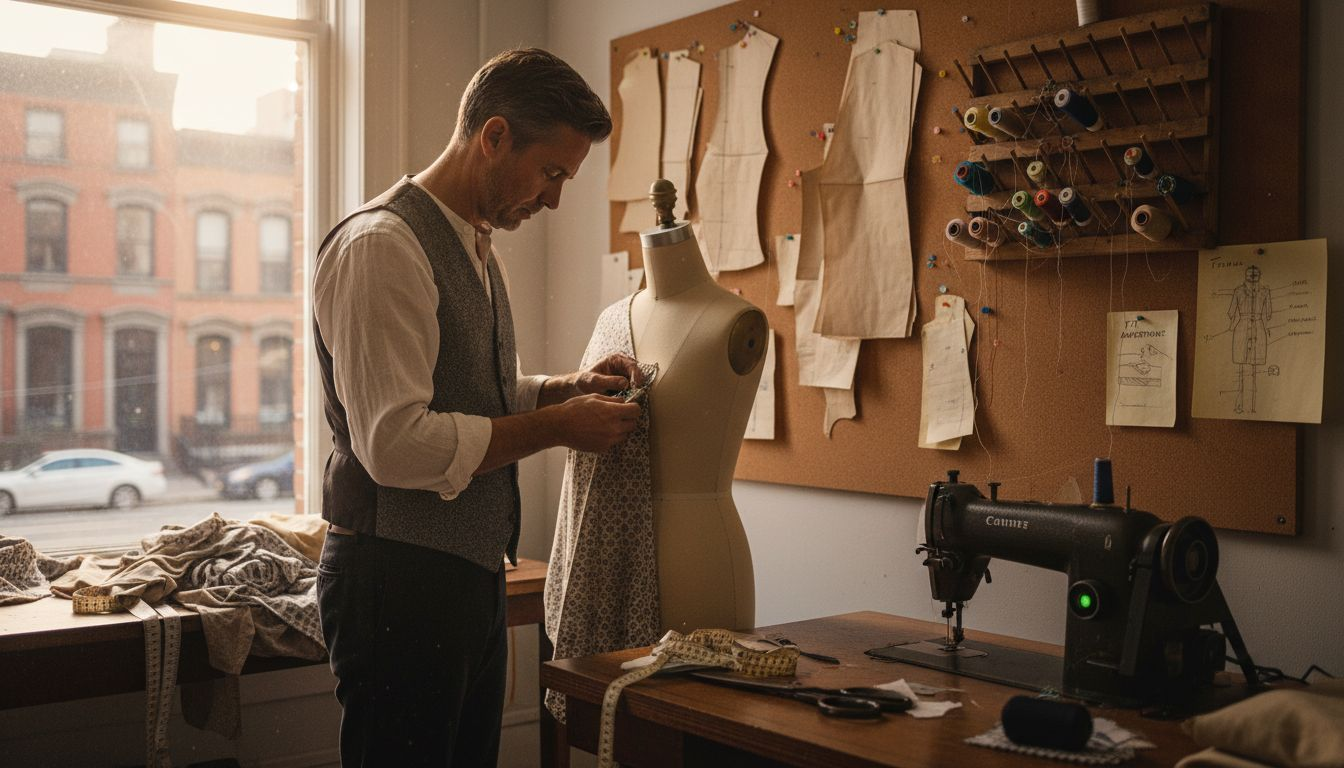
The personalization workflow typically involves several intricate stages. Initially, clients provide detailed body measurements and style preferences through digital platforms or in-person consultations. Advanced algorithms then analyze these inputs, translating individual specifications into precise design parameters. Designers collaborate with AI-driven systems to recommend fabrics, suggest modifications, and ensure that each garment meets the client’s unique aesthetic and functional requirements. This collaborative process bridges the gap between mass production and truly individualized fashion.
Key steps in the custom clothing personalization process include:
- Comprehensive Measurement Capture: Using digital scanning or precise manual measurements
- Style and Design Consultation: Discussing personal aesthetic preferences and lifestyle needs
- Fabric and Material Selection: Choosing textiles that match individual comfort and style requirements
- Digital Prototype Development: Creating virtual representations of the proposed garment
- Precision Manufacturing: Crafting the final piece with meticulous attention to individual specifications
Pro tip: Approach custom clothing personalization as a collaborative journey, providing clear communication about your body, style preferences, and lifestyle to ensure the most accurate and satisfying outcome.
Benefits of Personalized Fashion for Individuals
Exploring how individuals use fashion as a powerful tool for self-expression and identity reveals profound psychological and social benefits beyond mere clothing selection. Personalized fashion serves as a non-verbal communication channel, allowing individuals to articulate their personality, values, and cultural identity through carefully curated clothing choices. This transformative approach to personal style goes far deeper than aesthetic preferences, becoming a sophisticated means of self-representation and emotional empowerment.
The benefits of personalized fashion extend across multiple dimensions of personal and social experience. Psychologically, wearing clothing that perfectly reflects individual identity can significantly boost self-confidence and provide a sense of authenticity. Socially, personalized fashion enables individuals to stand out, communicate complex aspects of their personality, and create meaningful first impressions without uttering a single word. These garments become more than mere fabric and thread - they are intentional statements about who a person is and how they wish to be perceived.
Key benefits of personalized fashion include:
- Enhanced Self-Confidence: Wearing clothing that genuinely represents personal style
- Emotional Expression: Using fashion as a non-verbal communication tool
- Cultural Identity Affirmation: Celebrating personal heritage and individual background
- Psychological Comfort: Feeling genuinely comfortable in personally designed clothing
- Social Differentiation: Creating unique style statements that distinguish the wearer
Pro tip: Approach personalized fashion as a journey of self-discovery, using clothing as a canvas to explore and express your most authentic self.
These factors influence the impact of personalized fashion on individuals:
| Impact Area | Short-Term Effect | Long-Term Benefit |
|---|---|---|
| Self-confidence | Immediate sense of comfort | Lasting identity empowerment |
| Social presence | Stand out in groups | Stronger cultural connection |
| Emotional health | Increased daily satisfaction | Sustained psychological well-being |
Common Mistakes and How to Avoid Them
Personalized fashion, while exciting, can be fraught with potential missteps that may undermine the entire customization experience. Individuals often approach custom clothing with enthusiasm but lack the strategic understanding needed to truly transform their wardrobe. The most fundamental error is treating personalization as a simple transaction rather than a collaborative design journey that requires careful consideration, communication, and introspection.
The most prevalent mistakes in fashion personalization typically stem from unrealistic expectations, poor communication, and a lack of self-awareness. Many clients struggle to articulate their true style preferences, leading to garments that look good on paper but fail to resonate emotionally. Others become overly influenced by temporary trends, compromising their unique aesthetic for momentary fashion statements. Additionally, some individuals neglect the critical aspects of fabric selection, body measurements, and personal comfort, resulting in beautifully designed but ultimately unwearable pieces.
Key mistakes to avoid in fashion personalization include:
- Vague Design Briefs: Providing ambiguous or incomplete style descriptions
- Ignoring Body Measurements: Failing to provide accurate, comprehensive body dimensions
- Trend Chasing: Prioritizing current fashion trends over personal style
- Overlooking Fabric Functionality: Selecting materials without considering lifestyle and comfort
- Minimal Designer Collaboration: Limiting communication during the design process
Pro tip: Approach your personalized fashion journey as a collaborative dialogue, treating designers as creative partners who can translate your unique vision into wearable art.
Unlock Your Unique Style with Prima Dons and Donnas
The journey to truly personalized fashion requires more than just picking a size or color. If you are tired of vague design briefs, chasing fleeting trends, or clothing that does not reflect your authentic self, Prima Dons and Donnas offers the solution you need. Our made-to-order approach ensures precise fit, style adaptation, and emotional connection to your garments so you can confidently express your individuality and embrace bold fashion choices.
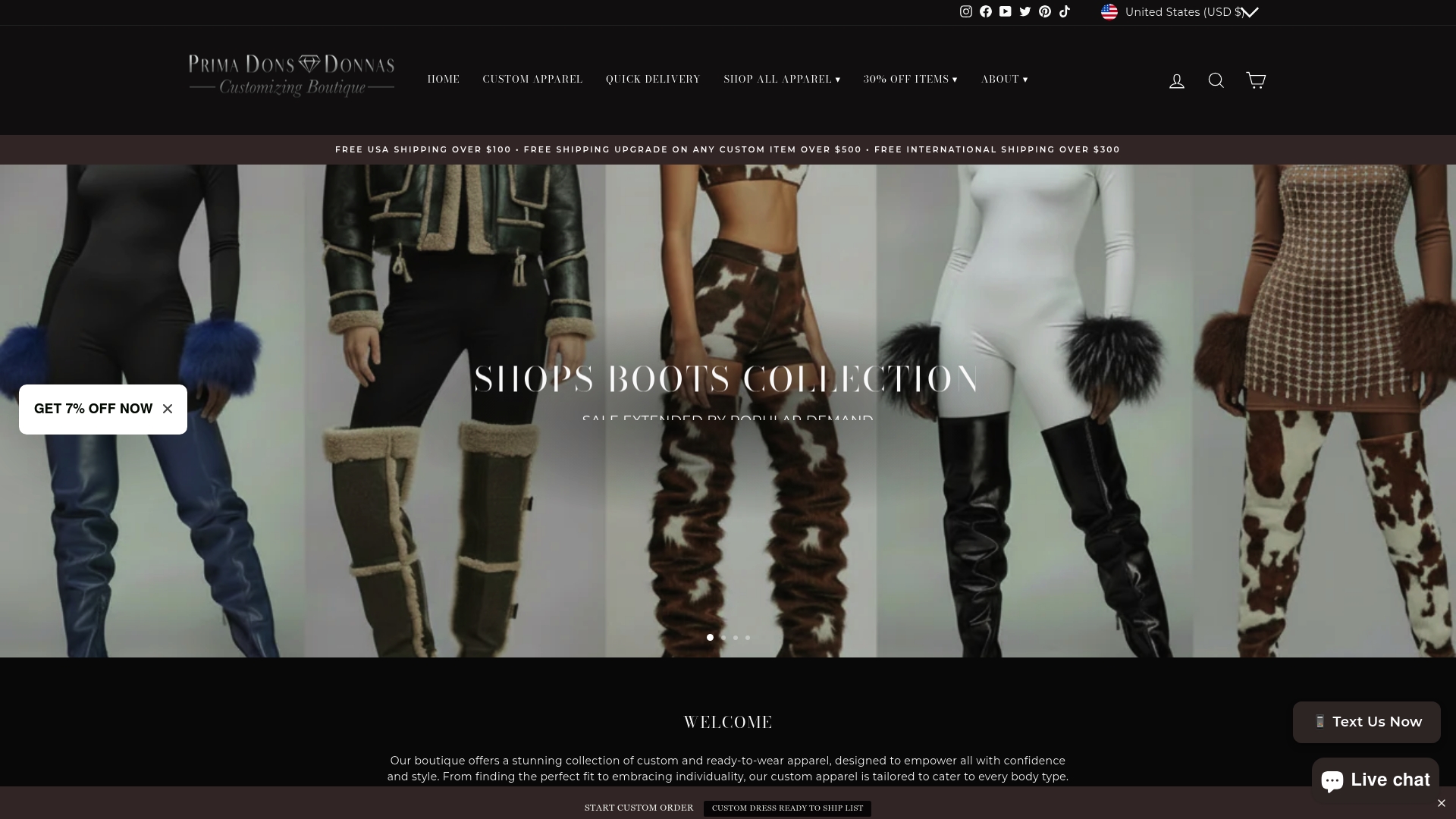
Discover how our custom clothing and footwear are tailored to your exact measurements and style preferences with sustainable options like high-quality faux fur for conscious wear. Take control of your wardrobe and avoid common personalization mistakes by partnering with designers who value collaboration and your unique vision. Start transforming your fashion experience today at Prima Dons and Donnas and explore how intentional, statement-making pieces can elevate your self-expression and confidence. Visit https://primadonsanddonnas.com now to begin your personalization journey and stand out with exclusive looks designed just for you.
Frequently Asked Questions
What is fashion personalization?
Fashion personalization is a process that customizes clothing to reflect an individual’s unique preferences, body types, and style expressions. It involves more than just alterations, incorporating fit, materials, and emotional connections to create garments that resonate personally with the wearer.
How does personalized fashion improve self-expression?
Personalized fashion enhances self-expression by allowing individuals to communicate their identity, values, and cultural backgrounds through their clothing choices. This customization transforms clothing into powerful statements of who the wearer is and how they wish to be perceived.
What are the main types of fashion personalization?
The main types of fashion personalization include micro-personalization, which involves subtle design adjustments, and mass personalization, where consumers modify existing designs. Additionally, designer co-creation allows for deeper collaboration between clients and designers for more comprehensive customization.
What common mistakes should I avoid when pursuing fashion personalization?
Common mistakes in fashion personalization include providing vague design briefs, ignoring accurate body measurements, chasing fleeting trends, overlooking fabric functionality, and minimizing collaboration with the designer. Avoiding these pitfalls will help ensure a more satisfying personalization experience.


Leave a comment