

Festival Boots Comfort: How to Pick and Break In a Pair
Comfortable festival boots fit snugly at the heel and arch, leave room for your toes, and have a cushioned, grippy sole. They also need a proper break-in before the gates open. Pick the fit first, then the look. Wear them indoors for a few weeks, bring moisture-wicking socks, and your feet can last eight hours or more on your feet. Below is a step-by-step guide to choosing, testing and caring for boots at a music festival, concert or outdoor party.
TL;DR
- Fit comes first: a secure heel and arch, no side-to-side sliding, and a roomy toe box.
- Look for a shock-absorbing sole, a stiff shank and a supportive heel counter.
- Break boots in with short indoor wear (about 30 minutes at a time) and cover hot spots before they blister.
- Pack moisture-wicking socks and an extra pair. On multi-day trips, rotate two pairs of footwear.
- Custom sizing and adjustable heel heights make it easier to get a pair that fits your foot and your outfit.
Table of Contents
- What makes festival boots comfortable
- How boots should fit
- Socks, insoles and what to put inside the boot
- Break in your boots before the festival
- Boots for wet, muddy or dusty ground
- Boot styles for special occasions and events
- Perspective
- Plan your pair: custom or ready to ship
- Pack and care during the festival
- When another type of footwear makes sense
- FAQ
- Sources
What makes festival boots comfortable
A festival day is long. Expect hours of standing, walking between stages and dancing on grass, gravel, concrete or dust. The boot has to work like a piece of equipment and look good doing it.
The American Podiatric Medical Association (APMA) describes what a supportive shoe looks like: it fits well at the front, back and sides, with shock-absorbent soles, rigid shanks and supportive heel counters, and suits the activity you are doing. Turn that into a festival checklist:
| Feature | What to check | Why it matters on festival ground |
|---|---|---|
| Heel counter | Cup at the back of the boot feels firm when you press it | Keeps your heel from sliding and rubbing |
| Shank | Boot does not fold in half at the arch | Supports your arch over long hours |
| Sole | Cushioned, with some grip | Absorbs impact on hard ground and helps on loose dirt |
| Toe box | Toes spread without pressing the sides | Feet swell during the day |
| Shaft and closure | Snug but not cinched | Stays on through dancing without cutting circulation |
| Weight | Feels light when you lift it | Heavy boots tire your legs by hour five |
Boots also give you something many shoes do not. At multi-day camping festivals, a boot’s ankle support helps stabilize your stride on uneven ground like grass, gravel or mud, according to one festival footwear guide. That is a big reason boots are the festival default.
Heel height and platforms
A platform keeps the heel-to-toe drop smaller than a stiletto of the same height, so platform boots are a common pick for dancing. Height is personal. A lower or adjustable heel is easier to wear for a full day. If you want drama, plan to wear the tallest pair for part of the day and swap later.
Our custom boots with adjustable heel height are built around that idea. You choose the height that works for how long you will be on your feet.
How boots should fit
Skip the guesswork. A podiatrist at Baylor College of Medicine, Esther Jonas, says a boot should hold the arch and heel without constriction, not slide side to side, and have a spacious toe box. She also says that if boots still feel tight after you have worn them around indoors, that is a reason to exchange them.
Use this quick fit test at home:
- Try boots in the afternoon. Feet swell as the day goes on. A pair that fits at 9 a.m. can pinch by 4 p.m.
- Wear the socks you will wear at the festival. Thick socks change the fit.
- Stand, then walk. Your heel should lift only a little. Your toes should not hit the front on a downward step.
- Check the sides. Pressure on the ball of the foot or the little toe means the boot is too narrow.
- Check the shaft. Calf-high or thigh-high boots should not squeeze behind the knee or cut into your calf when you sit.
Feet can also change over time. Cleveland Clinic podiatrist Georgeanne Botek notes that feet can change in width or size with age, so the size you wore five years ago may not be your size now. Measure again.
If you are between sizes or need a wider calf
Standard sizing is where a lot of boot pain starts. Calf width, instep height and foot width vary, and an off-the-rack boot is cut for an average. That is why we make boots to order in any size, including plus-size options. If you are shopping for a wider calf or a specific fit, start with our custom plus size apparel and boots.
Socks, insoles and what to put inside the boot
The boot is half of the comfort equation. Socks and inserts are the other half.

Dr. Botek says friction blisters are prevented by properly fitted shoes, moisture-wicking socks, dry feet and a gradual break-in. She recommends breathable socks, avoiding socks with problem seams, and carrying an extra pair.
Practical sock rules:
- Pick moisture-wicking fabric. Skip pure cotton, which holds sweat.
- Choose seamless or flat-seam socks, especially at the toes.
- Pack at least one spare pair. Changing socks midday can reset a hot, damp foot.
- For thigh-high or knee-high boots, wear a sock that stays up and does not bunch at the ankle.
Insoles. The APMA says shoe inserts can cushion your feet and support your arches, but you should try them inside the actual boots while walking. It also warns that pressure that does not feel right should not be assumed to go away with wear. If you have foot pain, flat feet or a history of heel pain, see a podiatrist before the festival, not during it.
Break in your boots before the festival
New boots on day one of a festival is the classic mistake. Give yourself two to four weeks.
Cleveland Clinic advises breaking shoes in slowly with short indoor wear and putting a bandage or petroleum jelly on spots where they rub. Wirecutter suggests wearing new shoes indoors for about 30 minutes at a time, repeatedly, noting where they rub, and protecting those hot spots with adhesive bandages or moleskin before you try longer wear.
A simple schedule:
| Week | What to do |
|---|---|
| 1 | Wear around the house, 30 minutes at a time, with festival socks |
| 2 | Wear for an hour or two. Walk on stairs and outside on a short errand |
| 3 | Run a full outing: a lunch, a shopping trip, an evening out. Dance in them at home |
| 4 | Final check. Cover any hot spot, then pack the boots |
For tall and thigh-high styles, break-in has extra steps for the shaft and the zipper. Follow our step-by-step guide to breaking in thigh-high boots.
Boots for wet, muddy or dusty ground
The weather decides the sole and the upper. Check the forecast the week before and again the night before.
- Dust and heat: Pick breathable uppers. Mesh helps with airflow when feet heat up in a packed crowd, according to the same festival footwear guide. Light colors show less dust but show more dirt. Choose a finish you can wipe down.
- Rain and mud: Prioritize water resistance, easy cleaning and comfort for standing all day, as Esquire’s outdoor festival footwear guide recommends when conditions call for it. Thick rubber outsoles can give traction on muck and pebbly hills, and Wirecutter’s boot testing found that cushioning and a roomy toe box support long walking. It also notes that boots should not be cinched so tightly they become uncomfortable.
- Long walks on uneven ground: Footwear expert Mounsey recommends hiking-style footwear with cushioned soles and arch support for long days on uneven, possibly wet ground. Breathable, water-resistant materials help keep feet dry without overheating. The same source says it is lightweight and flexible enough for dancing, and that basic rubber wellies offer less support and grip over long days, which can lead to blisters and tired feet.
The takeaway: match the boot to the ground. A glam platform boot suits a dry, flat venue, a club or a city concert. A muddy field calls for a lugged sole and a boot you do not mind getting dirty.
Boot styles for special occasions and events
Festivals are one case. The same comfort rules apply to concerts, lunch dates, birthday trips and party nights. Here is how our styles line up.
Crystal and statement boots
For a night out or a photoshoot, half crystal custom boots deliver the sparkle. For something fully custom, ask about crystalized boots by quote.
Cold-weather and outdoor looks
Puffer boots suit chilly evening shows and winter festivals. For warm weather, puffer sandals keep the same shape with more airflow.
Texture and mixed looks
Patchwork boots work when you want the boots to be the outfit. Keep the rest simple.
Tall and over-the-knee
Over-sized thigh boots have a 10 cm heel and a roomier cut. That is a useful starting point if standard thigh-high shafts feel tight on you.
Two looks in one pair
Multi-wear boots with garter heels and adjustable straps let you change the look from one event to the next, which is handy for a weekend trip with one pair of boots.
Perspective
Most festival boot advice treats comfort and style as a trade. We do not. A boot that fits your foot is the one you keep on at midnight.
We make boots to order in any size or color, so the fit starts from you. A wider calf, a narrower heel or a certain heel height is a request, not a compromise. Our pieces are designed for bold looks with luxury styling and comfort, and we think the best festival boot is the one you still want to wear in the last set.
Our advice: choose the fit first, decide on color and crystals second, and give yourself time to break them in. If the date is close, look at ready-to-ship pairs. If you have time, go custom.
Latoya
Plan your pair: custom or ready to ship
Two routes, one goal: boots on your feet before the event.
- Made to order: Pick your size, color and details. This is the route for a specific fit or a statement look. Browse the made-to-order collection, including custom boots, shoes and sneakers.
- Ready to ship: Pairs that go out quickly, for shorter timelines. See the Ready to Ship collection.
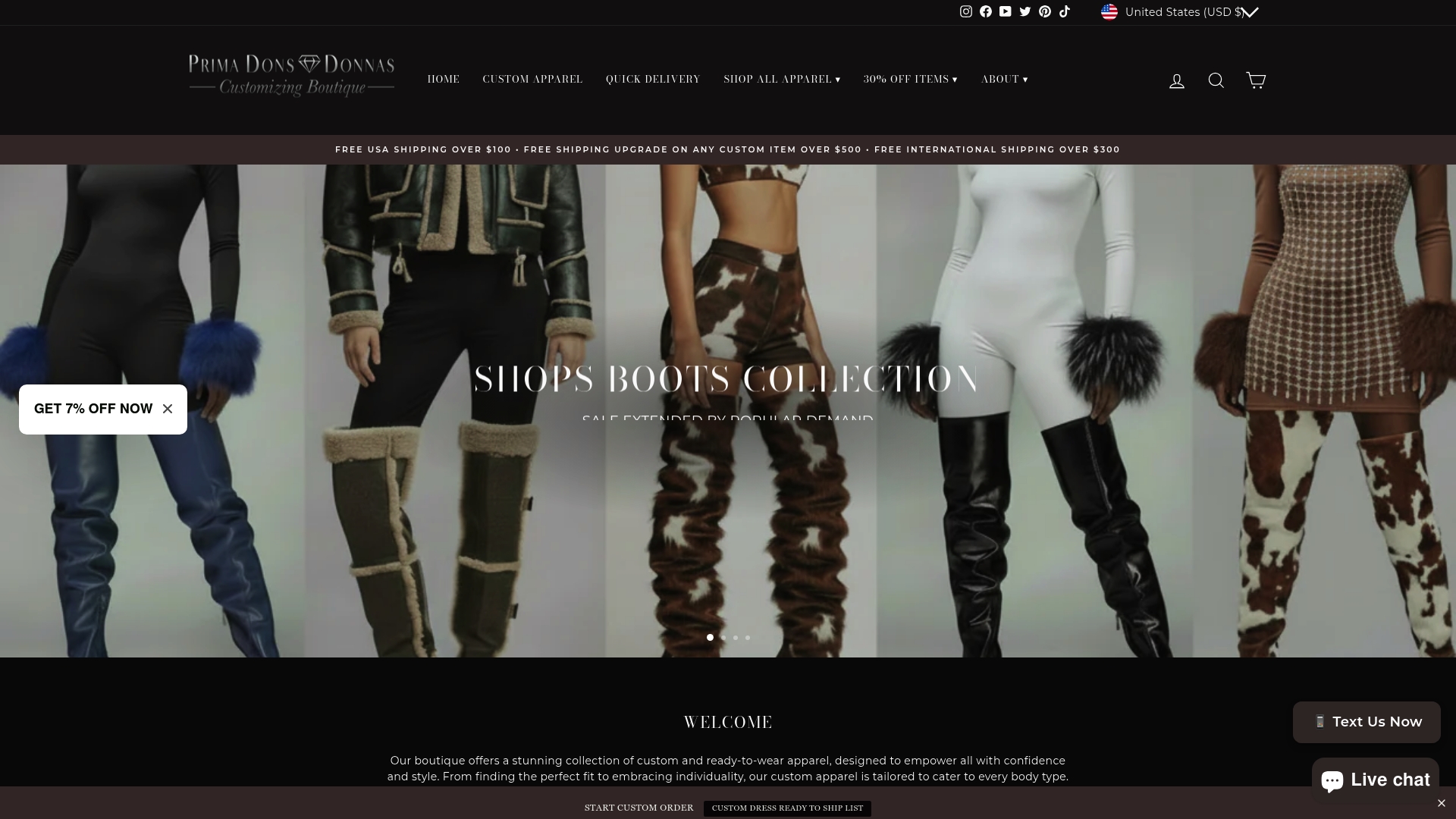
If your date is tight, our customization options page lists the add-ons: Express Shipping is $103, Rush Processing is $128, and Shipping Insurance and Signature Confirmation are $4 each. Leave time for break-in either way. A fast delivery does not replace a few weeks of wear.
For a full look, we also make dresses, two-piece sets, jumpsuits, outerwear and accessories to match your boots, plus plus-size apparel and wedding and prom pieces. Start at our main collections page.

Pack and care during the festival
The boots are chosen and broken in. Now pack for the weekend.
Carry:
- Spare moisture-wicking socks, at least one pair per day
- Blister bandages or moleskin, and petroleum jelly for rubbing spots
- Foot wipes or a small towel
- A second pair of comfortable footwear
Cleveland Clinic’s guidance is to wear moisture-wicking socks and change into a spare pair if your feet get sweaty, and to cover rubbing spots with a bandage or petroleum jelly. If a blister is not painful, generally do not pop it. A blister that is painful, large, or looks infected needs a medical professional, so find the first aid tent.
Rotate pairs on multi-day trips. Alternating between two pairs of footwear gives each pair time to air out and lets your feet experience different support structures. A glam pair for the headliners and a flatter, sturdier pair for the daytime works well.
After the festival: Air the boots out, wipe off dust or mud, let them dry away from direct heat, and stuff them with paper if they have a soft shaft. Store them upright.
When another type of footwear makes sense
Boots are not the answer to every ground. For a long day on uneven, soggy fields, hiking-style footwear gives a good balance of comfort and protection. If you are on a pavement-only city event or a hot day, a sandal with a secure strap may feel better. Pick the footwear that matches your plan, and use boots for the sets you want to look and feel your best in.
FAQ
What are the most comfortable boots for a music festival?
The most comfortable pair fits your foot, with a secure heel, a spacious toe box, a cushioned sole and a supportive shank. Cowboy, combat and platform styles all work if those boxes are checked. Comfort comes from fit and break-in more than from the style name.
How long should I break in festival boots?
Start two to four weeks before the event. Wear them indoors for about 30 minutes at a time, then build up to longer outings, and cover any rubbing spot with a bandage or moleskin. Wirecutter and Cleveland Clinic both recommend this slow approach.
Can I wear heels or platform boots all day at a festival?
Many people do, but heel height matters. Lower or adjustable heels are easier over a full day, and you should test the pair for several hours before you go. Bring a second, flatter pair in case your feet need a break.
What socks should I wear with festival boots?
Choose moisture-wicking, breathable socks without rough seams, and pack an extra pair. Fresh socks midday help keep feet dry and cut friction.
Can I get boots made to fit a wider calf or larger size?
Yes. We make boots to order in any size or color, and we offer plus-size options. Check our custom plus-size collection and send us your measurements when you order.
Sources
- Heel Pain, APMA
- Prescription Custom Orthotics and Shoe Inserts, APMA
- Boot scoot into the rodeo with comfort, Baylor College of Medicine
- Best Ways to Prevent and Treat Feet Blisters, Cleveland Clinic
- How to Properly Break In Shoes, Wirecutter
- Wirecutter hiking boot review
- Glastonbury 2025: festival-goers urged not to wear wellies, indy100
- 18 Best Shoes for Outdoor Festivals in 2026, Esquire
- Rave Shoe Guide, Freedom Rave Wear


Leave a comment