

How to Keep Thigh High Boots Up: DIY Fixes That Work
The two most reliable ways to keep thigh high boots up are a mechanical hold (a “boot bra” elastic loop) and skin-safe fashion adhesives. Both work all day. Both are easy to set up before you walk out the door.
Start here: Textured tights or leggings add instant friction with zero prep. Fashion tape or fashion glue holds the boot top directly to skin. A boot bra elastic loop gives you a non-adhesive, all-day mechanical hold. Try one of these first before anything more involved.
Quick picks by situation:
- Cold weather or layered looks: Textured or woolly tights under the boot
- Bare-leg wear: Fashion tape or fashion glue applied to clean, dry skin
- All-day events or special occasions: DIY boot bra with elastic and hook-and-loop fastener
- Temporary fix right now: Elasticated hair tie looped around boot top and thigh
Safety note: Never apply adhesives to delicate fabrics like suede or patent leather without testing a hidden area first. Adhesives can stain or damage fragile materials.
Key Takeaways
Mechanical holds and skin-safe adhesives are the two most reliable ways to keep thigh-high boots up, with layering and proper fit as the strongest long-term foundations.
| Point | Details |
|---|---|
| Start with layering | Textured or woolly tights add instant friction and require no prep or products. |
| Adhesives need clean skin | Fashion tape and fashion glue only bond reliably to clean, oil-free skin — skip moisturizer on the contact area. |
| Boot bra for all-day hold | An elastic loop positioned 1/2"–1" below the boot top gives a mechanical hold that lasts all day without adhesives. |
| Avoid risky shortcuts | Household glues, magnets, and excessive safety pins can permanently damage boots and irritate skin. |
| Custom fit ends the problem | Primadonsanddonnas made-to-order thigh-high boots are built to your exact measurements, eliminating slippage at the source. |
Table of Contents
- How do you keep thigh high boots from falling down every day?
- How to build a DIY boot bra at home
- What ready-made accessories actually keep boots in place?
- When should you consider tailoring or custom boots?
- Hacks to avoid and fabric-care warnings
- Does moisturizer make thigh high boots slip more?
- My quick action plan for keeping boots up
- Custom thigh-high boots that fit from the start
- Sources
- FAQ
How do you keep thigh high boots from falling down every day?
No sewing, no special tools. These fixes work on any boot, any day.
Layering for friction
Textured tights and leggings are the easiest starting point. Woolly or ribbed tights grip the boot lining far better than smooth nylon hosiery, which acts almost like a slip-and-slide inside the shaft. Leggings work the same way. Sock liners tucked inside the boot add a second friction point at the calf. In cold weather, this approach also layers warmth, so it’s a two-for-one.
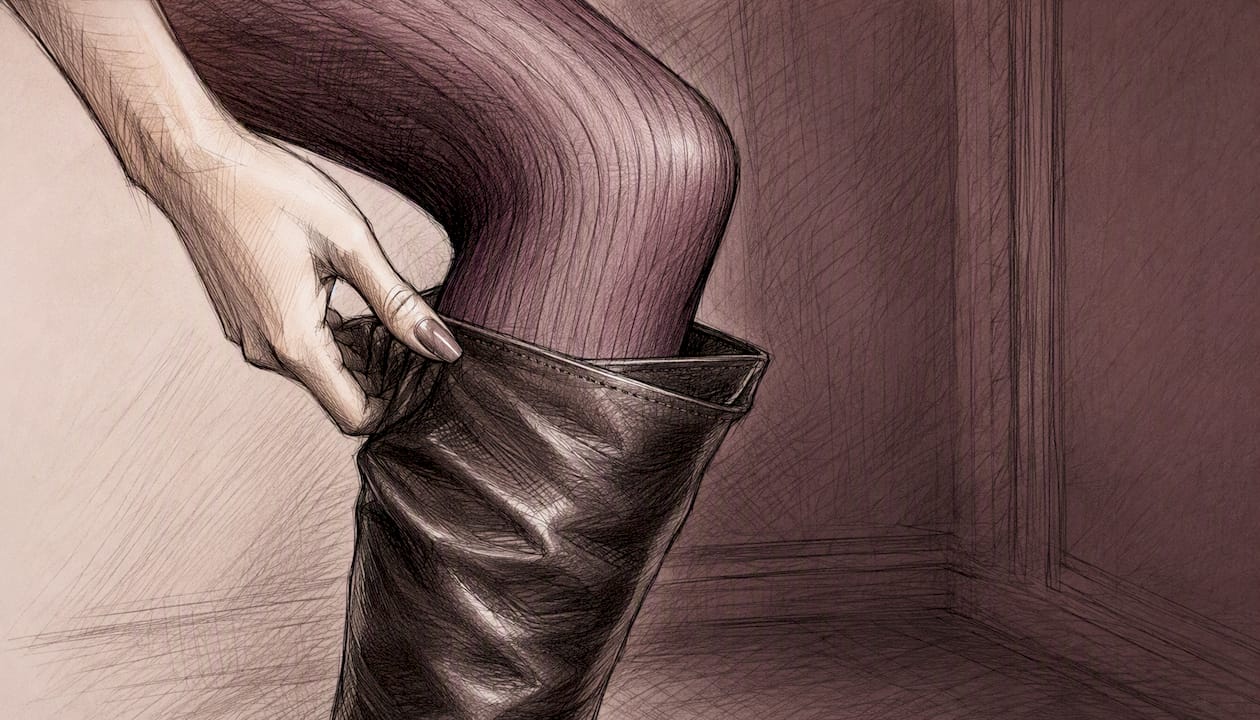
Smooth, silky tights are the enemy here. If you’re already wearing them and your boots keep sliding, that’s likely the cause.
Adhesive options
Fashion glue and fashion tape both work well when applied correctly. The key is clean, oil-free skin. Wipe the area with a gentle toner or micellar water, let it dry completely, then apply. Fashion glue needs about 10 seconds to set before you press the boot top against it. Fashion tape is faster — peel, stick, press. Both hold for several hours of normal wear.
Removal: warm water and a gentle cleanser dissolve most fashion adhesives without irritation. Never pull the boot away sharply.
Temporary mechanical hacks
- Elasticated hair tie: Loop it around your thigh just above the boot top, then fold the boot cuff down over it. Instant grip.
- Safety pins: Pin the boot lining to a layer underneath. Use small pins and test the fabric first — pins can snag or tear thin materials.
- Double-sided tape: Works on the boot’s inner edge against skin or tights. Shorter wear time than fashion tape but fine for a few hours.
Materials to buy for quick fixes: fashion tape strips, fashion glue (body-safe formula), textured tights, small elasticated hair ties.
Pro Tip: Test any adhesive on a small patch of skin or fabric for 10 minutes before committing to a full application. Reactions and staining are rare but much easier to catch early.
How to build a DIY boot bra at home
A boot bra is an elastic loop that sits just inside the boot top and connects to a thigh band, holding the boot up mechanically. No adhesive, no slipping. According to WikiHow’s over-the-knee boot guide, the elastic should sit about 1/2" to 1" below the desired boot height for the best hold.
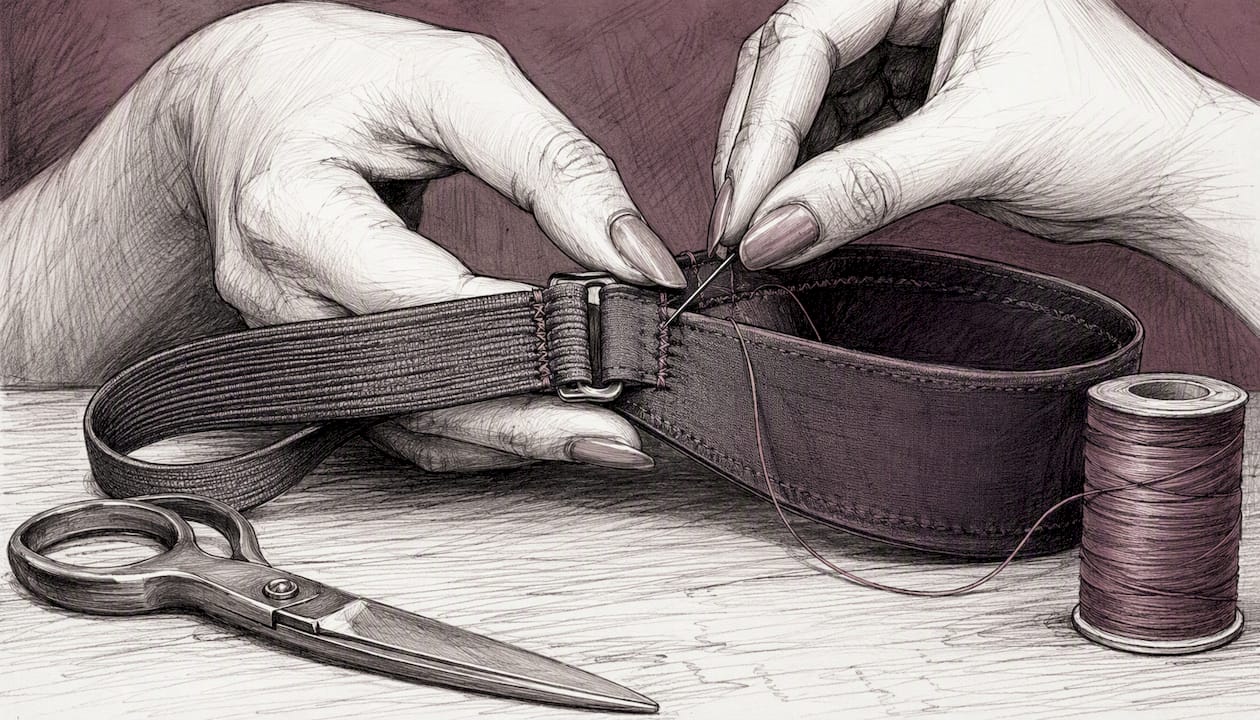
Why it works
The boot bra transfers the weight of the shaft to your thigh rather than relying on friction alone. It suits structured leather and faux leather boots best. Stretchy knit boots may not need it, but they benefit from it too.
Materials list
- Soft elastic band, 1"–1.5" wide (enough to wrap your thigh comfortably, plus 2" overlap)
- Hook-and-loop fastener (Velcro), 2" strip
- Fabric glue or needle and thread
- Measuring tape
- Scissors
Step-by-step instructions
- Measure your thigh. Wrap the measuring tape around the fullest part of your thigh where the boot top sits. Note the measurement.
- Cut the elastic. Subtract 1"–2" from your thigh measurement for a snug but comfortable fit. Cut the elastic to that length.
- Attach the hook-and-loop. Sew or glue the hook side of the Velcro to one end of the elastic and the loop side to the other. This creates an adjustable closure.
- Position inside the boot. Place the elastic band inside the boot top, 1/2"–1" below the upper edge. Tack it lightly with fabric glue or a few hand stitches to hold it in place during wear.
- Fit test at home. Put the boot on, fasten the elastic around your thigh, and walk around for 10 minutes. The boot top should stay put without pinching.
- Adjust as needed. If it slips, tighten the elastic by 5mm at a time. If it pinches, add 5mm–10mm.
Pro Tip: Use fabric glue for a removable attachment so you can transfer the boot bra to a different pair. Stitching is more permanent but more secure for heavy or tall boots.
What ready-made accessories actually keep boots in place?
If DIY isn’t your thing, off-the-shelf products do the job well. Boot-specific silicone grip strips, boot garters, and adhesive boot strips are all designed to protect skin while improving hold.
Shopping checklist
- Silicone grip strips: Stick to the boot’s inner edge; reusable and skin-safe. Look for medical-grade silicone.
- Boot garters: Elastic straps that clip from boot top to a thigh band or garter belt. Great for structured boots and special-occasion looks.
- Adhesive boot strips: Single-use strips similar to fashion tape but cut specifically for boot widths.
- Boot clips: Metal or plastic clips that attach the boot shaft to hosiery or leggings.
When choosing between adhesive and mechanical options: adhesives work best for bare-leg wear; mechanical accessories (garters, clips) work better over tights or leggings where adhesives won’t bond.
Pro Tip: If you wear wide-calf or plus-size boots, check that garters and thigh bands come in extended sizes before ordering. Always check the return policy on adhesive strips — they’re often non-returnable once opened.
When should you consider tailoring or custom boots?
Quick fixes handle most slippage. But if your boots slide down within an hour regardless of what you try, the fit itself is the problem.
Fit checklist
- Can you fit more than two fingers between the boot shaft and your calf? Too loose.
- Does the boot top gap away from your thigh when you sit or bend? Too wide at the thigh.
- Does the boot slide down more than 1" during a 10-minute walk? The shaft is too long or too wide for your leg.
Common professional alterations
- Insert elastic at the boot top: A cobbler or seamstress removes the old elastic, creates a fabric tunnel, and inserts shorter elastic for a tighter fit. This is the most common repair.
- Add internal grip tape or silicone lining: A cobbler bonds grip material to the inner shaft.
- Reduce shaft circumference: A seamstress takes in the back seam to narrow the fit.
Minor alterations typically run $20–$60 depending on the repair and your location. Custom-made boots cost more upfront but eliminate the problem entirely because they’re built to your exact measurements.
Primadonsanddonnas offers made-to-order thigh-high boots in wide-calf and plus-size options, matched to your individual thigh and calf measurements. For persistent slippage, that’s the cleanest long-term fix.
Pro Tip: Try one small alteration plus a silicone grip strip before replacing the boots entirely. That combination solves most fit issues for under $30.
Hacks to avoid and fabric-care warnings
Some popular shortcuts cause real damage. Skip these.
- Household glues (super glue, craft glue): Not skin-safe, bond permanently to fabric, and can crack or discolor leather and suede.
- Magnets: Can scratch metal hardware and interfere with phones and cards in your bag.
- Excessive safety pins: Multiple pins stress the fabric and create small tears over time, especially in stretch materials.
- Rubber bands: Cut off circulation if worn too tight and leave marks on skin and fabric.
Skin and fabric care
For adhesives: prep skin with a gentle cleanser, skip moisturizer on the area where the adhesive will sit, and remove with warm water. Never peel adhesive off dry skin.
For suede: avoid all adhesives directly on the material. Use only mechanical holds (garters, clips, elastic bands) on suede boots. Adhesives lift the nap and leave permanent marks. Patent leather is similarly vulnerable to tape residue.
Before wearing boots all day with any new fix: Test at home for 30 minutes first. Walk, sit, and climb stairs. A solution that feels fine standing still may pinch or slip under real movement. Gradual testing prevents skin irritation, fabric damage, and a ruined outfit.
Does moisturizer make thigh high boots slip more?
Yes, it does. Moisturized skin is smooth and slightly slick, which reduces the friction the boot shaft needs to stay in place. This is one of the most overlooked reasons boots slide down, especially in warmer months when people apply body lotion more liberally.
The fix is straightforward. Apply moisturizer to your legs as normal, then wait until it’s fully absorbed before putting the boots on. If you’re in a hurry, blot the thigh area with a dry cloth before pulling the boot up. A light dusting of translucent setting powder on the skin where the boot top sits adds grip without feeling heavy.
The same logic applies to clothing. Smooth, slippery fabrics like satin-finish leggings or silky tights reduce friction between your leg and the boot lining. Switching to matte or textured fabrics makes a noticeable difference. Suede and textured leather boots naturally grip skin and fabric better than patent or very smooth synthetic materials, so material choice at the point of purchase matters too.
My quick action plan for keeping boots up
The most common mistake is reaching for the most complicated fix first. Start simple.
For most situations, textured tights plus a strip of fashion tape at the boot top handles the problem in under five minutes. That combination covers friction and adhesion at the same time. If that holds for a full day of wear, you’re done.
If it doesn’t, build the boot bra described above. It takes about 20 minutes the first time and works for any boot style. Test it at home for an hour before wearing it out.
For special occasions, concerts, or events where you’ll be on your feet for hours, a boot bra plus silicone grip strips inside the shaft is the most reliable combination. Plus-size and wide-calf fits deserve extra attention here. Standard accessories often run small, and a boot that’s already slightly loose needs a more secure mechanical hold, not just tape.
When nothing else works consistently, the boot doesn’t fit. That’s when tailoring or a custom pair makes sense.
Custom thigh-high boots that fit from the start
Every DIY fix in this article solves a symptom. A boot built to your measurements solves the cause.
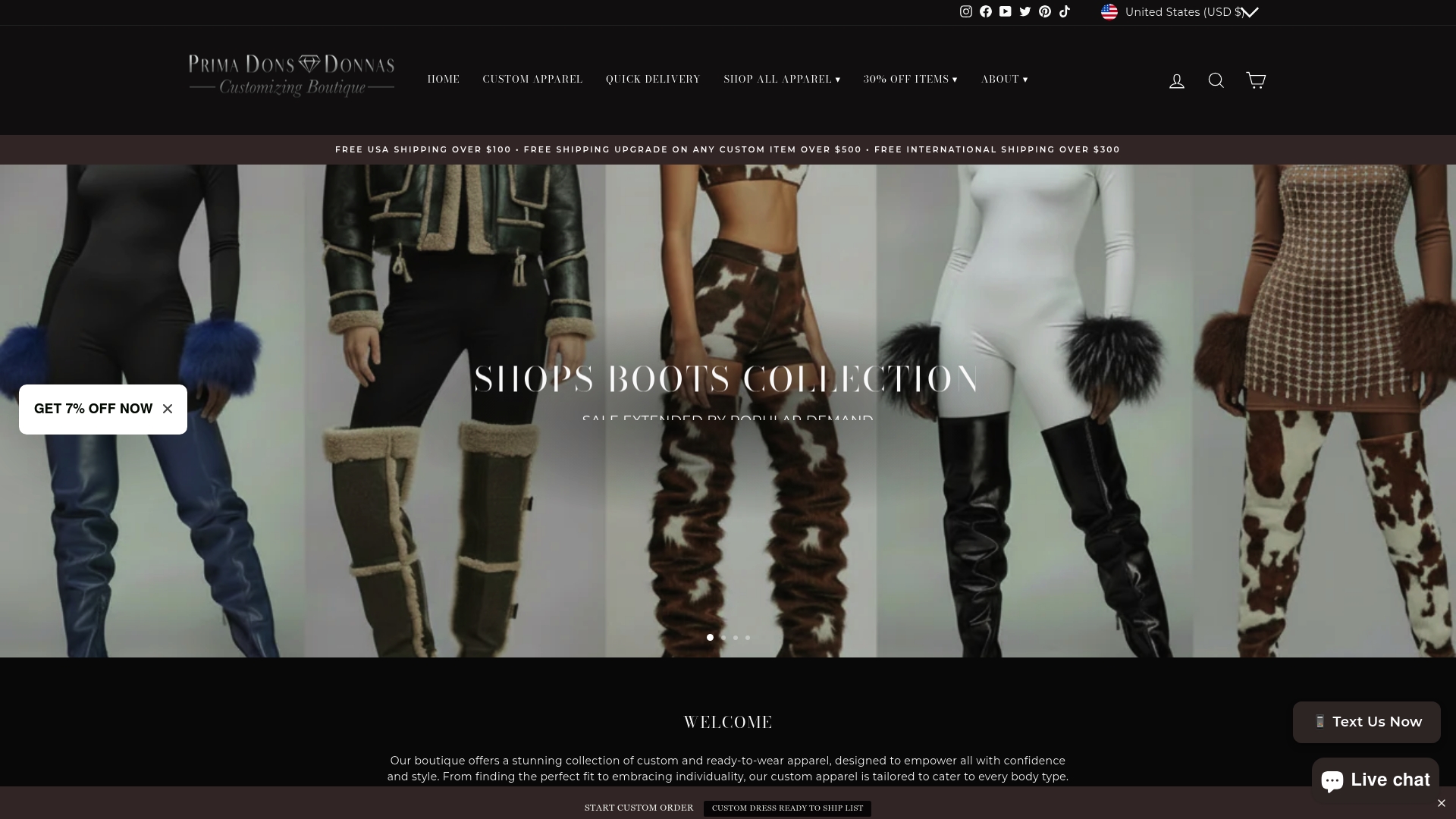
Primadonsanddonnas makes thigh-high boots to order in any size, color, and calf width — including wide-calf and plus-size fits that standard retailers don’t stock. Each pair is matched to your thigh and calf measurements, so the shaft stays up because it was made for your leg, not adjusted after the fact. Built-in grip lining and precise shaft height mean you skip the tape, the elastic loops, and the mid-event adjustments.
Pair your boots with a look from the made-to-order dress collection for parties, concerts, or special occasions. Ready-to-ship options are also available for faster delivery.
Browse the custom boot collection at Primadonsanddonnas and submit your measurements to get started.
Sources
- How to Keep Thigh High Boots from Slouching
- How to Keep Your Knee High Boots Up | shoezone Blog
- Thigh-Highs Slouching? Here’s How to Keep Over-the-Knee Boots Up | Upstyle
FAQ
How do I keep my thigh highs from falling down?
Start with textured tights for friction, then add fashion tape or a boot bra elastic loop for extra hold. A combination of layering and one adhesive or mechanical fix handles most slippage.
What can I use to keep my boots up?
Fashion tape, fashion glue, silicone grip strips, boot garters, and DIY elastic boot bras all work. Choose adhesives for bare-leg wear and mechanical options (garters, clips) when wearing tights or leggings.
What holds thigh highs up without adhesive?
A boot bra — an elastic loop attached inside the boot top with hook-and-loop fastener — provides a reliable all-day hold with no adhesive. Textured tights and boot garters are also effective non-adhesive options.
How do I stop my boots from falling down for good?
If repeated fixes don’t hold, the boot shaft is too wide or too long for your leg. Professional alterations (inserting elastic, reducing shaft circumference) or custom-made boots built to your measurements are the permanent solution.
Recommended
- Thigh-High Boots That Actually Fit | Wide Calf & Plus Size – Prima Dons & Donnas
- Custom Made Thigh High Boots: Why Off-the-Rack Will Never Compare – Prima Dons & Donnas
- Thigh High Stiletto Boots: The Ultimate Statement Piece – Prima Dons & Donnas
- Stunning Thigh High Boots for Ultimate Glamour | Prima Dons & Donnas


Leave a comment