

Made to Order vs Ready to Wear: Which Fits Your Wardrobe?
Choose ready-to-wear when you need something fast and affordable. Choose made-to-order when fit, customization, and exclusivity matter more than speed. Ready-to-wear ships in days off a rack of standard sizes; made-to-order typically takes a few weeks because your garment isn’t cut until you place the order, which also means less overproduction and fewer unsold pieces sitting in a warehouse.
The trade-off comes down to what you’re willing to wait for. Ready-to-wear wins on convenience and price, but you’re picking from someone else’s proportions and someone else’s leftover inventory. Made-to-order costs more and takes longer, but you get a garment built around your measurements, your color choice, and your occasion. Prima Dons and Donnas runs both models side by side: made-to-order pieces in any size or color, plus ready-to-ship options for shoppers who need something in hand this week.
- Pick ready-to-wear if: you need it within days, you fit standard sizing well, or budget is the top priority.
- Pick made-to-order if: you want a precise fit, plus-size options that actually flatter, or a piece nobody else at the party will be wearing.
- Pick ready-to-ship if: you want the speed of RTW with a design closer to what a custom brand offers.
Key Takeaways
Made-to-order wins on fit, customization, and reduced waste, while ready-to-wear wins on speed and upfront cost.
| Point | Details |
|---|---|
| Match model to timeline | Choose RTW or ready-to-ship if your event is under two weeks away; choose MTO if you have three or more weeks. |
| Fit improves with MTO | Custom measurements and pattern adjustments solve fit issues that standard size grading, especially for plus sizes, often can’t. |
| Expect a price premium | Made-to-order costs more due to individual materials, labor, and fittings rather than bulk production. |
| Sustainability favors made-to-order | Producing only after an order is placed reduces overproduction and unsold inventory risk compared with RTW. |
| Prima Dons and Donnas offers both | Made-to-order pieces in any size or color, plus ready-to-ship options for shoppers who need speed. |
Table of Contents
- Made to Order vs Ready to Wear: What Each Term Actually Means
- How Fit and Customization Differ Between the Two
- What Drives the Cost and Wait Time for Each
- The Sustainability Trade-Off Between MTO and RTW
- A Simple Checklist for Choosing Between the Two
- Prima Dons and Donnas’ Made-to-Order Process, Step by Step
- Where Made to Order and Ready to Wear Came From
- How Technology Has Changed Both Production Models
- Quality and Materials: What Actually Differs
- Do Custom Clothes Hold Their Value Longer?
- What Actually Matters When You’re Choosing
- Ready to Order From Prima Dons and Donnas?
- Sources
- FAQ
Made to Order vs Ready to Wear: What Each Term Actually Means
The fashion industry uses several terms that sound similar but describe very different production models. Knowing the difference helps you understand what you’re actually paying for.
- Ready-to-wear (RTW) is manufactured in bulk, in standard sizes, before any customer places an order. It sits in inventory until someone buys it, which is why it ships fast but also why unsold stock becomes a markdown problem.
- Made-to-order (MTO) is cut and sewn only after you order it. Nothing exists until your purchase triggers production, which is what reduces overproduction and inventory risk compared with RTW.
- Made-to-measure starts from an existing pattern or sample, then adjusts it to your measurements. It’s a middle ground: more personal than RTW, faster than full bespoke.
- Bespoke starts from scratch with a pattern drafted entirely around one person, usually across multiple fittings.
Most shoppers researching “made to order vs ready to wear” are really deciding between RTW and MTO, since bespoke tailoring is rare outside menswear suiting and formalwear. Prima Dons and Donnas’ made-to-order approach sits closer to made-to-measure in practice: real customization, without the months-long bespoke timeline.
How Fit and Customization Differ Between the Two
Fit is where the two models diverge the most. Ready-to-wear is built for an average body shape scaled up and down across a size run, so if your proportions don’t match that curve, something will pull, gap, or ride up no matter which size you grab.
Made-to-order starts with your actual measurements. Instead of guessing between a size 14 and a size 16, you provide numbers, and the pattern adjusts to fit those numbers specifically. That process opens up design choices RTW simply can’t offer:
- Custom fabric and lining selection instead of one fixed option
- Silhouette tweaks like a raised hemline, added sleeves, or a modified neckline
- Color changes to match a wedding palette or a personal brand
- Sizing that accounts for posture, torso length, or a fuller bust or hip without forcing a compromise elsewhere
Ready-to-wear still works well for straightforward pieces on people with fairly standard proportions, like a basic T-shirt dress or a blazer with a forgiving cut. Where RTW tends to fall short is anything fitted, anything plus-size where grading gets inconsistent, or anything for a specific event where you need the dress to look intentional, not adjusted.
Pro Tip: Before ordering made-to-order, measure yourself in the same undergarments and shoes you’ll wear with the finished piece. A half-inch difference at the waist can change how a fitted silhouette sits.
What Drives the Cost and Wait Time for Each
Made-to-order costs more because nothing about it happens at scale. A factory cutting 500 identical dresses pays less per yard and per labor hour than a maker cutting one dress to one person’s measurements. Add fabric selection, individual pattern work, and sometimes a fitting or revision round, and the price difference makes sense.
Several factors drive that cost:
- Materials: custom fabric sourcing, especially sustainable options like faux fur, costs more per unit than bulk textile orders.
- Labor: hand-finished seams, individual pattern grading, and quality control on a single piece take longer than a production line.
- Fittings: any adjustment round adds time and, sometimes, added cost.
- Shipping: custom orders often ship separately rather than in bulk freight batches.
On timing, many made-to-measure brands report delivery windows of a few weeks, with full bespoke taking longer due to multiple fittings. Ready-to-wear, by contrast, ships within days since the garment already exists. Most made-to-order sellers, including Prima Dons and Donnas, ask for payment upfront rather than on delivery, which helps fund the materials and labor before the piece is cut. Return policies also tend to be stricter on custom pieces since they can’t be restocked and resold.
The Sustainability Trade-Off Between MTO and RTW
Ready-to-wear’s biggest hidden cost isn’t on the price tag. It’s the unsold inventory. Brands producing in bulk have to guess at demand, and when they guess wrong, the result is markdown racks, outlet dumping, or worse, landfill.
Made-to-order sidesteps that problem structurally: nothing gets cut until a customer commits to buying it, which eliminates the guesswork of forecasting demand months in advance. That doesn’t mean every MTO piece is automatically the greener choice. A custom garment made from cheap synthetic fabric that falls apart in a year isn’t more sustainable just because it was made to order. Material quality and repairability matter as much as production timing.
Custom clothing also changes how people shop. Buyers who choose a garment intentionally, picking the fabric and the fit themselves, tend to treat that piece as a considered purchase rather than an impulse buy, which naturally slows down the buy-wear-discard cycle that fast fashion runs on.
A Simple Checklist for Choosing Between the Two
Run through these questions before you commit:
- What’s your timeline? If your event is in five days, ready-to-ship or RTW is your only realistic option. If you have three or more weeks, made-to-order opens up.
- What’s your budget ceiling? RTW almost always wins on upfront price. MTO costs more but you’re paying for fit and fewer future alterations.
- How much does fit matter for this specific piece? A casual top can tolerate an imperfect fit. A wedding gown or a fitted rhinestone dress cannot.
- Does the occasion call for something unique? Concerts and parties often reward a standout piece; a work lunch might not need one.
- Do you care about overproduction and waste? If sustainability weighs into your decision, MTO’s built-to-order model has a structural advantage.
A few real scenarios: a bride wants a gown that fits her exactly and won’t show up on anyone else’s feed, so made-to-order is the clear call. A shopper building a work capsule wardrobe on a deadline probably leans RTW or ready-to-ship. Someone invited to a party in four days needs speed, so ready-to-ship bridges the gap between the two. A plus-size shopper who’s struggled with inconsistent RTW grading across brands often gets better results from made-to-order sizing built around her actual numbers.
Before you buy from any maker, ask three things: What’s the actual lead time, not the marketed one? What happens if the fit needs adjusting after delivery? And is the fabric sourced responsibly, or is “custom” just marketing on top of cheap material?
Prima Dons and Donnas’ Made-to-Order Process, Step by Step
Ordering made-to-order shouldn’t feel like a mystery. At Prima Dons and Donnas, the process runs in a few clear stages: you select a style and share your measurements or custom requests, production begins once your order and details are confirmed, and the finished piece ships to you. For shoppers who need something faster, ready-to-ship options skip the production wait entirely.
- Custom sizing available in any size, including extended plus-size ranges
- Special-occasion pieces for weddings, birthdays, photoshoots, and maternity
- Sustainable faux fur options for shoppers who want statement pieces without animal materials
- Rhinestone dresses, boots, hats, and accessories built to match a specific look, not a generic size chart
Customers who help shape a design, choosing the fabric, the color, the fit, tend to feel more attached to the finished piece and treat it as a considered purchase rather than something grabbed off a rack.
Pro Tip: If you’re ordering for a specific date, ask about current lead times before checkout. Complex pieces like structured outerwear or fully beaded gowns take longer than a simple slip dress.
Where Made to Order and Ready to Wear Came From
Ready-to-wear as a mass phenomenon is younger than most people assume. Before the mid-1800s, nearly all clothing was made to order by necessity. Home sewing, local dressmakers, and tailors built garments piece by piece because standardized sizing didn’t exist yet.
The shift started with the sewing machine in the 1850s and accelerated during the Civil War, when the U.S. Army needed uniforms in bulk and fast, which forced the industry to develop standardized sizing based on soldier measurements. That sizing system eventually spread into civilian clothing, and by the early 1900s, department stores were selling off-the-rack garments as a middle-class convenience.
Ready-to-wear exploded after World War II, when factory production scaled globally and fast fashion eventually pushed prices down further by manufacturing overseas in bulk. Made-to-order and bespoke tailoring didn’t disappear, but they became associated with luxury and formalwear rather than everyday shopping.
What’s interesting is the current swing back. As shoppers grow frustrated with inconsistent sizing across mass-market brands and inconsistent quality from fast fashion, made-to-order is regaining ground, not as a luxury throwback, but as a practical fix for fit problems RTW never solved for a large share of shoppers, especially plus-size customers who’ve been underserved by standard grading for decades.
How Technology Has Changed Both Production Models
Digital tools have narrowed the gap between the speed of ready-to-wear and the precision of made-to-order. Where custom tailoring once required an in-person visit and a tape measure, many brands now let customers submit measurements online, sometimes guided by a fit questionnaire or a size chart calibrated to real customer data rather than industry-standard averages.
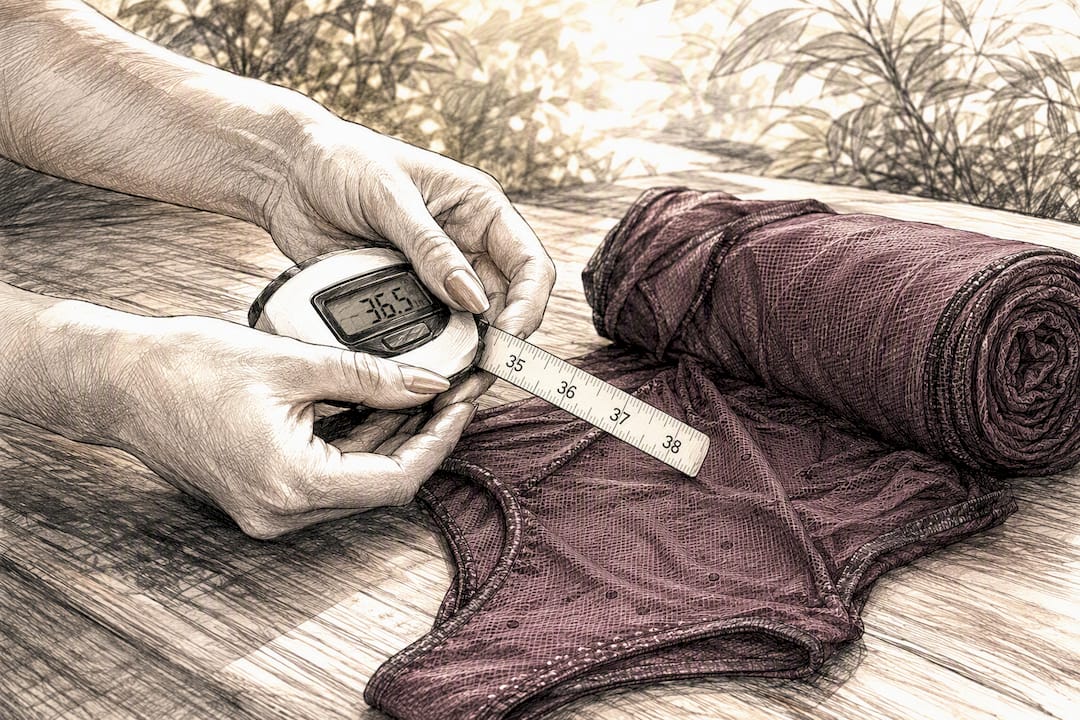
3D body scanning is starting to show up in higher-end made-to-measure services, letting a scan capture dozens of measurement points in seconds instead of a tailor working through each one by hand. That technology is still more common in menswear suiting than in womenswear, but it’s spreading. Digital pattern-making software has also cut down the time it takes to adjust a base pattern to a new set of measurements, which is part of why made-to-order timelines have gotten shorter over the past decade rather than longer.
On the ready-to-wear side, technology has mostly gone toward speed and forecasting: predictive analytics trying to guess what will sell before it’s produced, and rapid manufacturing turning trend cycles into weeks instead of seasons. That’s improved RTW’s responsiveness, but it hasn’t solved its core limitation. A predictive algorithm can guess your size bracket. It can’t measure your actual body.
For made-to-order sellers, the practical upside of this technology is fewer round-trip corrections. A well-built online measurement process, paired with clear instructions on how to take those measurements accurately, gets a lot closer to a proper fit on the first attempt than older mail-order custom tailoring ever managed.
Quality and Materials: What Actually Differs
The material difference between the two models often matters more than shoppers expect. Ready-to-wear brands producing at scale negotiate fabric costs down by buying in bulk, and that pressure frequently pushes toward cheaper synthetic blends, thinner linings, and simplified construction that can be assembled quickly on a production line.
Made-to-order production doesn’t face the same bulk-cost pressure, since each piece is cut individually. That often means access to better fabric choices and construction methods that would be too slow or too expensive to run at RTW volume. Higher-quality materials and construction in custom-made garments tend to reduce how often you need to replace or repair a piece compared with lower-quality mass production.
Construction details tell the same story. Stitch density, seam finishing, and the attention paid to stress points like zippers and waistbands tend to get more individual care on a single custom garment than on a piece coming off a line producing hundreds per hour. Tailors who specialize in custom construction consistently point to these details as the reason a well-made custom piece holds up longer than an equivalent off-the-rack item.
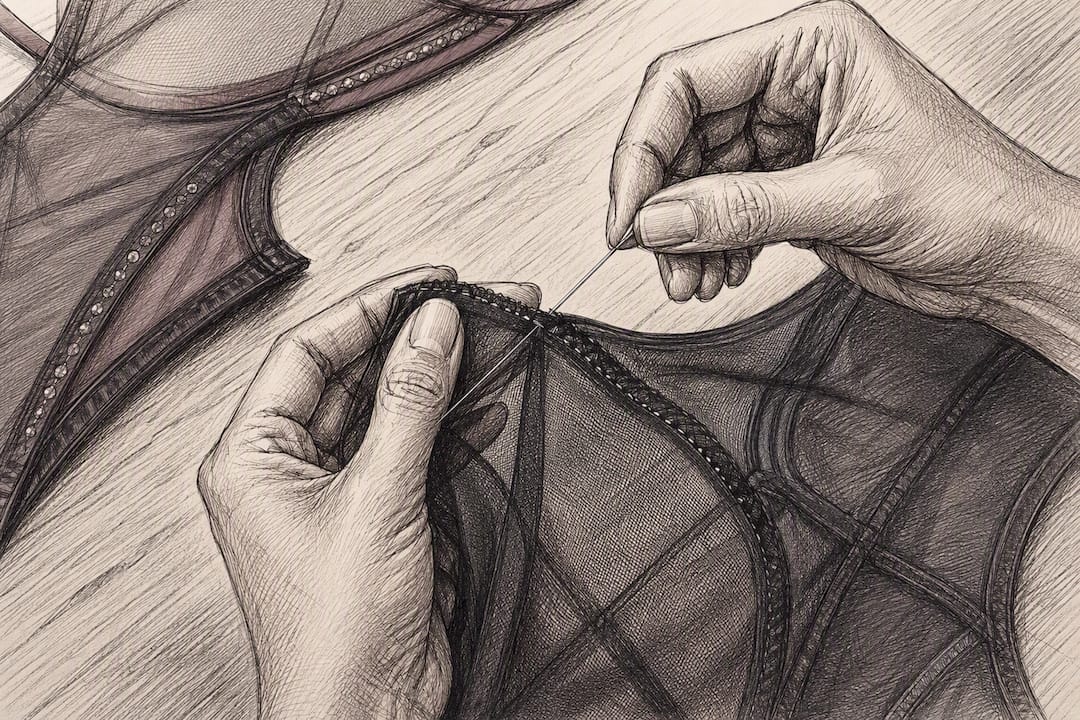
None of this means every RTW garment is poorly made or every MTO piece is flawless. Quality still depends on the specific maker. But the structural incentive is different: RTW is optimized to hit a price point at volume, while made-to-order is optimized around getting one specific piece right.
Do Custom Clothes Hold Their Value Longer?
Resale markets treat made-to-order and ready-to-wear very differently, and not always in the direction shoppers expect. Because a made-to-order piece is built to one person’s measurements, it’s genuinely harder to resell to someone else, fit-wise. That’s a real limitation if you’re thinking about resale value in the traditional sense.
Where made-to-order wins is lifespan, not resale price. A garment built with better materials and stronger construction simply lasts longer in your own closet, which matters more than resale value for most everyday shoppers. If a dress fits well and holds up for years instead of falling apart after a handful of washes, you’re getting more wear per dollar spent even if you never sell it.
Ready-to-wear resells more easily on the secondhand market precisely because it’s standard sized. Anyone in that size bracket can buy it, which is part of why platforms built around used clothing lean heavily on major RTW brands. But that same mass availability keeps resale prices low. A basic RTW dress rarely holds meaningful value after a season or two, while a well-made custom piece from a specialty maker tends to become part of someone’s long-term rotation rather than something they flip.
The practical takeaway: if resale flexibility matters most to you, RTW is easier to move on. If cost-per-wear and longevity matter more, made-to-order tends to earn its higher price back over time.
What Actually Matters When You’re Choosing
Most guides frame made-to-order as the “premium” choice and ready-to-wear as the “practical” one, and that framing undersells both sides. Ready-to-wear isn’t a compromise, it’s the right answer for a huge share of purchases, especially anything casual or low-stakes where fit tolerance is wide.
Where conventional advice falls short is treating fit as secondary to price. For plus-size shoppers in particular, RTW’s standard grading has never worked consistently, and no amount of size-chart guessing fixes a pattern that wasn’t built with a range of real bodies in mind. That’s not a minor inconvenience, it’s the actual reason made-to-order exists as a category worth taking seriously rather than a luxury indulgence.
My honest read: prioritize timeline first, fit second, and price third, in that order. A perfect-fit dress that arrives after your event is useless. A cheap dress that fits badly wastes money whether it cost $40 or $400. Figure out your date, then decide whether the extra weeks made-to-order needs are actually available to you. If they are, and fit or exclusivity matters for the occasion, made-to-order is worth the wait. If they’re not, a good ready-to-ship option beats a rushed custom order every time.
— Latoya
Ready to Order From Prima Dons and Donnas?
Prima Dons and Donnas gives you both paths under one roof, so you’re not stuck choosing between a brand that only does mass-produced sizing and a custom tailor with a months-long waitlist. Every made-to-order piece is built to your measurements and available in any size or color, including sizing ranges that standard RTW brands consistently get wrong for plus-size shoppers.
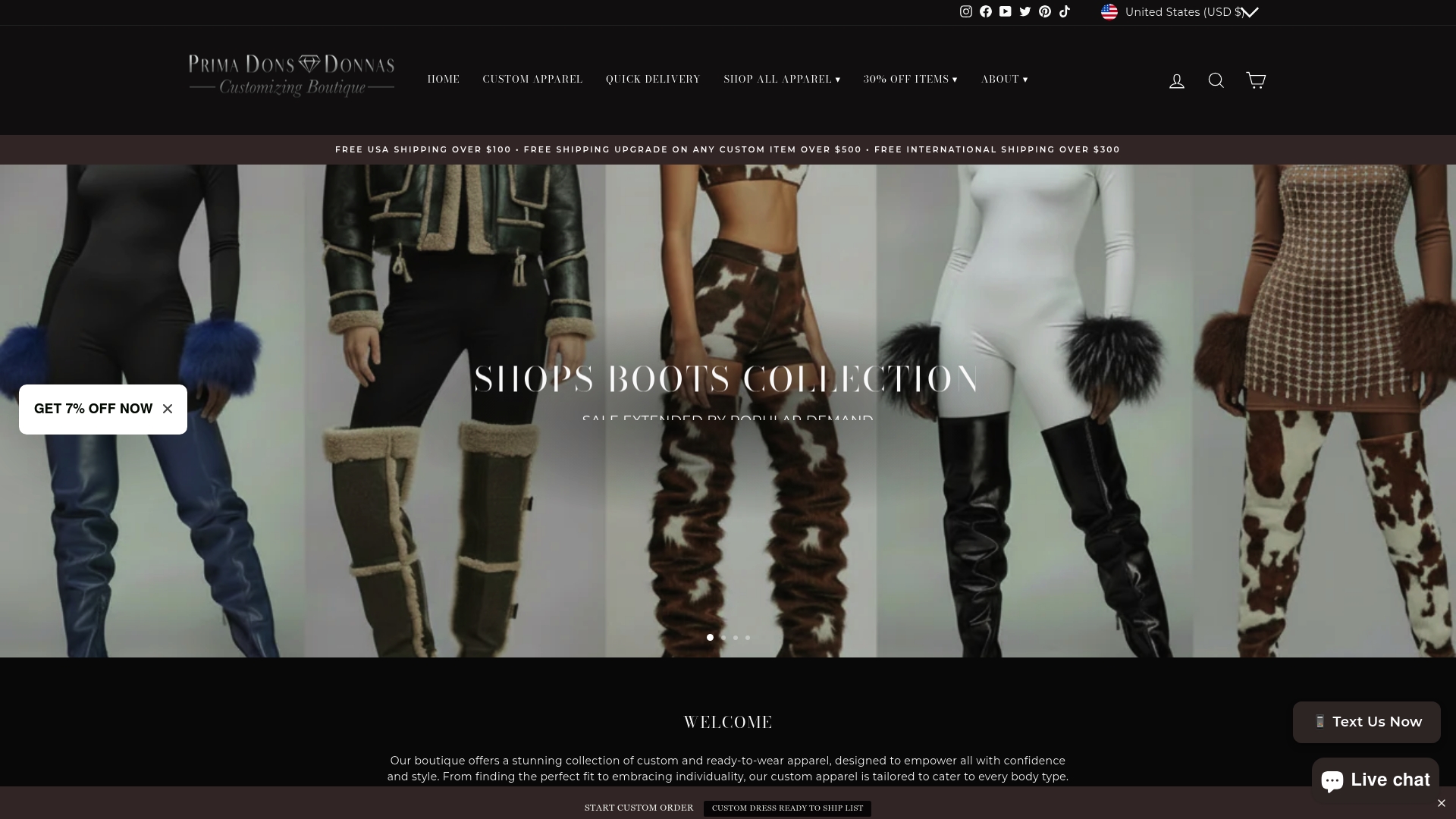
Whether you need a rhinestone dress for a concert, a custom gown for a wedding, or a faux fur coat for a special occasion, the made-to-order dress collection lets you choose your fit, fabric, and color before a single stitch is cut. If your timeline is tight, the ready-to-ship options get a bold, statement-making look to your door faster, no months-long wait required. Browse the custom outerwear collection for occasion-ready pieces, or head to the site now to check current lead times and start your order.
Sources
- Made-to-Order Garments vs Ready-to-Wear Apparel Options
- Why Custom-Made is Your Best Investment in 2026 | Harry Rosen
- Why Custom Clothing is Worth the Investment: Benefits, Quality & Long-Term Value
- 5 Benefits Of Having Custom Made Clothing | Why Tailored Clothes Are Awesome
FAQ
What Does It Mean When a Dress Is Made to Order?
A made-to-order dress isn’t cut or sewn until you place your order, and it’s often built to your specific measurements or design requests rather than a standard size chart.
What Does “Made to Order” Mean in General?
“Made to order” means a product is manufactured only after a customer commits to buying it, rather than being produced in bulk ahead of demand and held in inventory.
What’s the Difference Between Made to Order and Made to Measure?
Made-to-measure adjusts an existing pattern or sample to fit your body, while made-to-order can range from measurement based custom production to a fully personalized design, depending on the brand.
Is Made-to-Order More Expensive Than Ready-to-Wear?
Yes, typically. Made-to-order costs more because each piece uses individual materials, labor, and sometimes fittings, instead of the cost savings that come from producing garments in bulk.
How Long Does a Made-to-Order Item Take to Arrive?
Timelines vary by brand and garment complexity, but many made-to-measure pieces ship in roughly three to four weeks, while fully bespoke garments can take longer due to multiple fittings.
What Is the 3-3-3 Rule for Clothes?
The 3-3-3 rule is a wardrobe challenge where you build a small capsule using three tops, three bottoms, and three pairs of shoes (or similar categories) worn in rotation over a set period, often used to simplify closet choices rather than describe a production method.
Does Prima Dons and Donnas Offer Faster Delivery Options?
Yes. Alongside its made-to-order pieces, Prima Dons and Donnas offers ready-to-ship options for shoppers who need a special-occasion outfit or accessory delivered quickly.


Leave a comment