

Personalization in Photoshoot Attire: Your Style Guide
TL;DR:
- Personalization in photoshoot attire involves choosing clothing that reflects your unique body, style, and shoot goals. Wearing wardrobe items aligned with your identity enhances confidence and produces genuine images. Custom and eco-friendly clothing further support authenticity and ensure a perfect fit for every occasion.
Personalization in photoshoot attire is defined as the intentional process of selecting clothing that reflects your unique body, style, and the specific purpose of your shoot. The role of personalization in photoshoot attire goes far beyond picking a favorite outfit. It means aligning every garment choice with your identity, your shoot goals, and your audience, whether you are preparing for a wedding, a party event, a concert look, or a brand portrait session. Photographers recommend bringing 2–3 outfit changes per session to cover different platforms and moods. Custom clothing, eco-friendly fabrics, and made-to-measure options all count as forms of personalization, and they produce images that feel genuine rather than staged.
What is the role of personalization in photoshoot attire?
Personalized attire for photography works because clothing communicates before you say a word. Wardrobe planning is a brand clarity exercise that prioritizes communication goals over fashion trends. Every piece you wear sends a signal about who you are and what the image is meant to convey. Generic, trend-only outfits break that signal. Clothing chosen for your specific body, coloring, and shoot purpose strengthens it.
The industry term for this practice is wardrobe curation. It covers everything from silhouette selection and fabric choice to color coordination and accessory editing. Wardrobe curation is not about wearing expensive clothes. It is about wearing the right clothes for the right context.
Personalization also has a measurable effect on how you feel in front of the camera. Selecting clothes that reflect personal style leads to higher comfort and lower anxiety during shoots. Confidence reads directly in photographs. A subject who feels at ease in their clothing produces images that look natural and engaging rather than stiff and forced.
How do personalized clothing choices improve style and fit?
The fit of a garment is the single most important variable in photoshoot attire. A well-fitted piece flatters your body shape and keeps the viewer’s eye on your face and expression rather than on a pulling seam or a gap at the collar. Fit matters even more on camera because lenses compress and flatten, making loose or ill-fitting clothing look bulkier than it does in a mirror.
The anchor piece method
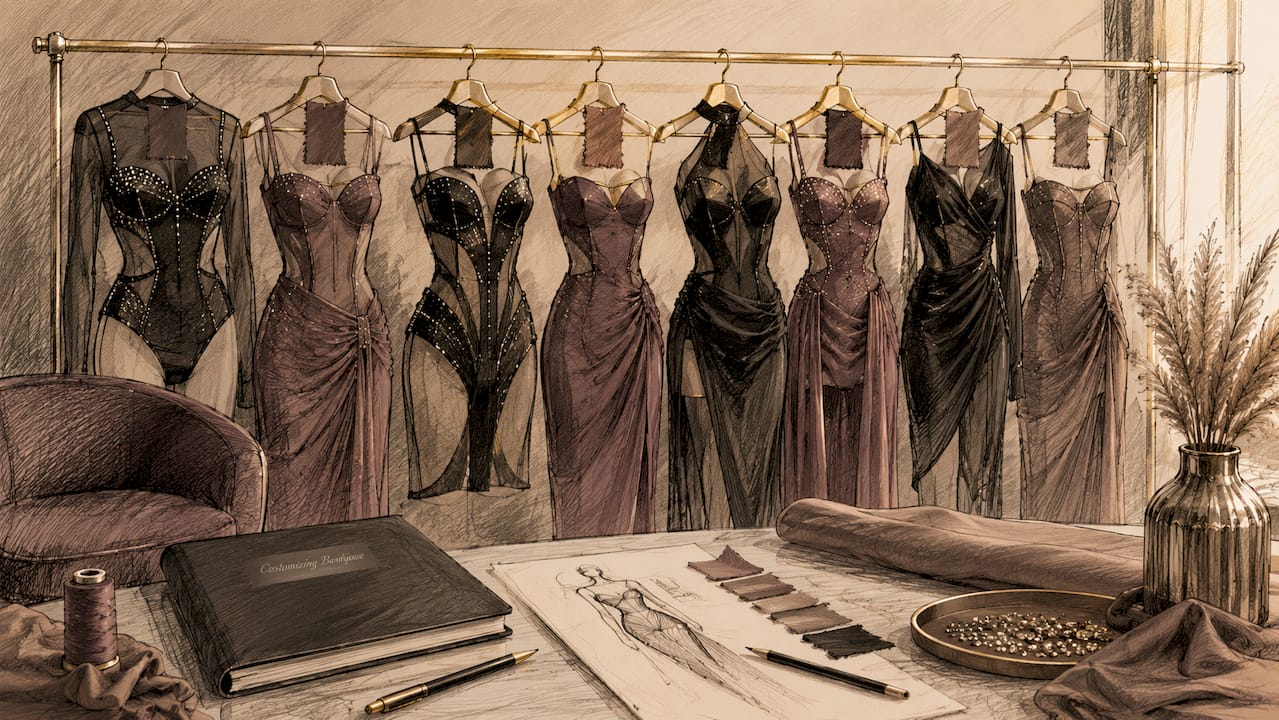
The anchor piece strategy builds each look around one high-quality, personally meaningful garment. You start with a piece you already love, perhaps a tailored blazer, a statement dress, or a custom coat, and build the rest of the outfit outward from there. This approach reduces planning stress and keeps every look grounded in your actual style rather than in what you think you should wear.
Patterns and fabric choices to avoid
- Micro-stripes, herringbone, and tight checks: Small repeating patterns cause moiré effects that create a visual buzz on camera sensors. Avoid them entirely in professional portrait sessions.
- Shiny synthetic fabrics: These reflect light unpredictably and can wash out detail in highlights.
- Stiff, unstructured fabrics: They hold wrinkles and crease badly under studio lighting.
- Overly busy prints: Large graphic prints compete with your face for attention in the frame.
Fabric texture adds depth and visual interest without the risk of moiré. Knits, velvet, faux fur, linen, and structured cotton all photograph well. Layering a textured piece over a solid base creates dimension that flat, single-layer outfits cannot achieve.
Pro Tip: Steam every garment on shoot day, not the night before. Camera sensors amplify folds and wrinkles that look minor in person but become distracting in a final image.
How does color palette coordination affect photoshoot results?
Color is the fastest way to create visual cohesion across multiple outfit changes without losing individual expression. A shared palette of 2–3 tones with varied textures keeps group photos and multi-look sessions feeling connected rather than chaotic. This principle applies equally to solo shoots where you want your images to work together across a website, social media feed, or portfolio.
Seasonal color and fabric alignment
Matching your palette and fabric weight to the season adds authenticity that viewers register even if they cannot name it. A linen dress in ivory reads as summer. A faux fur coat in deep burgundy reads as fall or winter. That seasonal alignment makes images feel current and intentional.
- Spring: Soft pastels, floral prints, lightweight cotton and chiffon.
- Summer: Warm whites, coral, sky blue, breathable linen and jersey.
- Fall: Rust, olive, camel, and deep teal in wool, velvet, and faux fur.
- Winter: Jewel tones, black, ivory, and rich textures like faux mink and structured knit.
Neutrals and muted tones keep the visual focus on you rather than on the clothing. Bright, saturated colors work well as accent pieces but can overpower a frame when worn head to toe.
| Season | Recommended palette | Best fabric choices |
|---|---|---|
| Spring | Blush, sage, lavender | Cotton, chiffon, light jersey |
| Summer | White, coral, sky blue | Linen, breathable knit |
| Fall | Rust, olive, camel | Velvet, wool, faux fur |
| Winter | Burgundy, black, ivory | Faux mink, structured knit |
Pro Tip: Pull your palette from one item you already own and love, then build the remaining outfit colors around it. This keeps the look personal rather than assembled from a generic mood board.
Why does custom and eco-conscious clothing matter for photoshoot wardrobes?
Custom and sustainable clothing adds a layer of personalization that off-the-rack pieces cannot match. Custom and sustainable pieces contribute to authentic style expression and support ethical wardrobes at the same time. For photoshoots, that authenticity shows. A garment made to your exact measurements fits differently than anything pulled from a standard size run, and that difference is visible on camera.
The emotional dimension matters too. Wearing something made specifically for you produces a different kind of confidence. You are not borrowing someone else’s aesthetic. You are wearing a piece that was built around your body and your preferences. That confidence is not subtle. It changes your posture, your expression, and the energy you bring to the shoot.
Custom clothing also solves the plus-size fit problem directly. Standard sizing often fails women above a size 14, leaving gaps, pulls, and proportions that do not flatter. Made-to-measure eliminates those issues by starting from your actual measurements rather than from a size chart average.
Key benefits of choosing custom or eco-friendly pieces for your photoshoot wardrobe:
- Perfect fit across all sizes: No alterations needed when the garment is built to your body.
- Unique silhouettes: Custom pieces stand out in images because they do not exist in anyone else’s closet.
- Sustainable fabrics: Materials like high-quality faux fur and organic cotton photograph beautifully and align with ethical values.
- Special occasion readiness: Custom dresses and outerwear work for weddings, party events, concerts, and lunch date shoots without looking borrowed or generic.
- Long-term wardrobe value: A well-made custom piece serves multiple shoots and occasions over time.
Eco-friendly fabric choices also support fashion individuality by giving you access to materials and colorways that mass production does not offer. That exclusivity reads in photographs.
How do you plan and execute a personalized photoshoot wardrobe?
Planning your wardrobe before shoot day removes guesswork and prevents last-minute panic. A pre-shoot consultation, whether with your photographer or a stylist, clarifies the shoot’s purpose, location, and intended audience. Wardrobe choices must support communication objectives rather than personal favorites alone. Knowing whether your images will appear on a professional website, a social media profile, or a wedding album changes which pieces belong in your bag.
Follow these steps to prepare your personalized attire efficiently:
- Define the shoot’s purpose. A wedding shoot, a concert event, and a brand portrait session each call for different clothing registers. Clarify this first.
- Select 2–3 complete outfits. Each should serve a different mood or platform. A formal look, a casual look, and a statement look cover most needs.
- Coordinate without matching. Outfits should share a color family or texture theme without being identical. This creates visual flow across images.
- Add accessories with intention. Jewelry, belts, hats, and boots amplify personal style without requiring a full outfit change. Custom boots and statement accessories extend your wardrobe options significantly.
- Test fit before shoot day. Sit down, walk, and move in every piece. If something pulls, gaps, or restricts movement, it will show on camera.
- Steam everything on the morning of the shoot. Pack garments in a way that minimizes new creases during transport.
Visual storytelling in photography depends on every element of the frame working together. Your clothing is the largest visual element after your face. Treating wardrobe planning as part of the creative process rather than an afterthought produces images that communicate clearly and look intentional.
Key Takeaways
Personalization in photoshoot attire produces authentic, confident images when clothing aligns with individual fit, color strategy, and shoot purpose rather than generic trends.
| Point | Details |
|---|---|
| Fit is the foundation | Clothing built or tailored to your body flatters every body type and reads clearly on camera. |
| Anchor piece method | Build each look around one high-quality personal item to keep outfits cohesive and genuine. |
| Color palette coordination | Use 2–3 tonal colors with varied textures across outfit changes for visual consistency. |
| Avoid moiré patterns | Skip micro-stripes, herringbone, and tight checks to protect image clarity. |
| Custom and eco-friendly options | Made-to-measure and sustainable pieces deliver fit, uniqueness, and confidence that standard sizing cannot match. |
Why generic outfits undermine your photoshoot results
I have watched clients walk into shoots wearing something “safe” and walk out with images that feel flat. The outfit was fine. It just was not theirs. That is the core problem with trend-only or borrowed wardrobe choices. They produce images that could belong to anyone.
The clients whose photos consistently stand out are the ones who wore something connected to their actual lives. A woman who wore her custom faux fur coat to a winter shoot because she genuinely loves that coat. A plus-size client who finally had a dress made to her measurements and stood differently in front of the camera because of it. Those images have a quality that no amount of lighting or editing can manufacture.
I also think the industry undersells the planning side. People spend hours choosing a photographer and minutes choosing what to wear. Reversing that ratio changes outcomes. Personalization in fashion is not about spending more money. It is about spending more attention on what your clothing says about you before the shutter clicks.
For special occasions like weddings, party events, and concerts, the stakes are higher because those images last. Generic attire in a wedding album is a permanent record of a missed opportunity. Clothing that reflects who you actually are produces images you will want to look at for decades.
— Latoya
Custom photoshoot attire from Primadonsanddonnas
Primadonsanddonnas builds clothing around you, not around a size chart. Every piece in the made-to-order collections is designed to fit your exact measurements, in the color and silhouette you choose.
The custom dress collection covers special occasions from weddings to party events to lunch date shoots, with plus-size options available across all styles. The custom outerwear collection includes luxury faux fur and structured coats built for both comfort and camera presence. Ready-to-ship options are also available for faster delivery when your shoot date is close. Shop the full range at Primadonsanddonnas and wear something made for you.
FAQ
What does personalization mean in photoshoot attire?
Personalization in photoshoot attire means selecting clothing that aligns with your individual body shape, personal style, and the specific goals of your shoot. It covers fit, color, fabric, and silhouette choices that reflect your identity rather than generic trends.
How many outfits should I bring to a photoshoot?
Photographers recommend 2–3 outfit changes per session to provide visual variety for different platforms and purposes. A professional look, a casual look, and a statement piece cover most needs.
What patterns should I avoid wearing for a photoshoot?
Avoid micro-stripes, herringbone, and tight checks. These patterns cause moiré effects that create a distracting visual buzz in digital photography and reduce overall image quality.
Does custom clothing make a difference in photoshoot images?
Yes. Custom and sustainable pieces support authentic style expression and deliver a fit that standard sizing cannot replicate, which reads clearly on camera and improves confidence during the shoot.
How does color choice affect photoshoot results?
A coordinated palette of 2–3 tones keeps multiple outfit changes visually connected. Neutrals and muted tones keep the focus on the subject, while seasonal colors add authenticity and make images feel current and intentional.
Recommended
- Express your individuality through fashion: a style guide – Prima Dons & Donnas
- Master personalized special occasion styling in 2026 – Prima Dons & Donnas
- Fashion Individuality Explained: Making Style Personal – Prima Dons & Donnas
- Role of Personalization in Fashion: Defining Unique Style – Prima Dons & Donnas


Leave a comment