

13–14 in Shaft: Petite Thigh High Boots That Actually Fit
The best petite thigh high boots share three traits: a close-fitting shaft that skips the calf gap, a pointed or almond toe, and a modest 7 to 9 cm heel that lengthens the leg without tipping you forward. Shaft height and calf circumference matter more than whether the box says “over-the-knee.” Some brands build both ready-to-ship and made-to-order boots around those exact measurements for petite frames.
TL;DR:
- Custom-made boots built around your actual measurements eliminate common issues like gapping or tightness, especially for wider calves.
- Pairing boot shades with tights or jeans seamlessly creates a longer, more proportionate leg line, while pointed toes and modest heels enhance visual elongation.
- Buying from brands that specify measurement details and offer multiple sizing options ensures a more reliable fit and reduces return rates.
- Proper boot care, such as storing upright, cleaning regularly, and maintaining zippers, extends the life of thigh-high boots, especially when worn frequently.
Table of Contents
- What Should You Look for in Petite Thigh High Boots?
- How Do You Measure Your Leg for the Right Shaft Height?
- Which Styling Tricks Make Thigh Highs Work on Shorter Legs?
- Where Can You Buy Petite-Friendly Thigh High Boots?
- Why Custom Fit Solves What Off-the-Rack Can’t
- Do Wide Calves Need a Different Approach?
- What Should You Budget for a Good Pair of Petite Thigh High Boots?
- How Do You Keep Thigh High Boots Looking New?
- What Should You Know About Returns Before Buying Boots Online?
- A Note on Confidence and Fit
- Get a Petite Fit Built Around Your Actual Measurements
- Sources
- FAQ
What Should You Look for in Petite Thigh High Boots?
Fit starts with numbers, not marketing copy. A boot labeled “petite friendly” without a listed shaft height or calf circumference is a guess dressed up as a solution.
Shaft height is the first filter. For most petite frames, a starting point of shaft heights that typically range around thirteen to fourteen inches is recommended as it usually hits below the widest part of the thigh without crowding the knee, according to Glamour’s editorial testing. Go taller than that only if the brand lists a separate ‘petite shaft’ option, because a shaft built for a 5-foot-8 frame will land somewhere awkward on a shorter leg.
Calf circumference is the second filter, and it moves with shoe size. A boot that hugs a size 6 calf can run wide on a size 9, since brands often scale the shaft proportionally with the foot, according to Glamour. Always check the calf measurement listed for your specific shoe size, not just the general product description.
Here’s what to scan for on any product page:
- Shaft height around thirteen to fourteen inches, or a brand that offers multiple shaft options by size
- Heel height of 7 to 9 cm, in a block or slim stiletto shape (avoid anything over 10 cm for daily wear)
- Pointed or almond toe, which reads longer than a round or square toe
- Stretch panels or rear elastic gussets for calves that vary shape through the day
- Structured leather or faux leather for boots you want to hold their shape through a full evening out
Skip anything with a chunky platform sole, an oversized shaft that gaps at the knee, or a hem that breaks in a contrasting color against your tights. That contrast line does the opposite of what you want. It chops the leg visually instead of stretching it.
How Do You Measure Your Leg for the Right Shaft Height?
Guessing your size from a chart costs you a return shipment and a week of waiting. Measuring takes five minutes and works for every brand you shop after that.
- Stand and measure from the floor to one to two inches below your kneecap. Write that number down first.
- Sit and re-check the same spot. Petite-focused fit guides recommend this seated check specifically because a shaft that looks fine standing can dig into the back of your knee the moment you sit down, which is exactly where most petite boot complaints start.
- Measure your calf at its widest point, then note your usual shoe size next to it. Shaft height often increases with shoe size, so a size 5 and a size 9 in the same “petite” boot can fit two different leg lengths.
- Compare both numbers against the shaft height and calf measurement listed on the product page. If the listed shaft exceeds your seated measurement by more than an inch, skip it.
When you try boots on, run through a quick four-part check: sit, walk, feel the top of the shaft against your knee, and test how the zipper or stretch panel performs after a few minutes of wear.
Pro Tip: Grab a pair of boots you already own and love, then measure the shaft height on those first. That number becomes your personal benchmark for every online purchase after, so you stop relying on a size chart that was never built for your leg.
For a deeper walkthrough with diagrams, Prima Dons and Donnas has a step-by-step measuring guide built around the quarter-inch fit rule.
Which Styling Tricks Make Thigh Highs Work on Shorter Legs?
The single biggest trick is color matching. Pair your boot shade with your tights or jeans so the eye reads one long line instead of a break at the knee, a technique petite styling guides point to as the fastest fix for shortening effects. Black boots with black tights, camel boots with cream denim. Same idea every time.
Garment choice matters just as much as color. A few combinations that consistently work:
- A mini skirt with a knee-high boot, keeping the gap between hem and shaft small
- Slim jeans tucked into the boot, never bunched over the top
- A fitted sweater dress with a short hem or side slit that shows the leg above the boot
Toe shape changes how long your foot reads from across a room. Pointed and almond toes stretch the visual line; round and square toes shorten it. Heel shape matters too: a block heel gives you all-day comfort for errands or lunch dates, while a slim stiletto sharpens the whole silhouette for an evening out or a concert.
Three quick outfit prompts:
- Daytime lunch date: knee-high boot, slim jeans tucked in, cropped jacket, block heel for comfort on your feet
- Evening or concert: thigh-high boot in a pointed toe, mini skirt, monochrome top, slim heel
- Cold-weather layering: boot matched to a fitted sweater dress with a slit, structured leather shaft for warmth
Avoid heavy buckles, chunky hardware, or a wide flared hem sitting right at the widest part of your thigh. All three add visual weight exactly where you don’t want it.
Where Can You Buy Petite-Friendly Thigh High Boots?
Not every retailer builds for shorter legs, so know what to look for before you add anything to your cart.
Favor product pages that list shaft height by shoe size, not just one generic number for the whole run. The strongest listings also show calf circumference per size and, ideally, more than one shaft height option. Petite-focused boot roundups consistently point to brands offering adjustable or multiple shaft choices as the most reliable route to a real fit, rather than relying on a single “petite” label with no measurements attached.
Some product categories already build petite sizing into the spec sheet. Compression hosiery is one example: the Jobst Petite UltraSheer thigh-high line measures 27 inches to the upper thigh and markets that number directly, proof that dedicated petite measurements exist when a brand chooses to publish them.
A few habits worth building into your shopping routine:
- Start with sellers whose size range begins at size 5, since that usually signals they’ve thought about shorter proportions
- Look for wide-calf or stretch-panel options if your calf shape varies through the day
- Read the return policy before you buy, especially the window and whether the retailer covers return shipping
- Consider made-to-order boots when off-the-rack sizing keeps missing on shaft height or calf fit
Prima Dons and Donnas carries both routes: ready-to-ship boots for petites who want a fast turnaround, and fully custom boots for anyone who wants the shaft and calf built to their exact measurements.
Why Custom Fit Solves What Off-the-Rack Can’t
Most petite boot returns trace back to one of two problems: a shaft that’s too tall for a shorter leg, or a calf fit that’s either too tight or gapping. Made-to-order boots solve both at once, because the shaft height and calf circumference get built to your actual numbers instead of a size chart designed for an average leg length.
Certain brands design their custom boots around petite-friendly traits similar to those covered above:
- Close-fitting shafts sized to your seated measurement, not a generic length
- Modest heel heights in the 7 to 9 cm range for comfort and proportion
- Stretch or adjustable calf construction for legs that vary in shape through the day
Placing an order takes three numbers: your seated shaft measurement, your calf circumference, and your usual shoe size. If you need boots faster, the ready-to-ship collection still applies petite-conscious proportions without the custom build time.
Do Wide Calves Need a Different Approach?
Wide-calf fit and petite fit are two separate problems that often get lumped together, and solving one doesn’t automatically solve the other. A boot can have the correct shaft height for a shorter leg and still bind uncomfortably if the calf panel wasn’t built for a fuller calf.
Look specifically for calf circumference numbers, not vague labels like “regular” or “wide.” A brand that lists actual inches at multiple points on the calf gives you something to measure against, the same way you’d check shaft height. Stretch panels, elastic goring at the back seam, or a full side zipper with extra give all solve the same problem from different angles: they let the boot expand to meet your leg instead of forcing your leg to meet a fixed shape.

Plus-size shoppers face a compounding issue, since wide-calf boots aimed at fuller legs are frequently designed for taller frames by default, stacking a shaft that is too tall on top of an already tight calf. That’s precisely where a made-to-order approach earns its keep. When shaft height and calf width get specified independently rather than bundled into one “wide calf” size, you’re not trading one fit problem for another.
Prima Dons and Donnas builds its custom and plus size apparel around exactly this kind of independent sizing, and readers dealing with both a shorter leg and a fuller calf should treat calf circumference and shaft height as two separate measurements to solve, not one combined guess.
What Should You Budget for a Good Pair of Petite Thigh High Boots?
Price ranges swing widely depending on construction, material, and whether the boot is mass-produced or built to order. A basic faux leather knee-high with fixed sizing sits at the lower end of the market, while genuine leather with reinforced stitching and stretch panels runs higher. Made-to-order boots typically cost more upfront than an off-the-rack pair, but that premium buys you a shaft and calf built to your measurements instead of a size chart average.

The smarter way to budget isn’t by chasing the lowest sticker price. It’s by calculating cost per wear against your return risk. A $60 boot that doesn’t fit and gets returned, or worse, kept and never worn, costs more than a $150 pair built to your exact measurements that you wear for three seasons straight.
A few budgeting habits that actually save money over time:
- Factor in return shipping costs when comparing a cheap pair against a pricier, better-fitting one
- Add processing fees into your total if you’re ordering something customized. Prima Dons and Donnas lists Rush Processing at $128 and Express Shipping at $103 as optional add-ons for anyone who needs boots by a specific date
- Add Shipping Insurance at $4 for peace of mind on a higher-value custom order
- Treat one well-fitting pair as a replacement for two or three mis-sized pairs you’d otherwise cycle through
Set your budget around the outfit occasion. A boot for a one-off concert or party doesn’t need the same investment as a versatile pair you’ll wear to lunch dates, errands, and evenings out for years.
How Do You Keep Thigh High Boots Looking New?
Thigh-high and knee-high boots take more abuse than ankle boots simply because more material means more surface area exposed to friction, moisture, and flexing at the knee crease. A few habits extend their life significantly.
Store them upright using boot shapers or rolled magazines inside the shaft. A collapsed shaft creases permanently over time, and that crease line becomes visible right where it matters most, at knee height when you’re standing.
Wipe leather or faux leather boots down after each wear with a soft, dry cloth to remove surface dust before it grinds into the material. For genuine leather, a conditioning treatment every few weeks keeps the material from drying out and cracking at the ankle flex point, which is usually the first place a boot fails. Faux leather needs less conditioning but benefits from a specific faux-leather cleaner rather than harsh solvents, which can strip the surface coating.
Stretch panels and elastic gussets lose their give over years of wear, the same way any elastic waistband does. Rotating between two pairs, rather than wearing one pair daily, slows that breakdown considerably.
Keep zippers moving freely by running a small amount of zipper lubricant or even a graphite pencil along the teeth if a zipper starts sticking. A stuck zipper forced open is one of the most common ways a shaft tears at the seam, and it’s almost always preventable with basic maintenance.
What Should You Know About Returns Before Buying Boots Online?
Return policies vary more for boots than almost any other apparel category, because fit failure is so common with footwear that’s shipped without a fitting room. Read the policy before you buy, not after the box arrives.
Look for a return window of at least 14 to 30 days, since boots often need a full evening of wear indoors to reveal whether the shaft rubs or the calf pinches. A shorter window pressures you into deciding before you’ve actually tested the fit.
Check whether the retailer covers return shipping or deducts it from your refund. Boots are heavy and expensive to ship back, so a policy that doesn’t cover return postage effectively raises the real cost of buying the wrong size.
Made-to-order boots work differently than off-the-rack returns, since a custom pair is built to your specific measurements rather than a standard size run. That’s exactly why the measuring steps covered earlier in this guide matter so much: get your shaft height and calf circumference right at the ordering stage, and you remove most of the fit risk that a standard return policy exists to cover in the first place.
Before finalizing any order, confirm the seller’s fit guarantee terms directly on their site rather than assuming a generic 30-day window applies across every product category.
A Note on Confidence and Fit
Fit-first shopping beats trend-chasing every time. If you keep returning boots because the shaft or calf never lines up, that’s not a sizing problem you can style around. It’s a signal to measure once and consider a made-to-order pair built to those numbers. Explore Prima Dons and Donnas’ fit resources before your next purchase and skip the return cycle altogether.
— Latoya
Get a Petite Fit Built Around Your Actual Measurements
Custom boot services can solve the problem generic boot shopping can’t: a shaft and calf built to fit shorter legs, not scaled down from a standard size run. Where mass retailers offer one shaft height across every size, custom boots let you specify exactly what you measured in the steps above.
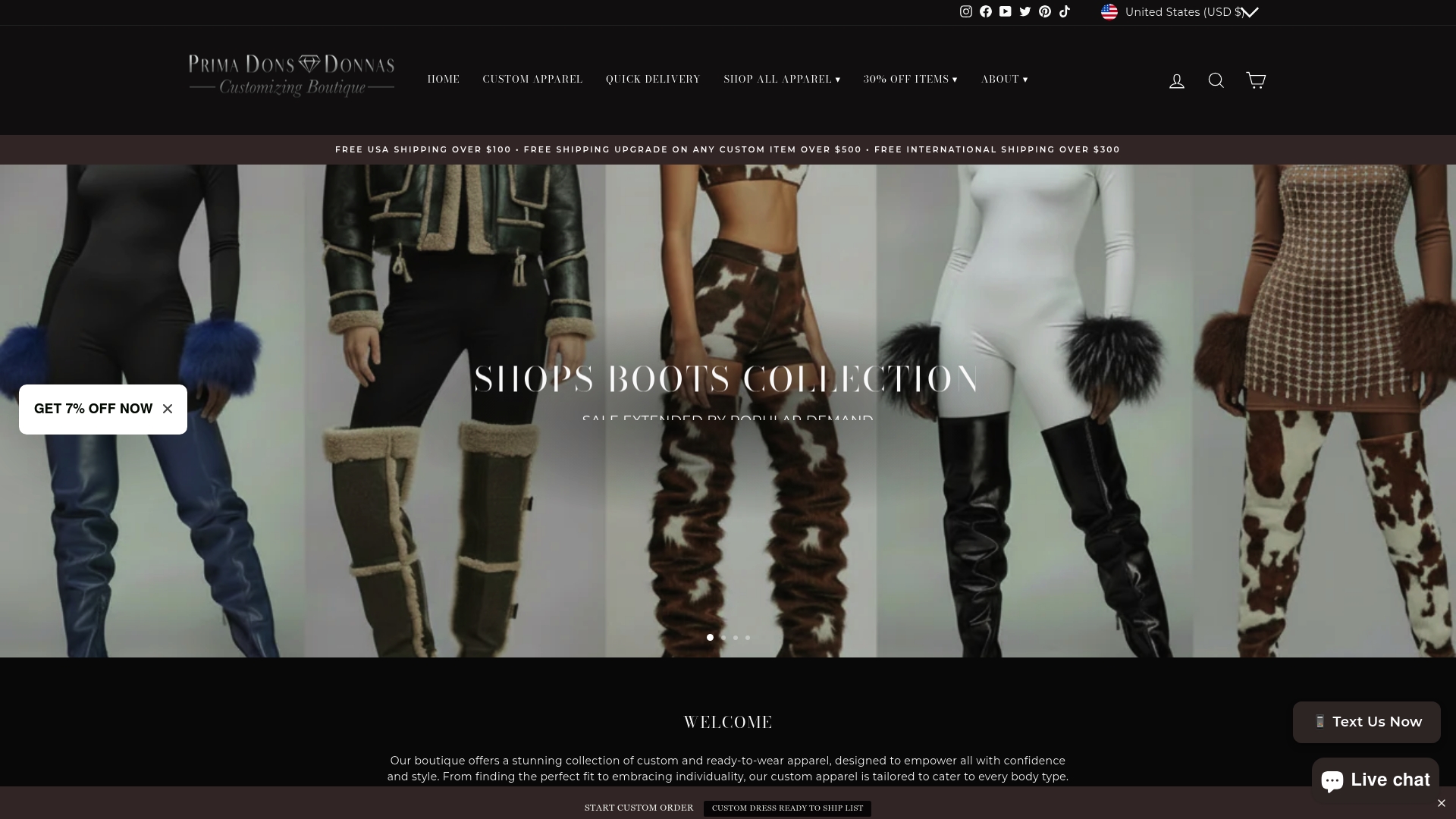
Start with the Custom Boots Collection if you want a shaft height, calf circumference, and heel built to your exact numbers. Need something sooner? The Ready to Ship collection carries petite-conscious proportions without the custom build time. Measure your shaft and calf using the steps above, then browse the customization options page to see rush processing and shipping add-ons if you need boots by a specific date.
Sources
- The best knee-high boots for petite women — Glamour
- Petite-Friendly Knee-High Boots — Pumps & Push Ups
- Jobst Petite Ultrasheer Thigh High Compression Stockings — RehabMart
- AW26 petite shoe trends — Piccola Shoes
FAQ
What boots should you wear if you have short legs?
Choose a boot with a shaft height generally around thirteen to fourteen inches, a pointed or almond toe, and a modest heel length consistent with recommendations, according to Glamour’s petite testing. Match the boot color to your tights or jeans to keep one long visual line instead of a break at the knee.
Are thigh-high boots still in style in 2026?
Yes. Trend coverage for the current season points to streamlined shafts, pointed and almond toes, and low-to-moderate heels as the dominant petite-friendly shape, per Piccola Shoes’ AW26 report. The style has held steady across recent seasons rather than fading in and out quickly.
What do thigh-high boots symbolize?
Thigh-high boots have shifted from a purely dramatic statement piece to an everyday styling option, especially when paired with tucked jeans or a mini skirt for lunch dates and daytime wear. The meaning depends entirely on styling: a slim heel and monochrome outfit read polished, while a chunky platform reads more costume than wardrobe staple.
Can petite women wear knee-high boots?
Yes, and knee-high often works better than a full thigh-high for shorter legs because the shaft height is easier to get right. Focus on a shaft that sits one to two inches below the kneecap when seated, not just standing, since that’s the fit point most petite boot complaints come from.
Where can you buy petite thigh high boots that actually fit?
Look for sellers that list shaft height and calf circumference by size, offer multiple shaft options, or build boots to order. Prima Dons and Donnas offers both a ready-to-ship collection for fast delivery and a fully custom boot option built to your measured shaft height and calf circumference.


Leave a comment