

Ready to Ship Clothing: Fast Fashion, Unique Style
Most American fashion shoppers want style that arrives at their doorstep in days, not weeks. With over 80 percent of global clothing purchases now coming from ready to ship options, convenience is changing how women express themselves through personal style. This shift means you can choose unique looks and sustainable designs while still enjoying quick delivery for the latest trends. Discover how ready to ship clothing blends individuality and responsibility for the modern wardrobe.
Table of Contents
- Defining Ready To Ship Clothing Today
- Types And Distinctions In Ready To Ship Fashion
- How Ready To Ship Clothing Works
- Key Benefits And Limitations For Buyers
- Sustainability And Ethical Considerations
Key Takeaways
| Point | Details |
|---|---|
| Ready to Ship Clothing | Represents a shift towards immediate availability, reflecting modern consumer demands for convenience and speed in fashion. |
| Types of Ready to Ship Fashion | Encompasses models such as fast fashion, limited edition, and specialty items, each catering to different consumer preferences. |
| Benefits and Limitations | Offers advantages like instant gratification and affordability, while facing challenges related to customization, quality, and sustainability. |
| Sustainability and Ethics | Highlights the need for responsible production practices, addressing environmental impacts and worker conditions in global supply chains. |
Defining ready to ship clothing today
Ready to ship clothing represents a dynamic transformation in contemporary fashion consumption, shifting from traditional made-to-measure approaches toward immediate, accessible style solutions. Global fashion markets now prioritize rapid production that enables consumers to purchase pre-manufactured garments quickly and efficiently.
At its core, ready to ship clothing embodies the intersection of mass production and personalized fashion experiences. Unlike bespoke garments that require extensive measurements and weeks of production time, these clothing items are pre-produced in standardized sizes, allowing immediate dispatch from warehouses or retail locations. Ready-made clothing has become the primary paradigm for global apparel industries, reflecting consumer demands for instant gratification and trend responsiveness.
The emergence of ready to ship clothing signals a significant cultural shift in fashion consumption. Modern consumers increasingly prioritize convenience, speed, and accessibility over traditional custom-tailoring processes. This model supports faster trend cycles, enables more democratic fashion access, and allows brands to respond rapidly to emerging style preferences. Technological advancements in manufacturing and digital commerce have further accelerated this transformation, creating seamless pathways between design, production, and consumer acquisition.
Pro tip: When shopping ready to ship clothing, always check size charts carefully and review return policies to ensure the best possible fit and shopping experience.
Types and distinctions in ready to ship fashion
Ready to ship fashion encompasses a diverse range of product categories that cater to different consumer needs and preferences. Fashion markets distinguish between multiple production models, including fast fashion, limited edition, and specialty clothing lines that offer unique approaches to immediate clothing availability.
The primary distinctions in ready to ship fashion can be categorized into three main types. Fast fashion represents high-volume production with rapid turnover, designed to quickly translate runway trends into affordable consumer options. Limited edition collections focus on creating unique, small-batch items that provide exclusivity and individuality. Specialty ready to ship items target niche markets with specific style requirements, often featuring more personalized design elements that distinguish them from mass-produced alternatives. Global apparel brands strategically manage these different production approaches to balance consumer demand, inventory management, and market responsiveness.

Technological advancements have further transformed ready to ship fashion, enabling more sophisticated production techniques that blur traditional boundaries between mass market and custom clothing. Digital design tools, advanced manufacturing processes, and real-time trend tracking allow brands to create more responsive and personalized clothing lines that can be rapidly produced and shipped to consumers worldwide. This evolution means consumers now have unprecedented access to diverse clothing options that combine speed, affordability, and individual expression.
Here’s a summary comparing the main models of ready to ship fashion:
| Model Type | Production Volume | Trend Responsiveness | Consumer Appeal |
|---|---|---|---|
| Fast Fashion | Very high | Immediate adaptation | Affordable current styles |
| Limited Edition | Small batches | Selective, trend-driven | Exclusivity and uniqueness |
| Specialty Ready to Ship | Moderate, niche-focused | Custom style adaptations | Personalized, specific designs |
Pro tip: When exploring ready to ship fashion, compare different brand collections to find the best balance between style, quality, and immediate availability.
How ready to ship clothing works
Ready to ship clothing operates through a sophisticated production and distribution model designed for maximum efficiency and consumer responsiveness. Global supply chains prioritize rapid production strategies that enable brands to anticipate market trends and produce garments in advance of direct consumer demand.
The operational mechanism involves several key stages. First, fashion brands conduct extensive trend research and market analysis to predict upcoming style preferences. Trend forecasting becomes critical in determining which designs will be pre-produced and maintained in inventory. Manufacturers then create large batch productions of these anticipated styles, storing them in strategic warehouse locations close to key consumer markets. Streamlined manufacturing processes allow for quick style cycling and minimal production delays, ensuring that consumers can access the latest fashion trends with minimal waiting time.
Digital technologies have revolutionized the ready to ship clothing model, enabling real-time inventory tracking, automated order processing, and precise logistics management. Advanced algorithms help brands predict exact quantities needed for different styles, reducing waste and optimizing production efficiency. E-commerce platforms integrate seamlessly with these systems, allowing consumers to browse, select, and receive clothing items with unprecedented speed and convenience. This technological integration means that from design conception to doorstep delivery, the entire process can be completed within days or even hours.
Pro tip: Compare multiple ready to ship brands to understand their unique production cycles and delivery timelines before making a purchase.
Key benefits and limitations for buyers
Ready to ship clothing presents a complex landscape of advantages and challenges for modern consumers. Buyers experience multiple benefits in immediate fashion accessibility, including instant gratification, trend alignment, and affordable pricing that democratizes style options across different economic segments.
The key benefits are multifaceted and compelling. Immediate availability allows consumers to purchase and receive clothing within days, eliminating traditional waiting periods associated with custom or made-to-order garments. Cost-effectiveness remains a significant draw, with ready to ship models enabling lower price points through large-scale production. Consumers gain access to a wide range of styles that reflect current fashion trends, providing unprecedented wardrobe flexibility. Rapid consumption patterns present critical sustainability challenges, however, as the convenience of quick fashion often comes with environmental and ethical trade-offs.
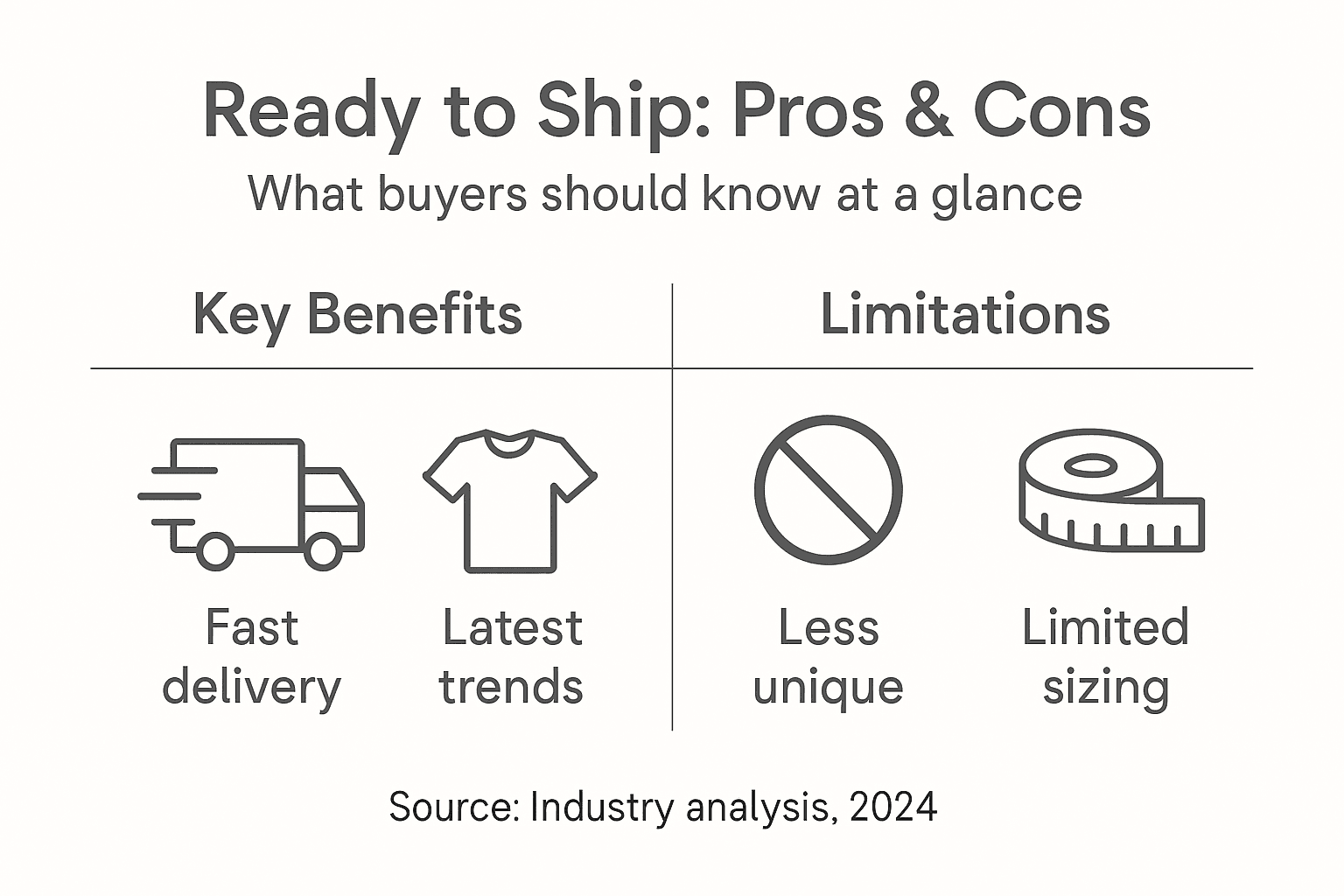
Limitations of ready to ship clothing are equally important to understand. Customization options remain restricted, meaning consumers must accept standard sizing and design choices. Quality can sometimes be compromised due to mass production techniques, with garments potentially lacking the durability and craftsmanship of more carefully produced clothing. The environmental impact is significant, as fast fashion models contribute to textile waste, overconsumption, and increased carbon footprints. Ethical concerns about labor practices in manufacturing also emerge, challenging consumers to balance convenience with responsible purchasing decisions.
Pro tip: Research brand sustainability practices and look for transparent supply chain information before purchasing ready to ship clothing to make more informed, responsible choices.
Sustainability and ethical considerations
Ready to ship clothing confronts significant challenges in balancing consumer demand with responsible production practices. International policy initiatives increasingly focus on textile sustainability757808_EN.pdf), recognizing the critical need for comprehensive environmental and ethical approaches in fashion manufacturing.
The environmental impact of ready to ship clothing extends far beyond individual purchases. Carbon emissions from global textile production represent a substantial contributor to climate change, with mass production models generating significant waste and resource consumption. Manufacturing processes often involve extensive water usage, chemical treatments, and transportation networks that multiply the carbon footprint of each garment. Synthetic materials derived from petroleum, commonly used in ready to ship clothing, further compound these sustainability challenges, creating long-term environmental degradation that outlasts the garment’s practical utility.
Ethical considerations in ready to ship clothing production remain complex and multifaceted. Labor practices across global supply chains frequently involve challenging working conditions, inadequate compensation, and limited worker protections. Developing nations often bear the brunt of these systemic inequities, with manufacturing workers experiencing precarious employment situations. Transparency becomes crucial in addressing these challenges, requiring brands to implement robust tracking mechanisms, fair wage standards, and comprehensive worker protection protocols. Consumer awareness and demand for responsible production can drive meaningful change, encouraging brands to adopt more sustainable and equitable manufacturing approaches.
Below is a quick reference for sustainability and ethical concerns in ready to ship clothing:
| Issue | Environmental Impact | Ethical Consideration | Improvement Strategies |
|---|---|---|---|
| Mass Production Waste | Increased landfill, pollution | Underpaid labor, unsafe conditions | Reduce batch size, fair wages |
| Synthetic Materials | Resource-intensive | Vulnerable to poor sourcing | Use biodegradable fabrics |
| Global Logistics | High carbon emissions | Unclear supply chain transparency | Local manufacturing, traceability |
Pro tip: Research clothing brands that provide detailed sustainability reports and demonstrate commitment to ethical manufacturing practices before making purchasing decisions.
Discover Personalized Style Beyond Ready to Ship Options
The challenge many face with ready to ship clothing is balancing instant availability against individual style and fit. This article highlights how fast fashion meets needs for speed and trendiness but often falls short on personalization, ethical production, and sustainability. If you value exclusivity, a perfect fit, and conscious fashion choices without sacrificing the speed of delivery, Prima Dons and Donnas offers a solution tailored just for you.
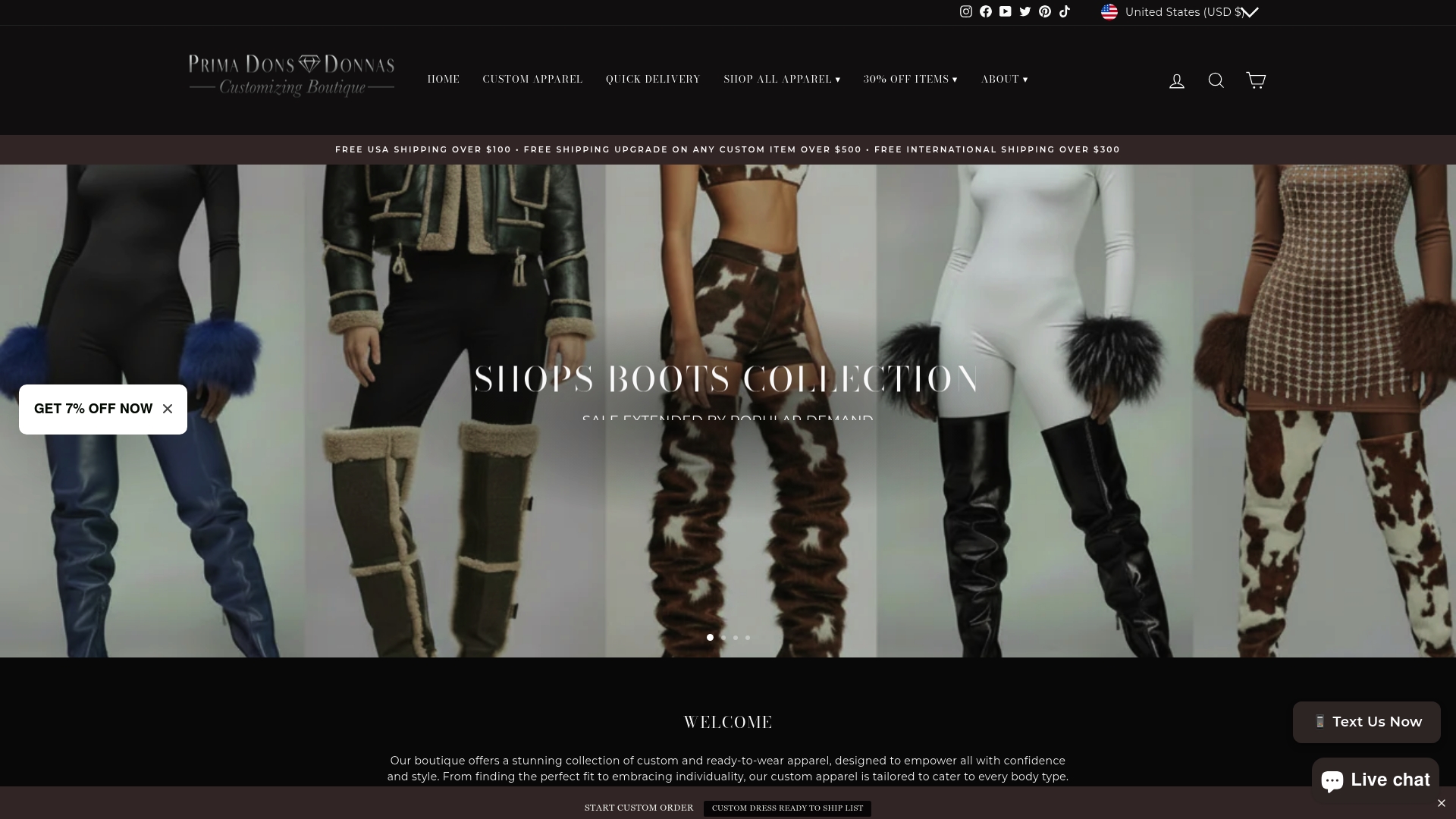
Explore our collection where luxury meets comfort with custom-made pieces designed entirely around your preferences including size and color. Whether you want a bold statement or a subtle touch of personality, our made-to-order options provide you with confidence and uniqueness instantly. We also understand the desire for quick style fixes, which is why we maintain ready to ship selections too. Visit Prima Dons and Donnas today and embrace fashion that empowers your individuality without compromise. Start your journey to intentional style now.
Frequently Asked Questions
What is ready to ship clothing?
Ready to ship clothing refers to pre-manufactured garments available for immediate purchase and delivery, contrasting with custom-made items that require time for production.
How does ready to ship clothing impact fashion trends?
Ready to ship clothing allows brands to quickly adapt to emerging fashion trends, offering consumers timely access to the latest styles and enabling faster trend cycles in the fashion industry.
What are the main types of ready to ship fashion?
The primary types of ready to ship fashion include fast fashion, which focuses on high-volume production; limited edition collections that offer unique designs; and specialty ready to ship items targeting niche markets with specific style needs.
What are the sustainability concerns surrounding ready to ship clothing?
Ready to ship clothing often faces sustainability challenges, including significant carbon emissions, textile waste, and ethical labor practices, prompting a need for greater transparency and responsible production methods.
Recommended
- Custom Clothing for Women | Made-to-Order Fashion | Prima Dons – Prima Dons & Donnas
- Pink Floral Dress - Long See Through Mesh Gown with 3D Pattern for Women – Prima Dons & Donnas
- Faux Fur Jacket - Prima Dons & Donnas Handcrafted Coat
- Feather Dress Rhinestone Evening Gown - Long Tail Nightclub Party Dress – Prima Dons & Donnas
- Personalizacija delovnih oblačil - Work Foxx


Leave a comment