

Unique Fabric Choices That Define Fashion Design in 2026
The role of unique fabric choices in fashion design goes far beyond picking something that looks good on a rack. Fabric is the first decision a designer makes and the one that determines everything else: how a garment drapes, how it feels against skin, how long it lasts, and what it says about the person wearing it. Get the fabric right, and the design almost builds itself. Get it wrong, and no amount of skilled construction saves the piece.
Here is what fabric selection actually controls:
- Aesthetics: Texture, sheen, and weight shape the visual identity of every garment.
- Functionality: Breathability, stretch, and durability determine real-world wearability.
- Cultural identity: Heritage textiles carry stories that mass-produced materials simply cannot replicate.
- Brand positioning: Unique textiles signal exclusivity and craftsmanship in luxury and bespoke fashion.
- Sustainability: Fabric sourcing is where a garment’s environmental footprint is largely decided.
Table of Contents
- 1. Why fabric selection is the foundation of fashion design
- 2. What are the main types of fabrics used in fashion?
- 3. How do fabric properties shape garment aesthetics and functionality?
- 4. Sustainability and environmental impact in fabric selection
- 5. Unique fabrics as a strategic differentiator in luxury fashion
- 6. What fabric trends are shaping fashion design in 2026?
- Primadonsanddonnas: Custom Fashion Built Around Fabric That Matters
- FAQ
- Key Takeaways
1. Why fabric selection is the foundation of fashion design
Fabric sets the tone for design, influencing performance and customer experience from the first touch. A garment’s drape, silhouette, and how it moves on the body are all direct results of the material chosen before a single pattern piece is cut.
Designers working on custom garments think through several factors at once: the occasion the piece is made for, the wearer’s body, the construction method, and the story the brand wants to tell. Fabric sits at the center of all four. A structured brocade creates a completely different silhouette than a fluid charmeuse, even when cut from the exact same pattern.
Quality expectations are also set by fabric. Consumers can feel the difference between a garment built from a stable, well-finished textile and one made from a cheap substitute. High-quality, stable fabrics reduce waste and production labor time despite higher material costs, while cheaper alternatives often increase handling difficulty and drive up the labor hours needed to produce a finished piece. The math on “saving money” with inferior fabric rarely works out.
Fabric is also a storytelling vehicle. Wearing heritage hand-woven textiles participates in global fashion discourse and identity expression, connecting the wearer to a cultural narrative that no synthetic print can manufacture.
2. What are the main types of fabrics used in fashion?
Understanding the types of unique fabrics available is the starting point for any serious design decision. Each category carries distinct properties that affect how a garment looks, performs, and ages.
Natural fibers remain the benchmark for luxury and comfort:
- Silk: Naturally lustrous, lightweight, and temperature-regulating. Used in eveningwear, blouses, and linings.
- Cotton: Breathable, versatile, and easy to care for. Ranges from fine lawn to heavy canvas.
- Wool: Insulating and resilient. Merino wool offers softness; tweed offers structure and texture.
- Linen: Strong, breathable, and textured. Gets softer with each wash.
- Cashmere and vicuña: Rare natural fibers that offer exceptional durability and aesthetic appeal that improve with age, providing thermoregulation and longevity unmatched by synthetics.
Synthetic fibers offer performance advantages:
- Polyester: Durable, wrinkle-resistant, and affordable. Widely used in activewear and fast fashion.
- Nylon: Strong and abrasion-resistant. Common in outerwear and hosiery.
- Spandex/Lycra: Adds stretch and recovery. Blended into most performance and fitted garments.
Blended fabrics combine the best of both worlds, pairing natural comfort with synthetic durability or stretch.
| Fabric Type | Durability | Texture | Care Level | Sustainability |
|---|---|---|---|---|
| Silk | Moderate | Smooth, lustrous | Delicate | Moderate |
| Cotton | High | Soft to crisp | Easy | High (organic) |
| Wool/Cashmere | Very high | Soft, textured | Moderate | High |
| Polyester | Very high | Smooth to textured | Easy | Low |
| Linen | High | Textured, crisp | Easy | High |
| Blended (e.g., cotton-poly) | High | Varies | Easy | Moderate |
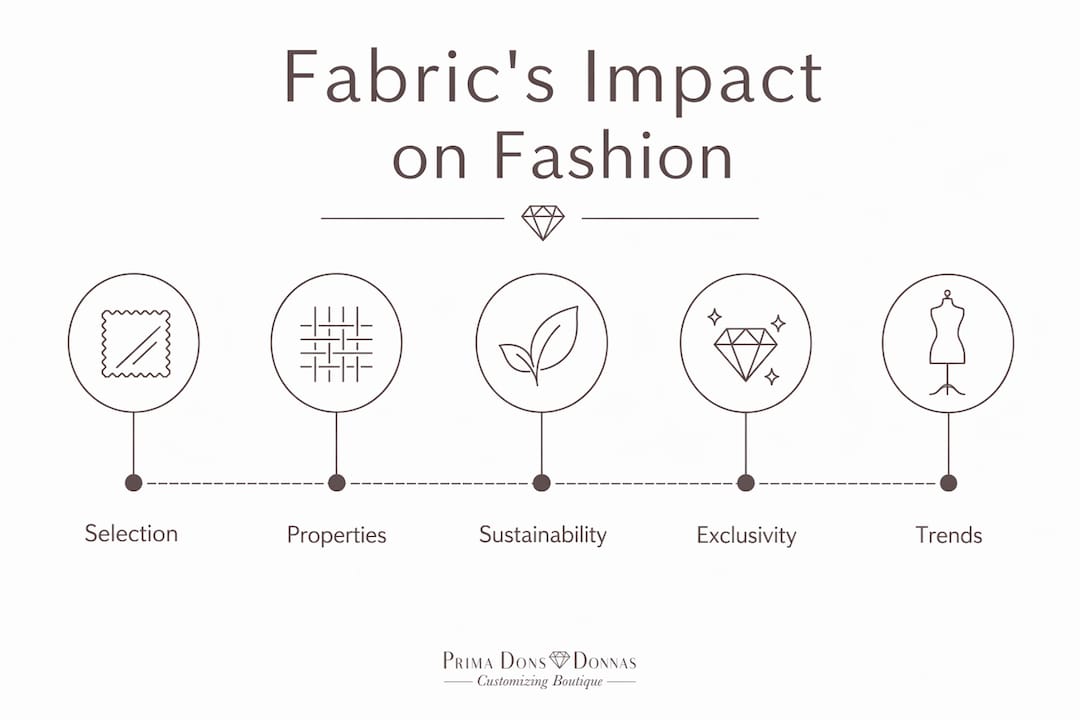
Examples of unique fashion materials used in luxury design include hand-woven ikat, Kanjeevaram silk, Kente cloth, and high-grade cashmere. Each carries a provenance and a production story that mass-market alternatives cannot replicate.
3. How do fabric properties shape garment aesthetics and functionality?
Specific fabric attributes drive design decisions at every stage. The impact of fabric selection on consumer perception of quality and comfort is direct: soft, smooth fabrics signal luxury, while coarser textures suggest rugged durability.
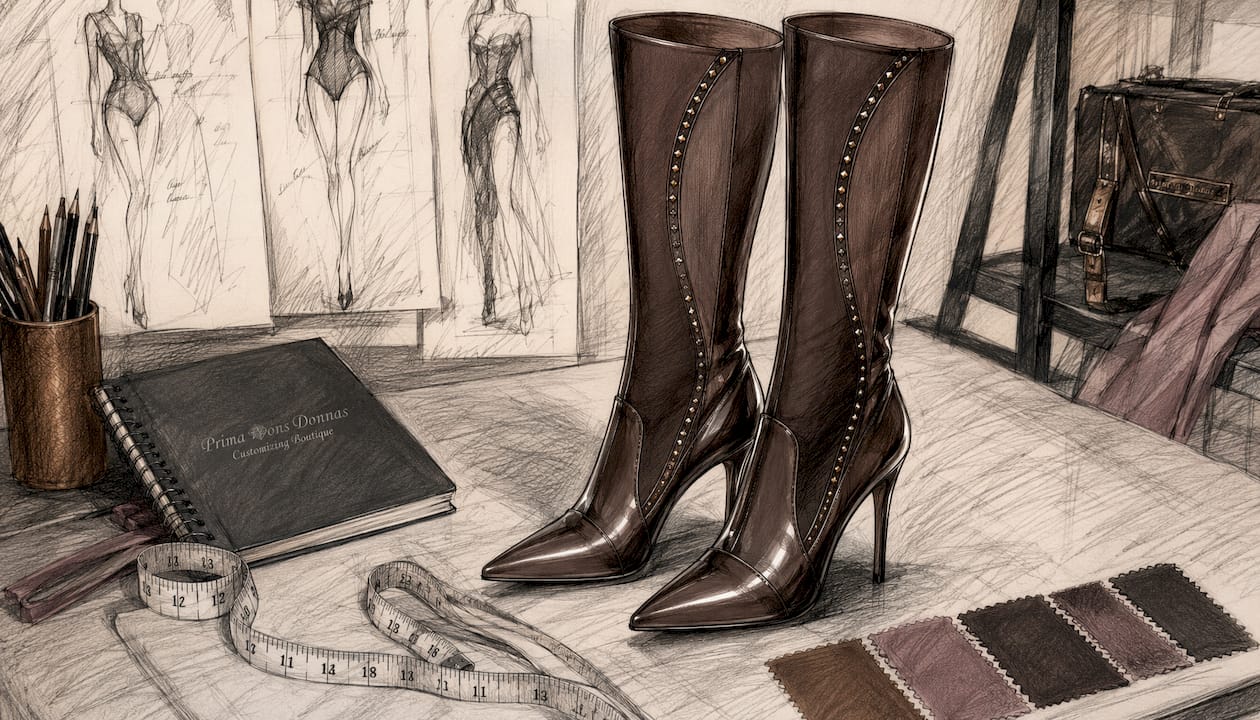
Texture is the most immediate sensory signal. A velvet bodice reads as opulent before anyone checks a price tag. A raw-edge linen jacket communicates casual ease. Texture shapes perceived luxury and visual appeal before a garment is even touched.
Weight and drape determine silhouette. Heavy fabrics like duchess satin hold structure and create dramatic shapes. Lightweight chiffon flows and moves, creating softness and femininity. A designer choosing between the two is choosing between two entirely different garments, even from the same sketch.
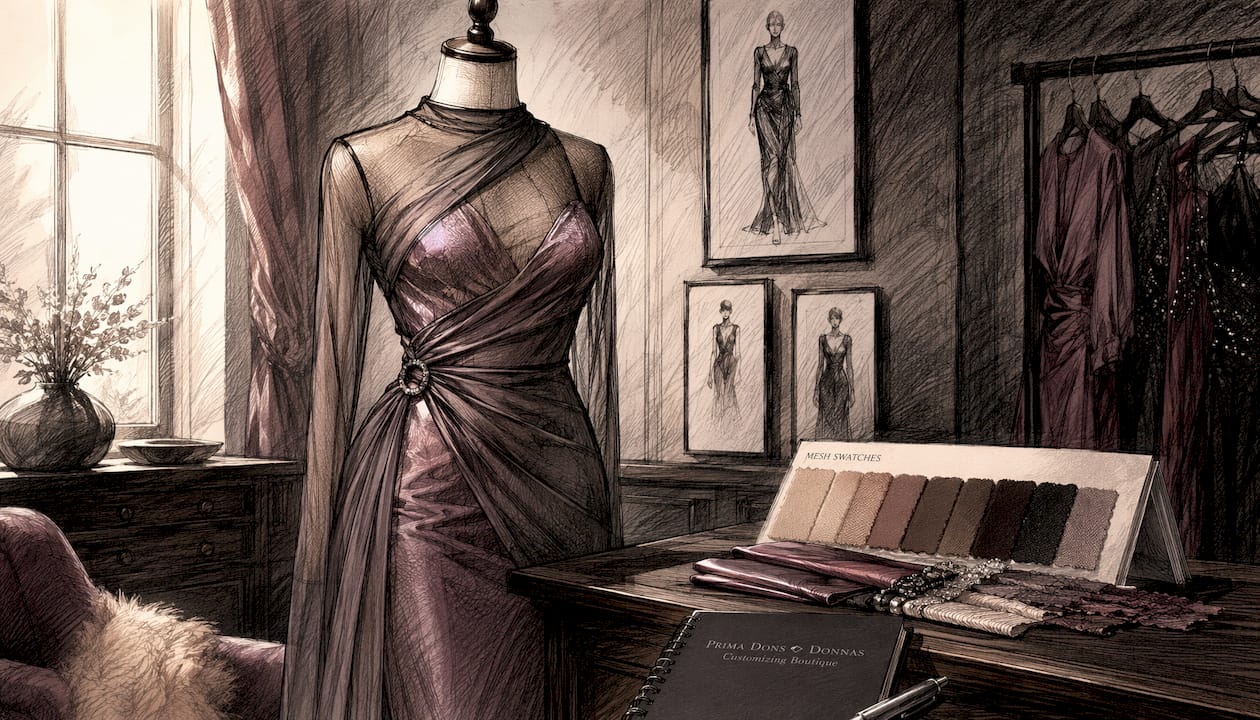
Durability affects how long a customer stays satisfied. A garment that pills, fades, or loses shape after a few washes damages brand trust. One built from a quality textile that holds its form and color over years builds loyalty.
Care requirements influence real-world wearability. A dry-clean-only fabric limits how often a piece gets worn, which affects how the customer values it.
Pro Tip: When selecting fabric for a special occasion piece, hold it up to light and let it fall freely from your hand. How it moves in that moment is exactly how it will move on the body.
4. Sustainability and environmental impact in fabric selection
Fabric choice is where a garment’s environmental story begins. Natural fibers reduce environmental impact through biodegradability and less chemical processing, while synthetic fabrics carry higher environmental costs due to chemical pollution and poor biodegradability.
Handwoven and natural textiles take sustainability further through circularity. Fabrics like handwoven cotton and alpaca are repairable and reusable across generations, which is the opposite of the disposable model that dominates fast fashion. A well-made linen dress does not end up in a landfill after two seasons. It gets worn, altered, passed on, and worn again.
Organic, recycled, and heritage textiles are gaining ground as consumers demand more transparency. Brands that source from ethical producers can trace their garments from fiber to finish, which strengthens consumer trust and long-term loyalty.
Primadonsanddonnas addresses this directly by offering sustainable fashion options including high-quality faux fur, a conscious alternative to animal-derived materials that does not sacrifice the bold, luxurious aesthetic the brand is known for.
Pro Tip: When shopping for sustainable pieces, look for fabrics with certifications like GOTS (Global Organic Textile Standard) or OEKO-TEX, which verify that the material meets environmental and safety standards at every stage of production.
Consumer demand for sustainable textiles is growing steadily, and brands that build sustainability into their fabric sourcing now are better positioned for the market ahead.
5. Unique fabrics as a strategic differentiator in luxury fashion
Luxury brands differentiate by investing in rare, high-quality fabrics that reflect exclusivity and craftsmanship. Unique textiles become brand-defining icons that create scarcity, recognition, and emotional loyalty. This is not accidental. It is a deliberate strategy.
When a fabric is rare, difficult to produce, or tied to a specific cultural tradition, it cannot be easily copied. Heritage textiles like Kente cloth, Aso-Oke, and Kanjeevaram silk carry value not just in their appearance but in the knowledge system that produces them. A factory can reproduce the visual pattern. It cannot reproduce the weaver’s memory, the counting systems, or the structural decisions that define the authentic textile.
Unique, handwoven fabrics include minor imperfections that signify authenticity and craftsmanship. These marks distinguish genuine textiles from mass-produced replicas. For a customer who understands what they are looking at, those imperfections are proof of value, not flaws.
Primadonsanddonnas applies this principle through made-to-order exclusivity: each custom piece is built around the client’s specific size, color preference, and occasion, with fabric selection central to the design process. That level of personalization creates an emotional connection that off-the-rack fashion cannot match.
Pro Tip: For bespoke and luxury pieces, request fabric swatches before committing to a design. Seeing and feeling the material in person, against your skin and in natural light, reveals qualities that no product photo captures.
6. What fabric trends are shaping fashion design in 2026?
The future of fabric is moving in two directions at once: back toward heritage and forward into technology. Both trends reflect the same underlying shift in what consumers want from their clothes.
Emerging fabric trends to watch:
- Bio-based fibers: Materials derived from agricultural waste, algae, and mycelium (mushroom root) are entering commercial production. They offer biodegradability without sacrificing performance.
- Smart textiles: Fabrics embedded with temperature-regulating, moisture-wicking, or UV-protective properties are moving from activewear into everyday fashion.
- Recycled and upcycled materials: Post-consumer recycled polyester and regenerated nylon are becoming standard in collections that want to reduce virgin material use.
- Heritage revival: Handwoven textiles from West Africa, South Asia, and Central America are gaining recognition in international fashion markets, driven by consumer appetite for provenance and authenticity.
- Custom fabric development: Brands are increasingly commissioning proprietary weaves and prints, turning the fabric itself into an intellectual property asset.
Fabric technology enables brands to convey values like sustainability and craftsmanship through the material itself, not just through marketing language. A garment made from a traceable, bio-based fiber tells its story without a hang tag.
Consumer preference is also shifting toward fabric origin and process. Shoppers increasingly want to know where a material came from, who made it, and under what conditions. Brands that can answer those questions clearly hold a real advantage in the market ahead. For designers and enthusiasts focused on distinctive apparel, understanding these trends is the difference between staying relevant and falling behind.
Primadonsanddonnas: Custom Fashion Built Around Fabric That Matters
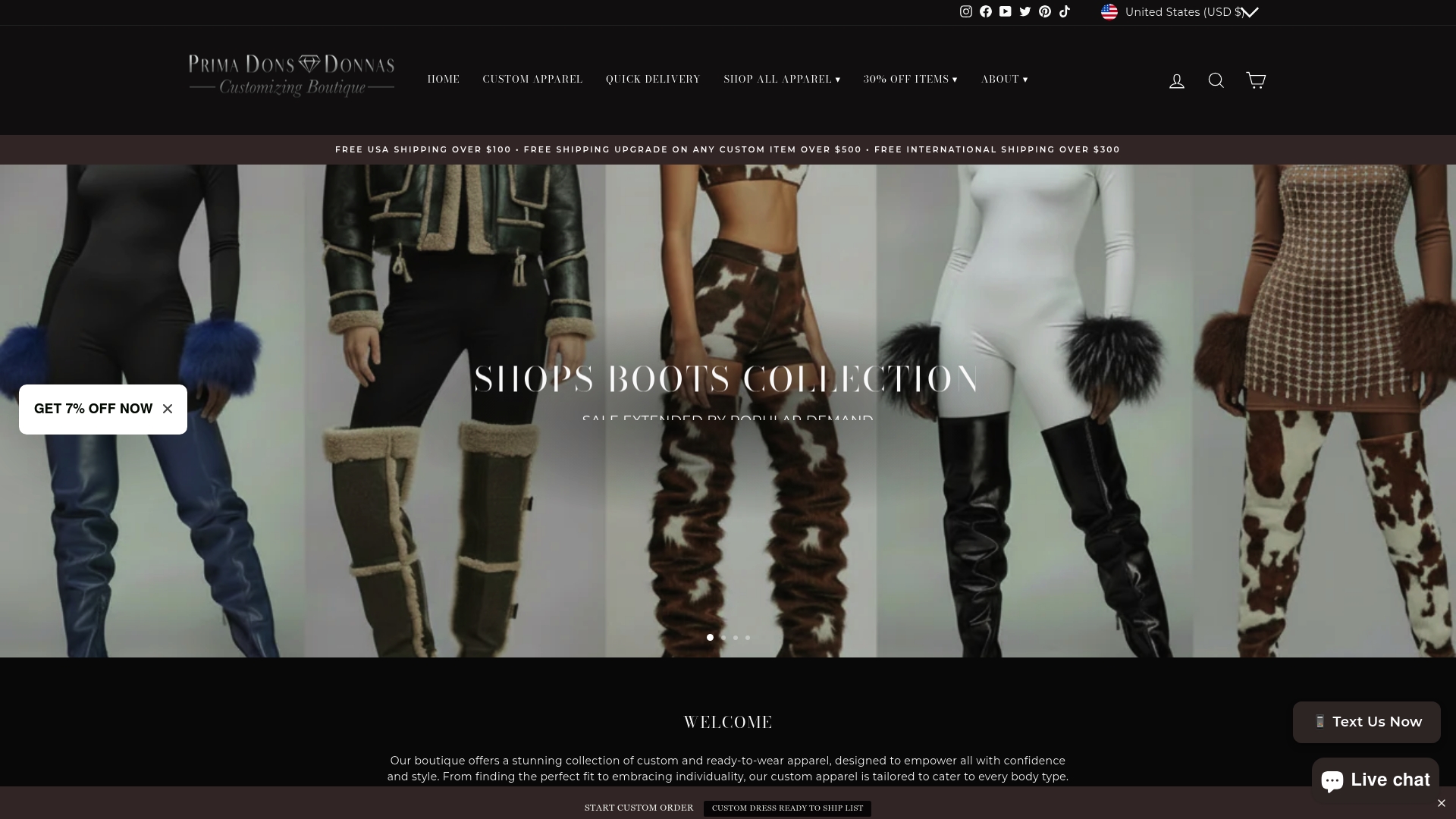
Custom clothing should start with the right fabric, not end with it. Primadonsanddonnas builds every piece from the ground up, with fabric selection at the center of the design process. The result is garments made to fit your body, your occasion, and your aesthetic, whether that is a rhinestone dress for a concert, a bold plus-size gown for a wedding, or a statement look for a lunch date that turns heads.
Every order is made to your size and color, with no compromises on fit or finish. Ready-to-ship options are also available for clients who need a standout piece fast. Sustainable choices, including high-quality faux fur, are part of the catalog for shoppers who want luxury without the environmental cost.
Browse the made-to-order dress collection or shop the full custom apparel range to find your next statement piece.
FAQ
Why does fabric choice matter so much in fashion design?
Fabric determines a garment’s drape, texture, durability, and comfort, making it the single most influential decision in the design process. The right material can elevate a simple silhouette; the wrong one undermines even the most skilled construction.
What are the benefits of choosing custom or unique fabrics?
Custom and unique fabrics offer exclusivity, better fit for specific design intentions, and stronger brand identity. Handwoven and heritage textiles also carry cultural narratives and craftsmanship marks that mass-produced materials cannot replicate.
What is the least sustainable fabric to wear?
Synthetic fabrics like conventional polyester carry the highest environmental costs due to chemical processing, microplastic shedding during washing, and poor biodegradability. Natural and organic fibers generally have a lower environmental footprint.
Why is 100% cotton harder to find in mainstream fashion?
Most mainstream brands blend cotton with synthetic fibers to reduce cost, add stretch, and improve wrinkle resistance. Pure cotton is more expensive to source and requires more careful construction, which is why it tends to appear in premium and custom collections rather than mass-market lines.
How does Primadonsanddonnas approach fabric selection?
Primadonsanddonnas builds each piece to order, selecting materials that match the client’s size, color, and occasion requirements. Sustainable options like high-quality faux fur are part of the catalog, giving shoppers a luxury aesthetic with a lower environmental impact.
Key Takeaways
Unique fabric choices are the most consequential design decision in fashion, shaping aesthetics, functionality, cultural meaning, and environmental impact from the first yard of material selected.
| Point | Details |
|---|---|
| Fabric drives design outcomes | Texture, weight, and drape determine silhouette, comfort, and perceived quality before construction begins. |
| Heritage textiles offer durable value | Handwoven fabrics like cashmere and Kanjeevaram silk improve with age and carry cultural provenance that synthetics cannot replicate. |
| Sustainability starts with sourcing | Natural and organic fibers reduce environmental impact through biodegradability and less chemical processing compared to synthetics. |
| Unique fabrics build brand identity | Rare and handwoven textiles create scarcity, emotional loyalty, and storytelling that differentiates luxury and bespoke brands. |
| Primadonsanddonnas | Offers made-to-order and ready-to-ship garments built around premium fabric selection, including sustainable faux fur options, in any size or color. |
Recommended
- Trends in Custom Fashion 2026: Bold Style and Personalization – Prima Dons & Donnas
- What is sustainable fashion: A 2026 guide – Prima Dons & Donnas
- Examples of Sustainable Fashion Materials for 2026 – Prima Dons & Donnas
- Fashion sustainability trends 2026: bold eco-friendly style – Prima Dons & Donnas


Leave a comment