

Size Inclusive Fashion 2026: Empowering Bold Confidence
Finding clothing that honors individuality and fits beautifully can feel impossible when traditional standards ignore real body diversity. By 2026, size-inclusive luxury fashion is changing the game, empowering women everywhere to enjoy personalized designs that celebrate all shapes and sizes. With brands embracing size inclusive fashion, bold choices and sustainable materials are now cornerstones of confident self-expression. Discover how this movement is redefining style and self-worth for women worldwide.
Table of Contents
- Defining Size Inclusive Fashion in 2026
- Range of Styles, Sizing, and Customization
- Luxury Aesthetics and Sustainable Materials
- Fast Delivery: Ready-to-Ship Versus Made-to-Order
- Overcoming Barriers: Visibility, Fit, and Representation
Key Takeaways
| Point | Details |
|---|---|
| Size Inclusive Fashion | This movement emphasizes body diversity, focusing on comfort and style for various body shapes, challenging traditional fashion norms. |
| Customization and Technology | Advances in technology allow for personalized fit and design elements, promoting an inclusive approach that accommodates individual body types. |
| Sustainable Luxury | The integration of eco-friendly materials in luxury fashion highlights a commitment to environmental responsibility while ensuring aesthetic excellence. |
| Representation and Visibility | Overcoming barriers requires genuine body representation in marketing and the development of inclusive sizing technologies for authentic consumer experiences. |
Defining Size Inclusive Fashion in 2026
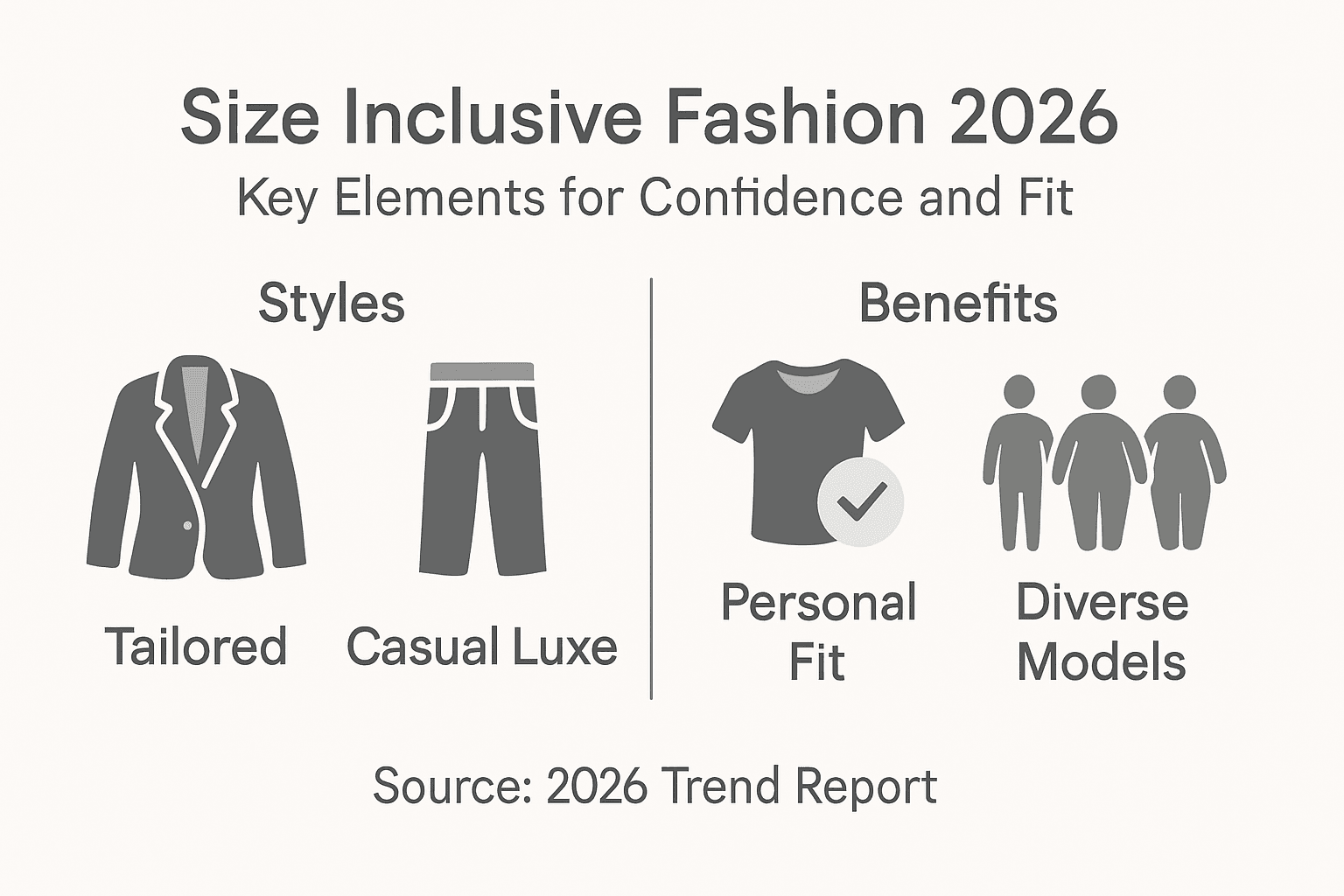
Size inclusive fashion represents a transformative approach to design that celebrates body diversity and challenges traditional fashion industry standards. By 2026, this movement is not just a trend but a fundamental reimagining of how clothing is conceptualized, created, and presented. Diverse body representation has become a strategic imperative for brands seeking to connect authentically with consumers.
The core principles of size inclusive fashion extend far beyond simply offering larger clothing sizes. This approach encompasses several critical elements:
- Designing garments that genuinely fit multiple body shapes
- Creating patterns that accommodate diverse physical attributes
- Using adaptive construction techniques
- Representing multiple body types in marketing imagery
- Ensuring comfort and style across size ranges
At its essence, size inclusive fashion is about recognizing that beauty and style are not confined to a single body type. It challenges long-standing industry norms that historically marginalized individuals who didn’t conform to narrow aesthetic standards. Inclusive apparel design now prioritizes adaptive solutions that celebrate individual uniqueness.
The movement goes beyond mere sizing - it’s a profound statement about human dignity and self-expression. By creating clothing that fits and flatters diverse bodies, fashion brands are doing more than selling products. They’re participating in a cultural shift that affirms every individual’s right to feel confident, comfortable, and beautiful.
Pro tip: When shopping for size inclusive fashion, prioritize brands that demonstrate genuine commitment to diverse representation, not just expanded size ranges.
Range of Styles, Sizing, and Customization
Fashion in 2026 is revolutionizing how clothing is designed, sized, and personalized through advanced 3D prototyping techniques. The traditional one-size-fits-all approach has been completely transformed, giving consumers unprecedented control over their wardrobe choices.
Key characteristics of modern size-inclusive fashion include:
- Adaptive measurement systems
- Multiple fit options for diverse body types
- Customizable design elements
- Advanced sizing algorithms
- Personalized pattern modifications
Technological innovations are driving this transformation, enabling brands to move beyond standard sizing charts. Adaptive measurement methodologies now incorporate complex body mapping technologies that capture individual physique nuances with remarkable precision.
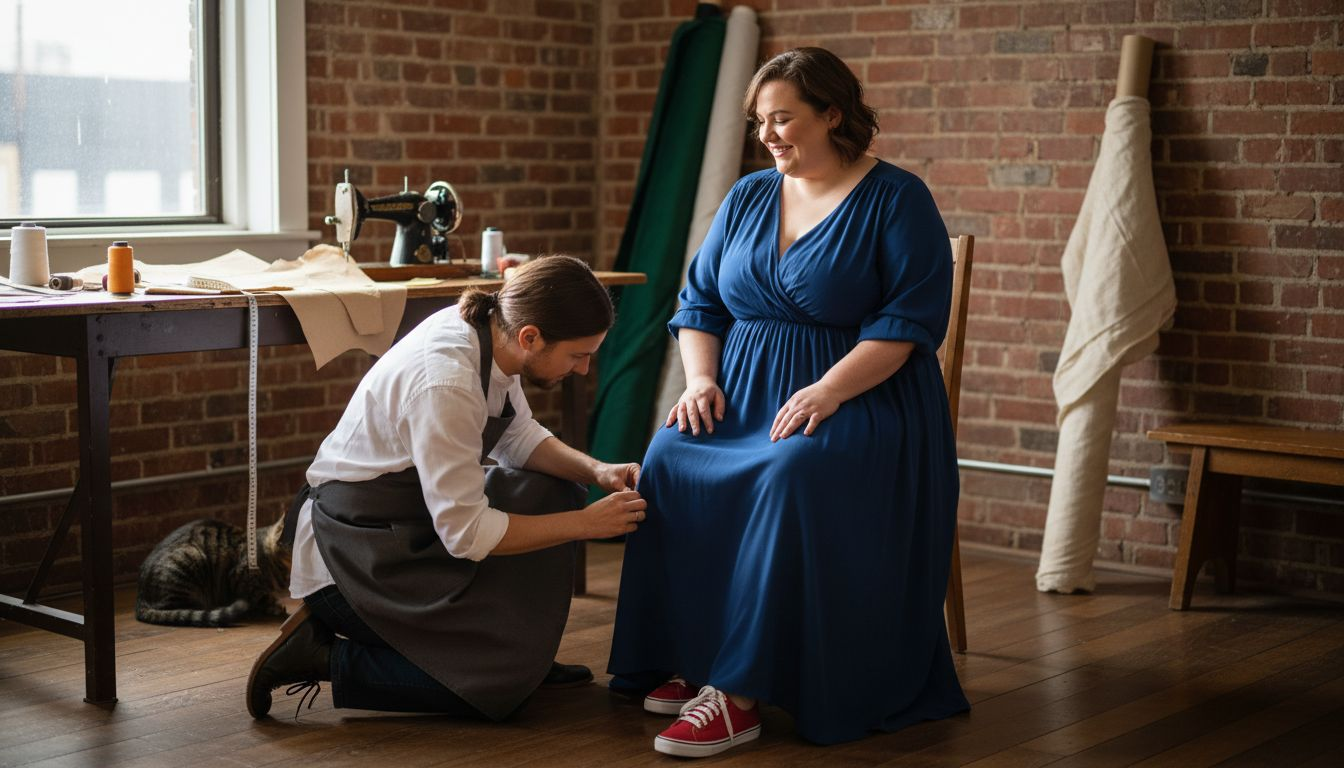
Customization has become the cornerstone of inclusive fashion, allowing individuals to select not just size but specific design elements that complement their unique body shape. This approach democratizes fashion, ensuring that style and comfort are no longer mutually exclusive for people across all body types.
Pro tip: When exploring custom clothing options, request a comprehensive body scan to ensure the most accurate and personalized fit possible.
Luxury Aesthetics and Sustainable Materials
Luxury fashion is undergoing a transformative revolution, with innovative material technologies redefining the intersection of style, sustainability, and size inclusivity. Designers are now challenging traditional boundaries by creating collections that celebrate diverse body types without compromising high-end aesthetic standards.
Key elements of sustainable luxury fashion in 2026 include:
- Eco-friendly fabric innovations
- Recycled and regenerative material sourcing
- Carbon-neutral production processes
- Transparent supply chain practices
- Ethically sourced textiles
Sustainable luxury is no longer a niche concept but a fundamental design philosophy. Pioneering fashion designers are demonstrating that environmental responsibility and aesthetic excellence can coexist seamlessly, creating clothing that is both visually stunning and ecologically conscious.
The future of fashion lies in materials that tell a story - fabrics that not only look and feel exceptional but also represent a commitment to global environmental stewardship and social responsibility. This approach transforms clothing from mere fabric to a powerful statement of personal values and global awareness.
The table below summarizes the main types of sustainable luxury materials used in inclusive collections and their benefits:
| Material Type | Key Benefit | Example Application |
|---|---|---|
| Recycled Polyester | Reduces landfill waste | Outerwear, sportswear |
| Organic Cotton | Minimizes pesticide use | Premium basics, denim |
| Regenerative Wool | Supports soil health | Knitwear, outer garments |
| Plant-Based Alternatives | Low carbon footprint | Accessories, vegan leather |
Pro tip: When selecting sustainable luxury pieces, prioritize brands that provide clear documentation about their material sourcing and environmental impact.
Fast Delivery: Ready-to-Ship Versus Made-to-Order
Size-inclusive fashion in 2026 is navigating a complex landscape of production models, with fashion logistics evolving rapidly. Consumers now face a nuanced choice between immediate gratification through ready-to-ship options and personalized precision with made-to-order designs.
Key differences between ready-to-ship and made-to-order fashion include:
- Delivery speed
- Customization potential
- Production waste
- Price point
- Fit accuracy
Production strategies are fundamentally transforming to meet diverse consumer needs. Fashion inclusivity models now balance consumer convenience with sustainable manufacturing practices, recognizing that one size does not fit all - literally or metaphorically.
Ready-to-ship options provide instant gratification and lower costs, while made-to-order approaches offer unparalleled personalization. This dual model allows fashion brands to serve different consumer preferences, ensuring that everyone can find a purchasing method that aligns with their lifestyle, budget, and style expectations.
Here is a comparison of ready-to-ship and made-to-order models, highlighting their impact for consumers in the size-inclusive fashion industry:
| Aspect | Ready-to-Ship | Made-to-Order |
|---|---|---|
| Delivery Timeline | Ships in 1-3 days | Production adds 1-3 weeks |
| Personalization | Limited to preset sizes | Customized fit and design |
| Sizing Accuracy | Standardized measurements | Precision based on individual scans |
| Environmental Impact | Higher inventory waste | Lower waste, sustainable focus |
| Price Range | Budget-friendly options | Higher price for customization |
Pro tip: Evaluate your personal priorities between speed and customization before selecting between ready-to-ship and made-to-order fashion options.
Overcoming Barriers: Visibility, Fit, and Representation
Size-inclusive fashion confronts deep-rooted challenges by challenging traditional representation norms through strategic, thoughtful approaches. Plus-size fashion models are increasingly revealing the complex dynamics of visibility and authentic representation in the fashion industry.
Key strategies for overcoming representation barriers include:
- Diverse model casting across size ranges
- Authentic body representation in marketing
- Inclusive sizing technologies
- Transparent fit measurement techniques
- User-generated content showcasing real bodies
Representation equity demands more than simply enlarging sample sizes. Online fashion retailing now recognizes that genuine inclusivity requires fundamentally reimagining how clothing is designed, marketed, and experienced by consumers of all body types.
The most profound transformation occurs when brands move beyond tokenistic gestures and create genuine pathways for diverse bodies to feel seen, respected, and celebrated. This means developing sizing technologies that genuinely understand body diversity, creating marketing that reflects real human variation, and designing clothing with authentic fit and comfort in mind.
Pro tip: Request detailed measurement guides and fit recommendations when shopping online to ensure the most accurate sizing experience.
Discover True Size Inclusive Fashion With Prima Dons and Donnas
The article highlights the challenges many face in finding clothing that genuinely fits diverse body types while balancing luxury, sustainability, and personalization. You deserve fashion that empowers your bold confidence by offering adaptive sizing, authentic representation, and sustainable materials — not just expanded size ranges. Prima Dons and Donnas specializes in made-to-order designs crafted to celebrate individuality with precision fit and exquisite style. Our commitment aligns perfectly with the future of inclusive fashion outlined here.
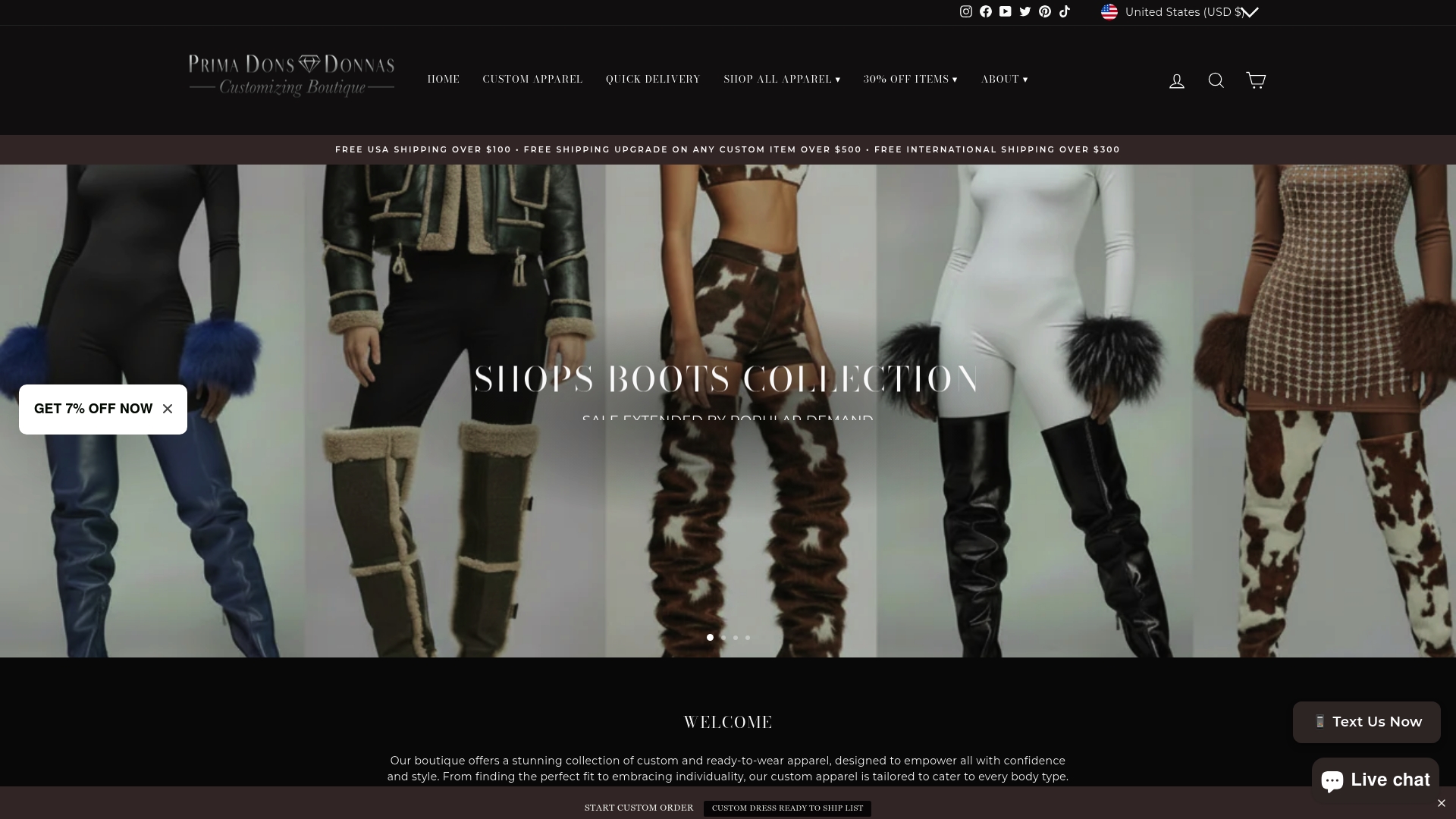
Explore our exclusive collection today at Prima Dons and Donnas and experience custom clothing and footwear tailored to your unique measurements. Whether you seek the immediacy of ready-to-ship options or the perfect fit from made-to-order pieces, our sustainable luxury fabrics ensure you never compromise comfort or aesthetic. Step into bold confidence now and redefine your wardrobe with intentional, size inclusive fashion designed just for you.
Frequently Asked Questions
What is size inclusive fashion?
Size inclusive fashion is a movement that celebrates body diversity by designing clothing that fits multiple body types, using adaptive construction techniques, and ensuring style and comfort across all sizes.
How does technology impact size inclusive fashion?
Technology impacts size inclusive fashion through advancements in 3D prototyping, adaptive measurement systems, and personalized pattern modifications, allowing for better fit and customization of garments.
What are the benefits of sustainable materials in size inclusive fashion?
Sustainable materials in size inclusive fashion contribute to environmental responsibility by reducing waste, minimizing pesticide use, and promoting eco-friendly production processes, all while maintaining luxury aesthetics.
What are the differences between ready-to-ship and made-to-order fashion?
Ready-to-ship fashion offers faster delivery with limited customization options, while made-to-order fashion allows for personalized designs but typically requires longer production times, resulting in a more tailored fit for individual preferences.
Recommended
- Inclusive Fashion: Empowering Every Body and Style – Prima Dons & Donnas
- Trends in Custom Fashion 2026: Bold Style and Personalization – Prima Dons & Donnas
- Defining Statement-Making Fashion for Confident Women – Prima Dons & Donnas
- 7 Types of Custom Fashion Every Stylish Woman Should Know – Prima Dons & Donnas


Leave a comment