

How to Store Faux Fur: A Crafter's Care Guide
Hang most faux-fur garments on a wide, padded hanger inside a breathable cotton garment bag. For long-term storage, clean the piece first, let it dry completely, lightly stuff any folds with acid-free tissue, and place it loosely in a cool, dry, ventilated spot. That two-step approach covers the majority of storage situations you’ll run into as a crafter or buyer.
Short-term storage checklist:
- Hang on a wide, padded hanger to preserve shoulder shape
- Keep away from direct heat, sunlight, and radiators
- Allow air to circulate; avoid cramming between other garments
- Use a breathable cotton or muslin garment bag, never plastic
Long-term storage checklist:
- Brush or lint-roll first to remove loose fibers
- Spot-clean or gently wash, then dry completely before storing
- Tuck acid-free tissue into folds and sleeves to prevent creasing
- Store loosely in a breathable container; skip vacuum compression bags
- Check every few months, shake gently, and re-brush the pile
The single rule that prevents most storage damage: never seal faux fur in plastic. Plastic traps moisture, which leads to odor, mildew, and permanent matting that no amount of steaming will fully reverse. Breathable cotton bags and cardboard boxes are your go-to containers, whether you’re storing a finished coat or a roll of yardage.
Key Takeaways
Proper faux fur storage comes down to three non-negotiables: breathable containers, complete drying before storage, and no compression.
| Point | Details |
|---|---|
| Hang finished garments correctly | Use wide, padded hangers and breathable cotton garment bags; never plastic covers. |
| Clean and dry before storing | Any moisture sealed into storage leads to odor and mildew; dry completely first. |
| Skip vacuum compression bags | Compression permanently mats long pile and traps moisture; use breathable bins instead. |
| Test samples before full cuts | Wash, rub-test, and inspect backing adhesion on a scrap before committing to a full roll. |
| Primadonsanddonnas made-to-order | Custom-fit faux-fur coats and dresses in any size; ready-to-ship options also available. |
Table of Contents
- How to store faux fur the right way when buying by the yard
- Which faux fur type do you need, and how does it change storage?
- Safe cleaning and drying: what actually works at home
- Storing fabric by the yard versus finished garments
- How to protect faux fur from moisture, mildew, and pests long-term
- A quick maintenance routine that keeps faux fur looking fresh
- Fixes for matted pile, odor, and shedding
- How to test samples and measure yardage before you cut
- What to expect on price, samples, and shipping in the U.S.
- Why storage matters more than most crafters realize
- Faux fur coats, custom outerwear, and made-to-order options at Primadonsanddonnas
- Sources
- FAQ
How to store faux fur the right way when buying by the yard
Before you can store faux fur properly, you need to buy the right material. The specs on a product page tell you more than the photo does.
Essential specs to check:
- Pile length: listed in inches or millimeters; determines how much the fur will mat under pressure
- Fiber content: most quality faux fur is a polyester/acrylic blend; acrylic tends to be softer, polyester more durable
- Backing type: knit backings are easier to sew and shape; woven or glued backings may delaminate with aggressive washing
- Fabric width: standard rolls run 58"–60" wide; confirm before calculating yardage
- Recommended uses: upholstery-grade faux fur differs from garment-grade; check the vendor’s suggested applications
Always order a sample before committing to a full cut. Vendors like Ice Fabrics explicitly recommend buying by the yard and testing samples to confirm pile, backing, and wash behavior. Run three quick tests on every sample: a cold-water wash, a gentle tumble or air-dry cycle, and a rub test to gauge shedding. Those three results tell you exactly what you’re working with before you spend on a full roll.
Shipping and minimums: most online retailers sell faux fur by the yard with a one-yard minimum. Remnant packs are cheaper per unit but come in fixed sizes. Full rolls suit large upholstery or costume projects. Sample swatches typically cost a few dollars each, sometimes free with a minimum order.
Pro Tip: When planning structured garments like coats, collars, or hoods, prioritize denser pile and a strong knit backing. For crafts, plushies, or trims, a lighter backing is fine and easier to cut and sew.
Which faux fur type do you need, and how does it change storage?
Faux fur sold by the yard falls into a few clear categories. The pile length is the fastest way to sort them, and it directly affects how you store and handle each type.
Short pile (0.5" or less) Resists matting and holds up to folding better than longer piles. Good for trims, upholstery, and structured garments where a sleek finish matters. You can fold short-pile yardage without much risk, though rolling is still preferred for long-term storage.
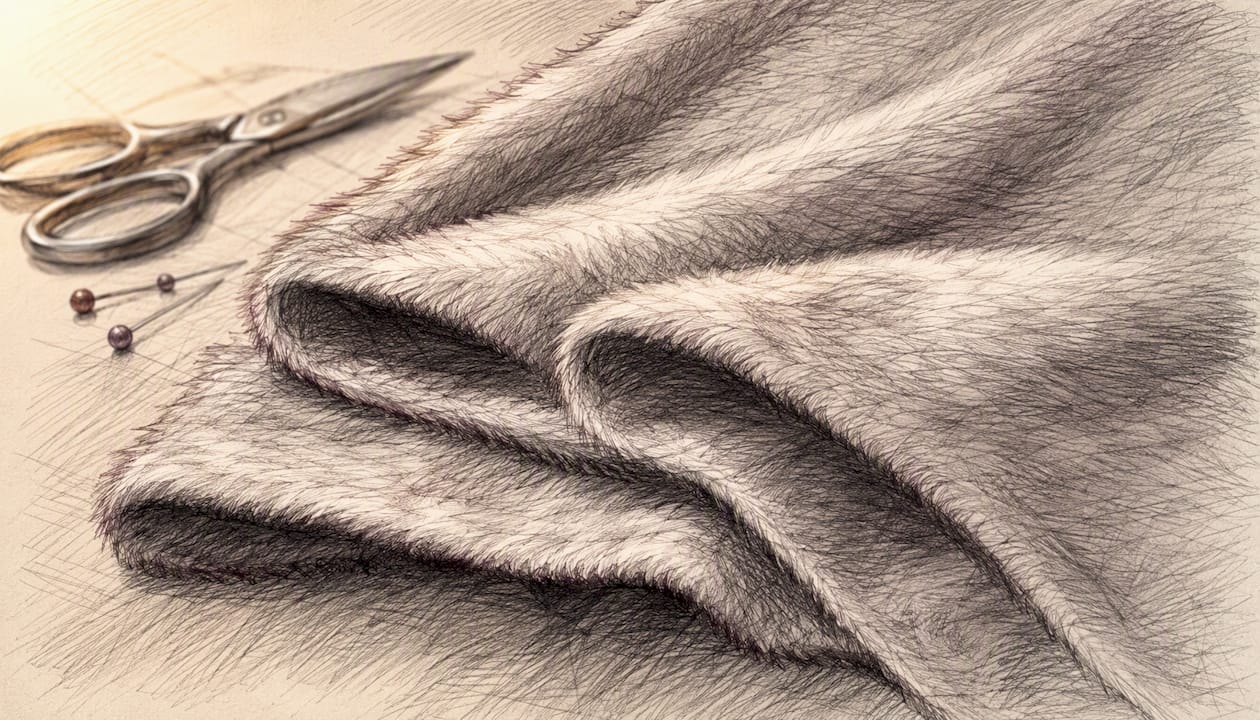
Medium pile (roughly 0.5"–1.5") The most versatile range. Works for jackets, throws, costume pieces, and home decor. Hang finished garments; roll yardage. Test the backing before sewing, since medium-pile fabrics vary widely in backing strength across vendors.
Long pile (over 1.5") Prone to tangling and crushing under pressure. Hanging is non-negotiable for finished garments. Never fold long-pile yardage tightly; roll it pile-side out around a tube. Vendors like Howl Fabrics categorize long-pile and novelty furs separately on their collection pages, which is a useful signal when you’re shopping.
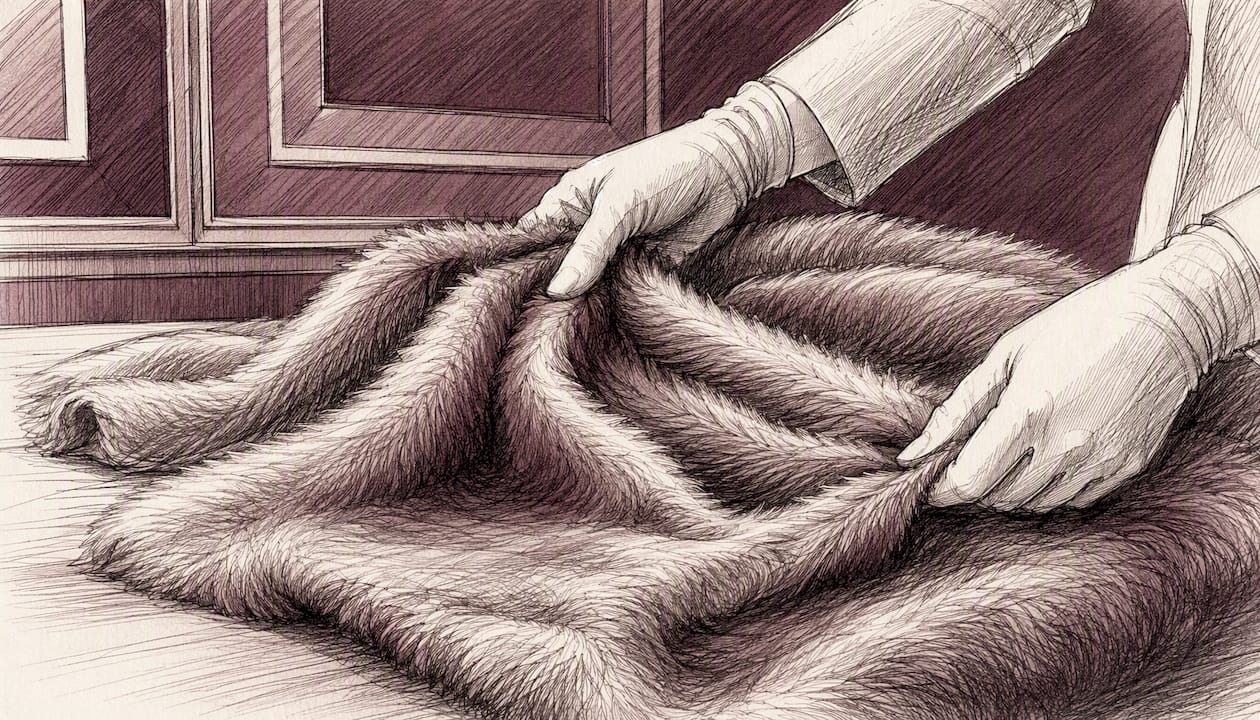
Novelty and specialty backings Knit-backed faux fur is the easiest to sew and the most forgiving in washing. Glued or thin backings can delaminate if washed aggressively or stored damp. Always inspect the backing on a sample before buying a full cut.
Storage by use-case:
- Coats and outerwear: hang on padded hangers; breathable garment bag
- Upholstery throws and blankets: roll loosely; store flat in a breathable bin
- Costume furs: hang if structured; fold loosely with tissue if flat pieces
- Plushies and small cut pieces: store in breathable fabric pouches or open bins; avoid compression
Safe cleaning and drying: what actually works at home
The answer-first rule for cleaning faux fur: remove loose debris first, spot-clean second, and only attempt a full wash if the care label permits it. Always choose the most conservative option available.
Home cleaning checklist:
- Lint-roll or brush to remove surface debris before any wet cleaning
- Cold-water hand wash or gentle machine cycle with a mild detergent
- Rinse thoroughly; detergent residue stiffens the pile
- Reshape the garment or piece while damp
- Air-dry flat or hang to dry; never use high heat
If faux fur gets wet unexpectedly, blot the excess water with a clean towel, then air-dry away from any heat source. When the pile is almost dry, gently lift it with your fingers or a wide-tooth comb. A garment steamer held at a distance can help restore flattened pile once the piece is fully dry. Direct heat from an iron or a clothes dryer on high will melt the fibers permanently.
For heavily soiled pieces, garments with glued trims, or dense backings that might delaminate, professional cleaning is the safer call. Delicate or expensive faux-fur pieces benefit from a cleaner who knows synthetic textiles.
Cleaning method comparison (qualitative guidance):
| Method | Pile safety | Best pile length | Heat risk |
|---|---|---|---|
| Spot cleaning | High | All lengths | None |
| Cold hand wash | High | Short to medium | None |
| Gentle machine cycle | Moderate | Short to medium | Low (cold water) |
| Tumble dry, low heat | Moderate | Short pile only | Moderate |
| High heat (dryer or iron) | Very low | Not recommended | High; permanent damage |
| Professional cleaning | High | All lengths | Managed by cleaner |
Pro Tip: Before any full-cleaning method, test a hidden edge or seam on your sample or scrap piece first. If the pile or backing reacts badly on the scrap, you’ve saved the main piece.
Storing fabric by the yard versus finished garments
The storage approach changes depending on whether you’re working with raw yardage or a finished piece.
Fabric by the yard:
- Roll yardage around a cardboard tube with the pile facing outward; this prevents creases and keeps the pile from compressing
- Store rolls upright so they don’t sag or flatten on one side
- Label each roll with pile direction, width, fiber content, and your intended project
- Avoid tight folds; if you must fold, place acid-free tissue at each fold line
Finished garments:
- Hang on wide, padded hangers to maintain shoulder and collar shape
- Use breathable garment bags; breathable cotton bags prevent moisture buildup while keeping dust off the pile
- Leave space between garments so the pile isn’t compressed by neighboring items
- Stuff sleeves with acid-free tissue to help them hold their shape during long storage
Workshop storage checklist:
- Keep the storage room climate-stable; avoid attics and basements where temperature and humidity swing
- Use off-floor shelving so rolls and bins stay dry
- Store small cut pieces and trims in breathable fabric pouches or open-top bins
- Keep pest-deterrent sachets (cedar works well) near stored fabric; check containers every few months
How to protect faux fur from moisture, mildew, and pests long-term
Clean and fully dry every piece before long-term storage. Any residual moisture or soil accelerates mildew growth and attracts pests. That step alone prevents the majority of long-term storage problems.
Environment targets: Professional fur-storage guidance places ideal conditions at cool, stable temperatures and moderate humidity. At home, a climate-controlled closet or interior room is the practical equivalent. Attics and basements are the two worst options: attics overheat in summer, and basements run damp year-round.
Pest prevention:
- Keep food storage well away from fabric storage areas
- Use cedar blocks or breathable sachets as deterrents; avoid mothballs, which leave a chemical odor that binds to synthetic fibers
- Check stored pieces every two to three months; shake gently and re-brush the pile
Never use plastic vacuum compression bags for faux fur. Compression crushes the pile permanently, and any trapped moisture creates the exact conditions mildew needs. Breathable cotton bags, fabric bins, or cardboard boxes with lids are the right containers. Style Miners and other storage guides consistently flag plastic covers as the top avoidable mistake for faux-fur coats.
Avoid direct sunlight in the storage area. UV exposure fades color and weakens synthetic fibers over time, even through a window. A dark, ventilated interior space is the target.
A quick maintenance routine that keeps faux fur looking fresh
A short routine between uses prevents buildup and reduces how often you need a full clean.
Daily or after-wear:
- Shake the garment to loosen surface debris
- Lint-roll areas with visible fiber pickup
- Spot-clean small marks immediately with a damp cloth and mild soap
Monthly:
- Brush gently in the pile direction with a soft-bristle brush or wide-tooth comb
- Air the garment in a shaded, ventilated spot for an hour
- Inspect seams, closures, and any glued trims for early signs of wear
Seasonal (before storage):
- Deep clean or spot clean as needed, then dry completely
- Reshape the piece while damp; hang or lightly stuff before storing
- Re-brush the pile after drying to restore volume
Shedding is usually caused by loose fibers or weak fiber bonding. Shaking, gentle brushing, and lint rollers handle most shedding issues without any washing at all. If shedding continues after brushing, run a gentle wash test on a scrap to check whether the backing is releasing fibers.
Pro Tip: Keep a soft-bristle brush or wide-tooth comb in your sewing kit. A quick pass on samples and scraps before and after washing tells you immediately how a new faux fur SKU handles handling.
Fixes for matted pile, odor, and shedding
Matted pile:
- Gently lift the pile with your fingers first
- Hold a garment steamer 6"–8" away and work in short passes; never press the steamer head directly onto the pile
- Follow with a light brush in the pile direction while the fibers are still warm and pliable
Flattened fur from folding or pressure:
- Rehang the piece immediately and let gravity do initial work
- Steam from a distance as above; avoid any direct iron contact
- High-pile faux fur can recover from flattening with careful steaming and time, but direct heat causes permanent texture loss
Odors:
- Air the piece in a shaded, ventilated outdoor area for several hours
- Skip fragrance sprays; the compounds bind to synthetic fibers and are difficult to remove
- If odor persists after airing, a cold-water hand wash with mild detergent usually resolves it
Excessive shedding:
- Use a soft brush to remove loose surface fibers
- Follow with a fabric lint roller
- If shedding continues, wash a small scrap with the same detergent and method you plan to use on the full piece; check whether the backing is releasing fibers after washing
Do not list:
- Apply a hot iron directly to faux fur
- Run a dryer on high heat
- Compress in vacuum storage bags
- Use bleach or harsh chemical solvents
- Spray perfume or fabric freshener directly onto the pile
How to test samples and measure yardage before you cut
Running a sample test before committing to a full cut is the single best way to avoid expensive mistakes. Ordering samples and running a wash-and-dry test reveals how a specific faux fur SKU handles water, detergent, and agitation before you cut into a full roll.
Sample test checklist:
- Wash a small scrap in cold water with your planned detergent (if the care label allows)
- Check for colorfastness: does the water run with dye?
- Rub test: run a dry cloth firmly across the pile and check for fiber transfer
- Inspect backing adhesion after washing: does the backing separate or bubble?
- Air-dry the scrap and compare pile volume and texture to the pre-wash state
Measuring tips:
- Always account for nap direction; faux fur has a pile direction that affects how the finished piece looks from different angles
- Add 10%–25% extra yardage for long-pile fabrics where pattern matching requires aligning the nap across seams
- Note the fabric width from the product page and recalculate if the roll you receive differs
Cutting tips:
- Mark pile direction on the wrong side with chalk before cutting
- Use sharp fabric shears; dull blades drag and pull the pile
- Test your stitch length and tension on the scrap before sewing the main pieces; faux fur backing varies in how it feeds through a machine
What to expect on price, samples, and shipping in the U.S.
Faux fur prices vary by pile length, fiber quality, and whether you’re buying remnant packs or full rolls. There’s no single flat rate, and the total project cost is always sample price plus per-yard price plus shipping.
Signals to check on product pages:
- Sample availability and cost (some vendors offer free swatches; others charge a small fee)
- Return policy on cut yardage (most retailers do not accept returns on cut fabric)
- Shipping lead times for rolls versus ready-to-ship garments
- Minimum order quantities (commonly one yard for fabric; higher for wholesale rolls)
Shipping considerations:
- Long-pile fabrics are heavier and bulkier than short-pile; shipping costs reflect that
- Full rolls ship differently than cut yardage; confirm the vendor’s roll packaging method before ordering large quantities
- Ready-to-ship finished garments typically ship faster than made-to-order pieces; factor lead time into project planning
Budget approach: add up sample cost, per-yard price, and estimated shipping before comparing vendors. A lower per-yard price with high shipping and no sample option can cost more overall than a slightly higher per-yard price with free samples and flat-rate shipping.
Why storage matters more than most crafters realize
Faux fur gets treated as the low-maintenance alternative to real fur, and that reputation is mostly earned. It doesn’t need cold storage or professional conditioning the way real fur does. But “easier than real fur” isn’t the same as “no care needed,” and that gap is where most damage happens.
The pieces that come back looking rough after a season in storage almost always share one of two problems: they were stored slightly damp, or they were compressed. Both are easy to avoid. The harder habit to build is checking stored pieces periodically rather than pulling them out only when you need them. A quick shake and a brush pass every two to three months takes under five minutes and catches problems before they become permanent.
For crafters working with yardage, the backing type is the detail that gets overlooked most often. A beautiful long-pile fabric with a weak glued backing will shed and delaminate under normal sewing and washing conditions. Testing the backing on a sample before buying a full cut is the step that separates a smooth project from an expensive lesson. The faux fur vs. real fur comparison on the Primadonsanddonnas blog covers this distinction well if you want more context on why backing construction matters for longevity.
Storage and care aren’t separate from the buying decision. They’re part of the same calculation.
Faux fur coats, custom outerwear, and made-to-order options at Primadonsanddonnas
Custom-fit faux fur changes the storage equation. A coat cut to your measurements hangs correctly on a padded hanger from day one; there’s no shoulder gap pulling the pile out of shape or a too-tight chest compressing the lining. Primadonsanddonnas builds every piece to order in any size or color, with sustainable faux-fur options across outerwear, dresses, and accessories.
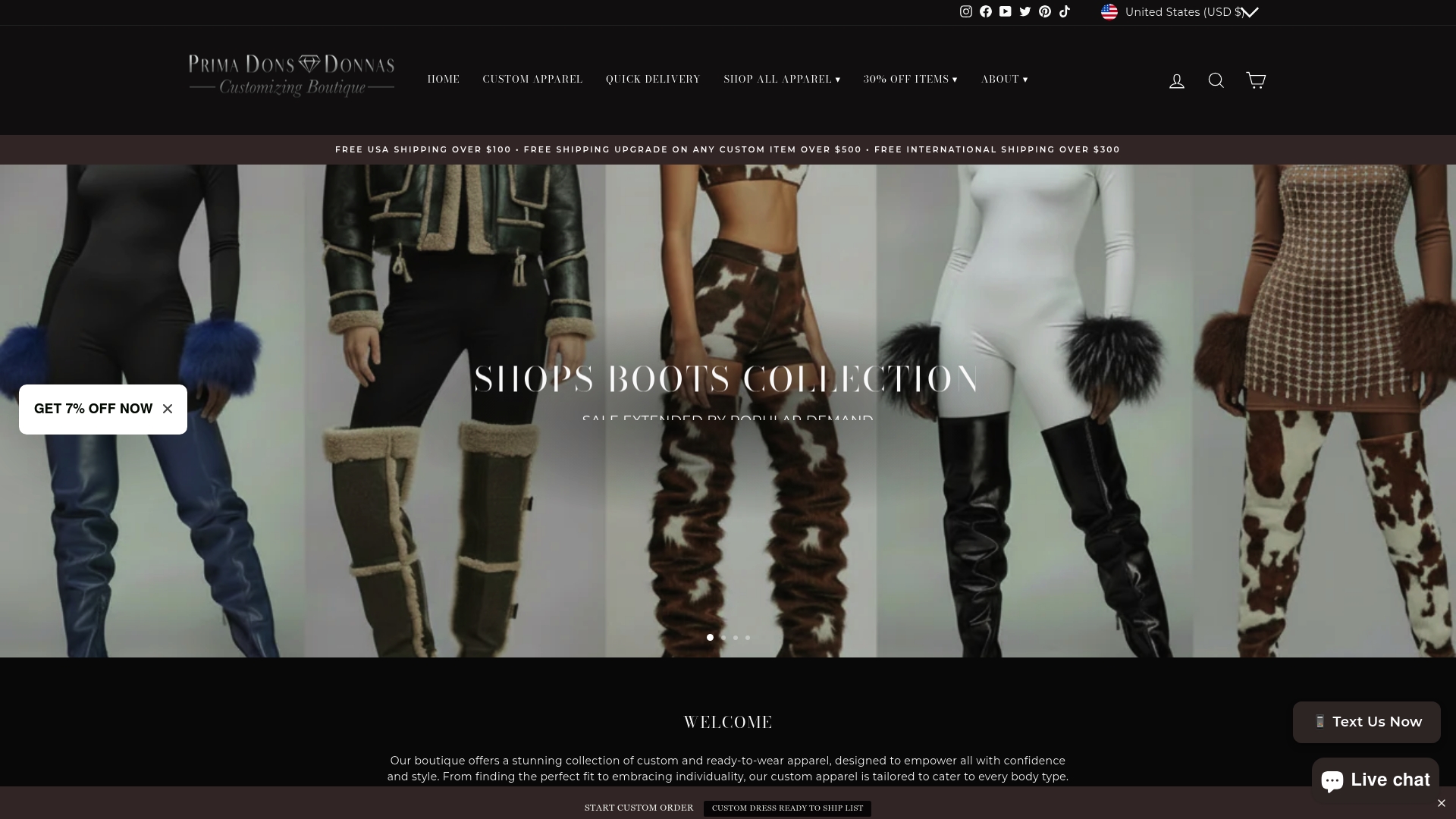
The custom outerwear collection covers made-to-order faux-fur coats and jackets sized for your body, including plus-size fits. For special occasions like concerts, birthday events, or wedding guest looks, the made-to-order dress collection includes faux-fur trim options and statement pieces that ship ready to wear. Ready-to-ship items are also available for faster delivery. Browse the faux fur and outerwear collection to find current styles, or reach out directly to request a custom piece for your next event.
Sources
- Storing Faux Fur Coats for Summer: A 2026 Care Guide - Pandemonium Millinery Faux Fur Boutique
- How to stop faux fur fabric from shedding? - X-Texture
- Faux Fur: Use and Care
- Protecting Your Faux Fur Coat: Do You Need Special Storage? - Style Miners
- Faux Fur Fabric By the Yard | Shop Soft & Stylish Faux Fur Fabric
FAQ
How do you store faux fur properly?
Hang finished garments on wide, padded hangers inside breathable cotton garment bags, away from heat and direct light. For long-term storage, clean and fully dry the piece first, lightly stuff folds with acid-free tissue, and keep it in a cool, dry, ventilated space.
Does faux fur get ruined if it gets wet?
Faux fur is not ruined by water, but heat during drying will damage it. Blot excess moisture, then air-dry away from radiators or direct sunlight; once nearly dry, gently lift the pile with your fingers or a wide-tooth comb to restore volume.
Is faux fur still in style in 2026?
Yes. Faux fur remains a strong choice for outerwear, home decor, and special-occasion pieces in 2026, with growing preference for it as a sustainable alternative to real fur. Primadonsanddonnas carries current made-to-order faux-fur coats and statement pieces for events and everyday wear.
What is the best way to store a fur coat at home?
Hang it on a wide, padded hanger inside a breathable cotton garment bag in a climate-stable closet. Avoid basements, attics, and plastic covers; check the coat every few months, shake it gently, and brush the pile to maintain volume and prevent odor.
How do you fix faux fur shedding?
Shake the piece first, then brush gently in the pile direction with a soft-bristle brush, and follow with a lint roller to remove loose fibers. If shedding continues after brushing, run a gentle cold-water wash test on a small scrap to check whether the backing is releasing fibers.
Recommended
- What Is a Faux Fur Coat? | Stylish, Ethical & Cozy Outerwear Guide – Prima Dons & Donnas
- Faux fur fashion: Style, sustainability, and personalization – Prima Dons & Donnas
- How to customize faux fur for a unique, sustainable look – Prima Dons & Donnas
- Faux Fur vs Real Fur: Which One Is Right for You? – Prima Dons & Donnas


Leave a comment