

Sustainable Options in Custom Clothing: What Matters
Finding truly sustainable custom clothing can feel overwhelming when nearly 60 percent of global fashion waste ends up in landfills every year. For fashion-conscious women seeking luxurious, individualized pieces, American labels and designers increasingly offer eco-friendly options designed for all sizes, especially plus. Choosing garments made with innovative materials and ethical practices matters because it is about personal style and environmental impact. This guide shows how sustainable custom fashion blends exclusivity, body diversity, and responsible production for a new era of luxury.
Table of Contents
- What Makes Custom Clothing Sustainable Today
- Eco-Friendly Materials And Alternatives Used
- Ethical Production And Worker Well-Being
- Technology’s Role In Sustainable Custom Fashion
- Sustainable Solutions For Plus And All Sizes
- Balancing Speed, Exclusivity, And Sustainability
Key Takeaways
| Point | Details |
|---|---|
| Sustainability as Core Strategy | Custom clothing brands are redefining fashion by prioritizing sustainability through innovative materials and ethical manufacturing processes. |
| Eco-Friendly Materials | The use of bio-based textiles and recycled fibers is transforming production, reducing environmental impact while enhancing design possibilities. |
| Ethical Production Practices | Brands must ensure fair labor practices and worker welfare, integrating transparency in supply chains to meet consumer demand for ethical standards. |
| Technology’s Impact | Digital technologies facilitate sustainable practices by reducing waste, optimizing designs, and offering personalized clothing experiences to consumers. |
What Makes Custom Clothing Sustainable Today
Sustainable custom clothing represents a sophisticated approach to fashion that transcends traditional manufacturing processes, focusing on environmental responsibility and ethical production. In recent years, brands have increasingly recognized that sustainability is not just a trend but a fundamental reimagining of how clothing is designed, produced, and consumed. Emerging research from sustainable fashion studies indicates that true sustainability requires a holistic strategy addressing multiple dimensions of clothing production.
The core elements of sustainable custom clothing today include innovative material selection, responsible manufacturing processes, and design strategies that prioritize durability and versatility. Advanced sustainable technologies now enable designers to create garments using recycled materials, organic fabrics, and low-impact production techniques. These approaches significantly reduce water consumption, minimize chemical usage, and lower the overall carbon footprint associated with clothing manufacturing. Critically, sustainable custom clothing is not about compromising style but reimagining fashion through a lens of environmental consciousness.
Key sustainable practices in custom clothing now encompass comprehensive approaches such as zero-waste pattern cutting, using biodegradable or recyclable materials, implementing circular design principles, and creating garments intended for long-term wear. Brands committed to sustainability are increasingly transparent about their supply chains, ensuring fair labor practices and tracking the environmental impact of each clothing item from conception to final production. This holistic approach transforms custom clothing from a mere aesthetic choice to a statement of environmental and social responsibility.
Pro tip: When selecting sustainable custom clothing, prioritize brands that provide clear documentation about their material sourcing, manufacturing processes, and environmental certifications.
Eco-Friendly Materials and Alternatives Used
The landscape of sustainable fashion materials has dramatically transformed, with innovative solutions emerging that challenge traditional textile production methods. Advanced machine learning approaches now support the development of customized garment designs that minimize environmental impact while maximizing material efficiency. These technologies enable designers to explore eco-friendly alternatives that were previously impossible to conceptualize or implement at scale.
Key eco-friendly materials revolutionizing custom clothing production include bio-based textiles, recycled synthetic fibers, and regenerative natural fabrics. Organic cotton, hemp, bamboo, and innovative materials like pineapple leather (Piñatex) and mushroom-derived textiles represent groundbreaking alternatives to conventional fabrics. These materials not only reduce environmental strain but also offer unique textures, durability, and aesthetic possibilities that challenge traditional fashion manufacturing paradigms. Cutting-edge research in green design principles demonstrates how computer vision and AI can help optimize material selection for both ecological sustainability and aesthetic appeal.
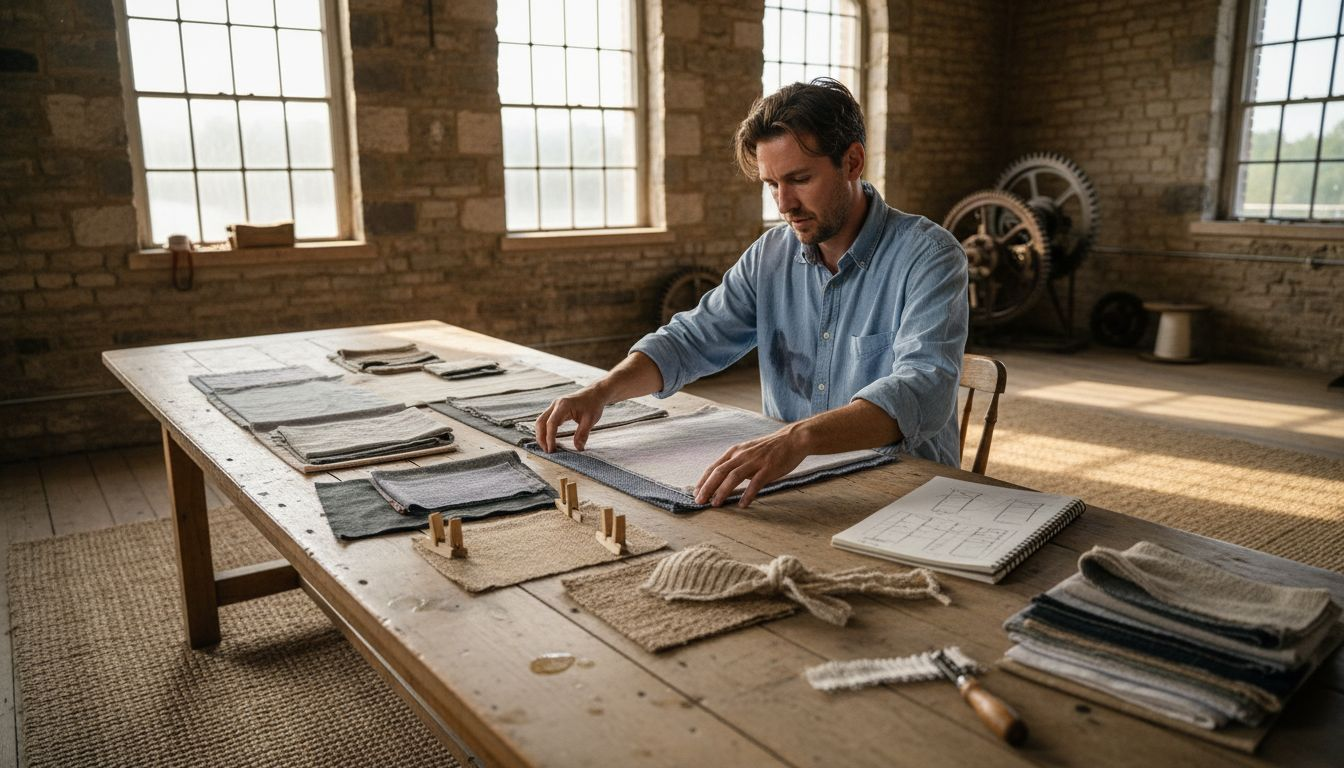
Beyond material selection, sustainable fabric alternatives now incorporate advanced technologies that enhance performance and reduce waste. Recycled polyester made from plastic bottles, tencel derived from sustainably managed forests, and fabrics created through closed-loop production processes represent sophisticated approaches to textile innovation. These materials dramatically reduce water consumption, minimize chemical usage, and create clothing with significantly lower carbon footprints compared to traditional manufacturing methods.
Pro tip: When exploring eco-friendly clothing materials, look for transparent certifications like Global Organic Textile Standard (GOTS) or Bluesign that validate a fabric’s environmental credentials.
Here’s how leading eco-friendly materials compare in custom clothing:
| Material Type | Key Benefit | Typical Source |
|---|---|---|
| Organic Cotton | Low chemical use | Sustainably farmed cotton |
| Recycled Polyester | Diverts plastic waste | Reused plastic bottles |
| Tencel/Lyocell | Low water impact | Sustainably managed wood |
| Piñatex | Leather alternative | Pineapple leaves |
| Mushroom Leather | Biodegradable & vegan | Mushroom mycelium |
| Hemp | Rapid renewable growth | Industrial hemp plants |
Ethical Production and Worker Well-Being
The foundation of truly sustainable custom clothing extends far beyond environmental considerations, encompassing the critical dimension of human rights and worker welfare. Recent industry conference agendas have consistently emphasized the paramount importance of placing workers’ rights at the center of sustainable apparel production. This holistic approach recognizes that ethical production is not just a moral imperative but a fundamental component of responsible fashion manufacturing.
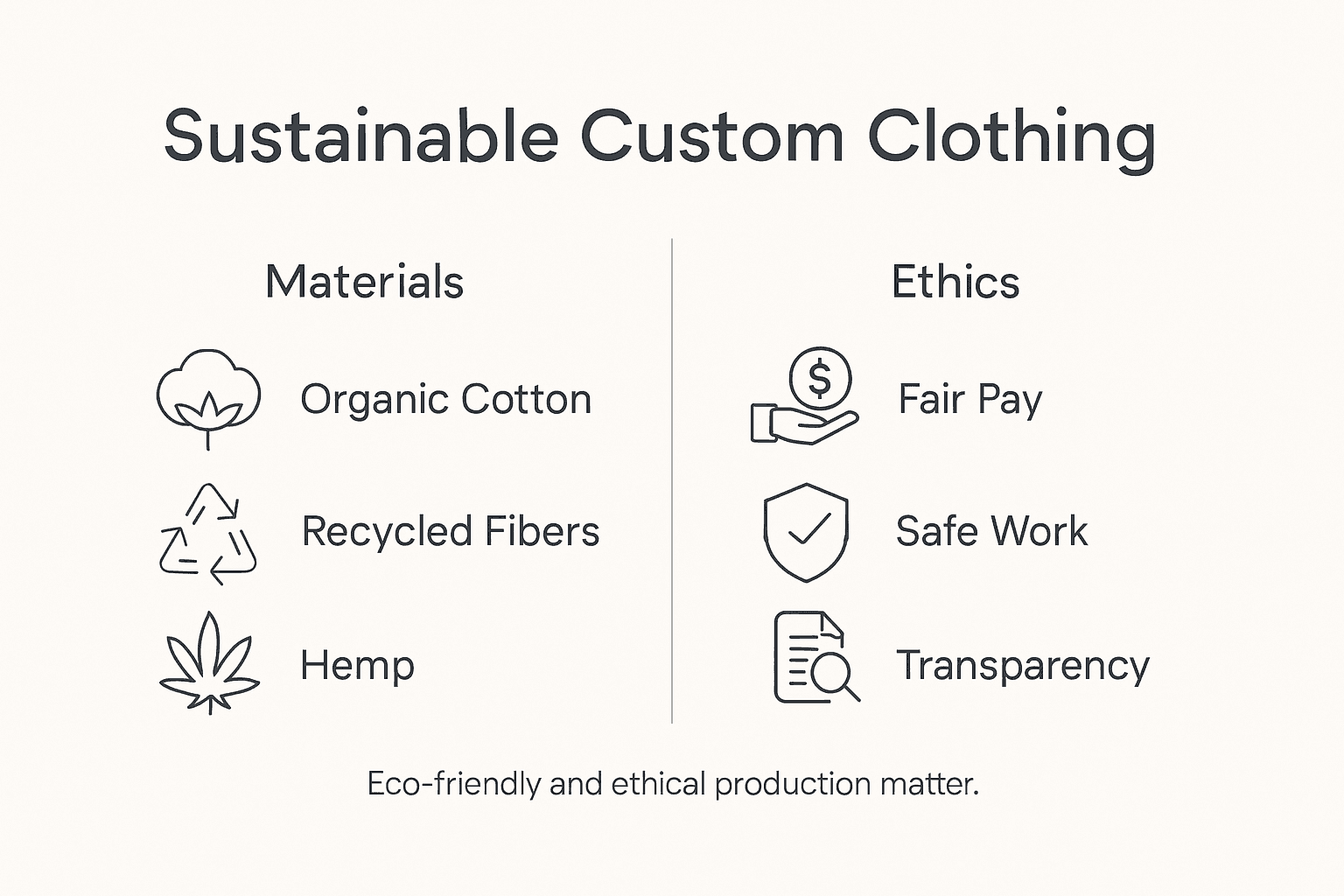
Ethical production in custom clothing involves comprehensive strategies that protect worker rights, ensure fair compensation, and create safe working environments. This includes implementing living wage standards, providing safe working conditions, eliminating child labor, and supporting worker healthcare and education initiatives. Transparent supply chains have become increasingly important, with consumers demanding visibility into the human impact of their clothing choices. Advanced brands now utilize technology to track and verify ethical practices, creating digital accountability that goes beyond traditional auditing methods.
The global landscape of ethical production requires nuanced understanding of regional labor contexts, cultural dynamics, and economic challenges. Sustainable brands are moving beyond compliance-based approaches to develop collaborative models that empower workers and local communities. This involves investing in skill development, supporting local economic ecosystems, and creating pathways for professional growth. By treating workers as essential stakeholders rather than anonymous labor, ethical custom clothing brands are reimagining the relationship between production, human dignity, and global fashion consumption.
Pro tip: When evaluating a brand’s ethical production practices, look for detailed supply chain transparency reports and third-party worker welfare certifications.
Technology’s Role in Sustainable Custom Fashion
Digital technologies are fundamentally transforming sustainable custom fashion, creating unprecedented opportunities for environmental responsibility and design innovation. Machine learning and digital simulation technologies are revolutionizing custom garment design with remarkable precision and sustainability goals, enabling designers to dramatically reduce material waste while creating more personalized clothing experiences.
Advanced technological solutions now offer multiple sustainable interventions in the fashion production process. Virtual fitting technologies allow consumers to preview garments digitally, reducing return rates and minimizing unnecessary shipping emissions. Artificial intelligence algorithms can optimize pattern cutting to minimize fabric waste, while 3D modeling enables designers to create intricate designs with minimal material consumption. These digital tools provide granular insights into production efficiency, allowing brands to make data-driven decisions that minimize environmental impact.
Circular fashion design technologies are disrupting traditional linear manufacturing models by introducing innovative approaches to material lifecycle management. Blockchain technologies now enable complete supply chain transparency, allowing consumers to trace the entire journey of their garments from raw material sourcing to final production. Sophisticated recycling technologies can now deconstruct and regenerate textile fibers, creating closed-loop systems that dramatically reduce fashion’s environmental footprint and support a more regenerative approach to clothing production.
Pro tip: Explore brands utilizing digital design technologies that offer virtual try-on experiences and provide detailed sustainability metrics for each garment.
Below is a summary of major digital technologies enhancing sustainable custom fashion:
| Technology Type | Sustainability Impact | Example Use Case |
|---|---|---|
| Virtual Fitting | Reduces returns and emissions | Try-on clothes digitally |
| 3D Modeling | Minimizes fabric waste | Precision garment design |
| Blockchain | Verifies supply chain ethics | Track sustainable materials |
| AI Pattern Cutting | Cuts production excess | Optimized material layout |
Sustainable Solutions for Plus and All Sizes
Sustainable fashion is fundamentally about inclusivity, recognizing that body diversity requires nuanced design approaches that go beyond traditional sizing models. Research on clothing consumption behaviors highlights the critical importance of developing customized solutions that minimize waste while accommodating diverse body types, challenging the one-size-fits-all paradigm that has long dominated the fashion industry.
Inclusive sustainable design involves sophisticated strategies that transform how garments are conceptualized, produced, and experienced. Advanced pattern-making technologies now enable precise fit customization across multiple body shapes, reducing material waste through exact measurements and personalized design. Everyday wearer interactions reveal that sustainable fashion must prioritize adaptable clothing solutions that enhance garment longevity and user satisfaction. This approach means creating clothing that not only fits beautifully but also supports extended use, reducing the environmental impact associated with frequent clothing replacements.
Beyond technical design, sustainable plus-size solutions require a holistic reimagining of fashion’s relationship with body diversity. This involves challenging industry assumptions about sizing, developing more inclusive design philosophies, and creating production methods that celebrate rather than marginalize different body types. Innovative brands are now developing modular clothing designs, adjustable fit technologies, and production techniques that minimize fabric waste while maximizing comfort and style across the entire size spectrum.
Pro tip: When shopping for sustainable plus-size clothing, prioritize brands that offer detailed size guides, customization options, and transparent information about their inclusive design practices.
Balancing Speed, Exclusivity, and Sustainability
Addressing the complex ‘wicked problem’ of integrating speed, exclusivity, and sustainability requires a radical reimagining of fashion’s production paradigms. The traditional fashion model, which prioritized rapid production and trend-driven consumption, is fundamentally incompatible with sustainable practices. Modern brands must now navigate a delicate balance between delivering unique, timely products and maintaining rigorous environmental and ethical standards.
Technological innovations are emerging as critical solutions to this challenge. Advanced digital design tools, artificial intelligence, and on-demand manufacturing technologies enable brands to create exclusive, personalized clothing with minimal waste. Industry forums highlight the potential of circular economy practices and slow fashion principles to reconcile the seemingly contradictory goals of speed and sustainability. These approaches involve creating limited, high-quality collections, utilizing precise production techniques that minimize overproduction, and developing transparent supply chains that allow consumers to understand the true value of their clothing.
The future of sustainable custom fashion lies in reimagining exclusivity not as a volume-driven concept, but as a measure of craftsmanship, environmental responsibility, and individual expression. This means developing production models that prioritize quality over quantity, leveraging technology to create personalized experiences, and educating consumers about the true cost of fast fashion. Brands that successfully navigate this landscape will transform exclusivity from a symbol of consumption to a statement of conscious choice and environmental stewardship.
Pro tip: Seek out brands that offer limited edition collections with clear sustainability metrics, focusing on quality, craftsmanship, and transparent production processes.
Discover Sustainable Custom Clothing Designed Just for You
The article highlights key challenges in sustainable custom clothing such as balancing exclusivity, ethical production, and eco-friendly material choices while embracing personalization and inclusivity. Prima Dons and Donnas expertly addresses these concerns by offering made-to-order fashion tailored to any size or color, blending bold luxury with sustainable choices like high-quality faux fur. This approach meets the goal of delivering exclusive, environmentally responsible, and confident style without compromise.
Experience fashion that puts your individuality first and respects our planet. With transparency about materials and craftsmanship, Prima Dons and Donnas lets you express your unique identity while supporting ethical production and sustainability. Explore how custom design, comfort, and conscious choices come together to redefine modern fashion.
Step into your exclusive sustainable style today.
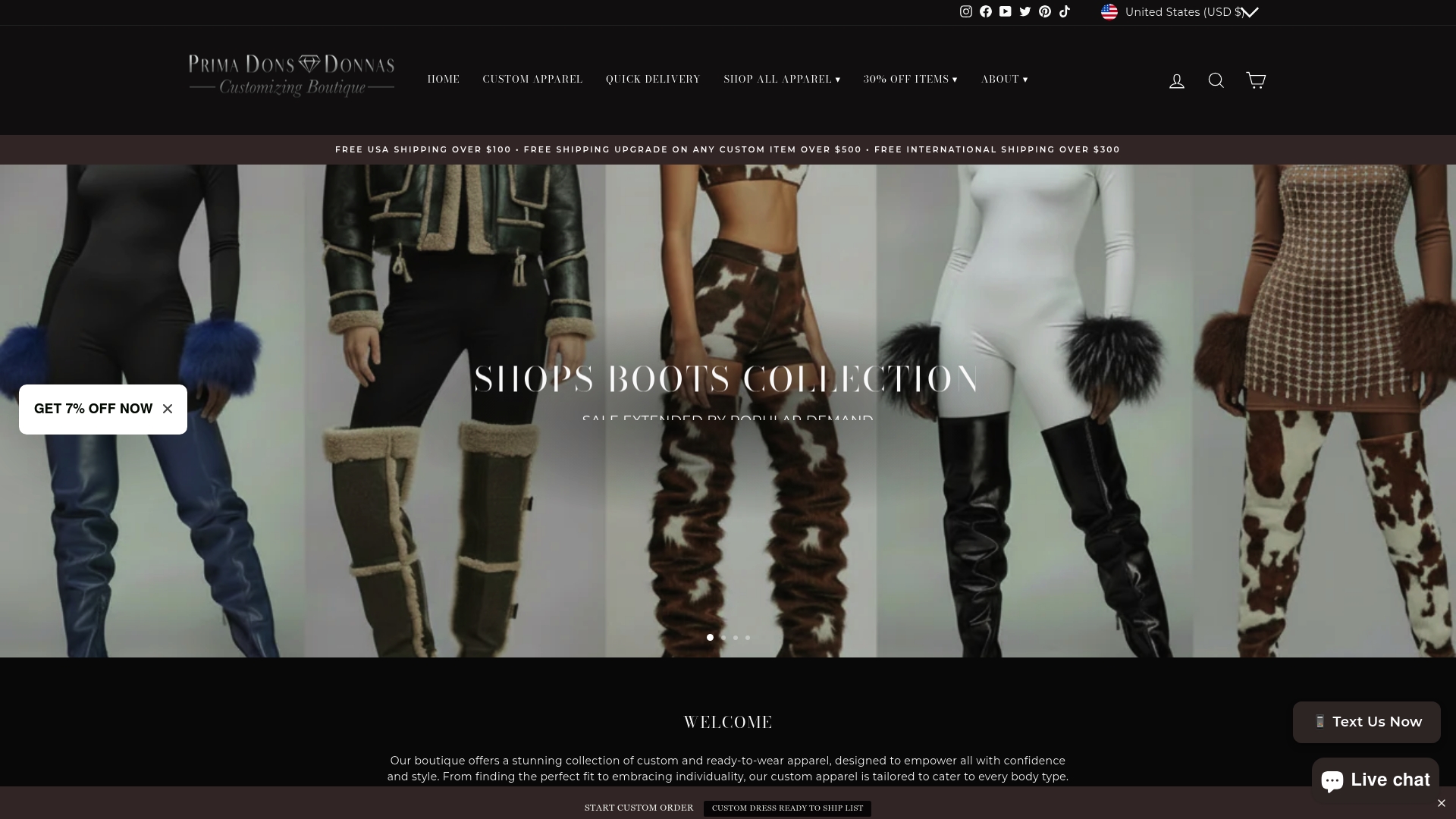
Explore our collection and personalize your statement pieces now at Prima Dons and Donnas. Discover more about how we combine bold design with sustainability on our landing page and see why conscious fashion made just for you is the future of elegance.
Frequently Asked Questions
What makes custom clothing sustainable today?
Sustainable custom clothing focuses on environmental responsibility and ethical production. It includes innovative material selection, responsible manufacturing processes, and design strategies that prioritize durability and versatility.
What are some eco-friendly materials used in sustainable custom clothing?
Key eco-friendly materials include organic cotton, recycled synthetic fibers, and regenerative natural fabrics like hemp, bamboo, Piñatex (pineapple leather), and mushroom-derived textiles, which reduce environmental strain while offering unique textures and durability.
How does ethical production contribute to sustainable custom clothing?
Ethical production ensures worker rights, fair compensation, and safe working conditions. Brands committed to sustainability prioritize transparency in their supply chains and invest in worker welfare, creating a holistic approach to responsible fashion manufacturing.
What role does technology play in sustainable custom fashion?
Technology aids in sustainable custom fashion through digital design tools, virtual fitting technologies, and blockchain for supply chain transparency. These innovations reduce material waste, optimize production efficiency, and enhance the custom garment design process.


Leave a comment