

The Role of Creativity in Fashion: Design, Style, and You
TL;DR:
- Creativity drives each stage of fashion design, from research to final market release.
- It acts as a visual language that expresses personal identity and cultural stories through garments.
Creativity in fashion is defined as the essential force that transforms raw materials and ideas into expressive, culturally resonant garments that shape trends and personal identity worldwide. The role of creativity in fashion extends far beyond aesthetics. It drives the entire design process, from the first sketch to the final product on the rack. Creativity integrates artistic vision with technical skills like CAD drafting and hand-sewing, and it shapes how brands connect with their audiences. Whether you are building a personal wardrobe for a wedding, a concert, or a lunch date, understanding how creativity works in fashion gives you real power over your own style.
What is the role of creativity in fashion design?
Creativity is the engine of fashion design. It produces original concepts, solves construction problems, and communicates identity through fabric, color, and silhouette. Without it, fashion becomes mere uniform production. Creativity drives product novelty, customer engagement, and speed to market, especially for smaller brands that rely on creative output rather than massive research budgets.
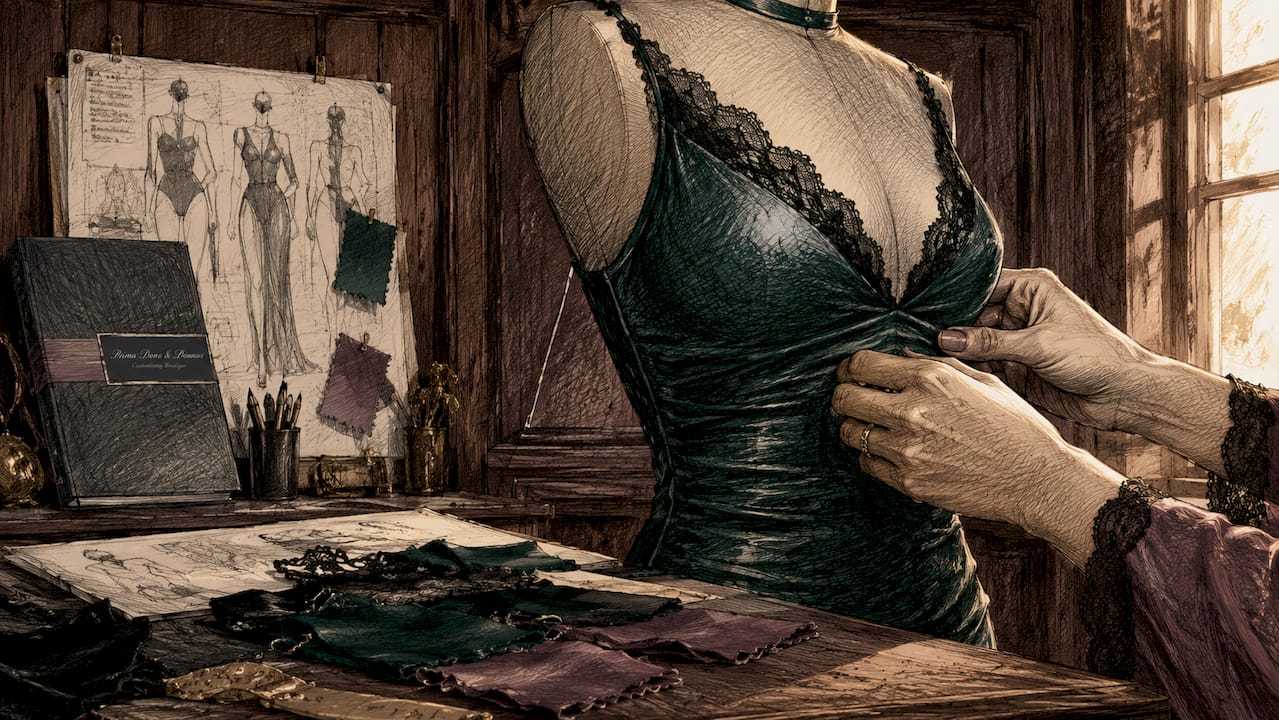
Fashion creativity also functions as a visual language. Designers transform raw materials into wearable art that reflects complex human experiences. A draped silhouette can signal confidence. A bold color block can announce cultural pride. This is why the importance of creativity in fashion goes well beyond making something pretty. It is about making something meaningful.
Brands that treat creativity as a core business function, not just an aesthetic exercise, consistently produce stronger collections and build deeper customer loyalty. Primadonsanddonnas operates on exactly this principle, designing each piece with bold intention and personal expression at the center.
How does the fashion design process apply creativity step by step?
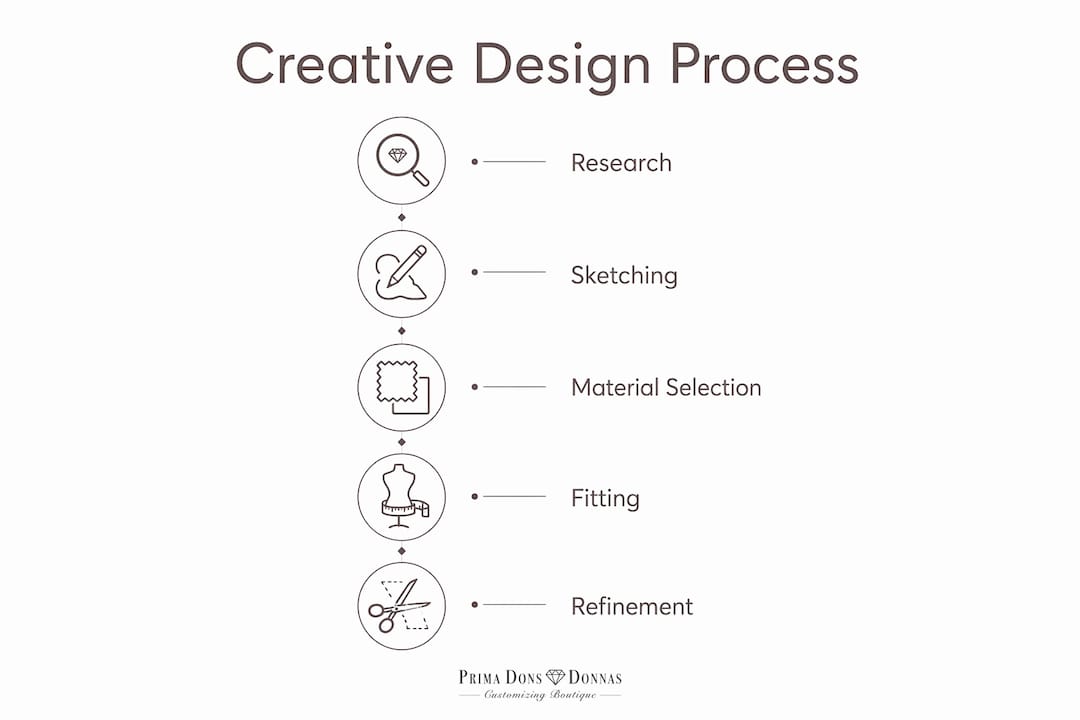
The fashion design process applies creativity through five structured stages, and each one demands a different kind of creative thinking.
- Research. Designers study cultural movements, historical references, and current trends. This stage feeds the imagination with raw material.
- Ideation. Sketching begins here, and velocity matters. Sketching 30 silhouette variations early in the process leads to better aesthetic and commercial decisions. More options mean more room to find the right answer.
- Prototyping. A concept becomes a physical sample. This is where artistic vision meets technical feasibility. Seam allowances, fabric behavior, and fit all push back against the original idea, and creativity adapts.
- Refinement. The sample gets edited. Proportions shift. Colors get swapped. The designer balances originality with what a real person can actually wear.
- Market release. The final piece goes to production and reaches the customer. Commercial goals and creative integrity must coexist at this stage.
Creativity requires disciplined process and multiple early variations to balance originality with executable technical detail. Skipping steps collapses the quality of the final product.
Pro Tip: When building your personal style, borrow this process. Research looks you admire, sketch or collect 10 to 15 reference images, then narrow down to three that feel most like you before you shop or commission anything.
How does creativity express personal identity and cultural narratives through fashion?
Fashion creativity acts as a visual language that communicates who you are before you say a word. Storytelling in fashion integrates visual symbols, mood maps, and narrative frameworks to create emotional brand connections. A garment is never just fabric. It carries a story.
Consider what happens when you choose an outfit for a special occasion. A party dress in deep burgundy with structured shoulders tells a different story than a flowy floral midi. Both are dresses. The creativity behind each one, in cut, color, and detail, determines the message you send.
Fashion creativity also reinforces cultural belonging. Designers who draw from their heritage use symbols, textiles, and construction techniques that carry generational meaning. This is how fashion becomes a form of cultural transmission, not just personal expression.
“Fashion creativity functions as a visual language expressing complex personal identities and cultural narratives beyond mere garments. Designers transform raw materials into wearable art that reflects the full range of human experience.”
The most powerful personal style choices work the same way. They are not random. They are intentional. Intentional fashion design connects what you wear to who you are and what you want to communicate. That connection is what makes an outfit memorable.
How do interdisciplinary influences shape creativity in fashion?
Fashion does not exist in isolation. Fashion design draws on architecture, painting, sculpture, and music to enrich conceptual and emotional depth in garments. These connections move fashion beyond clothing production into cultural expression.
The table below shows how specific disciplines feed into fashion creativity.
| Discipline | Creative contribution to fashion |
|---|---|
| Architecture | Structural silhouettes, geometric forms, and construction logic |
| Painting | Color theory, surface pattern, and visual composition |
| Sculpture | Three-dimensional draping, volume, and tactile texture |
| Music | Rhythm in print repetition, mood in collection themes |
| Film | Narrative arc, character-driven styling, and visual storytelling |
Each discipline adds a layer that pure garment construction cannot provide on its own. A designer who studies architecture thinks differently about a jacket’s shoulder line. One who listens closely to music approaches a collection’s mood with more intention.
This is also why fashion innovation consistently comes from designers who read widely, travel, visit galleries, and engage with the world outside the studio. Cross-disciplinary exposure is not optional for serious creative work. It is the source.
Accessories follow the same logic. A well-designed accessory, like the Alexa Infinity Loop Apple Watch band from WizeBand, shows how industrial design principles and fashion aesthetics can merge into a single wearable object. That kind of crossover thinking is exactly what elevates everyday style.
What role does AI play in enhancing creativity in fashion?
Generative AI is now a practical tool in the fashion design process, not a distant concept. AI acts as a cognitive collaborator, helping designers through rapid iteration and divergent thinking without replacing human creativity. It handles the mechanical side of ideation so the designer can focus on judgment and taste.
The evidence from education is direct. 100% of participants in a structured 4-hour AI-assisted design workshop showed a qualitative shift from conventional to culturally integrated designs. That result shows AI does not flatten creativity. It expands it.
AI tools help designers overcome creative blocks by generating pattern variations, color combinations, and silhouette options at speed. The designer then curates, edits, and applies human judgment to the output. The creative authorship stays with the person. The machine handles the volume.
Pro Tip: If you feel stuck on a personal style decision, use an AI image tool to generate outfit combinations based on a mood or occasion. Treat the output as a starting point, not a final answer. Your instinct is still the editor.
Personalized fashion in 2026 increasingly relies on AI to match individual preferences with available options. For fashion enthusiasts, this means more access to styles that actually fit your life, your body, and your creative vision.
Key Takeaways
Creativity is the structured, disciplined force that drives fashion from concept to cultural expression, and every fashion enthusiast benefits from understanding how it works.
| Point | Details |
|---|---|
| Creativity drives the full design process | Five structured stages, from research to market release, each require a distinct creative approach. |
| Ideation volume improves outcomes | Sketching 30 or more variations early leads to stronger aesthetic and commercial decisions. |
| Fashion is visual storytelling | Symbols, silhouettes, and color choices communicate identity and cultural meaning before words do. |
| Interdisciplinary input deepens creativity | Architecture, music, painting, and sculpture each contribute unique creative tools to fashion design. |
| AI expands creative range | Generative AI helps designers iterate faster and think more divergently without replacing human authorship. |
Creativity as a discipline, not a talent
I used to think creativity in fashion was something you either had or you did not. After years of watching designers work and studying how collections actually get built, I changed my mind completely.
Creativity is a lifelong journey shaped by curiosity and perseverance, not a fixed trait. The designers who produce the most original work are the ones who show up consistently, study obsessively, and treat every creative block as a problem to solve rather than a sign they do not belong.
What I find most useful is the idea of structured creativity. You do not wait for inspiration. You build a process that generates it. You research, you sketch in volume, you prototype badly on purpose, and you refine. The magic happens inside that structure, not outside it.
For fashion enthusiasts who are not professional designers, the same principle applies. Your personal style gets sharper when you treat it as a practice. You collect references, you experiment with new combinations, you pay attention to what feels right and what does not. Over time, that practice builds a creative vocabulary that is entirely your own.
The tools available now, including AI, interdisciplinary references, and made-to-order options, make it easier than ever to act on your creative instincts. Use them. Your style is worth the effort.
— Latoya
Custom pieces built for your creative vision
Creative style deserves clothes that actually match it. Primadonsanddonnas builds every piece to order, in any size and any color, so your outfit for a party, a wedding, a concert, or a lunch date reflects exactly what you had in mind.
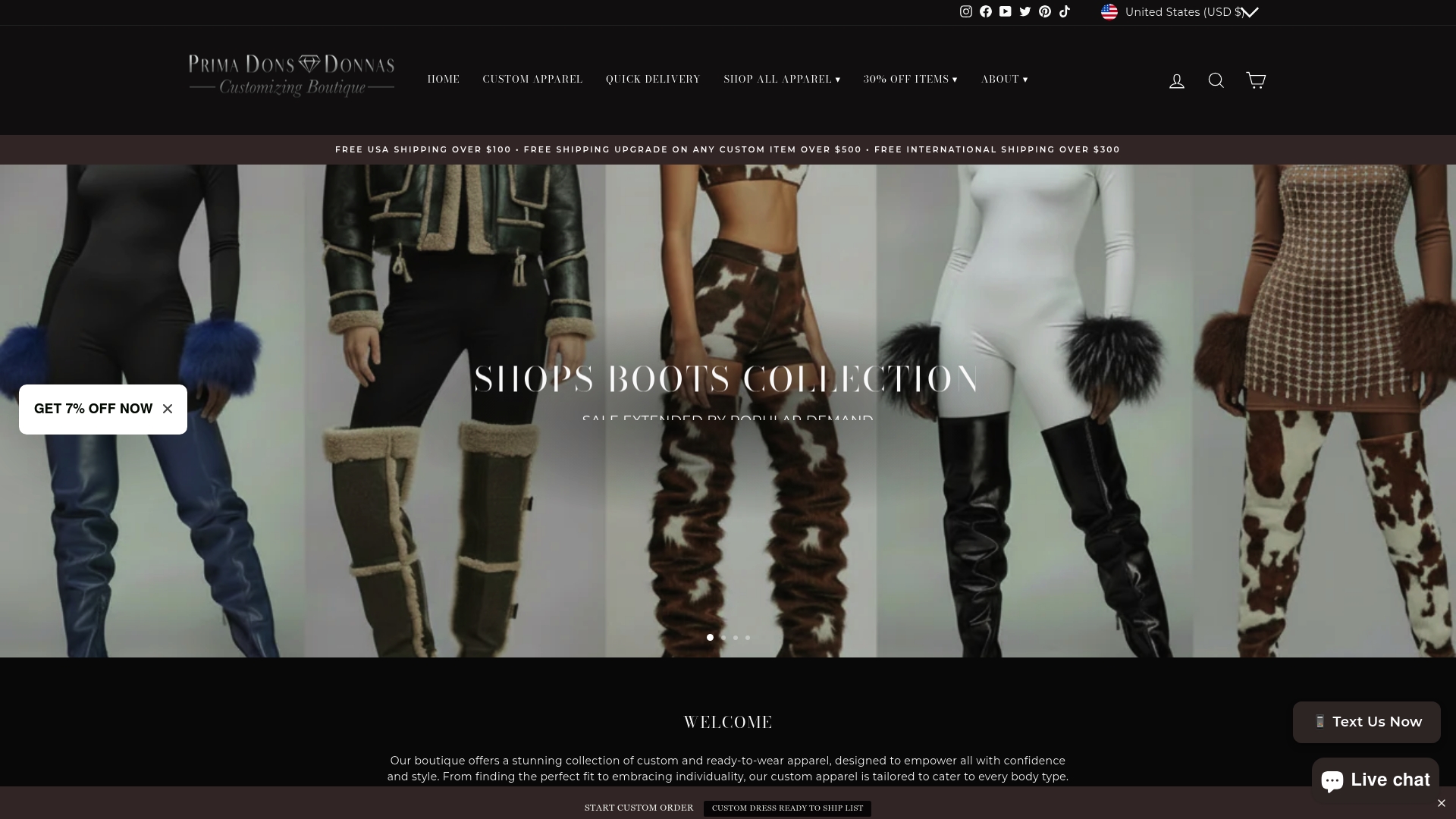
The made-to-order dress collection covers everything from bold statement gowns to sleek event-ready silhouettes, all built to your measurements. Need outerwear that makes an entrance? The custom outerwear collection delivers structured coats and faux fur options that are both conscious and striking. Plus-size options are available across all collections. Ready-to-ship pieces are also in stock for faster delivery when your event is coming up fast.
FAQ
What is the role of creativity in fashion?
Creativity in fashion is the process of transforming ideas, cultural references, and technical skills into original garments that express identity and drive trends. It operates across every stage of design, from initial research to final production.
How does creativity influence fashion trends?
Creativity influences fashion trends by introducing new silhouettes, color stories, and cultural references that resonate with audiences and get adopted across the market. Designers who produce high volumes of early variations consistently identify stronger trend directions.
Why is storytelling important in fashion design?
Storytelling builds emotional connections between a garment and its wearer by using visual symbols, mood references, and narrative themes. Effective fashion narratives create cohesive brand identities and make individual pieces more meaningful.
How does AI support creativity in fashion design?
AI acts as a cognitive collaborator that generates rapid design variations and helps designers overcome creative blocks. It expands divergent thinking without replacing the human judgment that determines which ideas are worth developing.
How can fashion enthusiasts apply creativity to their personal style?
Fashion enthusiasts build personal style through the same structured process designers use: researching references, experimenting with combinations, and refining based on what feels authentic. Treating style as a practice, not a one-time decision, produces the clearest creative results.
Recommended
- Custom Fashion and Self-Expression: Why It Matters – Prima Dons & Donnas
- Why Fashion Reflects Individuality in Modern Style – Prima Dons & Donnas
- Fashion Individuality Explained: Making Style Personal – Prima Dons & Donnas
- Express your individuality through fashion: a style guide – Prima Dons & Donnas


Leave a comment