

Understanding Made-to-Measure Trends in 2026
TL;DR:
- Made-to-measure tailoring adjusts standard patterns for individual fit, bridging ready-to-wear and bespoke options.
- Technology like 3D scanning and AI improves accuracy, reduces returns, and makes personalized clothing more accessible.
Made-to-measure tailoring is defined as the practice of adjusting a standard garment pattern to fit an individual’s specific body measurements, placing it between ready-to-wear and fully bespoke fashion. The custom menswear market is valued at approximately $50–55 billion as of Q2 2026, with 10–12% yearly growth driven by demand for individualistic apparel. That figure signals a clear shift: fashion enthusiasts and conscious consumers are moving away from mass-produced clothing toward garments built around their actual bodies. Understanding made-to-measure trends means recognizing this shift as both a cultural statement and a practical wardrobe decision. Technology like 3D body scanning and AI-assisted measurement is accelerating the movement, making personalized apparel more accessible than ever before.
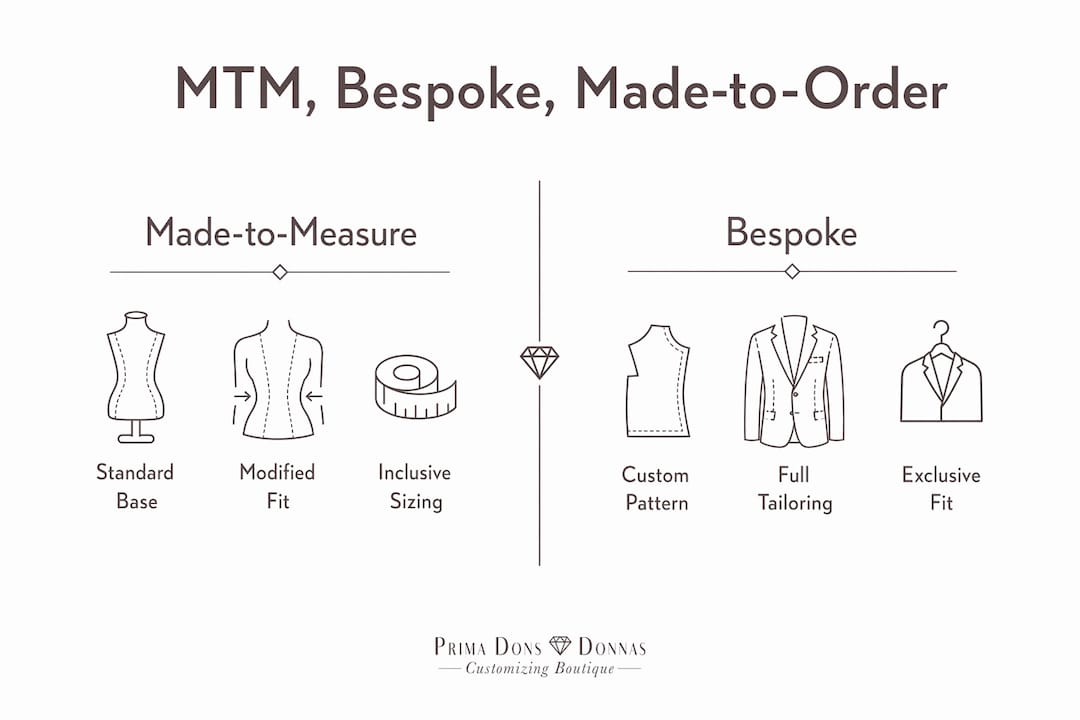
What is the difference between made-to-measure, bespoke, and made-to-order?
These three terms describe different levels of garment customization, and confusing them leads to mismatched expectations. Understanding made-to-measure design starts with knowing exactly where it sits in the customization spectrum.
Made-to-measure (MTM) adjusts a pre-existing pattern to your measurements. The tailor modifies a block pattern rather than drafting one from scratch. This approach delivers a noticeably better fit than off-the-rack clothing without the time and cost of full bespoke work. For more detail on how these options compare, the MTM vs. bespoke breakdown on the Primadonsanddonnas blog is worth reading.
Bespoke tailoring starts from a blank slate. Every pattern is drafted specifically for your body, and the process typically requires 3–5 fittings over 4–8 weeks. The result is the highest level of fit precision available, but the cost and time commitment reflect that. Entry-level bespoke pricing sits well above MTM.
Made-to-order refers to garments produced after a customer places an order, often using standard sizing but manufactured on demand. It reduces overstock but does not always involve individual measurement adjustments. Primadonsanddonnas operates in this space, producing custom clothing and footwear tailored to any size or color after an order is placed.
| Feature | Made-to-Measure | Bespoke | Made-to-Order |
|---|---|---|---|
| Pattern origin | Modified standard block | Drafted from scratch | Standard or semi-custom |
| Fittings required | 1–2 sessions | 3–5 sessions | Usually none |
| Timeline | Weeks | 4–8 weeks | Varies by brand |
| Entry-level price | From $200 | Significantly higher | Varies widely |
| Fit precision | High | Highest | Moderate |
Pro Tip: When choosing between MTM and bespoke, ask yourself how often you will wear the garment. For everyday wear or special occasions like concerts and lunch dates, MTM delivers excellent value. Reserve bespoke for once-in-a-decade pieces like a wedding suit.
How is technology changing the made-to-measure experience?
Technology is the single biggest factor reshaping custom clothing trends right now. It removes the guesswork from fit and makes personalized apparel accessible to customers who cannot visit a tailor in person.
The most significant development is 3D body scanning. Digital measurement technology has reduced product returns by over 30% as of may 2026. That reduction matters because returns are one of the biggest cost and waste drivers in fashion retail. Fewer returns mean less overproduction and a cleaner supply chain.
Here is how technology is improving the made-to-measure process right now:
- 3D body scanning creates a precise digital model of your measurements in minutes, replacing the tape measure and reducing human error.
- AI-assisted fit recommendations analyze your measurement data and suggest pattern adjustments. The most effective systems combine AI with verified tailoring expertise rather than relying on predictions alone.
- Digital garment visualization lets you preview a finished piece before production begins. This reduces buyer uncertainty and aligns your expectations with the final product.
- Fit history tracking stores your measurement profile across orders. Each new garment benefits from adjustments made on previous ones, improving accuracy over time.
- Inventory-light retail models allow brands to produce only what customers order, cutting storage costs and waste significantly.
The combination of human tailoring skill and machine learning is the direction the industry is heading. Neither works as well alone. A tailor without data misses subtle posture details. An algorithm without tailoring knowledge produces technically accurate but poorly constructed garments.
Why are consumers choosing personalized apparel over mass-produced fashion?
The shift toward made-to-order styles is not just about fit. It reflects deeper changes in how people think about clothing, identity, and consumption.
-
Individuality over uniformity. Younger consumers view custom as democratic luxury, a way to reclaim personal style in an era of algorithm-driven mass fashion. Wearing something made for your body, in your chosen color, is a direct rejection of trend cycles that tell everyone to dress the same way.
-
Hybrid work demands. The shift to hybrid schedules has created a need for clothing that works on a video call and in a boardroom on the same day. Off-the-rack rarely solves the fit problems that make this transition uncomfortable. MTM clothing addresses shoulder fit, sleeve length, and torso proportions that standard sizing ignores.
-
Sustainability. Ordering only what is needed and choosing quality fabrics that last years is a direct sustainability gain. Consumers increasingly prioritize durability over quantity, and a well-made custom piece worn for a decade beats five fast-fashion items worn twice each.
-
Emotional connection. A garment made to your specifications carries a different weight than something pulled from a rack. The process of choosing fabric, color, and cut creates ownership and attachment that mass production cannot replicate.
“Customization is no longer a privilege reserved for the wealthy. It is a form of self-expression that younger generations are actively reclaiming, one garment at a time. The brands that understand this are building loyal customers, not just completing transactions.”
This cultural shift supports the personalized fashion advantages that conscious consumers are increasingly vocal about. Fashion is becoming less about following trends and more about building a wardrobe that reflects who you actually are.
How to choose tailored clothes and work with a made-to-measure provider
Getting the most from a custom garment requires preparation before you ever speak to a tailor or place an online order. Understanding custom garment preferences starts with knowing what you want and how to communicate it clearly.
- Articulate the “why” behind your style references. Clients who explain specific elements they want, such as a wider lapel or a relaxed shoulder, get better results than those who simply show a photo. A Vogue report on Gen Z tailoring found that describing the function and feel you want enables more accurate tailoring outcomes than visual references alone.
- Build a fit history. Keep records of what worked and what did not across your orders. Fit history and consistent relationships with your provider improve accuracy over time. This is especially true for posture-related adjustments like shoulder slope and back width.
- Choose fabrics that match your lifestyle. A bold faux fur coat for a winter concert requires different fabric thinking than a tailored dress for a wedding or a lunch date. Primadonsanddonnas offers sustainable faux fur options that deliver luxury aesthetics without the ethical cost of real fur.
- Manage your fit expectations. MTM often takes 1–2 garments before the pattern is fully refined for your body. This is normal, not a failure. Treat the first order as the beginning of a relationship, not a one-time transaction.
- Use virtual fitting tools when available. Digital visualization and remote measurement options reduce the need for in-person visits while still delivering accurate results. Combine virtual tools with clear written feedback for the best outcome.
- Prioritize pieces for high-impact occasions. Start with garments you wear most or that matter most, such as a party dress, a wedding outfit, or plus-size boots for a special event. These pieces justify the investment and give you the clearest sense of what personalized fashion delivers.
Pro Tip: Before your first MTM order, write down three things you dislike about how your current clothes fit. Share that list with your provider. Specific complaints produce better pattern adjustments than general requests for “a better fit.”
The personalized fashion guide on the Primadonsanddonnas site covers the fit, style, and sustainability benefits in more depth for conscious consumers ready to make the switch.
Key Takeaways
Made-to-measure fashion delivers the best balance of fit, cost, and turnaround time for conscious consumers who want personalized clothing without the full commitment of bespoke tailoring.
| Point | Details |
|---|---|
| MTM sits between ready-to-wear and bespoke | It adjusts standard patterns to your measurements, offering better fit at lower cost and time than bespoke. |
| Technology is reducing fit uncertainty | 3D scanning and AI-assisted tools have cut returns by over 30%, making custom apparel more reliable. |
| Culture is driving demand | Younger consumers treat custom clothing as a form of self-expression and a rejection of mass-produced uniformity. |
| Fit improves across orders | Maintaining a fit history with your provider leads to more accurate garments with each new piece. |
| Sustainability is a real benefit | Ordering only what you need and choosing durable fabrics reduces waste and extends garment life. |
What I have learned from watching made-to-measure fashion grow
I have followed the made-to-measure space long enough to see it go from a niche tailoring service to a genuine cultural movement. What strikes me most is how the conversation has shifted. Five years ago, people asked whether custom clothing was worth the price. Now they ask how to get started.
The technology argument is real, but I think it gets overstated. Scanning your body and feeding data into an algorithm does not replace the judgment of a skilled tailor who notices how you stand, how you carry your shoulders, or how you move. The best outcomes I have seen come from brands that use technology to support human expertise, not replace it.
What I find genuinely exciting is the shift from trend-driven dressing to what I call narrative dressing. Consumers are building wardrobes that tell a story about who they are, not what season it is. A custom dress for a concert, a tailored coat for a wedding, a pair of plus-size boots built to your exact measurements. These are not impulse purchases. They are deliberate choices that reflect real identity.
My honest advice: do not wait until you have a “perfect” occasion to try made-to-measure. Start with one piece that you wear often and care about. The experience of wearing something built for your body changes how you think about every other garment in your closet. That shift in perspective is worth more than any single trend report.
— Latoya
Custom clothing made for you, ready when you are
Primadonsanddonnas builds every piece around the customer, not the other way around. Whether you are dressing for a party, a concert, a wedding, or a lunch date, the made-to-order dress collection covers bold, confident styles in any size and color you choose.
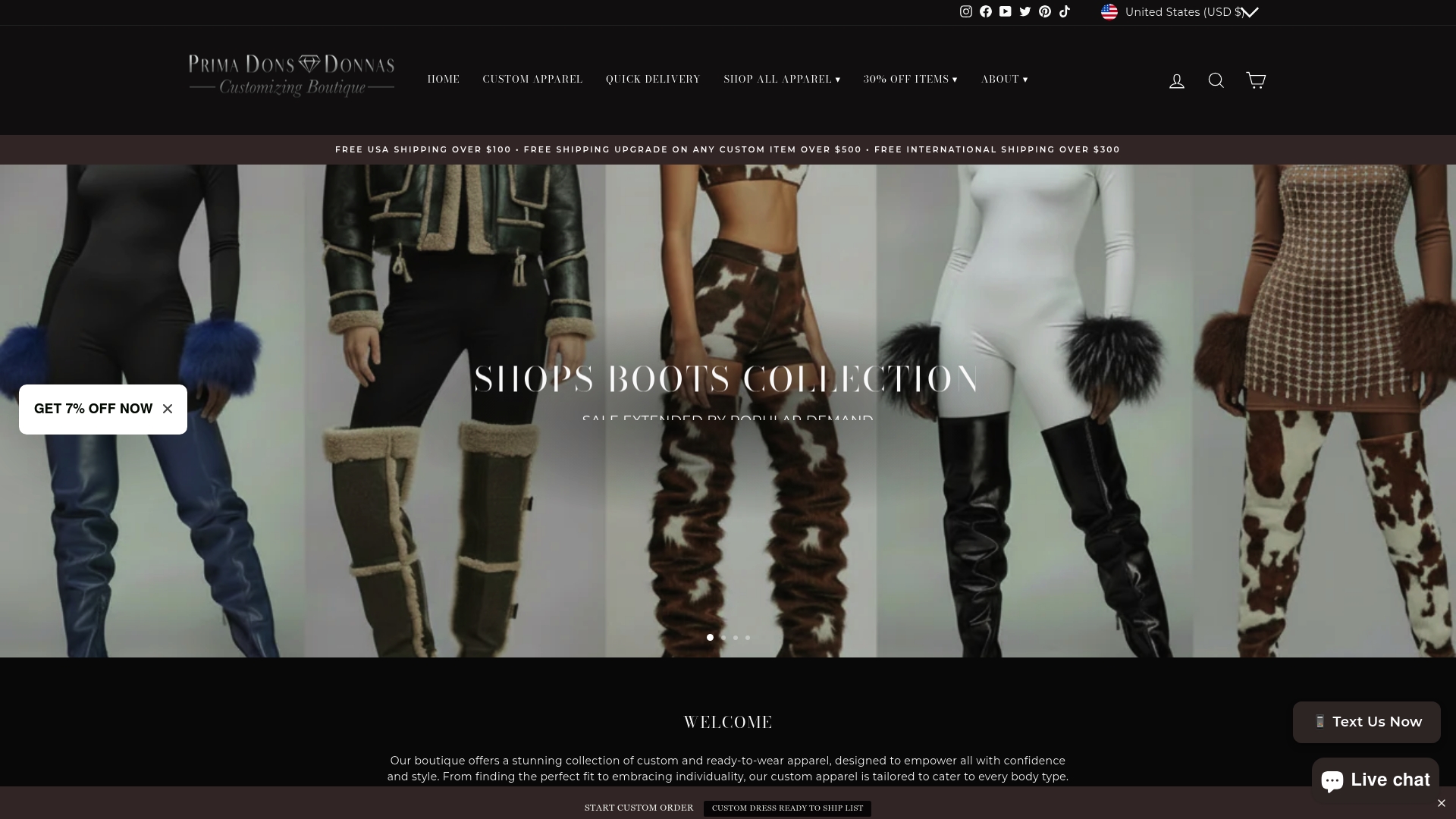
The custom outerwear collection includes statement pieces built for real wear, including sustainable faux fur options for conscious shoppers. Plus-size customers will find the custom boots collection covers thigh-high and special-occasion styles that standard retailers rarely stock. Ready-to-ship options are also available for customers who need their order fast. Shop the full custom and made-to-order apparel range at Primadonsanddonnas.
FAQ
What does made-to-measure mean in fashion?
Made-to-measure means a standard garment pattern is adjusted to fit your individual body measurements. It sits between ready-to-wear and bespoke tailoring in terms of cost, time, and fit precision.
How long does a made-to-measure order take?
MTM typically requires a maximum of two fitting sessions and can be completed in a matter of weeks. This is significantly faster than bespoke tailoring, which requires 3–5 fittings over 4–8 weeks.
Is made-to-measure worth it for special occasions?
Yes. MTM delivers a noticeably better fit than off-the-rack clothing for events like weddings, concerts, and formal dinners. The investment pays off most when you wear the garment multiple times.
How does technology improve made-to-measure accuracy?
3D body scanning and AI-assisted measurement tools create precise fit profiles that reduce returns by over 30%. Digital visualization also lets customers preview garments before production begins, reducing dissatisfaction.
How many orders does it take to get a perfect fit?
Most customers need 1–2 garments before their pattern is fully refined, especially for posture-specific details like shoulder slope. Maintaining a consistent relationship with your provider and sharing detailed feedback speeds up this process.
Recommended
- How to order made-to-measure footwear in 2026 – Prima Dons & Donnas
- Trends in Custom Fashion 2026: Bold Style and Personalization – Prima Dons & Donnas
- Industry Terminology in Custom Fashion 2026: Key Terms – Prima Dons & Donnas
- Made-for-you fashion: Personalized fit and self-expression – Prima Dons & Donnas


Leave a comment