

What Is Designer Inclusivity for Women: A Custom Fit Guide
TL;DR:
- Inclusive fashion ensures every woman receives garments designed around her measurements, not standard sizes. Brands practicing true inclusivity provide consistent experience, full choice, and transparent processes across all sizes. Custom, made-to-order options prioritize fit, diversity, and sustainable choices, making inclusivity accessible and practical.
Designer inclusivity in fashion means every woman gets the same quality of fit, choice, and experience regardless of her size, shape, or occasion. For made-to-order and plus-size shoppers, that translates to garments built around your measurements, not the other way around.
What inclusive designers guarantee:
- Comparable experience across all sizes, not a watered-down “extended” option
- Full choice in sizing, color, and silhouette
- Fit control through custom measurements and alteration policies
- Transparent timelines, pricing, and materials
- Representation in portfolio photos and styling across body types
Brands that offer custom sizing and personalization are actively practicing inclusivity by removing the barriers that standard sizing creates. The Inclusive Design Research Centre frames disability, and by extension exclusion, as a mismatch between a person’s needs and a product’s design. That framing applies directly to fashion: when a dress only comes in sizes 0–12, the design is the problem.
Table of Contents
- What does designer inclusivity actually mean in fashion?
- Core principles every inclusive designer should follow
- How inclusive designers put these principles into practice
- What to expect when ordering made-to-order inclusive clothing
- Questions to ask a designer before you place an order
- How Primadonsanddonnas applies inclusive design
- Key Takeaways
- Why inclusive fashion is more than a trend
- Custom, inclusive fashion. Ready when you are.
- Useful sources
- FAQ
What does designer inclusivity actually mean in fashion?
Designer inclusivity is the practice of building garments so that no customer is excluded based on body size, proportion, or ability. It goes further than accessibility, which focuses on compliance with specific standards like the Americans with Disabilities Act or WCAG guidelines. Accessibility gets you in the door; inclusivity makes the whole experience worth having.
Universal design, by contrast, tries to create one solution for everyone. Inclusive design accepts that one pattern cannot serve every body, so it produces a family of products and variations instead. In fashion terms, that means graded pattern blocks, modular construction, and made-to-order workflows rather than a single standard cut.
How the three concepts differ in practice:
- Accessibility: A plus-size section exists on the website.
- Universal design: One dress pattern is scaled up or down using standard grade rules.
- Inclusive design: The pattern is redrawn at each size range to preserve silhouette, proportion, and comfort.
A special-occasion gown designed inclusively fits a size 24 with the same intentional drape and structure as a size 6. A mass-market equivalent simply adds fabric to a base pattern, which shifts seam placement and distorts the original silhouette.
Core principles every inclusive designer should follow
The seven inclusive design principles used widely by practitioners give buyers a clear checklist. Applied to fashion, they look like this:
- Provide a comparable experience. A plus-size customer gets the same fabric options, styling choices, and service quality as any other customer.
- Consider the situation. A woman ordering a wedding gown, a concert outfit, or a lunch-date look has different mobility, comfort, and styling needs. Inclusive designers ask about all of them.
- Be consistent. Sizing logic, measurement guides, and alteration policies apply equally across the full size range.
- Give users control. Adjustable features, removable straps, and elastic panels let the wearer decide how the garment fits her life.
- Offer choice. Color, fabric, silhouette, and closure type should not be limited to smaller sizes.
- Prioritize content. Clear measurement instructions and fit guides come before the upsell.
- Add value. Inclusive design should benefit all customers, not just those who face barriers. This is the curb-cut effect: solving for one excluded group produces improvements everyone appreciates.
Pro Tip: Ask a brand to show you photos of finished garments on bodies similar to yours before you order. A brand that photographs only one body type in its portfolio is telling you something about its actual size range.
How inclusive designers put these principles into practice
Exclusion in fashion usually comes from design choices that assume a narrow “ideal” body. Shifting that responsibility to the designer, through pattern grading, custom measurements, and adaptive features, is how real inclusivity works.
The most effective methods designers use:
- Made-to-order workflows that start with the customer’s measurements, not a standard block
- Expanded measurement protocols covering more than chest, waist, and hip — including high hip, torso length, arm circumference, and rise
- Modular pattern families so each size range has its own proportionally correct block
- Adaptive construction details such as hidden elastic panels, adjustable closures, and removable straps
- Diverse fit testing using bodies across the brand’s full size spread during sampling
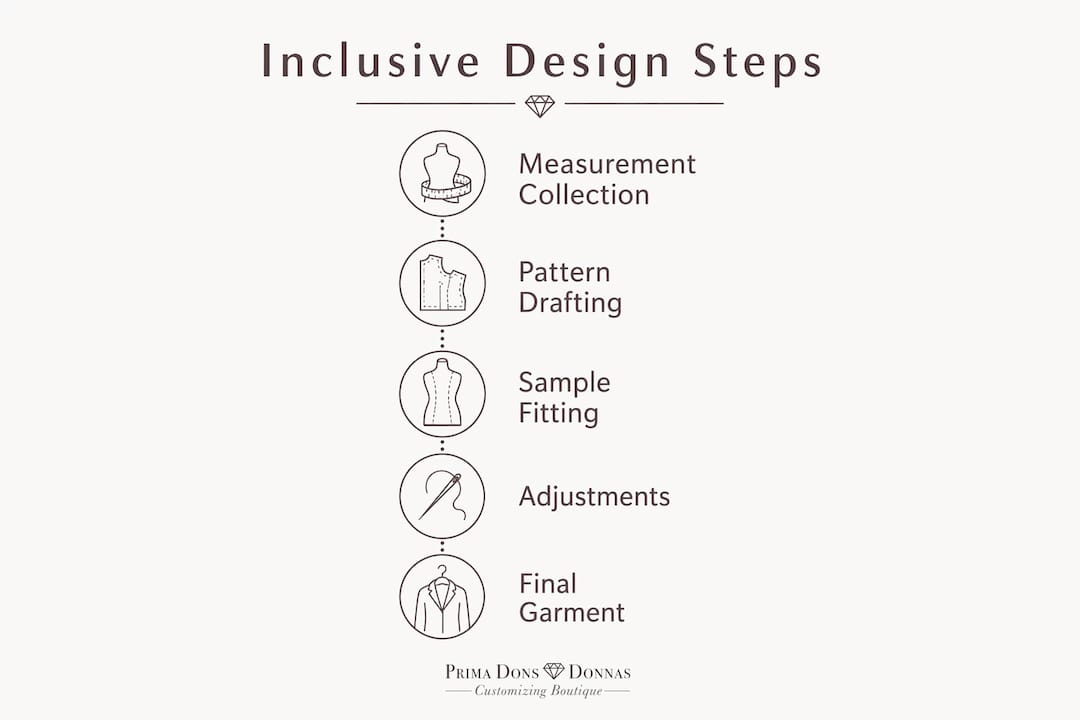
A typical inclusive process runs: measurement collection → pattern drafting → toile or sample fitting → adjustments → final production → delivery. Iterative fittings on diverse bodies reduce costly rework and improve satisfaction at delivery.
Material choices also signal inclusivity. Sustainable options like high-quality faux fur, for example, can be cut and constructed to flatter varied silhouettes while meeting ethical sourcing standards. You can read more about sustainable fashion choices and how they intersect with inclusive practice.
What to expect when ordering made-to-order inclusive clothing
Timeline and pricing vary, but you should know the general shape before you commit.
Typical timeline:
- Measurement submission: Day 1
- Pattern drafting and fabric sourcing: 1–2 weeks
- First sample or toile fitting (virtual or in-person): Week 2–3
- Alterations and final production: 1–3 weeks
- Delivery: Week 4–6 for most custom garments; rush options may be available
Pricing factors:
- Fabric choice (specialty fabrics, faux fur, and embellished materials cost more)
- Degree of customization (color matching, custom silhouette, added embellishments)
- Pattern complexity and size range (plus-size grading requires more material and additional pattern work)
- Rush production fees
A plus-size custom gown typically costs more than a standard-size equivalent because the pattern requires more drafting time and the fabric yield is higher. That cost reflects real labor, not a size penalty.
Trust signals to look for on any brand page:
- Detailed sizing and measurement guide with clear instructions
- Alteration policy or fit guarantee in writing
- Portfolio photos showing finished garments on varied body types
- Transparent lead times and communication process
Size-inclusive shopping tips can help you evaluate brands before you place an order.
Questions to ask a designer before you place an order
Run through this checklist before committing to any custom order.
- What measurements do you collect, and do you provide a guide?
- What is your alteration or fit guarantee policy?
- What is the current lead time for my garment type?
- Can you show me finished photos of similar garments on bodies in my size range?
- Where do your materials come from, and what sustainable options are available?
- What is your return or exchange policy on custom items?
Sample message you can copy:
Clear, confident answers to these questions signal a brand that has done this before. Vague responses or no portfolio photos of diverse bodies are red flags.
How Primadonsanddonnas applies inclusive design
Primadonsanddonnas is a made-to-order fashion brand built around the principle that every woman deserves a garment designed for her body, not adjusted from someone else’s. The brand’s inclusive fashion approach covers women’s apparel in any size or color, with a catalog that spans special-occasion dresses, party and concert outfits, wedding apparel, clubwear, and custom plus-size pieces.
What the brand’s process includes:
- Custom measurement collection with detailed guidance
- Made-to-order production across all sizes, including plus sizes
- Color and fabric choice on most styles, including sustainable faux fur options
- Ready-to-ship options for customers who need a faster turnaround
- Portfolio of finished garments across varied body types
The custom plus-size apparel collection covers everything from rhinestone dresses to boots, with personalization available on most items. Involving customers directly in the design process, from measurement to final approval, reflects the “nothing about us without us” principle that co-design research consistently recommends.
Pro Tip: Before your fitting, take your measurements in the undergarments you plan to wear with the finished garment. It makes a real difference in how the final piece fits.
Key Takeaways
Designer inclusivity means garments built around your measurements, with equal choice, quality, and service at every size.
| Point | Details |
|---|---|
| Inclusivity goes beyond accessibility | Accessibility gets you access; inclusive design improves the full experience for every body type. |
| Pattern families beat one-size grading | Redrawn pattern blocks at each size range preserve silhouette and proportion better than scaled-up standard cuts. |
| Trust signals matter | Look for diverse portfolio photos, a written alteration policy, and a detailed measurement guide before ordering. |
| Ask before you order | Request photos of finished garments on similar bodies, lead times, and the alteration policy upfront. |
| Primadonsanddonnas | Offers made-to-order and plus-size custom apparel in any size or color, with ready-to-ship options available. |
Why inclusive fashion is more than a trend
The conventional wisdom says inclusivity is about adding more sizes to a size chart. That misses the point entirely. Real inclusive design, whether in a digital product or a custom gown, starts by asking who gets excluded and why, then redesigns the process so exclusion stops happening.
For women shopping for special-occasion pieces, a birthday outfit, a concert look, or a wedding gown, the stakes are high. A poor fit on a meaningful occasion is not a minor inconvenience. The brands that understand this build measurement systems, alteration policies, and diverse fit testing into their core process, not as an add-on for “extended sizes.”
The curb-cut effect is worth remembering here: designing well for women who face the most barriers produces garments that fit and feel better for everyone. Inclusive practice is not charity. It is better design.
Custom, inclusive fashion. Ready when you are.
Primadonsanddonnas makes custom and made-to-order garments for women in any size or color, with special-occasion styles built for parties, concerts, lunch dates, weddings, and more. Every piece starts with your measurements. Faux fur outerwear, rhinestone dresses, plus-size collections, and ready-to-ship options are all available now.
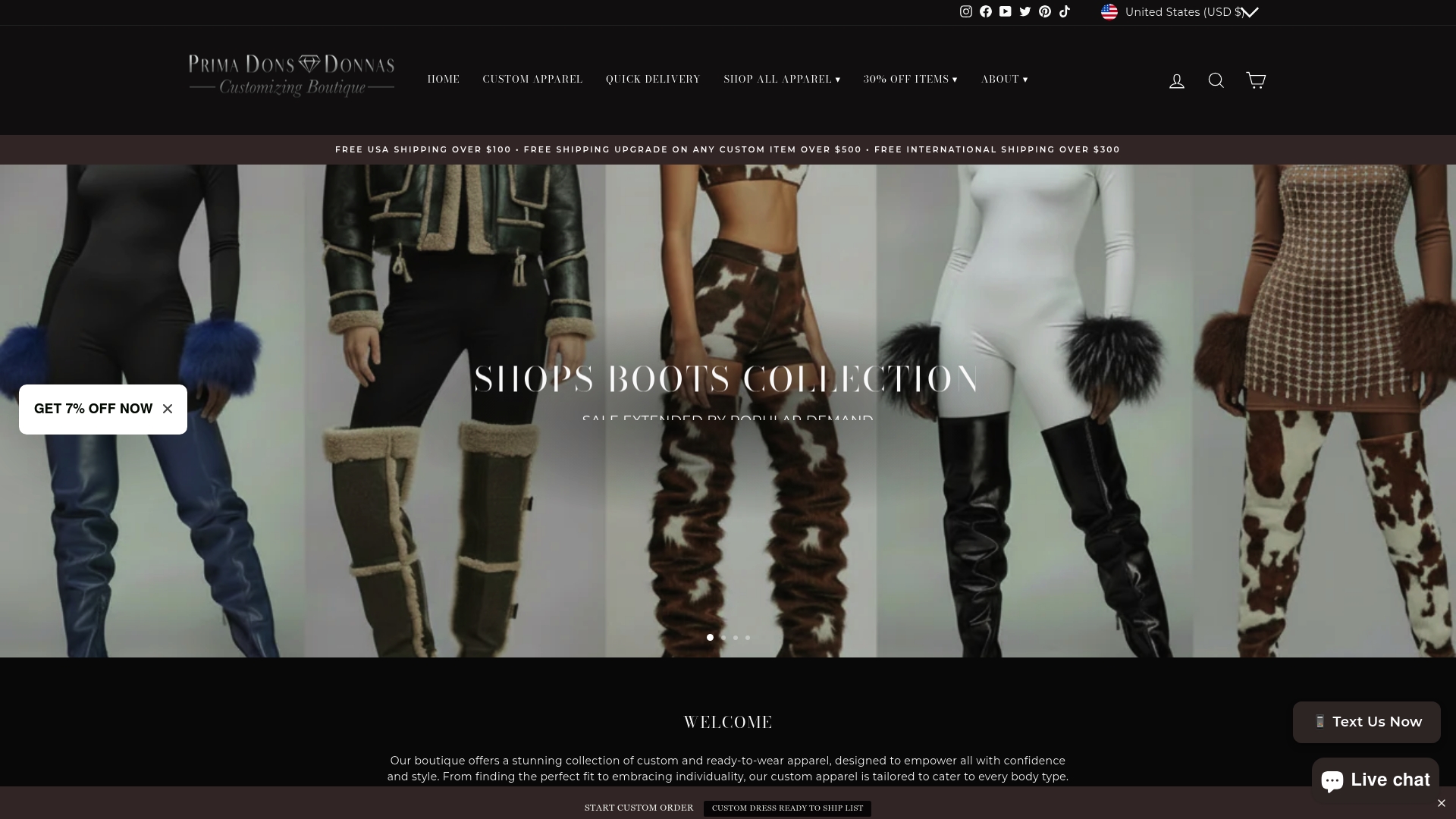
Shop the made-to-order dress collection and find your fit. Custom orders are open. Ready-to-ship styles are in stock.
Useful sources
- Inclusive Design — Wikipedia
- Inclusive Design Principles — inclusivedesignprinciples.info
- What Is Inclusive Design? — Inclusive Design Toolkit
- Inclusive Design — Nielsen Norman Group
- Inclusive Design Guide — IDRC
- UX Designer’s Guide to Modern Inclusive Design — LogRocket
- Benefits of Designing for Everyone — Centre for Inclusive Design
- Building with People Who Face Barriers — The Conversation
- Inclusive Fashion — Primadonsanddonnas
- Why Personalize Casual Wear — 3 Wizard Clothing
FAQ
What is designer inclusivity in fashion?
Designer inclusivity means creating garments that provide the same quality of fit, choice, and experience for every body type, rather than treating plus sizes or non-standard proportions as an afterthought.
How is inclusive design different from accessibility?
Accessibility focuses on compliance and ensuring basic access. Inclusive design goes further by improving the full experience for a wider range of people, including those not covered by standard disability guidelines.
What should I look for in an inclusive made-to-order brand?
Look for a detailed measurement guide, a written alteration or fit guarantee policy, and portfolio photos showing finished garments on diverse body types before you order.
Does Primadonsanddonnas offer plus-size custom options?
Yes. Primadonsanddonnas offers made-to-order apparel in any size or color, including a dedicated plus-size collection with custom dresses, boots, and accessories.
How long does a custom inclusive garment take?
Most made-to-order garments take four to six weeks from measurement to delivery, depending on fabric choice, complexity, and whether alterations are needed. Ready-to-ship options are available for faster delivery.
Recommended
- Why size inclusivity matters: confidence, custom fit, and fashion’s fu – Prima Dons & Donnas
- Size Inclusive Fashion 2026: Empowering Bold Confidence – Prima Dons & Donnas
- Inclusive Fashion: Empowering Every Body and Style – Prima Dons & Donnas
- 6 Essential Tips for Size-Inclusive Shopping Success – Prima Dons & Donnas


Leave a comment