

Why Unique Fashion Elevates Events: A 2026 Guide
TL;DR:
- Unique fashion transforms events into memorable experiences by setting moods and signaling personal identity.
- Personalized and culturally expressive attire deepen emotional connections and elevate the event’s significance.
Unique fashion is defined as intentional, personalized attire that transforms an event from a gathering into a shared experience. The right outfit does more than cover a body. It sets a mood, signals identity, and shapes how guests remember a night. Whether you are planning a wedding, a concert, a gala, or a lunch date, the fashion choices in the room directly affect the atmosphere. This guide breaks down exactly why style matters at events and how you can use it to make any occasion more memorable, more personal, and more impactful.
Why unique fashion elevates events: the core case
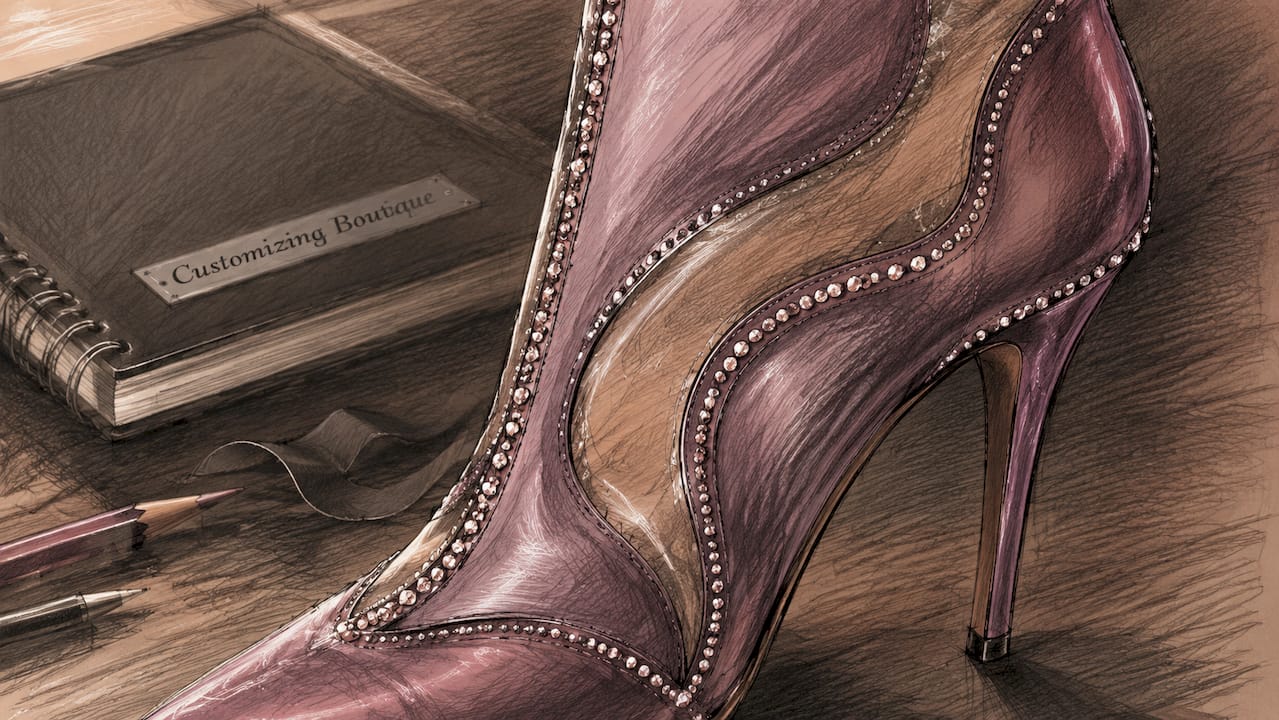
Unique fashion elevates events by creating an emotional environment that generic attire simply cannot. Fashion’s influence at events is fundamentally emotional, turning a functional gathering into an immersive experience. That shift from ordinary to memorable is not accidental. It is the direct result of thoughtful, intentional clothing choices.
Wedding design expert Zainab Alsalih describes fashion as emotional choreography at events, using texture, movement, and color to shape how guests feel in a space. This framing is useful for event planners because it reframes fashion as a design tool, not just a personal choice. When you think about attire the way a director thinks about a film set, every outfit becomes part of the story you are telling.
Research on consumer behavior confirms that exclusivity cues in fashion drive significantly stronger engagement and emotional response, especially among Gen Z and Millennial guests. A study of 345 participants found that experiential exclusivity is the most critical driver of perceived uniqueness. That means a custom or one-of-a-kind piece does not just look different. It makes the wearer feel different, and guests notice that energy.
How does personalized fashion enhance the event experience?
Personalized fashion is now a standard expectation at major celebrations, not a luxury add-on. The Knot’s 2025 Real Weddings Study confirms that customization ranks as a top priority for event planners and attendees heading into 2026. That data point reflects a broader cultural shift: guests want to feel like themselves at events, not like they grabbed something off a rack.
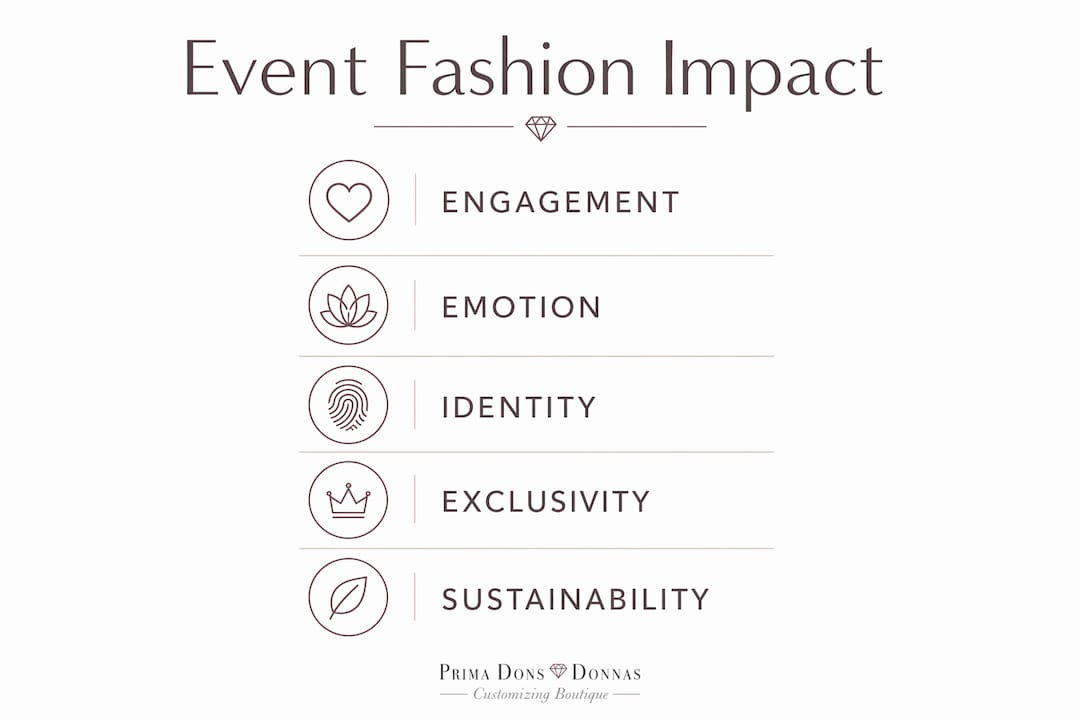
The psychological effect of bespoke apparel is real. When a guest wears something made specifically for them, their confidence changes. That confidence reads in photos, in how they carry themselves, and in how they interact with others at the event. For event planners, this means that personalized special occasion styling is one of the most direct levers you have for improving guest experience.
Practical applications for planners and attendees include:
- Commission custom pieces early. Made-to-order garments require lead time. Build that into your event timeline, especially for weddings and formal galas.
- Match the outfit to the event’s emotional tone. A bold, structured gown signals formality. A flowing, colorful dress signals celebration. The fit between outfit and event mood matters.
- Prioritize fit above all else. A well-fitted garment in any fabric reads as intentional and polished. Poor fit undermines even the most expensive piece.
- Coordinate group aesthetics without matching outfits. A shared color palette or fabric family creates visual cohesion without making guests look like a uniform.
- Include accessories as part of the custom plan. Shoes, bags, and outerwear complete the look. Treating them as afterthoughts creates a disjointed final result.
Pro Tip: If you are attending a multi-phase event such as a wedding with a reception and after-party, plan your outfit changes in advance. Arriving at the after-party in a fresh look signals energy and intentionality, and it photographs beautifully.
Does cultural expression in fashion shape event atmosphere?
Cultural expression in fashion is one of the most powerful and underused tools in event design. When guests and hosts wear attire that reflects their heritage or identity, the event gains a layer of meaning that no décor budget can replicate. The 2026 ASEAN Summit demonstrated this at the highest level, where Filipino designers outfitted dignitaries in traditional attire to communicate cultural identity and reinforce diplomatic relationships.
That example is not just about politics. It is a blueprint for any event where relationships matter. A wedding that incorporates traditional dress from both families tells a richer story than one that defaults to Western formalwear. A corporate gala that acknowledges the cultural backgrounds of its attendees through fashion creates a more inclusive and memorable atmosphere.
“Fashion at events is never just about looking good. It is about communicating who you are, where you come from, and what this moment means to you. When that communication is intentional, the entire event feels more significant.”
The practical advice here is straightforward. If your event brings together people from different cultural backgrounds, encourage attire that reflects those identities. Brief your guests in advance. Frame it as an invitation, not a requirement. The result is an event that feels alive with personal meaning rather than generic elegance.
How does social media raise the bar for event fashion?
Social media has permanently changed what guests expect from event fashion. High-definition photo circulation on platforms like Instagram and TikTok means that fabric quality, tailoring, and finishing details are now visible to hundreds of people who were not at the event. Guests know this. They dress accordingly.
The result is a higher overall standard for attire at events. Guests now research outfits weeks in advance. They consider how a garment will look in photos, how it will move on a dance floor, and whether it will hold up through a full evening. This is good news for event planners because it means your guests are already motivated to show up looking their best.
The multi-look wardrobe trend reflects this shift directly. Event professionals observe that guests increasingly plan multiple outfit changes across an event’s phases, from grand entrance to reception to after-party. Each look is photographed and shared separately. That behavior raises the visual quality of the entire event’s documentation.
Here is how to work with this trend rather than against it:
- Share the event’s visual theme early. Give guests a color story or mood board so their individual choices contribute to a cohesive aesthetic.
- Designate photogenic spaces. A well-lit backdrop or floral installation gives guests a reason to photograph their outfits and tag the event.
- Encourage quality over quantity. One well-made custom piece photographs better than three fast-fashion options.
- Plan for movement. Fabrics that move well on a dance floor also look better in video, which dominates social sharing in 2026.
- Acknowledge standout looks publicly. A host who compliments a guest’s attire on social media creates a positive feedback loop that raises standards at future events.
Pro Tip: Brief your photographer on the fashion details you want captured. A close-up of a custom embroidered hem or a hand-dyed fabric tells a richer story than a standard full-length shot.
What role does sustainability play in event fashion choices?
Sustainable fashion at events is no longer a niche concern. The environmental cost of single-wear event attire adds up quickly across hundreds of guests. Pre-event communication is one of the most effective tools planners have to shift guest behavior toward more sustainable choices. Intentional messaging in invitations and event communications normalizes renting, rewearing, and choosing vintage pieces.
The cultural shift is already happening at the highest levels. Celebrities wearing iconic rewears to gala events have made sustainable fashion choices glamorous rather than frugal. That visibility matters because it gives guests permission to make similar choices without feeling underdressed.
Sustainable options that work well at events include:
- Renting statement pieces. High-quality rental services offer gowns and suits that would be cost-prohibitive to purchase outright.
- Rewearing with restyling. A dress worn to one event can be transformed with different accessories, a belt, or a jacket for the next.
- Choosing quality faux fur and sustainable fabrics. Brands like Primadonsanddonnas offer high-quality faux fur options that deliver the visual impact of luxury without the environmental cost.
- Vintage and archive pieces. A vintage gown carries a story that a new fast-fashion dress cannot match, and it photographs with a depth that modern fabrics often lack.
Aligning your event’s fashion guidance with its sustainability goals creates consistency between the event’s values and its visual identity. Guests who feel that alignment tend to engage more deeply with the event’s purpose.
Practical tips for planners and attendees
Balancing personalization, cultural expression, and sustainability sounds complex. In practice, it comes down to planning ahead and communicating clearly. The table below outlines the key decisions and the best approach for each.
| Decision | Best approach |
|---|---|
| Outfit timing | Commission custom or rental pieces at least 8 weeks before the event |
| Group coordination | Share a color palette, not a specific outfit, to allow individual expression |
| Cultural attire | Frame it as an invitation in event communications, with examples for inspiration |
| Sustainability | Include a note in the invitation normalizing rewearing and rental options |
| Accessories | Treat shoes, bags, and outerwear as part of the outfit plan, not afterthoughts |
The advantages of personalized fashion extend beyond aesthetics. A guest who feels well-dressed participates more fully in an event. They stay longer, engage more openly, and leave with a stronger memory of the occasion. That outcome is worth the planning effort.
For attendees, the single most useful habit is reading the event’s dress code as a starting point, not a ceiling. The code tells you the minimum. Your personal style tells you the rest. A black-tie event does not require a generic tuxedo or a plain gown. It requires formal attire. Within that constraint, there is significant room for a unique apparel style that reflects who you are.
Key Takeaways
Unique fashion shapes event atmosphere directly, and intentional attire choices are the most accessible tool planners and attendees have for making any occasion more memorable.
| Point | Details |
|---|---|
| Personalization drives engagement | Custom apparel boosts guest confidence and creates stronger emotional connections to the event. |
| Cultural expression adds meaning | Attire that reflects identity and heritage gives events a layer of significance that décor alone cannot provide. |
| Social media raises standards | High-definition sharing pushes guests toward better fabric quality, tailoring, and multi-look planning. |
| Sustainability is achievable | Pre-event messaging, renting, and rewearing reduce environmental impact without sacrificing visual quality. |
| Planning ahead is the key | Commissioning custom pieces early and coordinating group aesthetics produces the strongest results. |
Fashion at events is emotional design, not just dressing up
I have watched event planners spend months on florals, lighting, and catering, then treat fashion as an afterthought. That order of priorities is backward. The flowers stay in the room. The fashion walks around, interacts, photographs, and gets remembered.
What I have found, working with clients across weddings, galas, and large-scale parties, is that the events people talk about years later are almost always the ones where the fashion was intentional. Not expensive. Intentional. There is a difference. A guest in a perfectly fitted, custom-made dress in a color that means something to her creates a moment. A guest in a $3,000 off-the-rack gown that does not fit right creates a wardrobe malfunction story.
The other thing I push back on is the idea that sustainable fashion is a compromise. Wearing a vintage piece or a reworn gown to a major event is not settling. It is a statement. It says you care about more than appearances. That message lands differently than any new purchase could.
My honest advice: treat fashion as part of your event’s emotional script. Decide what you want guests to feel when they walk in. Then work backward to the attire choices that create that feeling. That is the approach that produces events worth remembering.
— Latoya
Custom fashion for your next special occasion
Primadonsanddonnas builds made-to-order pieces for exactly these moments. Every garment is tailored to your size, your color, and your event’s specific needs.
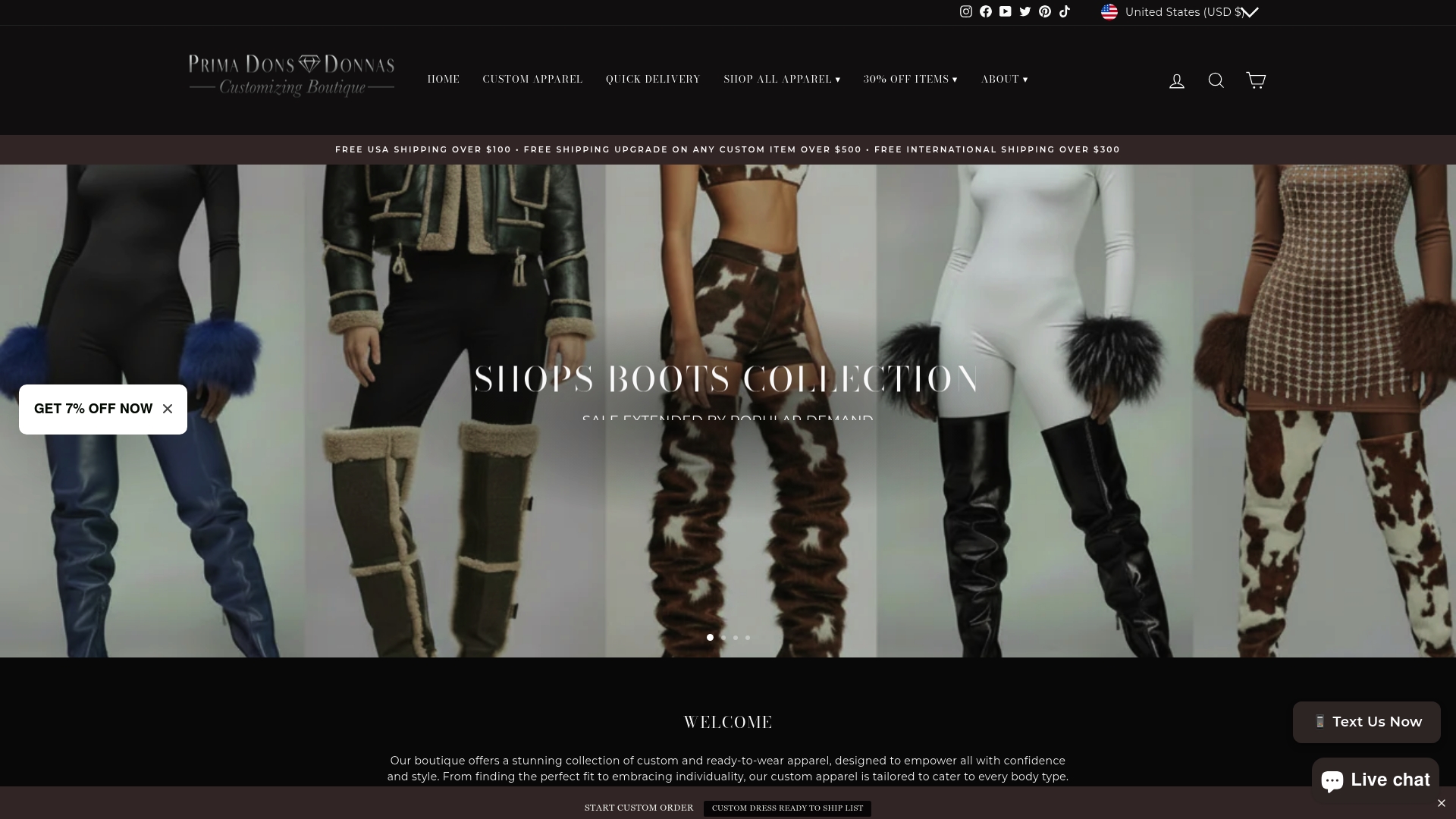
The made-to-order dress collection covers everything from wedding gowns to party dresses, with plus size options available across all styles. The custom shoes and sneakers collection lets you complete the look from the ground up. Ready-to-ship options are also available for clients who need a faster turnaround. Browse the full custom apparel collection and find the piece that fits your next event.
FAQ
Why does unique fashion matter at events?
Unique fashion shapes the emotional atmosphere of an event by signaling intentionality and personal identity. Research shows that exclusivity cues in attire drive stronger guest engagement and create more memorable experiences.
How can event planners encourage better fashion choices?
Planners can share a color palette or mood board with guests in advance and include notes in event communications that normalize renting, rewearing, and custom pieces. Pre-event messaging is one of the most effective tools for raising the overall fashion standard.
What is the multi-look wardrobe trend?
The multi-look wardrobe trend involves planning multiple outfit changes across an event’s phases, such as a ceremony look, a reception look, and an after-party look. Event professionals note this trend is growing as social media sharing increases the value of fresh, photogenic attire throughout the night.
How does cultural attire affect event atmosphere?
Cultural attire adds a layer of personal and collective meaning that generic formalwear cannot replicate. The 2026 ASEAN Summit demonstrated how traditional dress communicates identity and strengthens relationships, a principle that applies equally to weddings, galas, and social events.
Is sustainable event fashion practical for guests?
Sustainable event fashion is practical and increasingly glamorous. Options like renting statement pieces, rewearing with restyled accessories, and choosing quality faux fur or vintage garments deliver strong visual results while reducing the environmental cost of single-wear attire.
Recommended
- What Defines Unique Apparel: A Style Guide for 2026 – Prima Dons & Donnas
- Guide to expressing style with custom fashion in 2026 – Prima Dons & Donnas
- Master personalized special occasion styling in 2026 – Prima Dons & Donnas
- 7 Steps to Your Ultimate Special Occasion Outfit Checklist – Prima Dons & Donnas


Leave a comment