

Complete Workflow for Made-to-Order Fashion Success
Struggling to find clothing that truly fits your body and matches your unique taste can feel frustrating for women who care about style and sustainability. Custom fashion is no longer just about special sizing or one-of-a-kind designs. Research highlights how personal values, cultural backgrounds, and lifestyle details shape what women really want in their wardrobes. Discover how understanding diverse consumer preferences is the foundation of creating made-to-order fashion that feels genuinely personal and expressive.
Table of Contents
- Step 1: Define Customer Preferences And Requirements
- Step 2: Develop Personalized Design Concepts
- Step 3: Finalize Materials And Sizing Details
- Step 4: Coordinate Production Of Custom Orders
- Step 5: Conduct Quality Assurance And Delivery
Quick Summary
| Key Insight | Explanation |
|---|---|
| 1. Understand customer preferences thoroughly | Conduct extensive research beyond demographics to capture clients’ unique style and requirements for personalized fashion. |
| 2. Utilize multiple data collection methods | Implement surveys, in-person consultations, and workshops to gather diverse insights on customer preferences. |
| 3. Create detailed visual mood boards | Develop mood boards incorporating customer preferences for visuals that guide the design process effectively. |
| 4. Employ advanced sizing technologies | Use 3D scanning and optimized sizing systems for precise fit and comfort in custom garments. |
| 5. Implement a robust quality assurance process | Establish a multi-point inspection process to ensure each garment meets design specifications before delivery. |
Step 1: Define customer preferences and requirements
Successfully creating made-to-order fashion starts with deeply understanding your customers’ unique style preferences and individual requirements. This critical step transforms generic clothing production into a personalized experience that resonates with each client’s vision and expectations.
To effectively define customer preferences, you’ll want to conduct comprehensive research that goes beyond basic demographic information. Consumer behavior research highlights that preferences are influenced by complex factors including personal values, psychological characteristics, cultural backgrounds, and socio-demographic elements. Start by developing a robust customer profile survey that captures nuanced details about style, fit, color preferences, and lifestyle needs.
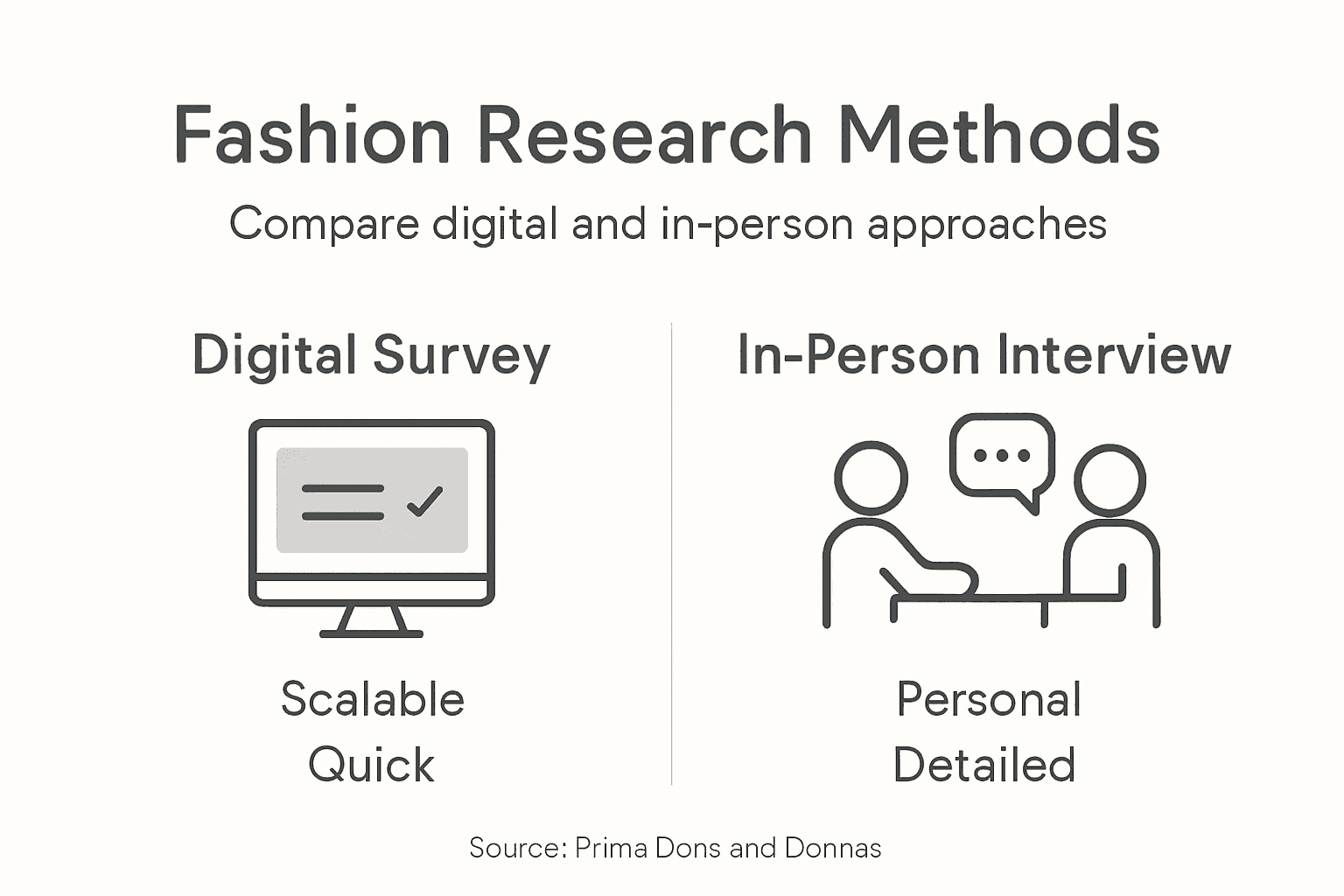
Your research methodology should include multiple data collection approaches. Consider implementing digital surveys, in-person consultations, style preference questionnaires, and interactive design workshops. Comparative studies demonstrate that consumer preferences vary significantly across regions and economic contexts, so gathering diverse input is crucial. Pay special attention to capturing details about fabric preferences, design aesthetics, size requirements, and personal comfort considerations.
Here’s how different data collection methods contribute to understanding customer preferences:
| Method | Key Benefit | Typical Use Case |
|---|---|---|
| Digital surveys | Gather scalable quantitative data | Large customer base analysis |
| In-person consultations | Capture detailed individual needs | Premium or bespoke clients |
| Style preference questionnaires | Uncover style/fabric inclinations | Client onboarding process |
| Design workshops | Encourage creative self-expression | Group trend exploration |
Pro tip: Create a visual mood board template that allows customers to easily showcase their style preferences through images, colors, and design inspirations.
Step 2: Develop personalized design concepts
Transforming customer preferences into unique fashion designs requires a creative and strategic approach that blends personal style with innovative design techniques. This step is where your deep understanding of client requirements gets translated into tangible design concepts that truly reflect individual personalities.
Emotional data visualization methods have revolutionized personalized design by enabling designers to capture and communicate deeper emotional elements of style preferences. Start by creating detailed visual mood boards that incorporate the insights gathered from your customer profile surveys. These mood boards should integrate color palettes, fabric textures, silhouette inspirations, and specific design elements that resonate with the individual customer’s aesthetic vision.
Utilize interactive design tools and AI-assisted personalization technologies to refine and iterate your design concepts. These tools allow for real-time collaboration with customers, enabling them to provide immediate feedback and make interactive modifications to initial design drafts. The goal is to create a co-creative process where customers feel deeply involved in bringing their unique fashion vision to life.
Pro tip: Develop a flexible design template system that allows quick customization while maintaining core structural integrity of each garment design.
Step 3: Finalize materials and sizing details
Precision is paramount when finalizing materials and sizing for made-to-order fashion. This critical step transforms your design concepts into tangible garments that fit perfectly and meet each customer’s unique requirements.

Optimized garment sizing systems now leverage advanced technologies like genetic algorithms and integer programming to generate size charts that balance individual fit with production efficiency. Begin by conducting comprehensive body scanning and measurement verification. Collect detailed customer measurements using both traditional measuring techniques and cutting edge 3D scanning technologies that capture nuanced body contours and proportions.
Virtual prototyping technology allows designers to simulate garment fit with unprecedented accuracy. Utilize these digital tools to create virtual samples that can be adjusted in real time, ensuring precise material selection and sizing before physical production begins. Focus on selecting materials that not only match the customer’s design preferences but also provide optimal comfort, durability, and aesthetic appeal.
Below is a comparison of virtual prototyping and traditional sampling in garment production:
| Aspect | Virtual Prototyping | Traditional Sampling |
|---|---|---|
| Speed | Instant adjustments | Longer lead times |
| Cost | Lower after setup | Costly materials |
| Accuracy | High with 3D scans | Dependent on manual skills |
| Sustainability | Minimal waste generated | Waste from multiple samples |
Pro tip: Develop a standardized measurement verification protocol that combines digital scanning with manual measurements to ensure maximum accuracy and customer satisfaction.
Step 4: Coordinate production of custom orders
Successfully transforming personalized design concepts into reality requires a strategic and meticulously organized production coordination process. This step bridges the gap between creative design and final product delivery ensuring each custom order receives precision attention.
Order acceptance and scheduling frameworks have revolutionized how fashion brands manage complex production workflows. Implement a robust production management system that tracks each custom order through multiple stages tracking design specifications material selections measurement details and individual customer requirements. Create detailed production cards for each order that serve as comprehensive roadmaps guiding your team through every manufacturing step.
Production scheduling algorithms help optimize resource allocation and minimize potential bottlenecks in custom order manufacturing. Develop a flexible production timeline that allows for individualized customization while maintaining efficient workflow sequences. Prioritize orders based on complexity design requirements material availability and customer delivery expectations. Establish clear communication channels between design teams production specialists and quality control experts to ensure seamless collaboration and minimal production delays.
Pro tip: Create a color coded digital dashboard that provides real time tracking of each custom order’s production status to enhance transparency and improve team coordination.
Step 5: Conduct quality assurance and delivery
The final stage of your made-to-order fashion workflow demands meticulous attention to detail and a comprehensive quality assurance process that guarantees each custom piece meets the highest standards before reaching the customer.
Quality assurance programs play a critical role in maintaining consistent product excellence. Develop a structured multi-point inspection process that evaluates each garment across key dimensions including fabric quality stitching precision fit accuracy color consistency and overall design alignment. Create detailed quality checklists that cover every aspect of the custom order tracking each element against the original design specifications and customer requirements.
Structured quality management systems ensure systematic verification before delivery. Implement a comprehensive review process that includes visual inspections dimensional measurements stress testing and final fit evaluations. Establish clear quality benchmarks and train your team to maintain rigorous standards throughout the production and delivery workflow. Develop a tracking system that documents each quality checkpoint and creates a transparent record of the garment’s journey from design to final delivery.
Pro tip: Create a customer feedback loop that allows clients to provide detailed input on their delivered garment enabling continuous improvement of your quality assurance processes.
Elevate Your Made-to-Order Fashion Experience with Prima Dons and Donnas
The journey from personalized design concepts to flawless custom garments demands expertise in every step — from defining your unique style preferences to ensuring perfect fit and quality assurance. If you seek a fashion brand that truly understands the importance of exclusivity, bold style, and sustainable choices like high-quality faux fur, Prima Dons and Donnas is your ultimate solution. We specialize in made-to-order clothing and footwear tailored to any size or color, putting your individuality first while blending luxury aesthetics with comfort.
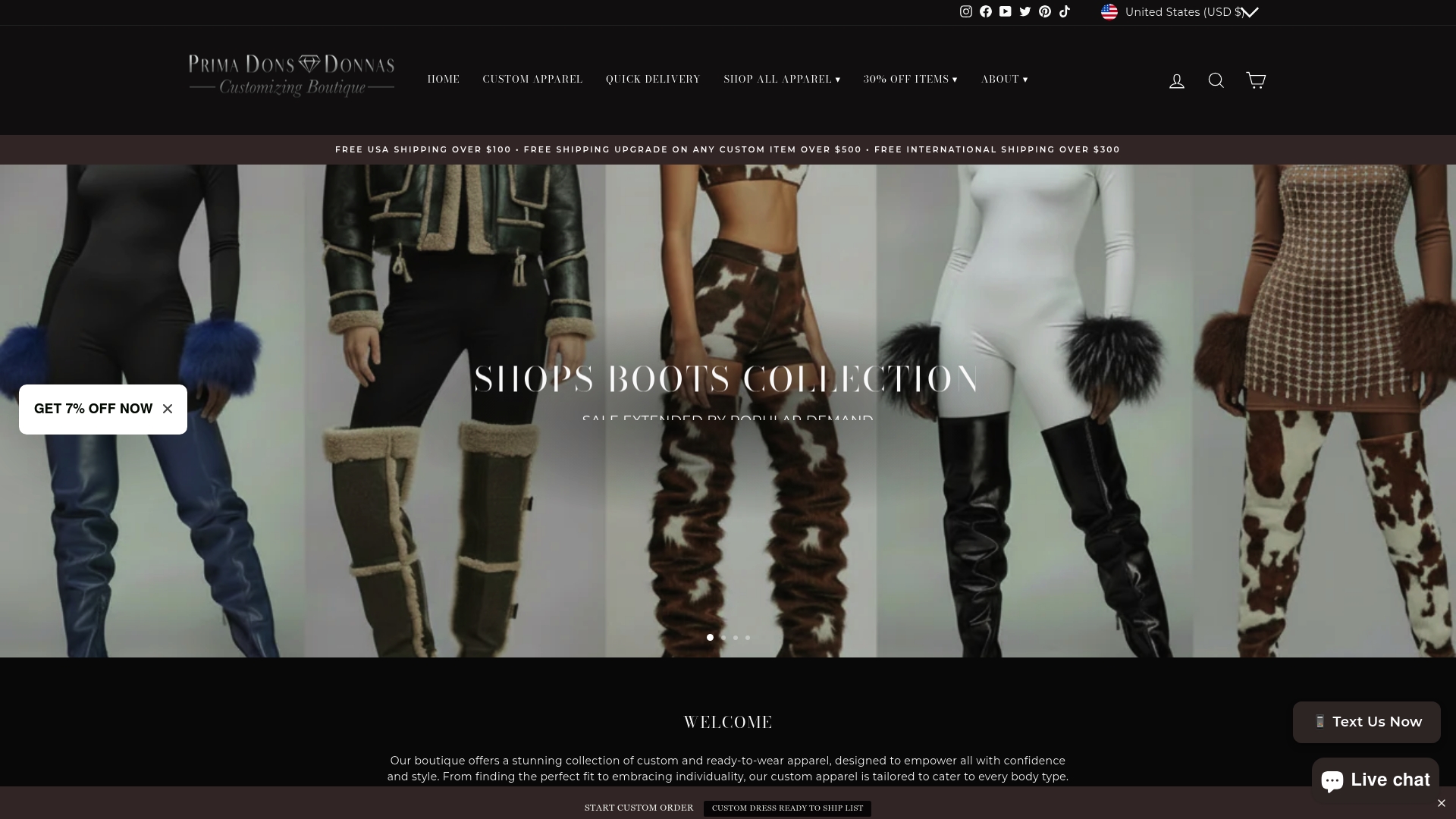
Discover the seamless process of creating your custom fashion statement by exploring the detailed workflow behind made-to-order success. Visit Prima Dons and Donnas now and embrace confident, intentional, statement-making fashion designed just for you. Act now to unlock personalized style that fits perfectly and arrives swiftly whether you choose custom-made or ready-to-ship options. Transform your wardrobe with pieces that stand out for all the right reasons.
Frequently Asked Questions
How do I identify my customers’ style preferences for made-to-order fashion?
To identify your customers’ style preferences, conduct detailed surveys that capture insights on their clothing choices, fabric likes, and fit requirements. Implement a combination of digital surveys and in-person consultations to build robust customer profiles.
What steps should I follow to develop personalized design concepts?
Start by creating visual mood boards that reflect insights gained from customer preferences. Use interactive design tools to incorporate customer feedback and iterate on designs in real-time for a co-creative process.
How can I ensure correct sizing and material selection for custom garments?
Utilize 3D scanning technology to obtain precise body measurements and create virtual prototypes to simulate the garment fit. Prioritize comfort, durability, and aesthetic appeal by selecting materials that align with customer design preferences.
What is the best approach to coordinate the production of custom orders?
Implement a production management system to track each custom order through every stage of production. Create detailed production cards outlining specifications and ensure clear communication among design, production, and quality control teams.
How should I conduct quality assurance before delivering made-to-order garments?
Establish a multi-point inspection process that evaluates fabric quality, fit accuracy, and overall design alignment. Document each quality checkpoint to maintain transparency and ensure that every garment meets established quality standards before delivery.


Leave a comment