

Fashion Individuality Explained: Making Style Personal
Bold style and comfort rarely meet in the fast-paced world of fashion. Many fashion-forward women find themselves searching for garments that speak to their unique personality while also embracing sustainable values. Custom-made clothing in diverse sizes offers an authentic path to self-expression and exclusivity. This article explores how fashion individuality and thoughtful choices create wardrobes that reflect true identity, interweaving global influences, sustainability, and personal comfort.
Table of Contents
- Defining Fashion Individuality And Expression
- Customization Versus Fast Fashion Trends
- Bold Style, Comfort, And Luxury Blended
- Sustainable Fabrics And Ethical Choices
- Avoiding Common Pitfalls In Personal Style
Key Takeaways
| Point | Details |
|---|---|
| Fashion Individuality | Fashion serves as a powerful form of self-expression, communicating personal narratives through style choices. |
| Customization vs. Fast Fashion | The trend towards customization prioritizes meaningful wardrobe choices over disposable fast fashion, promoting sustainability and individual expression. |
| Bold Style and Comfort | Modern fashion merges bold aesthetics with comfort, allowing for personal expression without sacrificing ease of wear. |
| Sustainable Fabrics | Ethical choices in fabric selection are essential for creating a wardrobe that reflects personal values and contributes to environmental responsibility. |
Defining Fashion Individuality and Expression
Fashion represents far more than clothing - it’s a powerful form of personal communication. Exploring fashion as self-expression reveals how individuals craft unique narratives through their style choices, transforming garments into deeply personal statements.
At its core, fashion individuality emerges from a complex interplay of personal experiences, cultural influences, and creative vision. Our clothing becomes a visual language, communicating intricate details about our personality, values, and inner world. This isn’t about following trends, but deliberately curating a wardrobe that authentically represents who we are.
Key elements of fashion individuality include:
- Personal aesthetic preferences
- Cultural heritage and background
- Emotional expression and mood
- Professional and social contexts
- Individual comfort and confidence
Cultural identity plays a significant role in fashion expression. Cultural identity through global fashion demonstrates how clothing choices blend traditional influences with contemporary global styles, allowing individuals to showcase complex, layered identities.
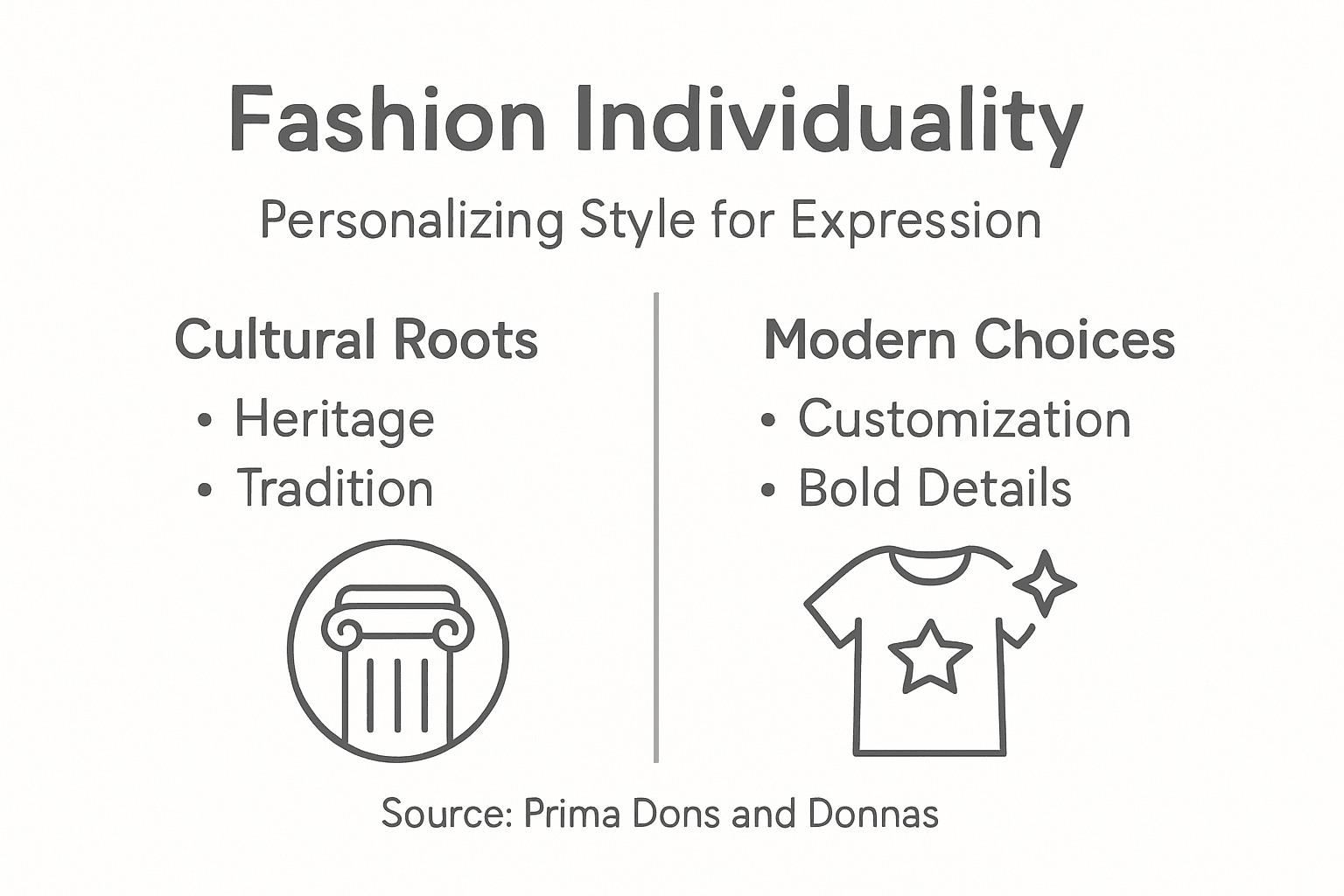
Non-verbal communication through fashion goes beyond mere fabric and design. Accessories, color combinations, fit, and styling become nuanced tools for self-representation. A carefully chosen outfit can communicate confidence, rebellion, professionalism, or creativity without uttering a single word.
Pro tip: Start building your unique style by experimenting with pieces that genuinely resonate with your personality, rather than following mainstream trends blindly.
Customization Versus Fast Fashion Trends
The fashion landscape is experiencing a profound transformation, challenging the traditional fast fashion model with more personalized, sustainable approaches. Mass customization impacts sustainability by extending product lifecycles and reducing environmental waste, offering consumers a more intentional alternative to disposable clothing trends.
Fast fashion has long dominated the clothing industry, characterized by rapid production cycles, low-cost garments, and frequent trend turnover. In stark contrast, custom fashion represents a deliberate shift towards more meaningful wardrobe choices that prioritize individual expression, quality, and longevity.
Key differences between fast fashion and customization include:
- Production speed
- Environmental impact
- Personal investment
- Quality of materials
- Emotional connection to clothing
Sustainable fashion approaches reveal how mass customization bridges the gap between exclusive luxury and accessible fashion. This approach enables consumers to create unique garments that reflect personal style while simultaneously addressing critical sustainability concerns.
The customization model challenges fast fashion’s disposable mentality by encouraging consumers to view clothing as a more deliberate, personal investment. Instead of purchasing multiple cheap items that quickly become outdated, individuals can create versatile, high-quality pieces that truly represent their personal aesthetic and values.
Here is a comparison of fast fashion and customization models in modern fashion:
| Aspect | Fast Fashion Approach | Customization Model |
|---|---|---|
| Production Method | Mass-produced, quick turnaround | Made-to-order, slower process |
| Consumer Role | Passive trend follower | Active participant in design |
| Longevity of Garments | Designed for short-term wearing | Built for long-term value |
| Environmental Impact | High resource use, significant waste | Reduced waste, sustainable practices |
| Emotional Connection | Limited personal attachment | Strong sense of ownership |
Pro tip: Invest in versatile, customizable pieces that can be mixed and matched, creating a more sustainable and personally expressive wardrobe.
Bold Style, Comfort, and Luxury Blended
Contemporary fashion dynamics reveal a transformative approach that harmonizes bold style, uncompromising comfort, and luxurious design. Modern fashion enthusiasts no longer accept the traditional trade-off between aesthetic expression and physical ease, demanding garments that celebrate both individuality and personal comfort.
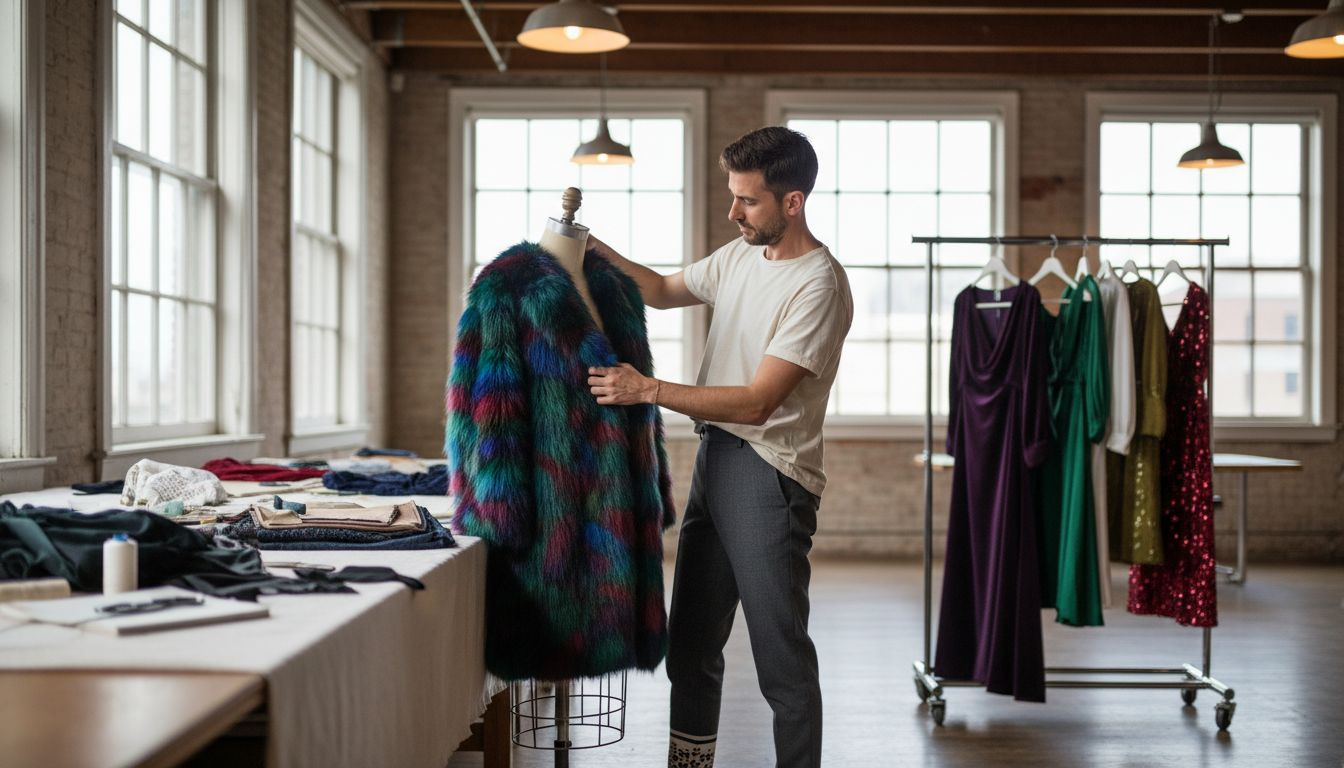
Luxury fashion has evolved beyond mere exclusivity, emerging as a nuanced form of personal storytelling. Bold style now represents more than visual statements - it’s about creating authentic experiences through clothing that empowers and supports the wearer’s lifestyle and individual narrative.
Key elements of blending bold style with comfort include:
- Innovative fabric technologies
- Ergonomic design principles
- Adaptive clothing construction
- Personalized fit approaches
- Emotional connection to garments
Luxury fashion and individual identity demonstrate how clothing transcends traditional boundaries, becoming a powerful medium of self-expression. Contemporary designers understand that true luxury isn’t about restrictive, uncomfortable pieces, but about creating garments that feel like a second skin while making bold, confident statements.
This holistic approach challenges outdated fashion paradigms by prioritizing the wearer’s experience. Instead of forcing individuals to compromise between style and comfort, modern fashion celebrates the intersection of personal expression, physical ease, and aesthetic sophistication.
Pro tip: Invest in versatile pieces that offer both visual drama and comfortable wearability, ensuring your wardrobe reflects your dynamic personality.
Sustainable Fabrics and Ethical Choices
Sustainability principles in fashion are revolutionizing the industry, challenging traditional manufacturing practices and empowering consumers to make more conscious clothing choices. The shift from disposable fast fashion to thoughtful, ethical production represents a profound transformation in how we approach personal style and environmental responsibility.
The concept of sustainable fashion goes far beyond simply selecting eco-friendly materials. It encompasses a holistic approach that considers environmental impact, worker rights, production processes, and the long-term lifecycle of each garment. Ethical clothing means understanding the complete journey of a piece from raw material to final product.
Top sustainable fabric choices include:
- Organic hemp
- Recycled cotton
- Linen
- Tencel/lyocell
- Reclaimed wool
- Innovative plant-based synthetics
Sustainable fabric selection reveals the complexity of making environmentally conscious clothing decisions. Each fabric carries its own environmental footprint, requiring consumers to consider factors like water usage, chemical treatments, carbon emissions, and production transparency.
Modern sustainable fashion isn’t about sacrificing style for environmental consciousness. Instead, it’s about creating a wardrobe that reflects personal values, celebrates individual creativity, and contributes to a more responsible global fashion ecosystem. Ethical choices become a powerful form of personal expression and global activism.
To help guide ethical purchases, here’s a quick reference to top sustainable fabrics and their unique benefits:
| Fabric Type | Environmental Benefit | Typical Clothing Uses |
|---|---|---|
| Organic Hemp | Low pesticide, minimal water usage | T-shirts, jeans, casual wear |
| Recycled Cotton | Reduces textile waste, energy saving | Denim, casual shirts, accessories |
| Linen | Biodegradable, needs less water | Summer suits, dresses, blouses |
| Tencel/Lyocell | Made from wood pulp, closed-loop | Dresses, activewear, underwear |
| Reclaimed Wool | Less landfill, repurposed fibers | Sweaters, coats, scarves |
| Plant-Based Synthetics | Non-petroleum, innovative eco option | Outerwear, athleisure, blend fabrics |
Pro tip: Research fabric origins and manufacturing processes before purchasing, prioritizing brands that offer transparent supply chain information and commit to sustainable practices.
Avoiding Common Pitfalls in Personal Style
Style development strategies reveal critical insights into creating an authentic personal fashion approach. Developing a unique style requires more than simply following trends or mimicking others - it demands self-awareness, intentionality, and a deep understanding of personal aesthetic preferences.
Common style pitfalls can undermine individual expression and lead to a disconnected, inauthentic wardrobe. These missteps often emerge from external pressures, lack of clear personal vision, or an over-reliance on temporary fashion trends that do not genuinely reflect one’s personality and lifestyle.
Key mistakes to avoid in personal style development include:
- Blindly following trends
- Copying other people’s looks
- Neglecting personal body type and comfort
- Purchasing items without a cohesive strategy
- Ignoring personal color palette
- Sacrificing comfort for perceived style
Style coherence and authenticity emphasize the importance of maintaining a clear, intentional approach to personal fashion. Successful style is not about perfection, but about creating a wardrobe that feels genuinely representative of your unique identity, values, and personal narrative.
Navigating personal style requires continuous reflection and refinement. It’s about understanding that fashion is a form of self-expression, not a rigid set of rules. By developing a thoughtful, personalized approach, individuals can create a wardrobe that not only looks good but feels authentically and powerfully their own.
Pro tip: Conduct a wardrobe audit every six months, removing items that no longer align with your evolving personal style and identifying consistent themes in your most-loved pieces.
Discover Your True Style With Custom Fashion That Speaks You
The article highlights the challenge of expressing genuine fashion individuality amidst fast fashion trends and generic style advice. Readers seek bold style choices that respect personal comfort, cultural identity, and sustainability. At Prima Dons and Donnas, we understand these needs by offering made-to-order custom clothing and footwear tailored to your exact size and color preferences. Our pieces are designed with a confident, luxurious aesthetic that blends comfort and exclusivity, empowering you to build a wardrobe that truly reflects your personality and values.
Boldly step into your unique fashion journey with sustainable options like high-quality faux fur that support ethical choices. Whether you want a one-of-a-kind outfit or prefer ready-to-ship selections for immediate style elevation, our brand bridges the gap between statement-making fashion and conscious living.
Elevate your style now with personalized fashion made just for you.
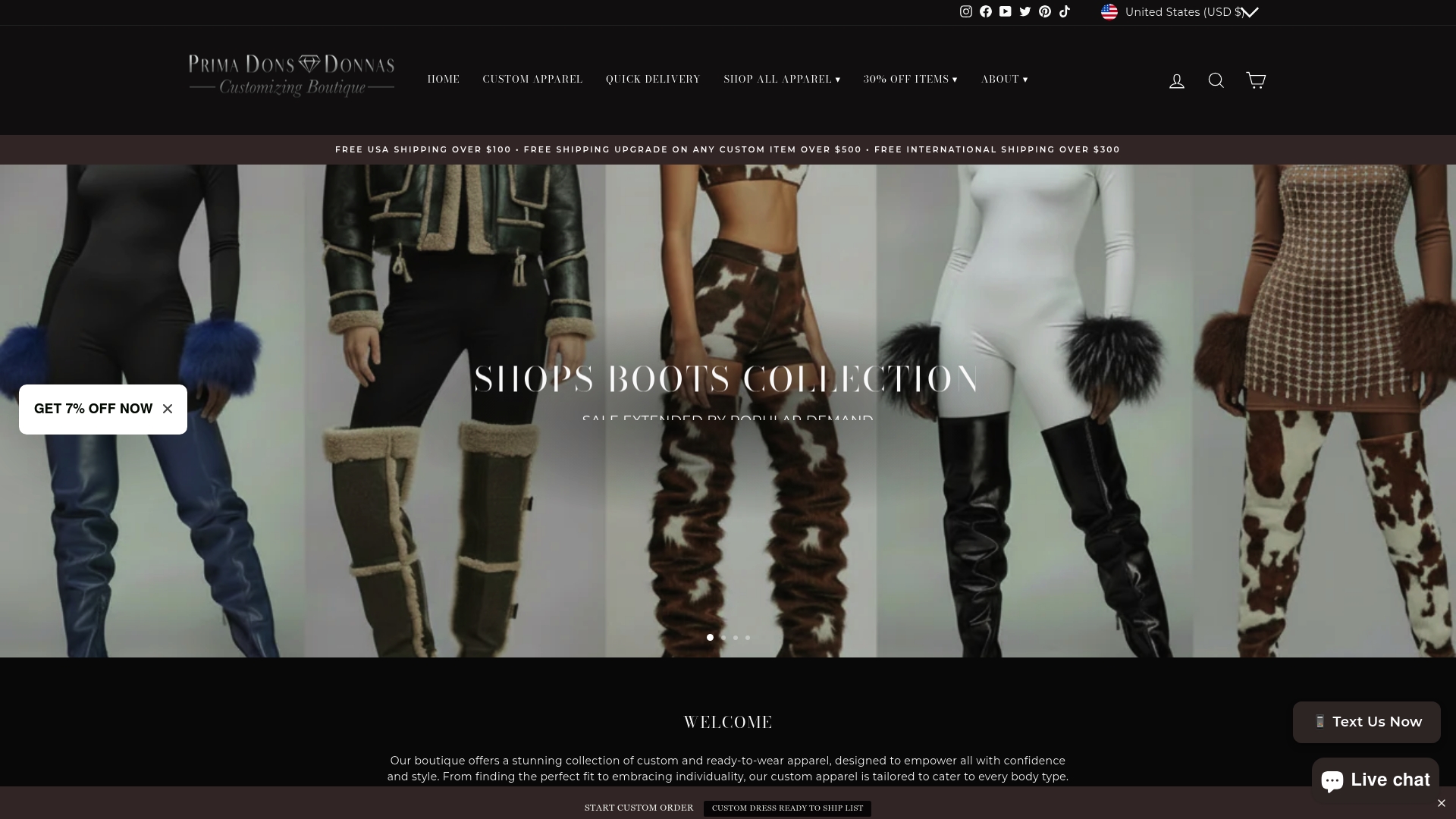
Explore how to embrace individuality through intentional design at Prima Dons and Donnas. Dont settle for fast fashion trends. Visit our collection page today to create statement pieces that last and reflect your authentic self.
Frequently Asked Questions
What is fashion individuality?
Fashion individuality refers to the unique expression of personal style through clothing choices, reflecting one’s personality, values, and experiences. It’s about curating a wardrobe that authentically represents who you are, rather than simply following trends.
How can I build my own fashion style?
You can build your own fashion style by experimenting with pieces that resonate with your personality, assessing your personal aesthetic preferences, considering your cultural background, and investing in high-quality, versatile items that align with your lifestyle.
What are some common mistakes to avoid in personal style?
Common mistakes include blindly following trends, copying others’ looks, neglecting personal body type and comfort, and purchasing items without a clear strategy. It’s essential to maintain a cohesive wardrobe that reflects your unique identity.
How does sustainability play a role in fashion individuality?
Sustainability is crucial in fashion individuality as it encourages consumers to make ethical and environmentally responsible clothing choices. By opting for sustainable fabrics and custom fashion, individuals can create a wardrobe that aligns with their values while expressing their personal style.
Recommended
- 7 Types of Custom Clothing for Bold, Confident Women – Prima Dons & Donnas
- Top Custom Clothing Services – Expert Comparison 2026 – Prima Dons & Donnas
- 7 Types of Custom Fashion Every Stylish Woman Should Know – Prima Dons & Donnas
- Fashion Personalization: Empowering Your Unique Style – Prima Dons & Donnas
- Best Personalized Hair Care Kits – Expert Comparison 2025 | MyHair


Leave a comment