

Trends in Custom Fashion 2026: Bold Style and Personalization
Most American designers are embracing cutting-edge personalization, with more than 55 percent of fashion brands now investing in AI-driven custom pieces. For fashion-forward women, staying ahead in 2026 means demanding clothing that reflects individuality and adaptability as well as sustainability. This guide uncovers how bold colors, innovative silhouettes, and digital customization will redefine your wardrobe, making every outfit a statement of global expression and personal style.
Table of Contents
- Custom Fashion in 2026: Key Concepts
- Major Trend Categories Shaping 2026
- Bold Color, Print, and Silhouette Innovations
- Digital Personalization and Quick Delivery
- Sustainable Materials and Ethical Choices
- Expressive Styling for Global Women
Key Takeaways
| Point | Details |
|---|---|
| Emphasis on Personalization | Custom fashion in 2026 will focus on dynamic, personalized experiences driven by technology and AI. |
| Sustainability as a Core Principle | A holistic approach to sustainability will be essential, incorporating ethical production and eco-friendly materials. |
| Inclusivity and Diversity Focus | Brands will prioritize adaptive design, catering to various body types and cultural backgrounds to promote personal empowerment. |
| Technological Integration | Advanced technologies will enable rapid delivery and customization, providing consumers with a seamless shopping experience. |
Custom Fashion in 2026: Key Concepts
The custom fashion landscape in 2026 represents a dramatic shift towards personalized, technology-driven experiences that fundamentally reimagine how women engage with clothing. Fashion market trends indicate a profound transformation where individual style becomes increasingly adaptive, sustainable, and technologically integrated.
Key emerging concepts reveal a multifaceted approach to personalization. The WILLOW framework, developed by the Samsung Fashion Research Institute, emphasizes resilience and AI-driven innovation as core principles. This means custom fashion will no longer be about static design, but dynamic, responsive clothing that adapts to individual preferences, body types, and lifestyle needs. Consumers can expect garments that can literally transform based on environmental conditions, personal mood, or specific functional requirements.
Technology will play a critical role in enabling these personalization trends. AI-driven fashion innovation will allow for unprecedented levels of customization, from virtual fitting rooms that create perfect digital replicas of individual body shapes to generative design algorithms that can craft unique pieces tailored to specific aesthetic preferences. The integration of sustainable materials, smart textiles, and ethical production methods will further distinguish custom fashion offerings.
Pro tip: When exploring custom fashion options in 2026, prioritize brands that offer transparent technology integration, sustainability credentials, and true personalization beyond surface-level customization.
Major Trend Categories Shaping 2026
Fashion trends for 2026 reveal four pivotal categories that will fundamentally reshape the custom clothing landscape. These trend categories represent a holistic approach to fashion that goes beyond aesthetics, encompassing technological innovation, social responsibility, and individual expression.
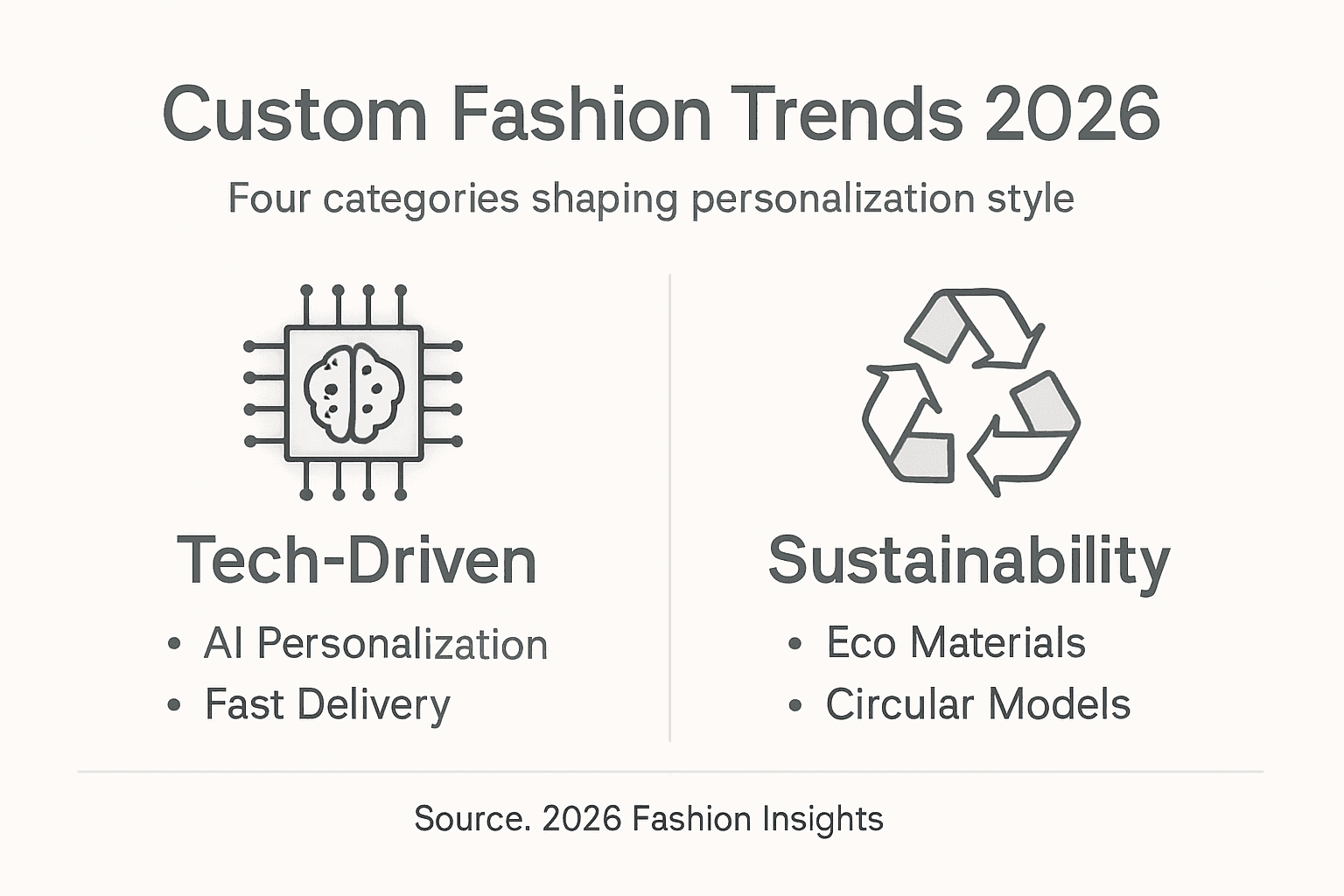
The first critical trend category centers on inclusivity and diversity. This movement transcends traditional sizing and representation, focusing on creating clothing that genuinely adapts to different body types, cultural backgrounds, and individual expressions. Brands are developing design approaches that celebrate global demographic shifts, ensuring that custom fashion becomes a powerful tool for personal empowerment and social connection.
Tech-driven fashion innovations represent another transformative trend category. Artificial intelligence and advanced design technologies are enabling unprecedented levels of personalization. This includes generative design algorithms that can create unique garment patterns, smart textiles that respond to environmental conditions, and virtual fitting technologies that provide hyper-accurate sizing and styling recommendations. The integration of technology means custom fashion will become more responsive, adaptive, and tailored to individual needs than ever before.
Sustainability emerges as a foundational trend category, moving beyond simple eco-friendly materials to a comprehensive approach of ethical production, circular design, and reduced environmental impact. Consumers will increasingly demand transparency in manufacturing processes, carbon footprint reduction, and clothing lifecycles that minimize waste and maximize resource efficiency.
Pro tip: When exploring 2026 fashion trends, prioritize brands that demonstrate a genuine commitment to multiple trend categories, not just a single dimension of innovation.
Here’s a concise summary of the four major trend categories transforming custom fashion in 2026:
| Trend Category | Main Focus | Example Innovations |
|---|---|---|
| Inclusivity & Diversity | Adaptive design for all individuals | Personalized sizing, cultural aesthetics |
| Tech-Driven Personalization | AI-powered customization | Virtual fitting, generative design |
| Sustainability | Environmental & ethical production | Bio-materials, lifecycle transparency |
| Expressive Styling | Personal & global expression | Storytelling pieces, heritage blending |
Bold Color, Print, and Silhouette Innovations
Fashion trends for 2026 are revolutionizing design through unprecedented visual boldness and technological innovation. These emerging trends represent a radical departure from minimalist aesthetics, embracing maximalist expressions that celebrate individual creativity and confident self-representation.
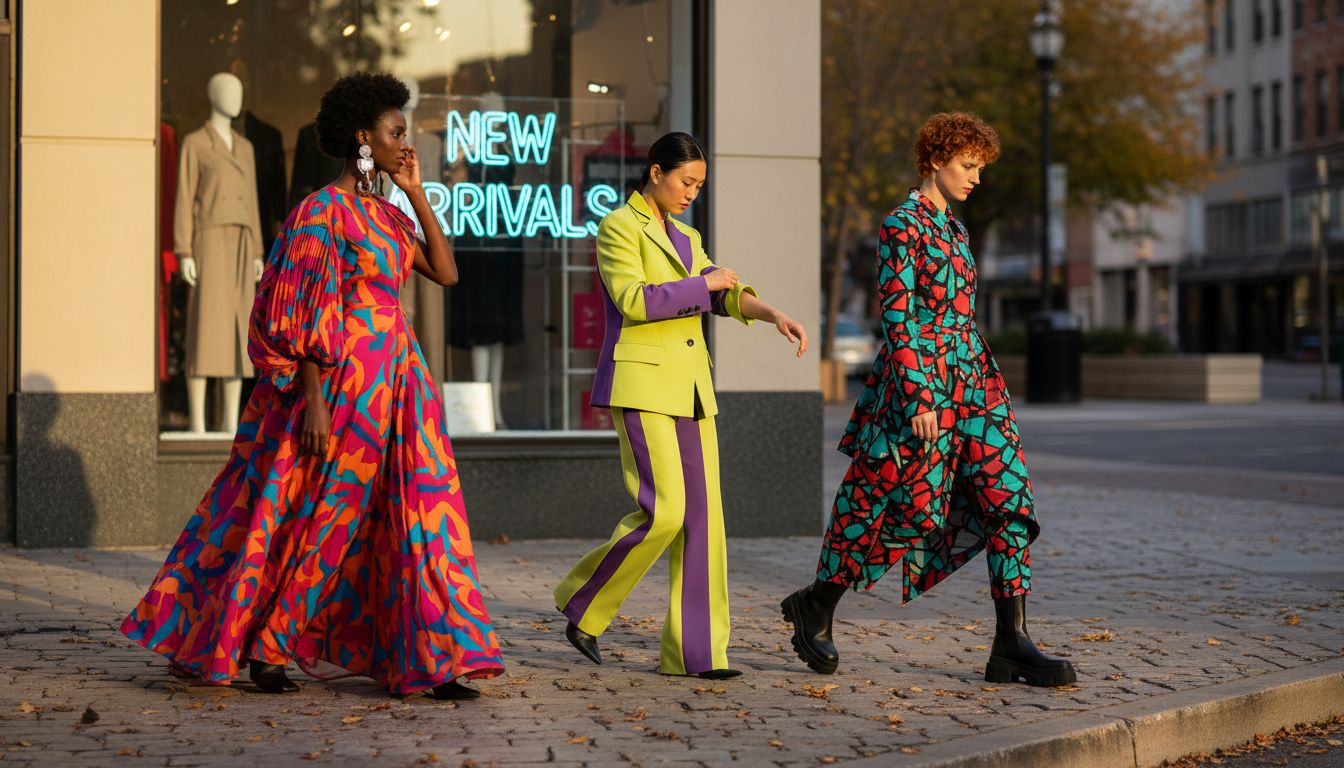
Color and print innovations are taking center stage, with designers introducing hyper-saturated palettes and digitally inspired graphic treatments. Digital glitch patterns and surreal color combinations will dominate, transforming traditional textile design into dynamic visual experiences. Unexpected color pairings like electric blue with neon green or deep purple with vibrant orange will challenge conventional color theory, creating visually arresting garments that demand attention.
Innovative silhouette design emerges as a critical trend, featuring architectural structures that blur boundaries between clothing and wearable art. Sculptural shoulders, dramatic funnel necks, and origami-inspired folding techniques will transform garment construction. These designs incorporate modular elements allowing multi-configuration styling, enabling wearers to transform a single piece into multiple looks through innovative structural mechanics.
Technology and artistic expression converge in these bold innovations, with designers leveraging digital design tools to create garments that are simultaneously functional and visually revolutionary. Climate-adaptive layers, digitally generated prints, and adaptive textile technologies will redefine how we conceptualize clothing beyond traditional aesthetic boundaries.
Pro tip: When exploring bold fashion innovations, focus on pieces that offer versatility, technological integration, and personal storytelling capabilities.
Digital Personalization and Quick Delivery
Digital personalization trends are transforming the fashion landscape in 2026, offering unprecedented levels of individual customization and rapid product delivery. These innovations represent a radical shift from traditional retail models, empowering consumers with technology-driven design experiences that prioritize personal expression and instant gratification.
Artificial Intelligence emerges as the primary driver of these technological advancements, enabling hyper-personalized design platforms that can instantaneously generate custom garment concepts tailored to individual preferences. Advanced AI algorithms analyze user data, body measurements, style preferences, and historical fashion choices to create uniquely crafted clothing recommendations that feel both personal and precisely engineered.
AI-powered fashion technologies are revolutionizing supply chain management, dramatically reducing production times and enabling on-demand manufacturing. Customers can now collaborate directly in design processes, using intuitive digital interfaces to modify garment details, select materials, and preview realistic 3D representations of their custom pieces before production. These technologies not only accelerate delivery timelines but also minimize overproduction and textile waste.
Quick delivery models are being reimagined through sophisticated logistics networks and localized manufacturing strategies. Advanced fit feedback systems powered by machine learning reduce return rates by providing more accurate sizing recommendations, while blockchain technologies ensure transparency in production and shipping processes. The result is a seamless, efficient customer experience that bridges digital personalization with rapid, reliable product fulfillment.
Pro tip: When exploring digital personalization platforms, prioritize services offering comprehensive customization options, realistic previews, and transparent production timelines.
Sustainable Materials and Ethical Choices
Circular fashion models are revolutionizing the fashion industry in 2026, transforming how consumers and brands approach sustainability. These innovative strategies move far beyond traditional recycling, embedding environmental consciousness into every stage of clothing production, from material sourcing to final product lifecycle.
The emergence of breakthrough bio-based materials represents a significant leap in sustainable fashion technology. Innovative solutions like lab-grown leather, mycelium composites, and plant-derived textiles are replacing traditional resource-intensive fabrics. These materials not only reduce environmental impact but also offer superior performance characteristics, challenging the longstanding perception that sustainable alternatives compromise quality or aesthetic appeal.
Fabric innovation trends are driving a comprehensive reimagining of textile production. Advanced technologies like closed-loop recycling systems, antimicrobial nano-coatings, and digital traceability platforms are enabling unprecedented transparency in material sourcing. Designers and manufacturers can now track every component of a garment’s journey, ensuring ethical production practices and minimizing environmental footprint through sophisticated supply chain management.
Transparency and consumer empowerment emerge as critical components of sustainable fashion in 2026. Brands are implementing take-back recycling programs, repair services, and resale platforms that extend garment lifecycles and challenge traditional linear consumption models. These strategies not only reduce waste but also create economic opportunities that align environmental responsibility with consumer desires for meaningful, long-lasting fashion experiences.
Pro tip: When evaluating sustainable fashion choices, look beyond marketing claims and seek brands offering comprehensive lifecycle information and tangible environmental impact metrics.
Here’s a reference table of cutting-edge sustainable materials and their key benefits in 2026 fashion:
| Material | Core Benefit | Example Use Case |
|---|---|---|
| Lab-grown leather | Reduced animal footprint | Jackets, handbags |
| Mycelium composite | Rapid biodegradable textile | Footwear, accessories |
| Plant-derived fabric | Renewable resource | Dresses, everyday wear |
| Recycled synthetics | Circular lifecycle | Activewear, outerwear |
Expressive Styling for Global Women
Cultural fashion shifts in 2026 are transforming women’s style into a powerful vehicle for personal narrative and global connection. These emerging trends transcend traditional fashion boundaries, creating a dynamic landscape where clothing becomes a nuanced language of individual and collective identity.
The power glam movement represents a bold reimagining of feminine expression, characterized by unapologetically assertive aesthetics that celebrate diversity and individual strength. Sculptural silhouettes, statement accessories, and maximalist design approaches enable women to craft visual stories that challenge conventional beauty standards and amplify personal narratives across cultural contexts.
Global fashion trends highlight a profound shift towards regenerative practices and inclusive representation. Design philosophies now prioritize styles that honor local cultural identities while simultaneously creating universal resonance. This approach means women can simultaneously express their unique heritage and connect with a global community through carefully crafted fashion choices that blend tradition with contemporary innovation.
Technology and cultural consciousness intersect in 2026’s fashion landscape, offering women unprecedented tools for self-expression. Digital platforms, AI-driven design technologies, and global marketplaces allow women to curate wardrobes that are simultaneously personal, politically aware, and aesthetically sophisticated. The result is a fashion ecosystem that celebrates individual complexity and celebrates diversity as a fundamental design principle.
Pro tip: When building your expressive wardrobe, focus on pieces that tell your personal story and reflect multiple dimensions of your identity.
Discover Bold Personalization with Prima Dons and Donnas Custom Fashion
The 2026 fashion landscape calls for truly personalized style that celebrates individuality and embraces bold, confident design. If you struggle to find clothing that adapts perfectly to your unique body shape or crave exclusive pieces that tell your personal story, Prima Dons and Donnas is your answer. The article highlights the importance of AI-driven customization, sustainable materials, and expressive styling all of which align with our made-to-order approach. We specialize in creating custom clothing and footwear tailored to any size or color — offering you the ultimate platform to express your identity through fashion that fits and feels exceptional.
Embrace the future of fashion where sustainability meets luxury. Our commitment to exclusive, statement-making designs includes sustainable options such as high-quality faux fur that align perfectly with the circular fashion ideals featured in 2026 trends. Say goodbye to one-size-fits-all compromises and welcome garments crafted with intentionality, comfort, and quick delivery options when you need them most.
Elevate your wardrobe now with custom solutions that meet bold style demands from Prima Dons and Donnas.
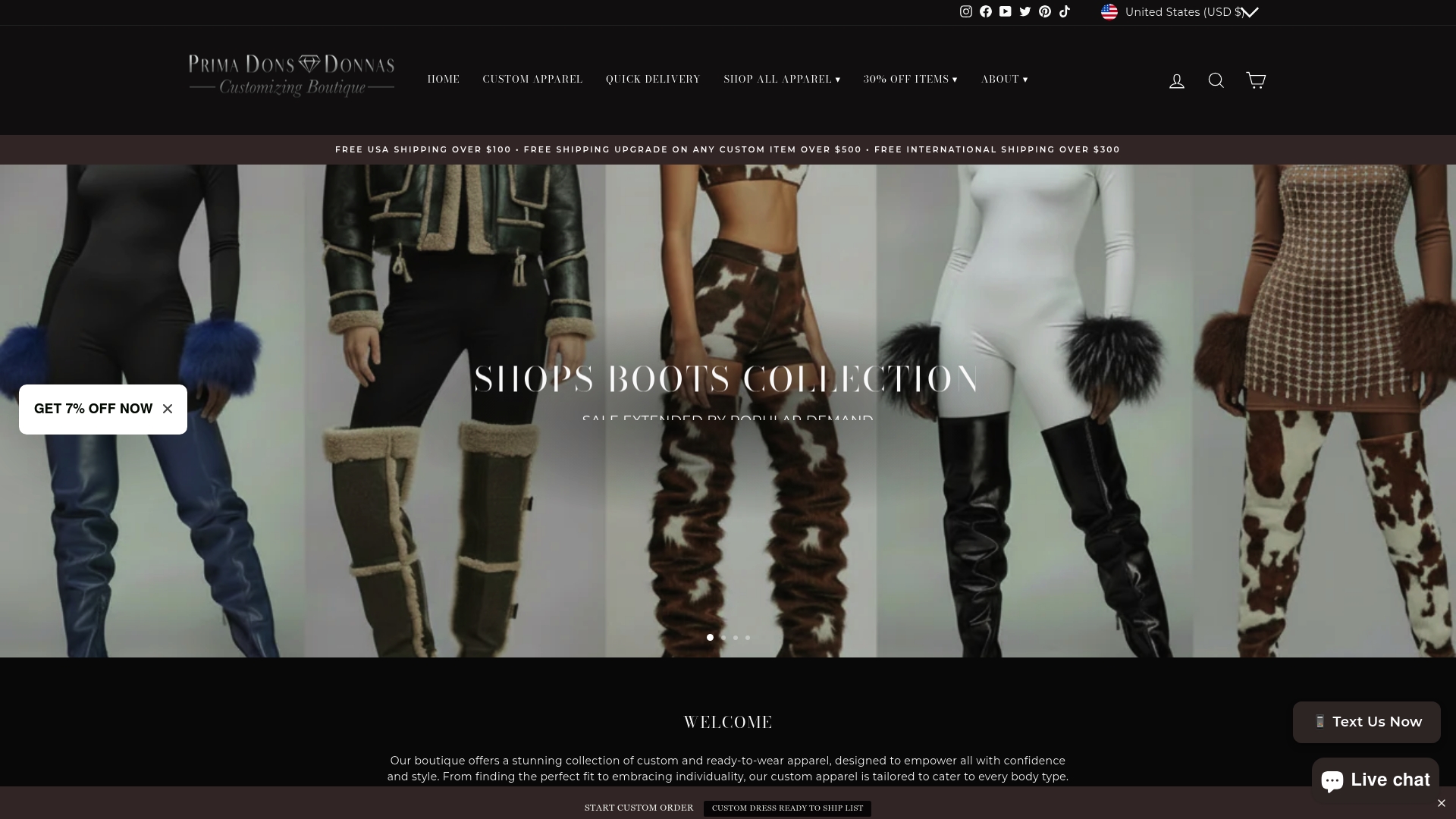
Experience unparalleled personalization today. Explore how Prima Dons and Donnas transforms fashion into an empowering journey of self-expression. Visit Prima Dons and Donnas to start designing your unique, sustainable statement piece and enjoy quick delivery options tailored to your lifestyle.
Frequently Asked Questions
What are the key trends in custom fashion for 2026?
The major trends in custom fashion for 2026 include inclusivity and diversity, tech-driven personalization, sustainability, and expressive styling. These trends emphasize individual expression, ethical production, and the use of advanced technologies to create unique and adaptive clothing experiences.
How will technology impact personalization in custom fashion?
Technology will significantly enhance personalization in custom fashion by utilizing AI-driven innovations such as virtual fitting rooms, generative design algorithms, and smart textiles. These tools will allow for hyper-accurate sizing, unique garment creation, and adaptive clothing that responds to individual preferences and environmental factors.
What role does sustainability play in the future of custom fashion?
Sustainability is foundational in the future of custom fashion, moving towards ethical production practices and circular design. This includes the use of bio-based materials, transparent supply chains, and strategies that extend the lifecycle of garments, minimizing waste and environmental impact.
What are some examples of bold design innovations expected in 2026 fashion?
Examples of bold design innovations in 2026 include hyper-saturated color palettes, digital glitch patterns, and innovative silhouettes featuring architectural structures. These designs encourage self-expression and creativity, and may involve modular elements that allow wearers to customize their looks further.


Leave a comment