

What is sustainable fashion: A 2026 guide
Fashion produces 10% of global carbon emissions, yet many still think sustainable style means sacrificing bold colors and luxury details. Sustainable fashion in 2026 redefines responsibility by blending environmental care with ethical labor, quality craftsmanship, personalization, and luxury aesthetics. This guide covers materials, certifications, myths, trends, and practical steps for building a wardrobe that reflects your values without compromising your unique style.
Table of Contents
- Introduction To Sustainable Fashion In 2026
- The Environmental And Social Impact Of Fashion
- Understanding Sustainable Materials
- Ethical Labor And Certifications In Sustainable Fashion
- Common Misconceptions About Sustainable Fashion
- Industry Trends And Consumer Behavior Shifts In Sustainable Fashion
- Building A Sustainable Wardrobe With Personalization And Luxury
- Explore Personalized Luxury With Sustainable Style
- Frequently Asked Questions
Key takeaways
| Point | Details |
|---|---|
| Sustainable fashion definition | Holistic approach integrating eco-friendly materials, ethical labor, transparency, circularity, and longevity with personalized luxury. |
| Environmental urgency | Fashion accounts for 10% of global emissions and consumes massive water resources, demanding immediate sustainable alternatives. |
| Material and certification importance | Organic cotton, Tencel, recycled fibers, and GOTS or Fair Trade certifications ensure reduced environmental harm and fair labor. |
| Myths debunked | Sustainable fashion supports bold maximalist styles, luxury personalization, and varied price points beyond plain basics. |
| Practical wardrobe building | Choose quality over quantity, verify certifications, select made-to-order pieces, and invest in timeless designs. |
Introduction to sustainable fashion in 2026
Sustainable fashion represents a comprehensive approach that addresses environmental impact, ethical labor practices, and product longevity while embracing personalization and luxury. It challenges the conventional fashion model by prioritizing responsibility at every stage, from fiber cultivation to final delivery.
Sustainable fashion integrates materials, processes, circular design, and transparency throughout the product lifecycle. This integration creates a framework built on five essential pillars that redefine how we approach style and consumption.
The five pillars include sustainable materials that minimize ecological harm, ethical labor ensuring fair wages and safe conditions, responsible production reducing waste and pollution, transparency revealing supply chain practices, and longevity through quality and personalization. Each pillar supports the others, creating a system where luxury and responsibility coexist naturally.
Women seeking fashion that reflects both personal style and values benefit from understanding these pillars. Sustainable choices no longer mean compromising on bold colors, custom fits, or statement pieces. Instead, they offer opportunities to express individuality through intentional design.
Key sustainable fashion principles:
- Environmental stewardship through eco-friendly materials and low-impact production
- Ethical labor practices guaranteeing fair compensation and safe workplaces
- Circular design enabling repair, reuse, and recycling
- Transparency in sourcing, manufacturing, and business practices
- Longevity and personalization creating timeless pieces tailored to individual preferences
This framework empowers conscious consumption without sacrificing the exclusivity and craftsmanship that define luxury fashion. Quality and sustainability enhance each other, delivering garments that endure both physically and stylistically.
Pro Tip: Evaluate brands by checking their material sourcing details, labor certifications, production transparency reports, and commitment to made-to-order or small-batch manufacturing. Brands openly sharing this information demonstrate genuine sustainability commitment.
Personalization plays a crucial role in sustainable fashion by reducing waste through precise sizing and color customization. When garments fit perfectly and match your aesthetic exactly, you wear them longer and treasure them more. This shift from disposable trends to curated collections defines modern sustainable luxury.
The environmental and social impact of fashion
The fashion industry’s ecological footprint demands urgent attention. Fashion accounts for 10% of global carbon emissions and ranks as the second-largest consumer of the world’s water supply. These staggering numbers reveal an industry in desperate need of transformation.
Water pollution from textile dyeing affects communities worldwide, with untreated chemical runoff contaminating rivers and groundwater. Synthetic fabrics shed microfibers during washing, releasing plastic particles into oceans where they accumulate in marine life. Conventional cotton farming depletes soil nutrients and requires intensive pesticide use, harming ecosystems and farmworkers alike.
Major environmental challenges:
- Greenhouse gas emissions from energy-intensive manufacturing and global shipping
- Water consumption and pollution from dyeing, finishing, and fiber production
- Textile waste accumulation with over 85% of garments ending in landfills
- Microplastic pollution from synthetic fabric breakdown
- Chemical contamination affecting soil, water, and air quality
Social impacts mirror these environmental harms. Fast fashion’s demand for cheap, rapid production creates exploitative labor conditions. Workers in garment factories often face unsafe buildings, excessive hours, poverty wages, and exposure to toxic chemicals without adequate protection.
The 2013 Rana Plaza collapse in Bangladesh killed over 1,100 garment workers, exposing the human cost of prioritizing speed and price over safety. Despite increased awareness, many brands continue sourcing from factories with questionable labor practices, hidden behind opaque supply chains.
Labor exploitation indicators:
- Wages below living standards forcing workers into poverty
- Excessive overtime requirements without fair compensation
- Unsafe working conditions including structural hazards and fire risks
- Child labor in cotton fields and garment production
- Restricted freedom of association preventing unionization
These interconnected environmental and social challenges highlight why sustainable fashion matters beyond aesthetics. Every purchase decision either perpetuates harmful systems or supports alternatives prioritizing people and planet alongside profit. Understanding these impacts empowers consumers to demand better from brands and choose options aligning with their values.
Sustainable fashion alternatives address these urgent issues through transparent supply chains, ethical labor partnerships, and eco-friendly materials that dramatically reduce harm. The choice between fast fashion and sustainable luxury increasingly represents a choice between extraction and regeneration.
Understanding sustainable materials
Sustainable materials form the foundation of eco-conscious fashion, offering luxury qualities while minimizing environmental damage. Materials like organic cotton, bamboo, Tencel, hemp, and recycled fibers significantly reduce resource consumption compared to conventional fabrics.
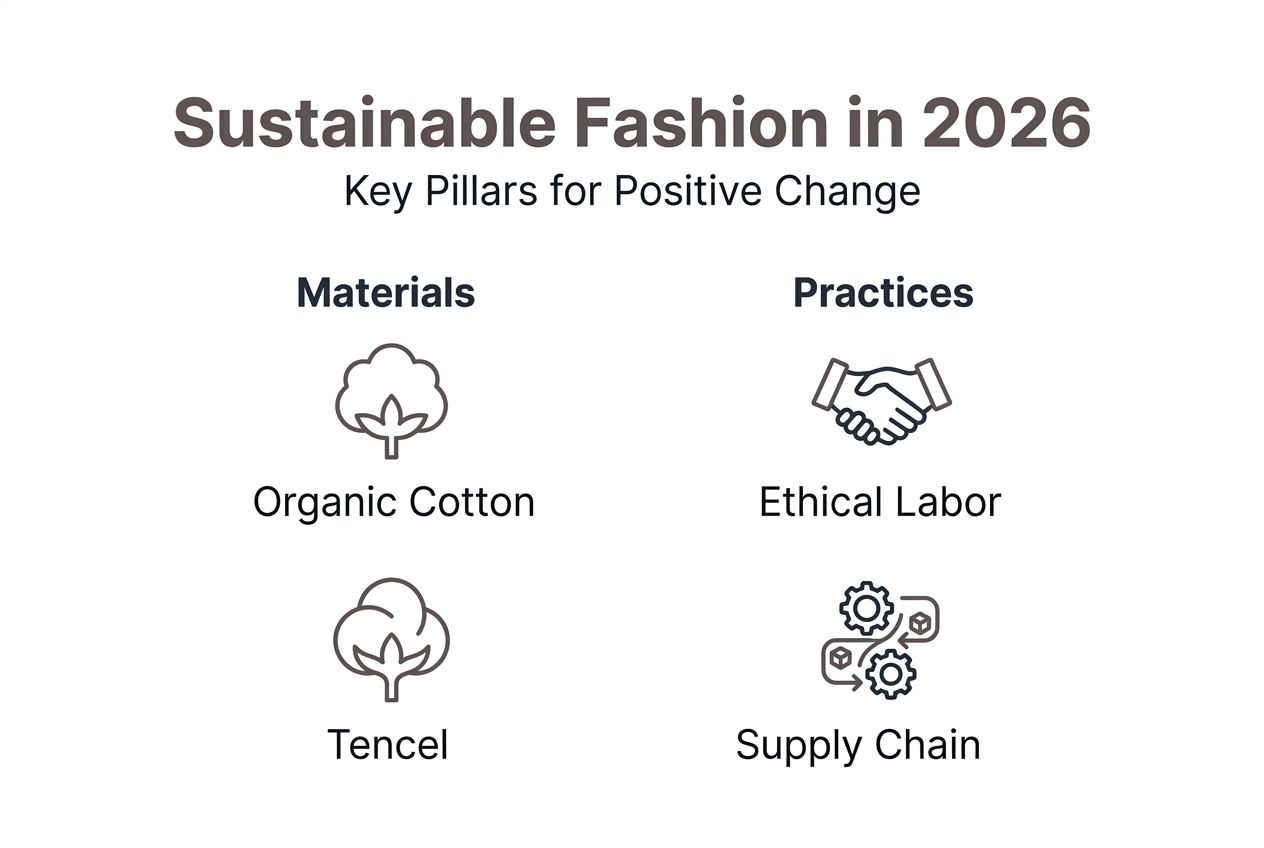
Organic cotton grows without synthetic pesticides or fertilizers, using 91% less water than conventional cotton. This dramatic reduction preserves freshwater resources while protecting soil health and farmworker safety. The resulting fabric feels softer and breathes better, offering superior comfort alongside environmental benefits.
Tencel, derived from sustainably harvested wood pulp, uses a closed-loop production process that recycles 99% of solvents. This cellulose fiber drapes beautifully, resists wrinkles, and provides temperature regulation perfect for year-round wear. Its silky texture rivals traditional luxury fabrics while maintaining eco-friendly credentials.
Bamboo fabric grows from one of the fastest-regenerating plants on Earth, requiring no pesticides and minimal water. When processed responsibly, bamboo creates soft, breathable textiles with natural antibacterial properties. Hemp offers exceptional durability, growing quickly without chemicals while actually improving soil quality.
Recycled fibers transform post-consumer waste into new garments, diverting materials from landfills and reducing virgin resource extraction. Recycled polyester uses 59% less energy than virgin production, while recycled cotton extends fiber lifecycles and decreases water consumption.
| Material | Water Use vs. Conventional | Carbon Footprint | Biodegradability |
|---|---|---|---|
| Organic Cotton | 91% less | 46% lower | Fully biodegradable |
| Tencel | 95% less | 50% lower | Fully biodegradable |
| Bamboo | 80% less | 40% lower | Biodegradable |
| Hemp | 70% less | 35% lower | Fully biodegradable |
| Recycled Polyester | 90% less | 59% lower | Not biodegradable |
These materials deliver luxury aesthetics through superior drape, texture, and performance. Sustainable fabrics often outlast conventional alternatives, maintaining color vibrancy and structural integrity through repeated wear and washing. This longevity justifies higher initial costs while reducing long-term wardrobe expenses.
Pro Tip: Check garment labels for fiber content percentages and production certifications. Blends containing at least 70% sustainable fibers offer meaningful environmental benefits, while 100% certified organic or recycled materials provide maximum impact. Request transparency about processing methods, as fabric treatment significantly affects overall sustainability.
High-quality faux fur represents another sustainable luxury option, offering warmth and elegance without animal products. Modern faux fur technologies create textures indistinguishable from real fur while avoiding ethical concerns and environmental costs associated with animal agriculture and tanning processes.
Ethical labor and certifications in sustainable fashion
Ethical labor practices ensure that fashion’s human cost receives equal attention to environmental impact. Certifications provide verifiable standards guaranteeing fair treatment, safe conditions, and environmental responsibility throughout production.
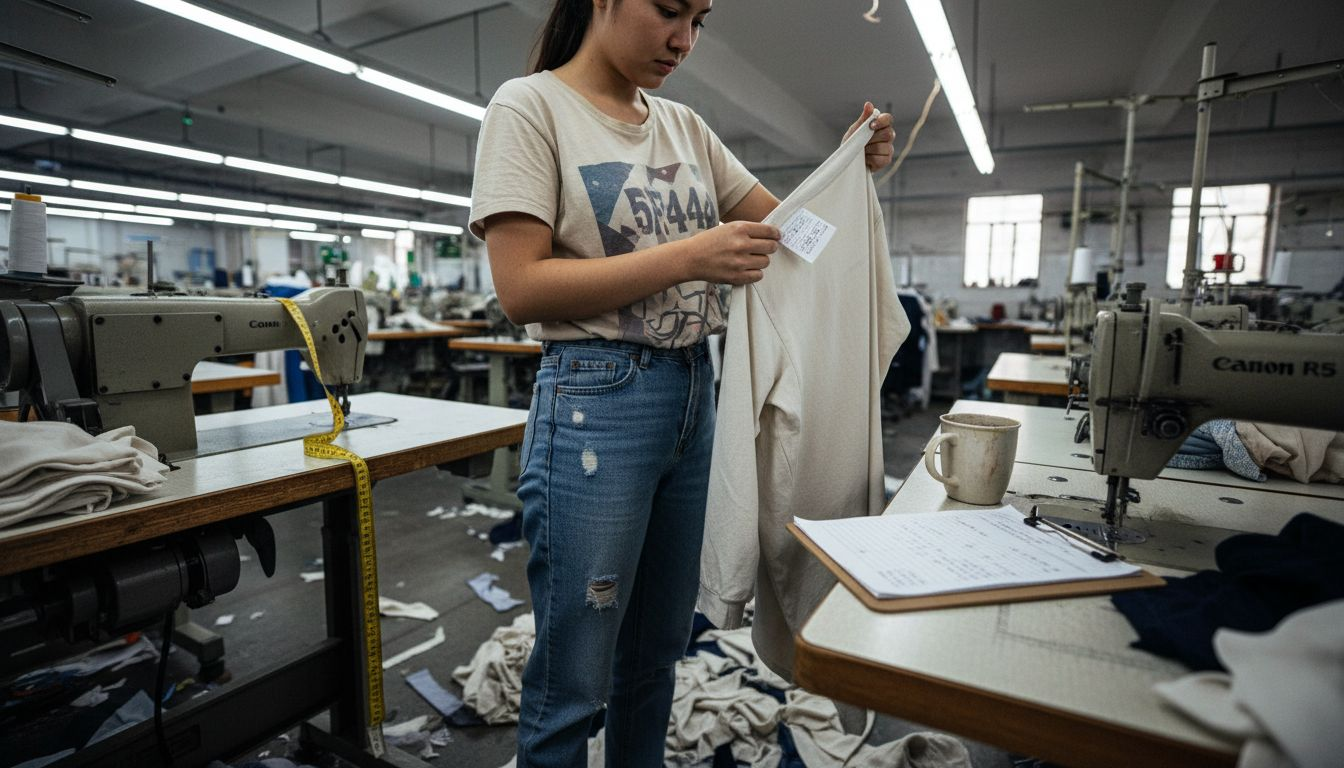
Certifications such as GOTS and Fair Trade ensure textiles use organic fibers grown without harmful chemicals and that workers receive fair wages under safe conditions. These third-party verified standards create accountability where industry self-regulation often fails.
Global Organic Textile Standard (GOTS) certifies the entire supply chain from fiber harvesting through final product labeling. It requires organic fiber content, prohibits toxic chemicals, mandates safe working conditions, ensures living wages, and verifies environmental management systems. GOTS represents the gold standard for comprehensive textile sustainability.
Fair Trade certification focuses specifically on social equity, guaranteeing farmers and workers receive fair compensation, safe workplaces, and community development funding. Fair Trade premiums support education, healthcare, and infrastructure improvements in producer communities, creating lasting positive impact beyond individual transactions.
Key certification criteria:
- Minimum wage requirements exceeding local standards
- Safe workplace conditions with protective equipment and structural integrity
- Restricted chemical use protecting worker health and environment
- Organic farming practices for fiber cultivation
- Freedom of association allowing workers to organize
- Prohibition of child labor and forced labor
- Environmental management reducing waste and pollution
“Certifications transform abstract sustainability claims into verifiable actions, giving consumers confidence that their purchases support genuine ethical and environmental standards rather than marketing narratives.”
Verifying certifications requires checking official registry databases and examining physical labels on garments. Authentic certifications include unique transaction certificates, license numbers, and detailed information about certified facilities. Beware of vague sustainability claims lacking specific certification details or third-party verification.
When shopping for luxury or personalized fashion, inquire about labor partnerships and supply chain transparency. Brands committed to ethical practices openly discuss their manufacturing relationships, facility locations, and worker welfare programs. This transparency distinguishes genuine sustainability from superficial greenwashing.
Smaller made-to-order brands often maintain closer relationships with production partners, enabling better oversight of working conditions and fair compensation. This direct connection supports artisan communities while ensuring quality craftsmanship that mass production cannot replicate.
Certified sustainable fashion costs more upfront because it accounts for true production costs including fair wages, safe facilities, and environmental protections. This honest pricing reflects fashion’s real value rather than externalizing costs onto vulnerable workers and ecosystems.
Common misconceptions about sustainable fashion
Several persistent myths prevent wider sustainable fashion adoption, particularly among women seeking bold, personalized luxury styles. Debunking these misconceptions reveals sustainable fashion’s true versatility and accessibility.
Myth one assumes sustainable fashion means plain, neutral basics only. Reality shows sustainable collections increasingly feature vibrant colors, intricate patterns, and maximalist designs. Luxury fashion blends sustainability with exclusivity through high-quality faux fur and personalized design, offering eco-consciousness alongside unique style.
Bold prints, crystal embellishments, dramatic silhouettes, and custom color combinations all exist within sustainable fashion. Natural dyes create rich hues, while digital printing reduces water waste compared to traditional methods. Personalization through made-to-order production eliminates waste from unsold inventory while delivering exactly what you envision.
Common sustainable fashion myths:
- Sustainable equals boring, neutral, or minimalist only
- All sustainable fashion costs significantly more than conventional
- Natural fibers always outperform synthetic sustainability
- Sustainable brands cannot offer luxury aesthetics or exclusivity
- Eco-friendly fashion lacks durability and quality
Myth two claims sustainable fashion always costs prohibitively more. While some sustainable pieces carry higher price tags reflecting fair labor and quality materials, many options exist across price ranges. Made-to-order models eliminate retail markup, offering custom luxury at competitive prices. Investment in fewer, better pieces often costs less long-term than constant fast fashion replacement.
Myth three assumes all natural fibers automatically qualify as sustainable. Conventional cotton requires intensive pesticide use and water consumption, while some bamboo processing involves harsh chemicals. Sustainability depends on cultivation methods, processing techniques, and supply chain practices, not just fiber origin. Always verify certifications rather than assuming natural equals sustainable.
Myth four suggests sustainable brands cannot deliver luxury aesthetics. Modern sustainable fashion showcases exquisite craftsmanship, premium materials, and exclusive designs rivaling any luxury house. Personalized tailoring, hand-finished details, and limited production runs create pieces more special than mass-market luxury.
Pro Tip: Combat greenwashing by requesting specific details about material sourcing, production locations, certifications, and environmental initiatives. Legitimate sustainable brands provide transparent answers with verifiable documentation. Vague claims about being “eco-friendly” or “natural” without supporting evidence signal marketing rather than substance.
Recognize that sustainable fashion encompasses diverse aesthetics from minimalist to maximalist, casual to formal, understated to statement-making. Your personal style finds expression within sustainable options when you explore beyond stereotypes and seek brands aligning with your values and vision.
Industry trends and consumer behavior shifts in sustainable fashion
Sustainable fashion’s growth accelerates as consumer awareness increases and regulations tighten. Market dynamics increasingly favor transparency, personalization, and quality over disposable trends.
Fast fashion accounts for over 60% of clothing sales worldwide, yet sustainable fashion sales grow at 8% annually. This expansion reflects changing priorities among consumers who recognize fashion’s impact and seek alignment between purchases and values.
Regulatory pressure supports this shift. The European Union introduced traceability requirements in 2025, mandating digital product passports revealing supply chain details, material composition, and environmental impact. Similar legislation spreads globally, forcing brands toward transparency or market exclusion.
Consumer demand shifts driving sustainable fashion:
- Transparency requirements about sourcing, production, and labor practices
- Personalization through custom sizing, colors, and design details
- Quality prioritization valuing longevity over trend chasing
- Exclusivity seeking unique pieces rather than mass-produced items
- Value alignment choosing brands sharing ethical commitments
Younger consumers particularly drive sustainable fashion adoption, with 73% willing to pay premium prices for verified sustainable products. This demographic views fashion choices as value statements, favoring brands demonstrating authentic commitment to environmental and social responsibility.
| Factor | Fast Fashion | Sustainable Made-to-Order |
|---|---|---|
| Production Volume | Mass production, excess inventory | Custom orders, minimal waste |
| Fabric Waste | 15-20% cutting room waste | Under 5% through precise cutting |
| Material Types | Synthetic, conventional cotton | Organic, recycled, sustainable fibers |
| Consumer Mindset | Disposable, trend-driven | Investment, longevity-focused |
| Labor Practices | Often exploitative, opaque | Fair wages, transparent partnerships |
Luxury brands increasingly adopt sustainable practices recognizing that exclusivity aligns naturally with responsible production. Limited runs, artisan craftsmanship, and premium materials characteristic of luxury fashion minimize waste while delivering superior quality. Made-to-order models eliminate overproduction entirely, creating pieces only when customers commit.
Personalization emerges as a key sustainable fashion trend, allowing customers to specify exact measurements, preferred colors, and design modifications. This customization ensures perfect fit and personal satisfaction, dramatically increasing garment lifespan as pieces remain relevant and wearable indefinitely.
Technology enables this personalization through digital design tools, virtual fitting, and efficient small-batch production. Consumers preview customizations before production, ensuring the final piece matches their vision exactly. This process reduces returns and waste while elevating customer experience.
The intersection of sustainability, luxury, and personalization defines fashion’s future. Consumers increasingly reject the false choice between style and responsibility, demanding options that deliver both without compromise.
Building a sustainable wardrobe with personalization and luxury
Constructing a sustainable wardrobe requires intentional choices prioritizing quality, personalization, and alignment with your values and aesthetic. These five steps guide the transition from conventional to conscious fashion consumption.
-
Choose eco-friendly materials prioritizing certified organic, recycled, or sustainably sourced fibers. Look for GOTS organic cotton, Tencel, recycled polyester, hemp, or responsibly processed bamboo. These materials reduce environmental impact while offering luxury qualities like superior softness, durability, and breathability. Request material transparency from brands, verifying certifications through official databases.
-
Verify ethical labor certifications ensuring fair wages and safe working conditions. Seek GOTS, Fair Trade, or equivalent certifications guaranteeing worker welfare. Ask brands about their manufacturing partnerships, facility locations, and labor practices. Transparency about these details signals genuine commitment rather than superficial claims.
-
Select made-to-order or upcycled pieces minimizing waste and maximizing personalization. Made-to-order production creates garments only when purchased, eliminating excess inventory waste. Customization through sizing, color, and design modifications ensures perfect fit and personal satisfaction, extending garment lifespan. Upcycled pieces transform existing materials into new designs, diverting textiles from landfills.
-
Seek transparency in supply chain practices, material sourcing, and environmental impact. Brands openly sharing production details, facility certifications, and sustainability metrics demonstrate accountability. Digital product passports, supply chain maps, and impact reports provide verifiable information beyond marketing claims. Transparency enables informed decisions supporting brands aligned with your values.
-
Invest in timeless quality pieces that transcend seasonal trends. Sustainable wardrobes prioritize fewer, better quality pieces that last longer instead of disposable fast fashion. Classic silhouettes, versatile colors, and expert craftsmanship ensure pieces remain relevant and wearable for years. Quality construction withstands repeated wear and washing, delivering superior long-term value.
Pro Tip: Build wardrobe versatility by selecting pieces that coordinate across multiple outfits while expressing your personal style. Choose a cohesive color palette allowing mix-and-match flexibility, then add statement pieces reflecting your boldest aesthetic preferences. This balance creates a functional wardrobe supporting daily needs alongside special occasions.
Mindful consumption habits transform fashion from disposable commodity to curated collection. Before purchasing, consider whether the piece fills a genuine wardrobe gap, fits your lifestyle, and brings lasting joy. Quality over quantity reduces environmental impact while increasing personal satisfaction and style confidence.
Personalization amplifies sustainability by ensuring garments meet your exact specifications. Custom sizing eliminates fit issues causing premature disposal. Color customization creates pieces matching your unique palette perfectly. Design modifications reflect your aesthetic vision, producing garments you treasure and wear repeatedly.
Building a sustainable wardrobe empowers individual fashion identity while supporting broader environmental and social responsibility. Each conscious choice contributes to industry transformation, demonstrating demand for fashion that honors both people and planet alongside personal style.
Explore personalized luxury with sustainable style
Prima Dons & Donnas embodies the intersection of sustainable practices, personalized design, and luxury aesthetics. Our made-to-order approach creates custom clothing and footwear tailored to any size or color, eliminating waste from mass production while delivering pieces perfectly matched to your vision.
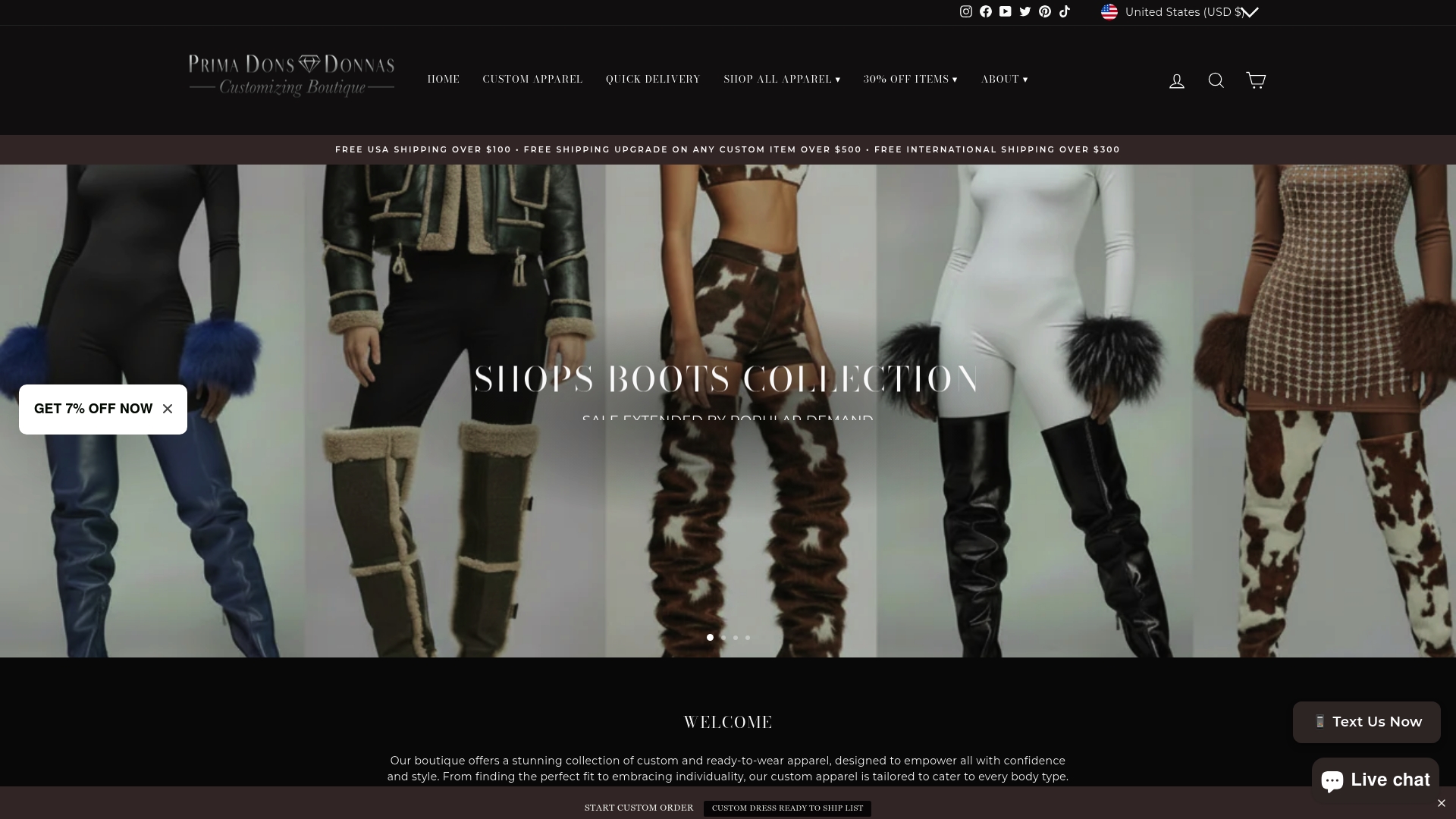
Our faux fur boots luxury winter set showcases sustainable luxury through high-quality faux fur offering warmth and elegance without animal products. Each pair receives custom sizing and color selection, ensuring perfect fit and personal satisfaction that extends product lifespan.
Custom crystal sneakers demonstrate how personalization elevates sustainable fashion. Hand-applied crystal embellishments transform classic silhouettes into statement pieces reflecting your unique style. Made-to-order production ensures each pair exists because you chose it, not as excess inventory awaiting disposal.
Explore our collections at Prima Dons & Donnas to discover how personalized luxury and sustainable practices create fashion empowering confidence, individuality, and responsibility. Every piece blends bold aesthetics with conscious choices, proving style and sustainability enhance each other.
Frequently asked questions
What makes fashion truly sustainable in 2026?
Sustainable fashion integrates eco-friendly materials, ethical labor practices, transparent supply chains, circular design principles, and product longevity. Certifications like GOTS and Fair Trade verify these commitments through third-party audits. True sustainability addresses environmental and social impacts throughout the entire product lifecycle, from fiber cultivation through end-of-life disposal or recycling.
Which materials offer the best sustainable luxury qualities?
Organic cotton, Tencel, hemp, and high-quality faux fur deliver luxury aesthetics while minimizing environmental harm. Organic cotton uses 91% less water than conventional, Tencel’s closed-loop production recycles 99% of solvents, and hemp regenerates quickly without pesticides. These materials provide superior softness, drape, and durability characteristic of luxury fashion. Recycled fibers also offer sustainability benefits while maintaining quality standards.
How can I verify sustainable fashion claims?
Check for specific certifications like GOTS or Fair Trade with verifiable license numbers and transaction certificates. Request detailed information about material sourcing, production facilities, and labor practices. Legitimate sustainable brands provide transparent answers with documentation rather than vague eco-friendly claims. Cross-reference certification numbers through official registry databases to confirm authenticity and avoid greenwashing.
Does sustainable fashion only come in neutral colors?
No, sustainable fashion encompasses vibrant colors, bold prints, and maximalist designs alongside minimalist aesthetics. Natural dyes create rich hues, digital printing reduces water waste, and personalization enables any color combination you envision. Luxury sustainable brands offer crystal embellishments, dramatic silhouettes, and statement pieces proving eco-consciousness and bold style coexist beautifully. Your personal aesthetic finds full expression within sustainable options.
Why does personalized fashion support sustainability?
Made-to-order production eliminates waste from unsold inventory and overproduction. Custom sizing ensures perfect fit, increasing garment lifespan as pieces remain wearable and flattering indefinitely. Personalization through color and design choices creates emotional connection, making you treasure and wear pieces longer. This approach transforms fashion from disposable commodity to curated collection, dramatically reducing environmental impact while elevating personal satisfaction.
Recommended
- Sustainable Options in Custom Clothing: What Matters – Prima Dons & Donnas
- Custom Clothing Guide for Unique, Sustainable Fashion – Prima Dons & Donnas
- Size Inclusive Fashion 2026: Empowering Bold Confidence – Prima Dons & Donnas
- Trends in Custom Fashion 2026: Bold Style and Personalization – Prima Dons & Donnas


Leave a comment