

What Is Intentional Fashion Design and Why It Matters
Choosing what you wear is more than picking colors or fabrics—it is a declaration of individuality and purpose. For women who want clothing and footwear that reflect personal values, intentional fashion design offers a bold alternative to mass production. By focusing on conscious design choices, this approach blends artistic vision with sustainability. Discover how intentional design helps you express confidence and style while supporting environmental and social responsibility.
Table of Contents
- Defining Intentional Fashion Design
- Core Principles And Mindful Design Choices
- How Intentional Design Differs From Fast Fashion
- Personal Empowerment Through Intentional Style
- Sustainability And Ethical Considerations
Key Takeaways
| Point | Details |
|---|---|
| Intentional Fashion Design | Focuses on sustainable materials, ethical practices, and individual expression, contrasting with fast fashion’s disposable model. |
| Mindful Design Choices | Emphasizes durability, waste reduction, and functionality, ensuring clothing has lasting value and meaningful appeal. |
| Personal Empowerment | Uses fashion as a tool for self-expression, allowing individuals to assert their identity and resist societal norms. |
| Ethical Considerations | Addresses labor rights, environmental responsibility, and transparency, advocating for holistic change in the fashion industry. |
Defining Intentional Fashion Design
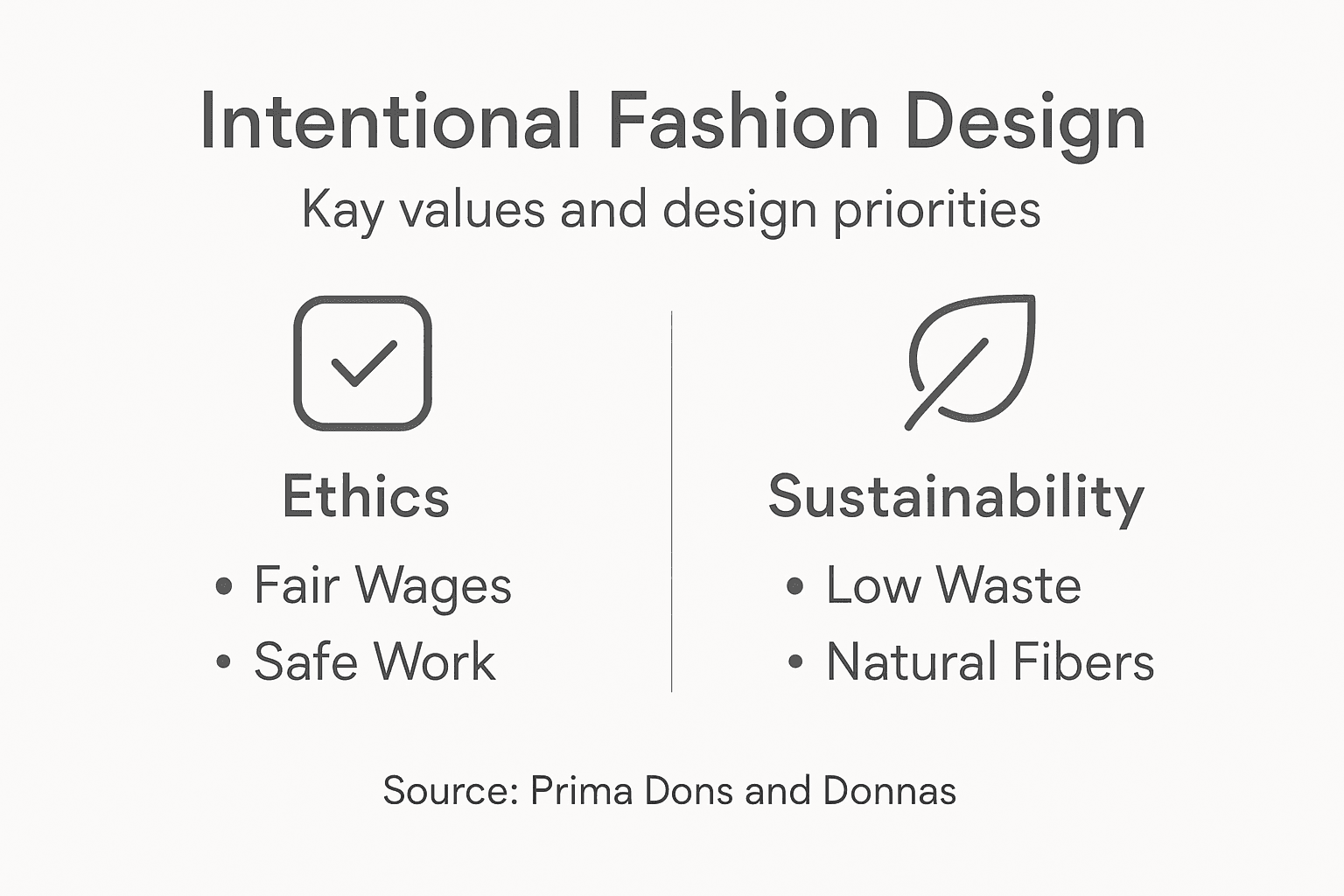
Intentional fashion design represents a transformative approach to clothing creation that goes far beyond traditional manufacturing processes. Unlike mass-produced garments, this methodology prioritizes conscious design choices that integrate artistic vision, sustainability principles, and individual expression.
At its core, intentional fashion design emerges from a desire to challenge conventional fashion production practices. This approach occupies a unique space between industrial fashion systems and fine art, creating alternative modes of clothing design that challenge mainstream production paradigms.
Key characteristics of intentional fashion design include:
- Prioritizing sustainable material selection
- Focusing on extended garment lifecycles
- Integrating circular economy principles
- Emphasizing individual artistic expression
- Minimizing environmental impact
The design philosophy centers on making deliberate, thoughtful choices throughout the creative process. Designers integrate circular economy knowledge into every decision, transforming clothing creation from a purely aesthetic endeavor into a holistic, responsible practice.
Pro tip: Start evaluating fashion pieces not just by their visual appeal, but by the intentionality behind their creation and potential environmental impact.
Core Principles and Mindful Design Choices
Intentional fashion design transcends aesthetic considerations, representing a holistic approach that integrates deep philosophical principles into every creative decision. Design principles emphasize purposeful creation that challenges traditional fashion production paradigms and promotes more meaningful clothing experiences.
The core philosophy centers on making deliberate, conscious choices throughout the design process. This approach prioritizes functionality, sustainability, and long-term value over temporary trends or disposable fashion consumption. Designers practicing intentional fashion consider multiple dimensions of impact, from environmental sustainability to social responsibility.
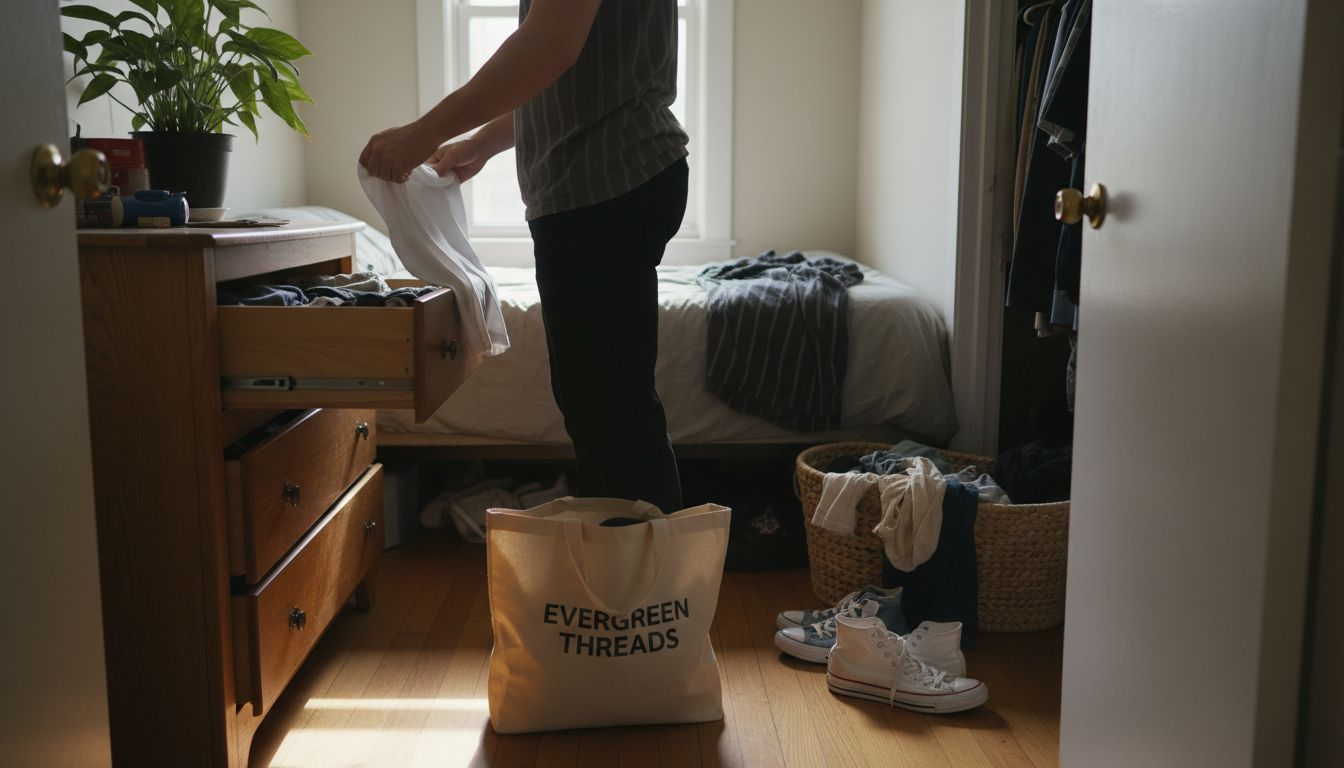
Key principles of mindful design include:
- Prioritizing material durability and recyclability
- Designing for timeless aesthetic appeal
- Minimizing waste in production processes
- Creating multifunctional garment designs
- Considering the entire lifecycle of clothing
Functional minimalism emerges as a critical strategy in intentional fashion design. Creators focus on necessity rather than excess, developing pieces that serve genuine user needs while maintaining aesthetic integrity. This approach transforms fashion from a consumptive practice to a thoughtful, purpose-driven creative expression.
Pro tip: Evaluate fashion pieces not just by their immediate visual appeal, but by their potential longevity, versatility, and overall environmental impact.
How Intentional Design Differs From Fast Fashion
The fundamental distinction between intentional design and fast fashion lies in their core philosophical approaches to clothing production. Intentional design rejects rapid production cycles that prioritize speed and disposability, instead focusing on creating garments with lasting value and minimal environmental impact.
While fast fashion operates on a model of constant turnover and trend-driven consumption, intentional design takes a radically different stance. The approach emphasizes quality, durability, and ethical considerations that extend far beyond the immediate aesthetic appeal of a garment. Sustainable fashion prioritizes ethical sourcing and considers the entire lifecycle of clothing.
Key differences between intentional design and fast fashion include:
- Production speed and volume
- Material quality and durability
- Environmental impact
- Labor practices and worker conditions
- Long-term value proposition
- Ethical manufacturing processes
Fast fashion fundamentally treats clothing as a disposable commodity, whereas intentional design views garments as meaningful, long-lasting investments. This approach transforms fashion from a cyclical consumption model to a more thoughtful, responsible form of personal expression. The goal shifts from creating cheap, trendy pieces to developing clothing that tells a story, respects resources, and celebrates individual style.
Here’s how intentional fashion design compares to fast fashion across key areas:
| Aspect | Intentional Design | Fast Fashion |
|---|---|---|
| Production Model | Careful, slow, thoughtful | Rapid, trend-driven cycles |
| Material Selection | Sustainable, durable, ethical | Low-cost, disposable fibers |
| Value Proposition | Longevity and meaning | Short-term wear |
| Social Impact | Fair labor, transparency | Often exploits workers |
| Environmental Impact | Minimizes waste and pollution | High resource consumption |
Pro tip: When shopping, ask yourself whether a piece will still be valuable and wearable in five years, not just five weeks.
Personal Empowerment Through Intentional Style
Intentional style transcends mere clothing selection, emerging as a powerful mechanism for personal self-expression and psychological empowerment. Personal empowerment through fashion involves deliberate identity articulation, where individuals strategically use clothing as a tool for communicating personal values and inner narratives.
At its core, intentional style represents a profound act of self-advocacy. Conscious clothing decisions support psychological autonomy by allowing individuals to curate external appearances that authentically reflect internal beliefs, experiences, and aspirations. This approach transforms fashion from a passive consumption activity into an active form of personal storytelling.
Key dimensions of personal empowerment through intentional style include:
- Asserting individual identity
- Challenging societal fashion norms
- Developing self-confidence
- Creating visual narratives of personal growth
- Expressing cultural and personal values
- Resisting mass-market fashion homogeneity
The transformative power of intentional style lies in its ability to merge personal aesthetics with deeper psychological mechanisms. By making deliberate, meaningful fashion choices, individuals reclaim agency over their self-presentation, turning clothing into a dynamic form of personal communication and self-discovery.
Pro tip: Choose clothing pieces that make you feel powerful, confident, and authentically yourself, rather than simply following trends.
Sustainability and Ethical Considerations
Intentional fashion design fundamentally reimagines the clothing production landscape through a comprehensive ethical framework. Ethical considerations encompass labor rights and environmental responsibility, transforming fashion from a purely commercial endeavor into a powerful vehicle for social and ecological change.
Beyond aesthetic choices, sustainable fashion practices demand rigorous commitment to transparency and accountability. Top multinational fashion strategies emphasize decarbonization and social equity, recognizing that true intentional design must address systemic challenges within the global fashion ecosystem. This holistic approach challenges traditional production models by prioritizing human and environmental welfare.
Key ethical dimensions of intentional fashion design include:
- Fair labor compensation
- Transparent supply chains
- Reduced carbon footprint
- Biodiversity conservation
- Circular material economies
- Waste minimization strategies
- Equitable community development
The transformative potential of sustainable fashion extends far beyond individual garment choices. By making intentional design decisions, consumers and creators alike become active participants in reimagining an industry that respects planetary boundaries and human dignity. Each thoughtful selection represents a vote for more responsible, compassionate production practices.
Pro tip: Research clothing brands’ sustainability certifications and look beyond marketing claims to understand their genuine commitment to ethical production.
For quick reference, here are common ethical certifications and what they indicate:
| Certification | Type | What It Represents |
|---|---|---|
| Fair Trade | Labor | Safe conditions, fair wages |
| GOTS | Textile Standard | Organic fiber, eco-friendly dyes |
| OEKO-TEX | Product Safety | Tested for harmful substances |
| B Corp | Corporate Ethics | Social, environmental accountability |
Elevate Your Wardrobe With Intentional Fashion Choices
The challenge of finding fashion that truly honors sustainability, individuality, and lasting value is real. This article highlights key pain points like overconsumption, the environmental impact of fast fashion, and the need for garments that express personal empowerment through deliberate design. If you are seeking to embrace intentional fashion design principles such as conscious material selection, ethical production, and timeless style that suits your unique personality, you deserve solutions crafted just for you.
Prima Dons and Donnas specializes in made-to-order clothing and footwear, ensuring each piece is a bold statement reflecting your authentic self while supporting sustainability through options like high-quality faux fur. Our custom approach empowers you to break free from disposable fashion and build a meaningful wardrobe designed to last.
Discover how intentional fashion transforms your style and supports a responsible lifestyle with our exclusive collection here.
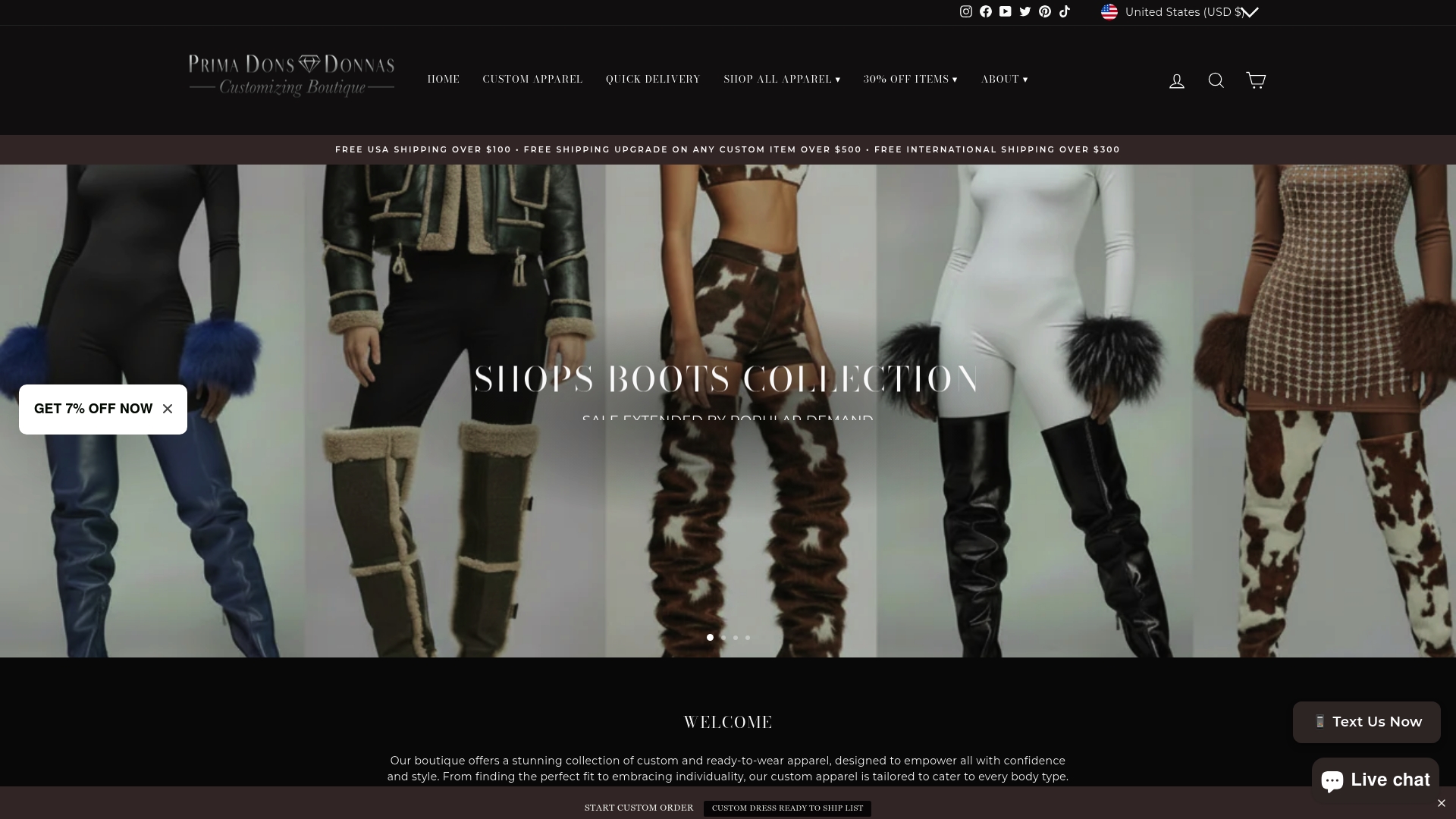
Ready to wear fashion that resonates with your values and stands out with confident luxury? Explore our tailored offerings and find clothing as unique and meaningful as your story. Visit Prima Dons and Donnas now and start your journey toward intentional, statement-making fashion today.
Frequently Asked Questions
What is intentional fashion design?
Intentional fashion design is a creative approach to clothing creation that prioritizes conscious design choices focusing on sustainability, artistic vision, and individual expression, as opposed to traditional mass production.
How does intentional fashion design differ from fast fashion?
Intentional fashion design emphasizes quality, durability, and ethical practices, while fast fashion focuses on rapid production and trends, often resulting in disposable, low-cost garments that contribute to environmental waste.
Why is sustainability important in intentional fashion design?
Sustainability is crucial in intentional fashion design as it minimizes environmental impact, promotes ethical labor practices, and encourages the use of materials that are durable and recyclable, fostering a more responsible clothing cycle.
How can intentional fashion choices enhance personal empowerment?
Intentional fashion choices empower individuals by allowing them to express their identity and values through clothing, transforming fashion into a personal storytelling medium that reflects individual growth and self-confidence.
Recommended
- 7 Types of Custom Clothing for Bold, Confident Women – Prima Dons & Donnas
- Top Custom Clothing Services – Expert Comparison 2026 – Prima Dons & Donnas
- 7 Types of Custom Fashion Every Stylish Woman Should Know – Prima Dons & Donnas
- Why Choose Made-to-Order Fashion: Style, Fit, and Impact – Prima Dons & Donnas


Leave a comment