

Why Choose Made-to-Order Fashion: Style, Fit, and Impact
Choosing clothes that truly express who you are gets harder when mass-market racks only offer cookie-cutter styles and generic sizing. For women seeking something unique yet conscious, made-to-order fashion changes the equation. Garments are produced only after you place an order, which helps reduce waste and gives you a say in the fit, design, and details. Discover how this thoughtful approach lets you enjoy personal style, real sustainability, and confidence in the clothes you wear every day.
Table of Contents
- Defining Made-to-Order Fashion Today
- Types of Custom Fashion and How They Differ
- Personalization: Elevating Individual Style and Fit
- Sustainability and Ethical Fashion Benefits
- Comparing Costs, Delivery, and Ready-to-Ship Options
Key Takeaways
| Point | Details |
|---|---|
| Made-to-Order Fashion | This model produces garments only after an order is placed, reducing overproduction and waste. |
| Customization Benefits | Customers receive tailored garments that fit their unique measurements and style preferences, enhancing personal expression. |
| Sustainability Advantages | Made-to-order production minimizes environmental impact by aligning manufacturing directly with consumer demand, leading to fewer resources used. |
| Cost and Delivery Considerations | Higher upfront costs and longer wait times are typical, but the investment in quality and fit often provides greater long-term value. |
Defining Made-to-Order Fashion Today
Made-to-order fashion operates on a fundamentally different principle than the mass production model you’re used to seeing in retail. Instead of brands manufacturing thousands of units and hoping they sell, garments are produced only after you place an order. This shift changes everything about how clothes are made, who makes them, and what ends up in your closet. The concept sounds simple, but it represents a major departure from how the fashion industry has functioned for decades.
At its core, made-to-order fashion reduces overproduction and the waste that comes with it. Traditional retail creates excess inventory because brands must predict demand months in advance. They guess wrong constantly. Stores end up discounting unsold items, which get donated, returned to warehouses, or end up in landfills. Made-to-order eliminates this guessing game entirely. Production happens only when customers commit to a purchase, which means zero deadstock and minimal waste. The on-demand business model aligns production with actual consumer demand, creating a leaner supply chain that respects both resources and the environment.
What makes this approach particularly powerful for you is the size and customization factor. You’re not choosing from a limited range of XS to XL sizes that may or may not fit your frame properly. Made-to-order means garments are tailored to your specific measurements and preferences. Whether you need adjustments for proportions, prefer particular colors, or want specific fabric choices, the piece is made for you. This personalization transforms clothing from a generic product into something that feels intentional and genuinely yours. When you wear something created specifically for your body and style preferences, the connection to that piece deepens. It becomes more than just an item in your wardrobe; it becomes an expression of your identity.
The trade-off is patience. Made-to-order pieces require longer lead times for delivery because they’re being created after you order them, not pulled from warehouse shelves. However, this wait becomes part of the value proposition. You receive a higher quality garment made thoughtfully for you, supporting sustainable production practices, rather than settling for a mass-produced alternative that almost fits. Many customers find that the anticipation of receiving a piece customized to their exact specifications makes the wait worthwhile.
Pro tip: When ordering made-to-order pieces, provide precise measurements and be specific about your style preferences and any fit concerns from previous garments; this ensures the final piece matches your expectations perfectly.
Types of Custom Fashion and How They Differ
Not all custom clothing is created equal. The custom fashion world includes several distinct approaches, each offering different levels of personalization, timelines, and price points. Understanding these differences helps you choose the right option for your needs and budget. The main categories are made-to-order, made-to-measure, and bespoke, and while these terms sometimes get used interchangeably, they represent fundamentally different processes.
Made-to-order is what most modern fashion brands use when they talk about customization. You place an order, and the brand manufactures your piece based on a standard design template with some room for adjustments. This might include choosing colors, fabrics, or basic sizing modifications, but the core design remains the same across orders. The brand produces your item after receiving your order, which eliminates waste and inventory buildup. It typically takes longer than buying off-the-shelf, but the timeline is more predictable than other custom options. Many brands offer made-to-order pieces at accessible price points because they’re working from existing patterns and design frameworks.
Made-to-measure goes further by adjusting standard patterns to fit your specific measurements. A tailor or pattern maker takes a base design and modifies it according to your body’s unique proportions. If you’re taller, shorter, have broader shoulders, or need different sleeve lengths, a made-to-measure approach captures those details. The design itself stays consistent, but the fit becomes personalized to you. This requires more involvement than made-to-order and typically costs more, but it delivers a significantly better fit than standard sizing. Custom tailoring approaches in this category focus on making existing designs work for your body rather than creating something entirely new.
Bespoke is the highest tier of customization. This means a designer or tailor creates a completely custom design from scratch, built specifically around your vision, measurements, and preferences. You’re not selecting from existing options or modifying a standard template. Instead, you’re collaborating on a one-of-a-kind creation that may involve multiple fittings, design consultations, and pattern making from the ground up. Custom fashion at the bespoke level demands significant time and investment, but the result is a truly unique garment that reflects your exact vision and fits your body perfectly. This approach is less common and comes with premium pricing because of the personalized labor involved.
Understanding where each option falls on the customization spectrum helps you match your expectations with your budget and timeline. Made-to-order suits busy women who want quality and some personalization without extensive lead times. Made-to-measure works well for those prioritizing fit above all else. Bespoke appeals to people seeking entirely unique pieces and willing to invest time and resources. Most modern custom brands, including those offering expert comparisons of custom clothing services, operate in the made-to-order or made-to-measure space, balancing personalization with practicality.
Here’s how the main types of custom fashion compare:
| Approach | Customization Level | Typical Price Range | Lead Time |
|---|---|---|---|
| Made-to-Order | Basic style & fit tweaks | $$ (mid-range) | 2-6 weeks |
| Made-to-Measure | Detailed fit adjustments | $$$ (higher) | 3-8 weeks |
| Bespoke | Fully original design | $$$$ (premium luxury) | 4-12+ weeks |
Pro tip: Clarify exactly what customization options each brand offers before ordering; a brand calling itself “made-to-order” might mean full design flexibility or simply color choices, so ask specifically about measurement adjustments and design modifications available to you.
Personalization: Elevating Individual Style and Fit
The difference between wearing something that fits and wearing something that actually feels made for you is profound. Personalization in made-to-order fashion goes beyond just picking a color from a dropdown menu. It means having genuine influence over the design, construction, and details of your garment so that every element aligns with how you want to present yourself to the world. This level of customization transforms clothing from a consumer product into something that genuinely reflects who you are.
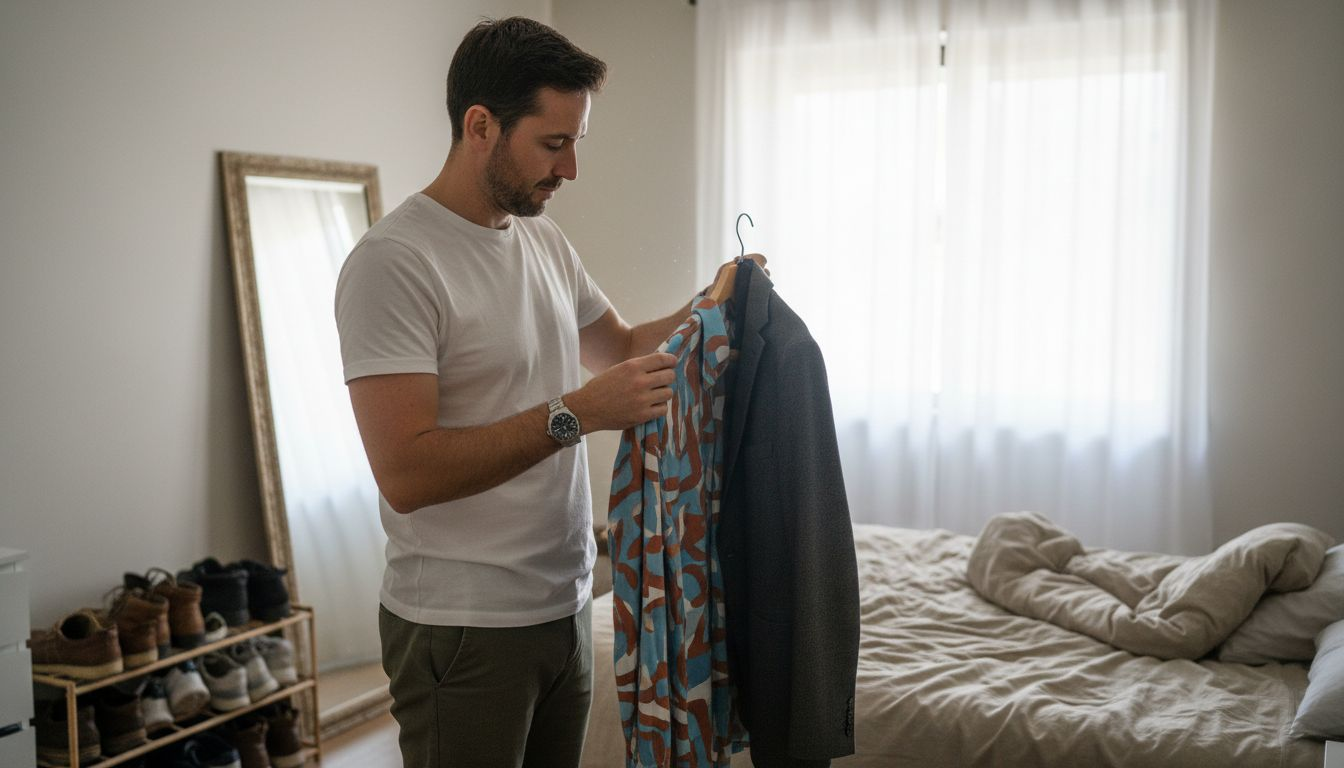
When you personalize a piece, you’re solving problems that standard sizing never could. Maybe your proportions don’t fit the typical mold. Perhaps you need a longer torso, shorter inseams, or different sleeve proportions than what exists in regular retail. Made-to-order fashion allows you to influence design and fit, meaning a tailor or brand can adjust construction lines, ease, and measurements to work with your specific body. This creates a superior fit compared to off-the-rack options where you’re constantly compromising. No more pulling at hems, adjusting bust darts, or settling for “close enough.” The garment works for your body instead of the other way around.
Beyond fit, personalization lets you express your unique style preferences in ways mass production simply cannot accommodate. You control fabric choices, color selections, neckline variations, sleeve lengths, and finishing details. If bold colors are your signature but you can only find them in limited styles, personalization opens access to those colors in silhouettes you actually love. If you prefer sustainable materials like high quality faux fur over conventional fabrics, personalization supports both individual style expression and sustainability goals by allowing conscious material choices. This customization also promotes inclusivity that standard mass production overlooks. Women with disabilities, non-standard sizing, or specific fit needs finally have options that work.
The emotional value attached to personalized pieces cannot be overstated. When you’ve been involved in creating something, when it’s designed specifically around your measurements and preferences, you develop a deeper connection to that garment. You’re not just buying clothing; you’re making a statement about your identity and values. This connection increases how often you wear it, how long you keep it, and how much joy you get from it. Fashion personalization empowers your unique style in a way generic retail never will. The piece becomes part of your story because you helped shape it from the beginning.
Pro tip: Document your measurements and fit preferences from well-fitting pieces you already own before placing a custom order, then share photos of those garments with the designer so they understand your fit aesthetic and can replicate what works for your body.
Sustainability and Ethical Fashion Benefits
Choosing made-to-order fashion isn’t just a personal style decision. It’s a statement about your values and your willingness to support a more responsible approach to how clothing gets made. The environmental impact of traditional fashion is staggering. Fast fashion brands churn out massive quantities of garments, most of which never sell and end up in landfills or incinerators. Made-to-order eliminates this cycle entirely by producing only what customers actually want. Nothing is wasted. Nothing sits in warehouses waiting for a discount. This shift toward demand-driven production represents one of the most practical ways to reduce fashion’s ecological footprint.
The numbers tell a compelling story. Traditional fashion manufacturing consumes enormous amounts of water, creates significant textile waste, and generates carbon emissions throughout complex supply chains. Made-to-order production minimizes overproduction and waste by aligning manufacturing directly with customer orders. When factories aren’t producing excess inventory, they use fewer resources overall. Less water goes into dyeing fabrics that no one will wear. Less energy is consumed shipping overstock to clearance centers. The environmental pollution associated with discarded garments simply doesn’t happen. Additionally, on-demand production supports resource optimization and encourages more ethical labor practices through smaller, controlled production runs rather than massive factory operations focused on volume over conditions.
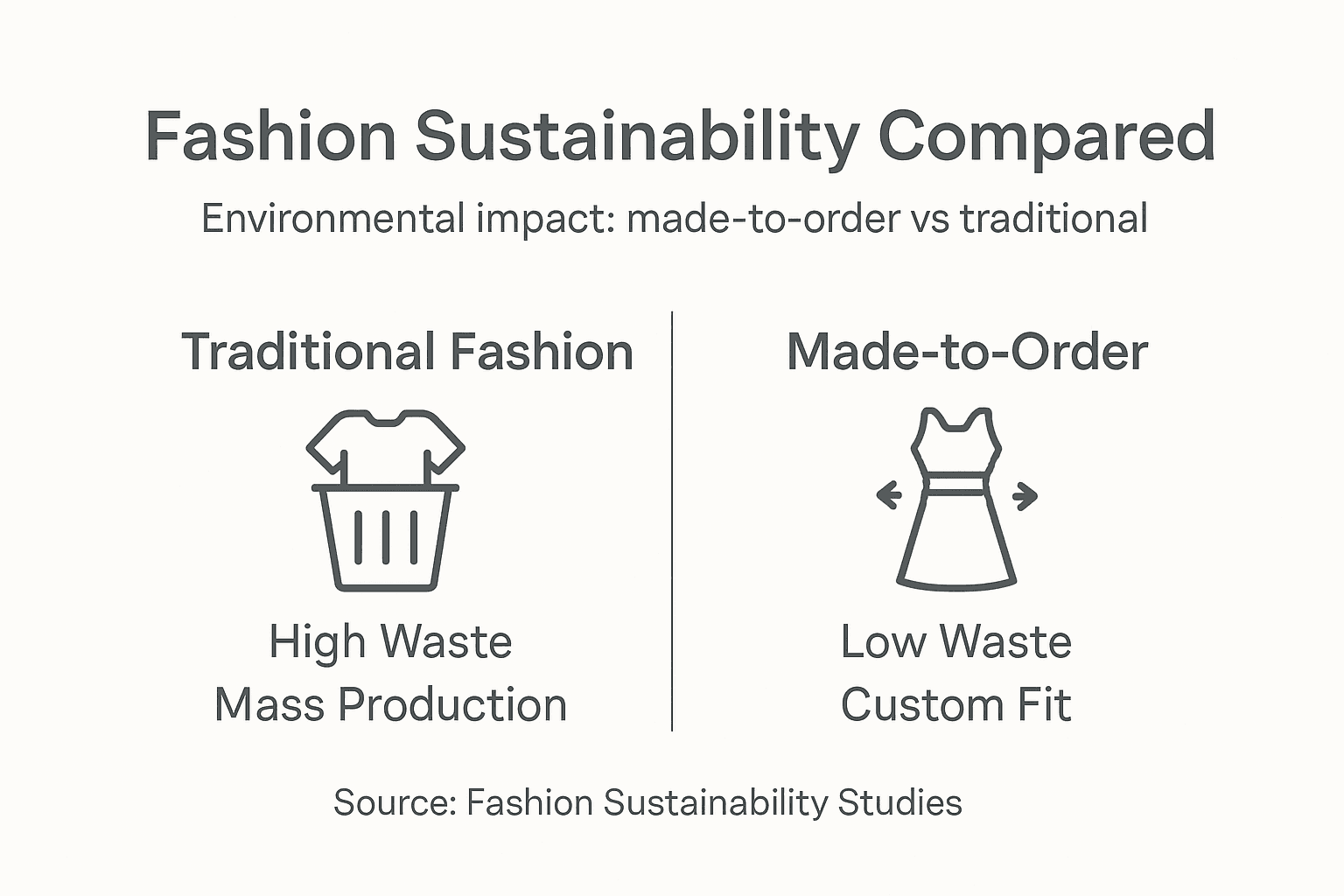
Beyond environmental benefits, made-to-order fashion addresses deep ethical concerns embedded in fast fashion. Sustainable fashion integrates environmental and social concerns through conscious consumerism, which made-to-order models actively promote. When you order a custom piece, you’re typically supporting smaller production operations that maintain better oversight of working conditions, fair wages, and worker treatment. You’re opting out of the race-to-the-bottom pricing that creates sweatshop conditions. You’re supporting brands that value quality over quantity. Many made-to-order companies also embrace circular economy strategies like reuse and upcycling, allowing customers to repair or reimagine existing pieces rather than discarding them. When you invest in a garment made specifically for you, you keep it longer, wear it more often, and eventually pass it on rather than tossing it after a season or two.
Choosing made-to-order means your money goes toward supporting responsible production. It means participating in a fashion model that respects both people and the planet. Sustainable options in custom clothing demonstrate that style and ethics don’t have to be separate concerns. You can look absolutely incredible while knowing your choices align with your values. This alignment creates a different kind of satisfaction than typical shopping ever could.
Here’s how made-to-order supports sustainability and ethics:
| Impact Area | Traditional Fashion | Made-to-Order Fashion |
|---|---|---|
| Overproduction | High surplus, much waste | Only produces to demand |
| Worker Welfare | Often poor oversight | Improved labor transparency |
| Environmental | High water and energy use | More resource efficient |
| Longevity | Short usage lifespan | Garments kept and worn longer |
Pro tip: Ask potential custom clothing brands about their sustainability practices, labor standards, and material sourcing before placing an order, then choose brands whose values genuinely align with your own commitment to ethical fashion.
Comparing Costs, Delivery, and Ready-to-Ship Options
Let’s be honest: made-to-order fashion costs more upfront and takes longer to arrive than grabbing something off a retail shelf. The price difference can be significant depending on customization complexity, and the wait typically ranges from four to twelve weeks rather than next-day delivery. But these numbers tell an incomplete story. When you factor in quality, longevity, fit, and what you actually wear, the financial picture shifts dramatically. A made-to-order piece that fits perfectly and aligns with your style becomes a wardrobe cornerstone you wear constantly. A cheaper ready-made item that doesn’t quite fit and doesn’t match your aesthetic often languishes in the back of your closet. Which is the real waste of money?
Made-to-order fashion involves higher costs and longer delivery times compared to ready-to-ship garments because production begins only after you place your order. This delayed start increases production costs per unit, especially for highly customized pieces. However, you’re not paying for excess inventory, overstock markdowns, or the corporate machinery required to manufacture thousands of garments hoping some will sell. You’re paying for precision. When you receive your piece, it’s made specifically for you, not manufactured in bulk and offered in limited sizes. The cost reflects that specificity. Additionally, made-to-order pieces typically last longer because they fit better and align with your personal style, meaning you amortize that higher initial cost across more wears. A $200 custom piece you wear 100 times costs $2 per wear. A $50 mass-produced piece worn five times costs $10 per wear.
For situations where you need something immediately, many made-to-order brands now offer ready-to-ship clothing options alongside their custom collections. These pre-made pieces deliver within days or weeks rather than months, giving you fast access to intentional, quality pieces without the full custom process. The trade-off is less customization, but these ready-to-ship options still typically involve more thoughtful design, better quality materials, and more limited production runs than conventional fast fashion. They represent a middle ground: faster than full custom orders but more sustainable and intentional than traditional retail.
The decision between made-to-order, ready-to-ship, and conventional retail depends on your specific circumstances. Need something for an event next month? Ready-to-ship or retail might be your answer. Building a cohesive wardrobe intentionally? Made-to-order excels. Want both options available? Many brands offer both. Production costs vary based on customization complexity and batch sizes, so asking brands upfront about pricing, timelines, and what factors influence costs helps you make informed decisions. The highest quality investment isn’t always the cheapest option. Consider what you actually need, how soon you need it, and what provides genuine value to your life and wardrobe.
Pro tip: If budget is your primary concern, start with ready-to-ship pieces to experience the brand’s quality and style, then invest in made-to-order for items that are foundational to your wardrobe once you know the brand delivers on fit and quality standards.
Experience True Personalization and Sustainability with Prima Dons and Donnas
The article highlights your challenge of finding fashion that truly fits and reflects your style while staying sustainable and ethically made. You want garments tailored to your unique measurements and preferences without overproduction waste or rushed fast fashion compromises. Prima Dons and Donnas understands this desire for made-to-order pieces crafted with bold confidence and personalized details designed just for you. We focus on luxury fashion that fits perfectly, blends comfort with style, and offers conscious material choices like high-quality faux fur.
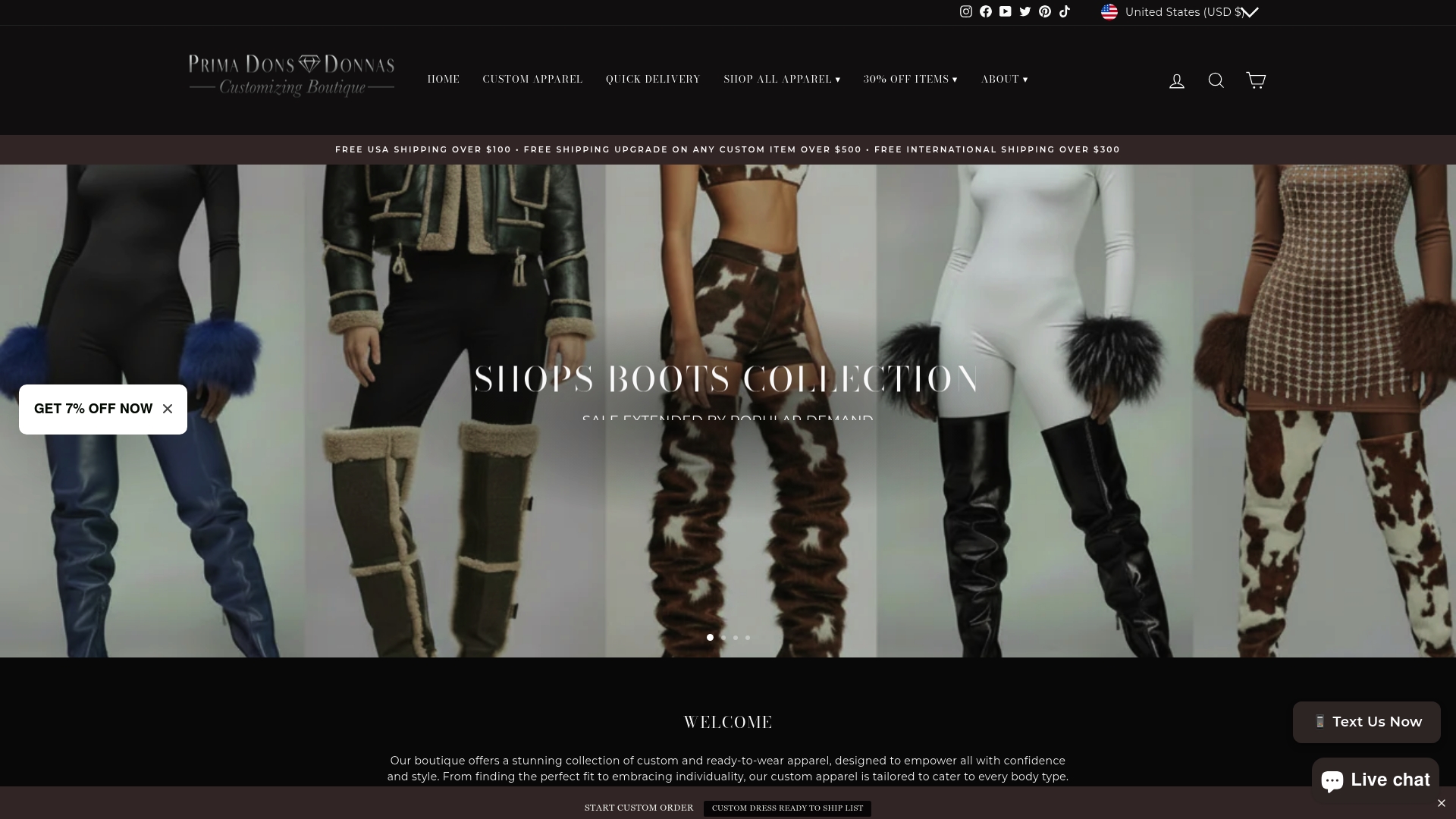
Discover how our made-to-order custom clothing and footwear empower your individuality and support ethical fashion practices. Whether you want fully personalized designs or faster access through our ready-to-ship options, now is the perfect time to invest in pieces that are uniquely yours and kind to the planet. Start your journey toward statement-making style and sustainable luxury today by visiting Prima Dons and Donnas.
Frequently Asked Questions
What is made-to-order fashion?
Made-to-order fashion is a production model where garments are created only after a customer places an order. This approach reduces overproduction and minimizes waste compared to traditional retail practices.
How does made-to-order fashion promote sustainability?
Made-to-order fashion promotes sustainability by eliminating excess inventory and the waste associated with unsold garments. Since clothes are made only when there is a confirmed demand, it lowers resource consumption and environmental impact.
What are the differences between made-to-order, made-to-measure, and bespoke clothing?
Made-to-order allows for basic adjustments on standard designs. Made-to-measure involves modifying existing patterns for a better fit based on specific measurements. Bespoke is a fully custom design process that creates a unique garment from scratch tailored to the client’s specifications.
Why does made-to-order fashion often take longer to deliver?
Made-to-order fashion typically requires longer delivery times because each piece is crafted after an order is placed. This can lead to waiting times ranging from two to twelve weeks, depending on the level of customization and production processes.
Recommended
- Why Choose Made-to-Order Clothing for Impactful Style – Prima Dons & Donnas
- Top Custom Clothing Services – Expert Comparison 2026 – Prima Dons & Donnas
- Custom Clothing for Women | Made-to-Order Fashion | Prima Dons – Prima Dons & Donnas
- Why Customized Occasion Wear Elevates Confidence and Style – Prima Dons & Donnas
- Used guitar or vintage guitar before a new instrument from a luthier


Leave a comment