

Individual Expression in Clothing: Empowering Identity
Choosing what to wear becomes a daily act of self-expression. For fashion-forward women who crave individuality, clothing is a creative canvas that communicates personality, values, and confidence before a word is spoken. Individual expression in clothing unlocks your ability to project identity authentically, reflecting who you are inside and shaping how the world perceives you. With custom and sustainable options, you can design a wardrobe that empowers bold statements and celebrates your unique sense of style.
Table of Contents
- Defining Individual Expression In Clothing
- Forms And Styles Of Personal Expression
- Cultural And Social Influences On Style
- Benefits And Impact On Self-Confidence
- Misconceptions And Common Pitfalls In Fashion
Key Takeaways
| Point | Details |
|---|---|
| Individual Expression in Clothing | Your clothing communicates your personality and values without words; choose pieces that resonate with your true self. |
| Intentional Choices Over Trends | Fashion is about authenticity; prioritize clothing that aligns with your values and lifestyle instead of chasing fleeting trends. |
| Cultural and Social Influences | Recognize that your style is shaped by cultural heritage and social norms while maintaining personal authenticity. |
| Impact on Confidence | Aligning your wardrobe with your identity boosts confidence, enhances mood, and improves social interactions. |
Defining Individual Expression in Clothing
Clothing is far more than fabric and thread. It’s how you communicate who you are without saying a word. Individual expression in clothing means using what you wear to showcase your personality, values, and identity to the world.
Your clothing choices reflect your inner self. When you select a bold color, a unique cut, or a statement piece, you’re making a decision about how you want to present yourself. This isn’t vanity—it’s authenticity. Fashion psychology reveals the deep connection between what you wear and how it shapes your emotions, confidence, and self-perception.
Individual expression goes beyond trends. It’s about intentional choices that align with your values and lifestyle. Whether you prefer sustainable materials, custom designs, or bold color statements, your wardrobe tells your story.
Consider what sets your style apart:
- Personal values: Does sustainability matter to you? Do you prefer quality over quantity?
- Confidence level: Do you gravitate toward bold statements or understated elegance?
- Identity facets: What aspects of yourself do you want to highlight through clothing?
- Lifestyle needs: Does your work, hobbies, or daily routine shape your priorities?
- Color and texture preferences: What makes you feel most like yourself?
Clothing serves as a vehicle for creating and maintaining the identity you want to project. How dress styles express identities shows us that your wardrobe actively shapes how others perceive you and how you perceive yourself.
The difference between wearing something and choosing something matters. Generic pieces from mass production don’t capture your individuality. Custom, made-to-order clothing designed specifically for your body, preferences, and values allows you to express yourself authentically.
Individual expression through clothing is the bridge between who you are inside and who you present to the world.
When you wear something that truly reflects your identity, you carry yourself differently. You stand taller. You feel more confident. That’s not coincidence—that’s the power of authentic self-expression.
Your style should empower you, not constrain you. Whether through ready-to-ship options or custom designs, the goal is finding pieces that genuinely represent you and make you feel unstoppable.
Pro tip: Start by identifying three core values that matter most to you (sustainability, comfort, boldness, minimalism, luxury), then evaluate whether your current wardrobe reflects those values.
Forms and Styles of Personal Expression
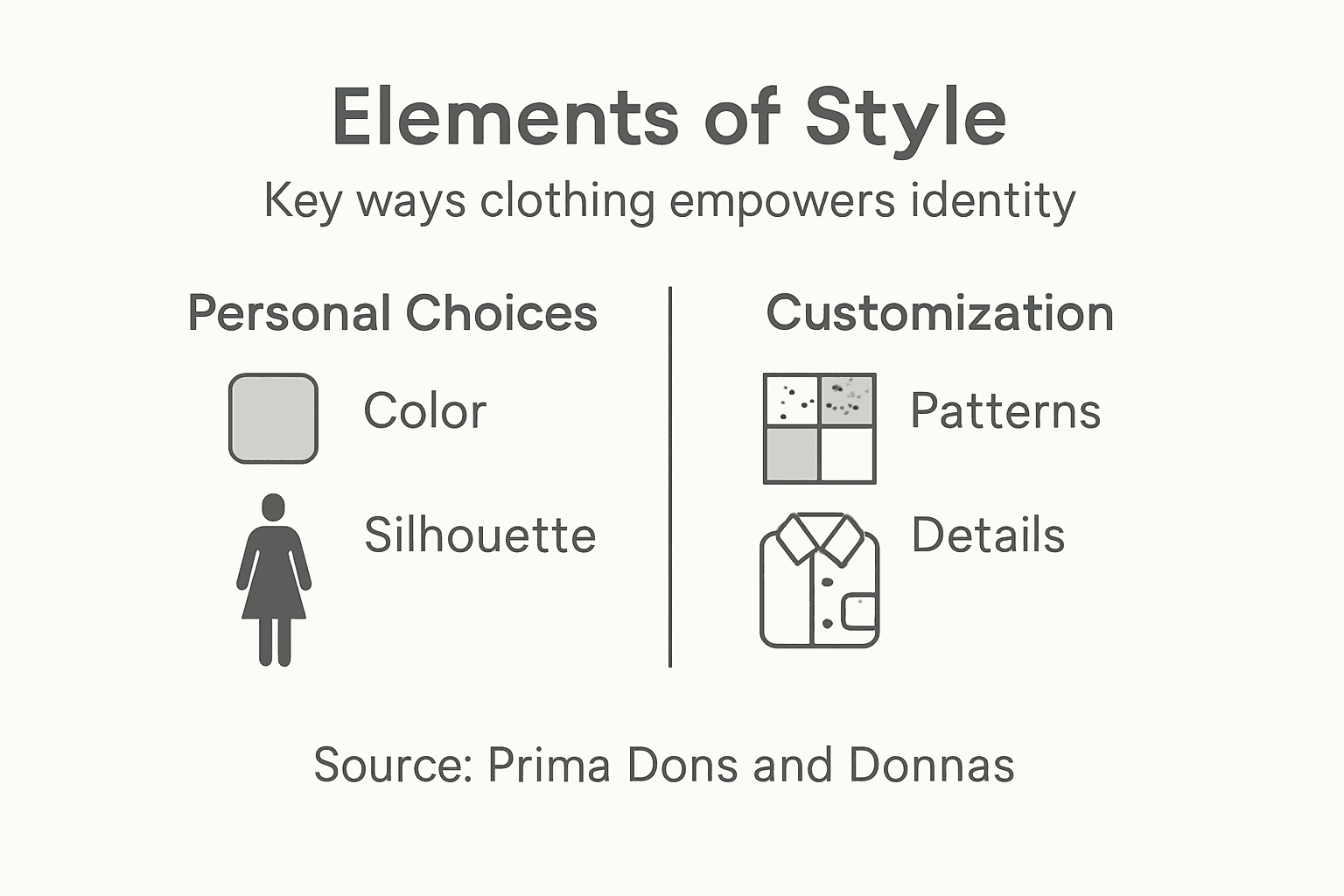
Your wardrobe speaks in many dialects. Color, texture, silhouette, and pattern each carry their own meaning. Understanding these stylistic elements helps you communicate exactly who you are.
Personal expression through fashion isn’t one-size-fits-all. What works for someone who loves minimalism differs completely from someone drawn to bold statements. How fashion styles express identities shows that your clothing choices actively shape confidence and self-identity development.
Think of your clothing as a visual language. Every choice you make contributes to the message you’re sending. The goal is intentionality—wearing pieces that genuinely reflect your values and personality, not trends that don’t serve you.
Here are the main tools you have for expressing yourself:
- Color choices: Bold jewel tones convey confidence; neutrals suggest calm sophistication; pastels express softness
- Pattern and texture: Prints showcase playfulness; solid textures signal elegance; mixed patterns reveal creative boldness
- Silhouette: Fitted pieces command attention; oversized styles offer comfort and casual confidence; structured cuts project authority
- Fabric quality: Premium materials communicate self-respect; sustainable choices reflect environmental values; luxe textures express indulgence
- Styling details: Accessories, layering, and finishing touches personalize any piece and amplify your message
Your personal fashion choices work together as a complete visual statement. A single bold necklace transforms a basic outfit. The right fabric elevates a simple design. Thoughtful combinations create impact.
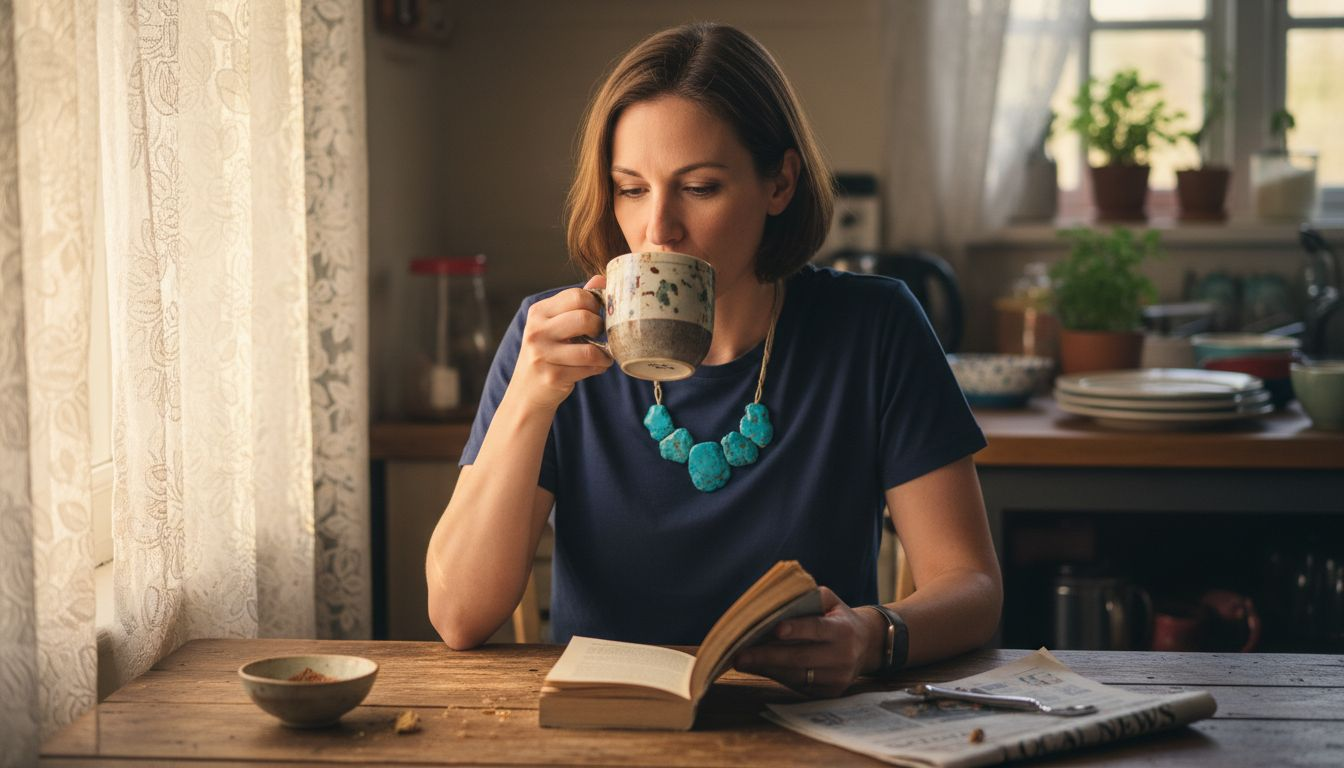
Slow fashion versus fast fashion affects how you express yourself. Fast fashion offers quick trends but often feels generic. Slow fashion—including custom, made-to-order pieces—allows deeper expression because the clothing is intentional and uniquely yours.
Here’s a comparison of how slow fashion and fast fashion impact personal expression:
| Factor | Slow Fashion | Fast Fashion |
|---|---|---|
| Individual Expression | Highly personalized | Often generic |
| Quality & Durability | Long-lasting materials | Lower durability |
| Sustainability | Eco-conscious methods | Mass production focus |
| Emotional Impact | Empowering, authentic | Trend-driven, fleeting |
Consider the emotional impact of what you choose. Colors evoke specific feelings. Textures create tactile comfort. Silhouettes affect how you move and carry yourself. When you align these elements with your inner self, authenticity radiates.
Personal expression through fashion is about layering your identity into visible form—color by color, texture by texture.
The most powerful statements don’t shout. They speak clearly. A woman wearing exactly what makes her feel confident will stand out far more than someone following every trend. That’s the difference between wearing fashion and owning it.
Custom designs amplify your expression because every detail is chosen deliberately. Whether through ready-to-ship options or bespoke creation, the goal remains the same: clothing that feels like an extension of yourself, not a disguise.
Pro tip: Start with one signature element (a color palette, preferred silhouette, or texture) that consistently appears in your wardrobe, then build your expression around that anchor point.
Cultural and Social Influences on Style
Your style doesn’t exist in a vacuum. Culture, community, and social context shape how you dress and what choices feel authentic to you. Understanding these influences helps you make intentional decisions about your personal expression.
Clothing bridges individual identity and collective cultural heritage. How clothing reflects cultural expression reveals that cultural norms and social values deeply influence your fashion choices and how others perceive you.
Where you grow up, your community, and the values around you all contribute to your style foundation. This isn’t limiting—it’s grounding. You inherit a starting point, then intentionally choose what to keep and what to transform.
Consider how different influences shape your wardrobe:
- Cultural heritage: Traditional elements, colors, and patterns that connect you to your roots
- Social circles: How your community dresses and what that communicates within your context
- Professional environment: Workplace norms that guide appropriate choices for your industry
- Geographic location: Climate, local fashion trends, and regional style preferences
- Family background: Values about quality, sustainability, modesty, or boldness passed down to you
- Generational influences: How your age group approaches fashion differently from others
Fashion serves as a powerful communication tool across cultures and social contexts. What reads as bold confidence in one setting might feel uncomfortable in another. The art is honoring your values while respecting the context you’re in.
You don’t have to reject your cultural background to express individuality. The most powerful style comes from blending heritage with personal preference. How fashion empowers women worldwide shows that global women are doing exactly this—creating styles that honor where they come from while declaring who they are.
Social media complicates this landscape. Trending aesthetics flood your feed, pressuring you toward generic choices. Custom, made-to-order clothing lets you step away from that noise and create something that’s genuinely yours, informed by your values rather than algorithm suggestions.
Your style authentically reflects you when it honors both your cultural roots and your individual identity—not one at the expense of the other.
Different social groups communicate different messages through fashion. A leather jacket means one thing in a creative community, something different in a corporate setting. Your job is understanding these contexts while staying true to yourself.
The goal isn’t conformity disguised as expression. It’s making conscious choices about which cultural and social influences align with your values, then building your style around that clarity. When you know why you’re wearing something, you wear it with confidence.
Pro tip: Identify one cultural or family value that matters to you (heritage, sustainability, quality, boldness), then deliberately incorporate that into your signature style.
Benefits and Impact on Self-Confidence
What you wear doesn’t just look good—it changes how you feel and behave. This isn’t superficial. Science backs it up. When your clothing aligns with who you are, your confidence shifts visibly.
Fashion acts as psychological armor by shaping mood, emotions, and how you relate to the world. Wearing clothes that make you feel empowered directly enhances your self-esteem and perception of yourself.
The concept of enclothed cognition explains this phenomenon. Your brain processes what you wear, and that processing affects your mood, creativity, and confidence. Put on a piece that makes you feel powerful, and your mindset shifts accordingly.
Here’s what happens when your clothing expresses authentic identity:
- Boosted confidence: Wearing pieces aligned with your values feels like armor rather than costume
- Enhanced mood: Colors and textures you love genuinely lift your emotional state
- Improved social interactions: Confidence radiates, making others respond differently to you
- Stronger self-esteem: Your appearance matching your internal identity reduces cognitive dissonance
- Greater creativity: Feeling comfortable in your skin opens mental space for innovation
- Authentic presence: You show up fully instead of managing how you’re perceived
How dress influences confidence connects directly to aligning external appearance with internal identity. When your wardrobe matches your values and personality, you experience less internal conflict.
Think about how you feel wearing something that doesn’t fit your body or style. You’re constantly adjusting, self-conscious, distracted. Now flip that: wearing something perfectly tailored and genuinely you. You forget about your appearance and simply move through the world.
That’s the power of authentic expression through fashion. Statement fashion builds genuine confidence because you’re not performing—you’re simply being yourself visibly.
When your clothing reflects who you truly are, your confidence becomes unshakeable because nothing feels like a compromise.
Custom and made-to-order pieces amplify this benefit. Instead of settling for generic options, you’re creating exactly what makes you feel like yourself. Every detail serves your confidence, not trends.
This confidence extends beyond appearance. Women who feel good in their clothes make bolder decisions, speak up more freely, and take up more space. Your wardrobe becomes a foundation for everything else you do.
The investment in authentic self-expression through clothing pays dividends across your entire life. Better mental health. Stronger presence. Greater authenticity. That’s the real benefit.
To further understand how style choices boost confidence, here’s a summary of psychological effects:
| Clothing Alignment | Effect on Confidence | Impact on Mood | Social Outcome |
|---|---|---|---|
| Authentic Expression | Strong self-esteem | Positive mindset | Improved interactions |
| Trend-Following Only | Lower self-assurance | Mood instability | Reduced authenticity |
| Custom Design Choices | Empowerment | Elevated emotional state | Greater presence |
Pro tip: Wear one piece this week that genuinely makes you feel confident, then notice how that confidence affects your mood, interactions, and decisions throughout the day.
Misconceptions and Common Pitfalls in Fashion
Too many women approach fashion as a performance rather than a practice. They believe expression through clothing means chasing trends, buying labels, or dressing for others. This fundamental misunderstanding derails authentic self-expression before it starts.
The biggest misconception is that individual expression equals trendy purchases. Trends are temporary. Authentic expression is permanent. Understanding the distinction between trends and authentic self-expression reveals that real style isn’t about following what’s popular right now—it’s about honoring who you actually are.
Another critical pitfall is dressing for social approval rather than personal alignment. You select pieces hoping to fit in, gain acceptance, or project a false identity. This creates disconnection between your appearance and your actual values, leaving you feeling inauthentic every time you get dressed.
Common fashion misconceptions include:
- Expensive equals better: High prices don’t guarantee pieces that suit you or your values
- More clothes equals better style: A curated wardrobe always outperforms a bloated closet
- Trends define you: Following every trend makes you blend in, not stand out
- Brand names create identity: Labels don’t define your worth or uniqueness
- Fashion is superficial: Clothing profoundly shapes confidence, mood, and how you move through the world
- There’s one right way to dress: Style rules exist to be adapted to your specific needs
Women often mistake brand loyalty for identity. Wearing designer labels doesn’t create authenticity—it creates debt and disconnection. Fashion personalization empowers genuine style because custom choices reflect your actual preferences, not marketing campaigns.
Another pitfall: ignoring practicality. You buy something stunning that doesn’t fit your lifestyle, body, or climate. It hangs unworn because it never served you in the first place. Authentic expression includes realistic assessment of what you actually need and wear.
People also confuse expression with extremity. You don’t need to dress wildly or provocatively to express yourself. Quiet confidence in a simple outfit speaks louder than noise without substance. Authenticity is the goal, not shock value.
True fashion expression isn’t about trends, labels, or others’ approval—it’s about clothing that makes you feel genuinely like yourself.
The biggest pitfall is comparison. You scroll through social media, see someone else’s style, and try to replicate it. This wastes money and energy while moving you further from your own voice. Your expression belongs only to you.
Avoid the trap of one-dimensional style too. You’re multifaceted. Your wardrobe should reflect that complexity—comfort clothes for home, powerful pieces for work, playful items for adventures. Constraint limits expression.
Pro tip: Before buying anything new, ask yourself: “Does this align with my actual values and lifestyle, or am I buying it for external approval?” If it’s the latter, skip it.
Empower Your Unique Style with Custom Fashion from Prima Dons and Donnas
Discover the freedom of clothing that truly reflects your identity and values. The article highlights the challenge many face in expressing individuality through mass-produced fashion that often feels generic and disconnected from personal authenticity. If you want to overcome common pitfalls like wearing trends for social approval or struggling to find pieces that align with your confidence and lifestyle, it is time to embrace intentional self-expression in your wardrobe.
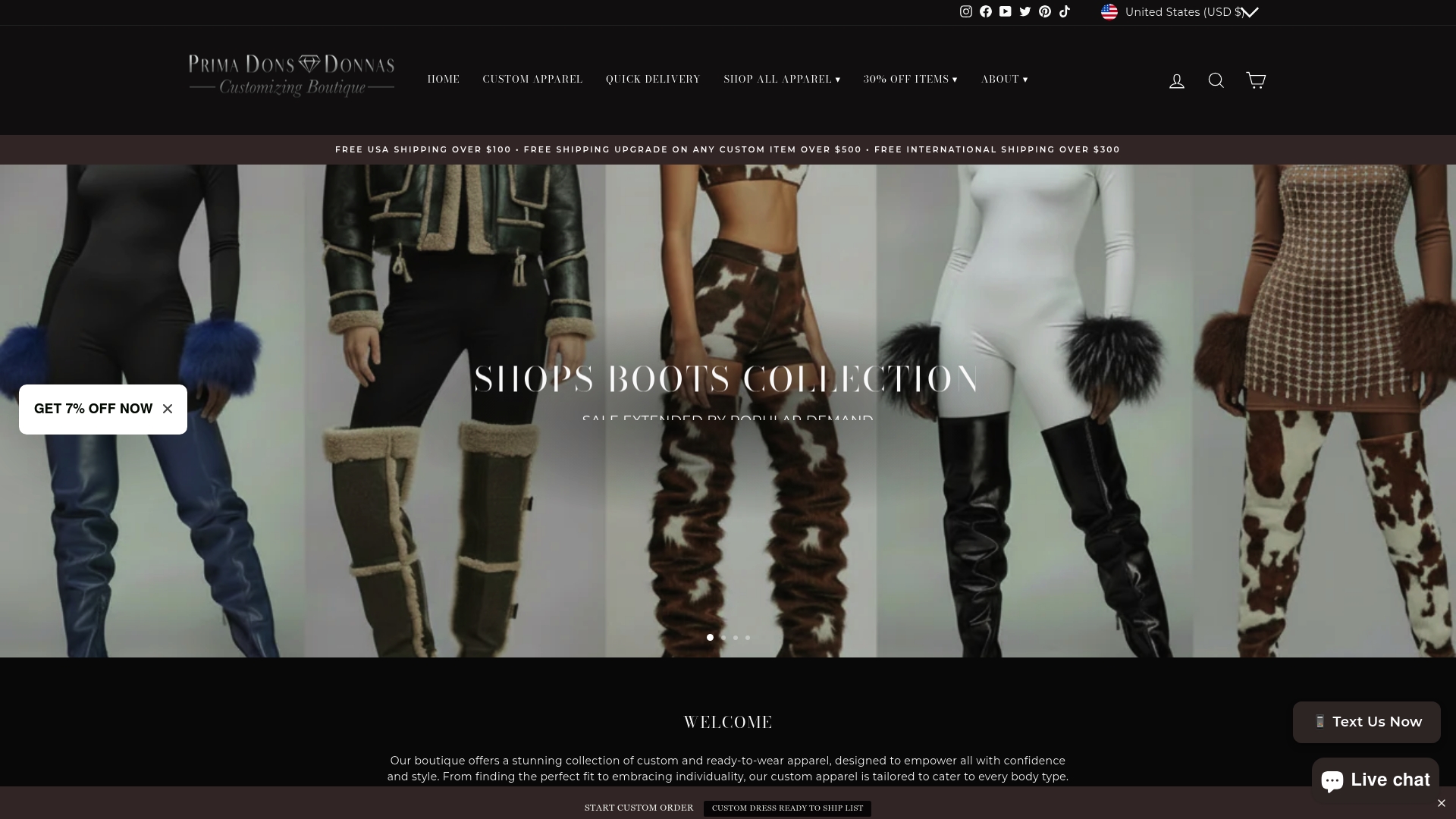
At Prima Dons and Donnas, we specialize in made-to-order clothing and footwear designed for bold, confident women who refuse to blend in. Our custom options allow you to choose every detail to match your personal style, values, and comfort needs while incorporating sustainable fabrics such as high-quality faux fur. Whether you want to start building your signature look or find statement pieces that empower you daily, our exclusive designs help you wear your authenticity proudly. Explore our ready-to-ship collections for quick, stylish solutions and join countless women who have transformed their self-confidence through fashion. Visit Prima Dons and Donnas and start expressing your true self today. See how intentional custom clothing creates an unshakeable presence that goes beyond trends and labels.
Frequently Asked Questions
What is individual expression in clothing?
Individual expression in clothing refers to using what you wear to showcase your personality, values, and identity, allowing you to communicate who you are without words.
How does clothing affect self-confidence?
Clothing can significantly impact self-confidence by aligning your external appearance with your inner identity. When you wear clothes that reflect your true self, you may feel more empowered, which enhances your self-esteem and social interactions.
What are the main elements of personal expression through fashion?
Key elements include color choices, patterns and textures, silhouette, fabric quality, and styling details. Each of these contributes to the message you send about your identity and values.
Why is slow fashion better for personal expression than fast fashion?
Slow fashion emphasizes highly personalized pieces made to reflect individual values and style, promoting authenticity. In contrast, fast fashion often results in generic clothing that can undermine true individual expression.
Recommended
- Why Choose Custom Clothing: Express Your Identity – Prima Dons & Donnas
- Why Fashion Reflects Individuality in Modern Style – Prima Dons & Donnas
- Fashion Individuality Explained: Making Style Personal – Prima Dons & Donnas
- Statement Fashion: Expressing Bold Individuality – Prima Dons & Donnas
- Music Branding Through Video: Amplifying Artist Identity | Music Video Marketplace Blog


Leave a comment