

Made-to-Order Footwear Benefits: 40% Less Foot Pain
Finding shoes that truly fit can feel impossible when mass-produced options dominate the market. Made-to-order footwear addresses this frustration by delivering superior personalized fit, reducing foot pain by up to 40% while offering sustainable production and limitless style customization. This guide reveals how to evaluate and choose custom footwear that transforms your comfort, wardrobe, and environmental impact.
Table of Contents
- How To Choose Made-To-Order Footwear: Key Selection Criteria
- Superior Fit And Comfort
- Sustainability And Ethical Production
- Customization And Style Expression
- Pricing, Accessibility, And Considerations
- Situational Recommendations: Choosing Made-To-Order Footwear That Matches Your Needs
- Summary Comparison: Made-To-Order Vs Mass-Produced Footwear
- Discover Your Perfect Made-To-Order Footwear Today
Key Takeaways
| Point | Details |
|---|---|
| Custom Fit Advantage | Personalized measurements reduce foot pain complaints by 30-40% compared to standard sizing. |
| Sustainability Impact | Made-to-order production cuts waste by up to 50% versus mass manufacturing methods. |
| Style Personalization | Buyers achieve 85% satisfaction with unique designs tailored to individual preferences. |
| Investment Pricing | Costs range from $300-$1000+ but deliver superior quality and longevity. |
| Planning Required | Lead times of 3-8 weeks demand advance ordering for special occasions. |
How to Choose Made-to-Order Footwear: Key Selection Criteria
Selecting the right custom footwear starts with understanding what separates exceptional brands from mediocre options. Evaluating these criteria ensures your investment delivers maximum comfort, style, and value.
Fit accuracy stands as the foundation of made-to-order fashion. Look for brands offering detailed measurement guides, multiple width options, and the ability to accommodate unique foot shapes. The best providers use precise sizing systems that capture arch height, instep measurements, and toe box preferences.
Sustainability credentials matter increasingly to conscious consumers. Prioritize brands using eco-friendly materials like high-quality faux leather, recycled components, or organic fabrics. Production methods that minimize waste through demand-based manufacturing align with sustainable options in custom clothing principles.
Price ranges vary widely based on materials, construction complexity, and brand positioning. Expect to invest $300-$600 for quality custom sneakers or casual shoes, while luxury boots or formal footwear may reach $800-$1200. Compare pricing against the value of perfect fit, durability, and exclusivity rather than mass-produced alternatives.
Lead times typically span 3-8 weeks from order to delivery. Verify production schedules before ordering for time-sensitive events. Some brands offer expedited options or ready-to-ship collections for urgent needs.
Customization depth determines how fully you can express personal style. Essential options include:
- Color selection across uppers, soles, and accent details
- Material choices from leather to vegan alternatives
- Embellishment options like crystals, embroidery, or hardware finishes
- Heel height and toe shape variations
- Personalized monograms or design elements
Superior Fit and Comfort
The most compelling advantage of made-to-order footwear lies in its ability to eliminate the chronic discomfort plaguing millions who struggle with standard sizing. Research confirms that custom fit reduces foot pain complaints by 30-40% compared to off-the-shelf shoes, directly addressing issues like blisters, bunions, and arch pain.
Mass production forces feet into predetermined molds that rarely match individual anatomy. Custom footwear reverses this approach by building shoes around your exact measurements. Women with narrow heels, wide forefeet, high arches, or between-size feet finally experience footwear that works with their bodies rather than against them.
The choice of made-to-order footwear for fit extends beyond basic length and width. Skilled makers account for volume distribution, pressure points, and gait patterns. This attention creates shoes that feel comfortable immediately without breaking-in periods that damage feet.
Craftsmanship quality significantly impacts long-term comfort and durability. Hand-lasted construction, premium cushioning materials, and reinforced stress points mean custom shoes often outlast mass-produced pairs by years. The initial investment pays dividends through extended wearability and sustained comfort.
Consumer satisfaction data reveals the tangible benefits. Surveys show 78% of custom footwear buyers report significantly improved comfort compared to previous purchases. Many describe the experience as transformative, finally understanding how shoes should feel.

Pro Tip: Take measurements at the end of the day when feet are slightly swollen for the most accurate sizing. Use the made-to-order sizing guide to capture all necessary dimensions, or visit a professional shoe fitter for precise data that ensures optimal results.
Key comfort advantages include:
- Elimination of pressure points causing calluses and corns
- Proper arch support customized to your foot structure
- Toe box dimensions that prevent crowding and nail damage
- Heel cups that prevent slipping and blistering
- Materials selected for breathability and flexibility
Sustainability and Ethical Production
Made-to-order footwear fundamentally transforms the environmental equation by producing only what customers actually purchase. This demand-driven model eliminates the massive waste inherent in mass manufacturing, where retailers routinely discard 20-30% of unsold inventory.
Traditional shoe production operates on forecasting and overproduction. Factories make thousands of pairs in anticipated popular sizes and styles, gambling on consumer preferences months in advance. When predictions miss, warehouses fill with shoes destined for landfills or incineration. Custom manufacturing solves this by creating each pair after purchase confirmation.
Eco-friendly material selection enhances sustainability further. Leading brands prioritize sustainable options in custom clothing and footwear through choices like high-quality faux leather that mimics luxury aesthetics without animal products, recycled rubber soles, organic cotton linings, and water-based adhesives.
The numbers tell a compelling story. Made-to-order production generates approximately 50% less waste compared to mass market manufacturing. Energy consumption drops similarly since brands produce in smaller batches using efficient processes rather than running massive factory lines continuously.
Consumer awareness drives market growth. The sustainable footwear sector expands at 8-10% annually as buyers increasingly align purchases with environmental values. Young consumers particularly prioritize brands demonstrating genuine commitment to reducing ecological footprints.
Ethical production standards accompany environmental benefits:
- Transparent supply chains showing material origins
- Fair labor practices in smaller workshops versus factory exploitation
- Local or regional production reducing transportation emissions
- Reduced chemical usage in tanning and finishing processes
- Biodegradable or recyclable packaging materials
Customization and Style Expression
The creative freedom offered by made-to-order footwear transforms shoes from mere functional items into personal style statements. Customization enables you to design footwear that perfectly complements your wardrobe, personality, and aesthetic vision in ways mass production never achieves.
Color selection alone opens extraordinary possibilities. Choose from dozens of hues for uppers, contrast stitching, laces, and soles. Create bold monochromatic statements, sophisticated tonal combinations, or eye-catching contrasts that reflect your unique style sensibility. Seasonal color trends become accessible without waiting for retailers to stock your preferences.
Material variety expands creative options exponentially. Select smooth leather for professional elegance, textured suede for casual sophistication, or embellished fabrics for statement pieces. Mix materials within a single design, combining patent leather accents with matte finishes or metallic details with classic neutrals.
Research shows 85% satisfaction rates for uniqueness and style fit among made-to-order footwear buyers. This exceptional approval stems from owning truly one-of-a-kind pieces that express individual identity rather than following mass trends.
The emotional connection formed with personalized items runs deeper than typical purchases. Participating in the design process creates investment in the outcome. You wear shoes that tell your story rather than generic products worn by thousands. This connection often translates to better care and longer product life.
Luxury market analysis reveals surging demand for customization. Premium brands report that personalization options increase purchase likelihood by 60% and justify higher price points. Consumers increasingly value exclusivity and self-expression over logo-driven status symbols.
Tailor-made footwear style advantages include:
- Design combinations impossible to find in stores
- Perfect coordination with specific outfits or occasions
- Embellishments like crystals, studs, or embroidery
- Hardware finishes matching your jewelry preferences
- Personalized details creating conversation pieces
The ability to realize your exact vision through custom fashion self-expression elevates confidence and wardrobe versatility simultaneously.
Pricing, Accessibility, and Considerations
Understanding the financial investment and practical limitations of made-to-order footwear helps set realistic expectations and guides smart purchasing decisions. While costs exceed mass-produced options, the value proposition justifies premiums for discerning buyers.
Typical pricing falls between $300-$1000+ depending on complexity, materials, and brand positioning. Entry-level custom sneakers start around $300-$400, mid-range boots and heels cost $500-$700, while luxury designs with premium leathers or extensive embellishments reach $800-$1200. Compare these figures against quality ready-made shoes priced at $150-$300 that rarely fit perfectly.
Lead times represent the primary practical trade-off. Production schedules generally require 3-8 weeks from order confirmation to delivery. Intricate designs, exotic materials, or high-demand periods may extend timelines further. This reality demands advance planning for events, seasons, or specific occasions.
Affordability factors include material selection, construction methods, and design complexity. Choosing standard leather over exotic skins, simpler embellishments over elaborate crystal work, and classic silhouettes over architectural designs significantly impacts final costs. Many brands offer tiered customization levels balancing personalization with budget constraints.
Urgent footwear needs may make ready-to-ship made-to-order clothing options or quality mass-produced alternatives more practical. Some custom brands maintain limited ready-to-wear inventory for immediate purchase, though sizing and style selections remain constrained.
Pro Tip: View custom footwear as a cost-per-wear investment rather than absolute price. Shoes worn regularly for 3-5 years cost less per use than cheaper pairs replaced annually due to poor fit or quality failures.
Budgeting considerations:
- Calculate cost-per-wear over expected lifespan
- Compare against premium ready-made shoes requiring fit compromises
- Factor reduced need for multiple pairs when custom fit ensures comfort
- Account for sustainability value and reduced environmental impact
- Consider emotional satisfaction and confidence boost from perfect shoes
Situational Recommendations: Choosing Made-to-Order Footwear That Matches Your Needs
Applying your knowledge requires matching made-to-order advantages with your specific priorities and circumstances. Different buyer profiles benefit from emphasizing particular customization aspects.
Perfect fit seekers with foot pain, unusual sizes, or failed mass-produced purchases should prioritize brands offering comprehensive measurement systems and accommodation for irregularities. Invest time in accurate sizing using tailor-made footwear recommendations and professional fitting services. This group gains maximum value from custom construction.
Sustainable fashion consumers focus on brands with transparent environmental credentials, eco-friendly materials, and ethical production practices. Verify certifications, material sourcing, and waste reduction commitments. The sustainability premium justifies higher costs when aligned with personal values.
Style expression enthusiasts should seek maximum customization depth across colors, materials, embellishments, and design elements. Brands offering collaborative design processes, visualization tools, and extensive option libraries best serve creative visions. This group values uniqueness over quick delivery.
Urgent needs situations require different strategies. Consider ready-to-ship custom collections, expedited production options with premium fees, or quality mass-produced alternatives when timelines cannot accommodate standard lead times. Some occasions simply demand immediate availability.
The following table matches priorities with optimal approaches:
| Priority | Best Approach | Typical Investment | Lead Time |
|---|---|---|---|
| Perfect Fit | Detailed measurements, wide width options, arch customization | $400-$700 | 4-6 weeks |
| Sustainability | Eco-materials, transparent sourcing, waste reduction focus | $350-$650 | 3-5 weeks |
| Style Expression | Maximum customization, embellishments, unique designs | $500-$1000+ | 5-8 weeks |
| Quick Delivery | Ready-to-ship custom, expedited production, quality mass-produced | $300-$600 | 1-3 weeks |
| Budget Conscious | Standard materials, simpler designs, fewer embellishments | $300-$500 | 3-5 weeks |
Most buyers combine multiple priorities. Identify your top two factors to guide decision-making when trade-offs arise between cost, timing, and customization depth.
Summary Comparison: Made-to-Order vs Mass-Produced Footwear
Consolidating the key differences between custom and conventional footwear clarifies why discerning buyers increasingly choose personalized options despite higher costs and longer wait times.
Fit quality represents the most dramatic difference. Made-to-order construction reduces foot pain by 30-40% through precise measurements and individualized lasts. Mass production forces compromise, leaving 60% of women reporting fit issues with standard shoes. The health implications extend beyond comfort to long-term foot structure and posture.
Sustainability metrics heavily favor custom manufacturing. Made-to-order production generates 50% less waste by eliminating unsold inventory and overproduction. Mass market operations produce 20-30% excess that becomes landfill burden. Environmental consciousness increasingly drives purchasing decisions.
Customization access differs fundamentally. Custom footwear offers near-unlimited combinations of colors, materials, embellishments, and design elements. Mass production provides limited SKUs with minimal personalization beyond basic color choices. This creative freedom enables authentic self-expression.
Pricing and availability present the primary trade-offs. Made-to-order shoes cost $300-$1000+ and require 3-8 week lead times. Mass-produced options range $50-$300 with immediate availability. The question becomes whether perfect fit, sustainability, and uniqueness justify premium investment.
| Factor | Made-to-Order | Mass-Produced |
|---|---|---|
| Fit Accuracy | Personalized measurements, 30-40% less pain | Standard sizes, 60% report fit issues |
| Sustainability | 50% less waste, eco-materials available | 20-30% excess inventory waste |
| Customization | Unlimited colors, materials, embellishments | Limited SKUs, minimal personalization |
| Price Range | $300-$1000+ | $50-$300 |
| Lead Time | 3-8 weeks | Immediate |
| Durability | 3-5+ years with proper care | 1-2 years typical lifespan |
| Exclusivity | Unique, one-of-a-kind designs | Mass market, widely available |
| Environmental Impact | Lower carbon footprint per pair | Higher aggregate environmental cost |
The data reveals that made-to-order footwear delivers superior outcomes across factors that matter most for long-term satisfaction, health, and environmental responsibility. The premium investment pays dividends through years of comfortable wear and reduced replacement frequency.
Discover Your Perfect Made-to-Order Footwear Today
Now that you understand the transformative advantages of custom footwear, explore how Prima Dons and Donnas brings these benefits to life through exclusive, personalized designs crafted specifically for you.
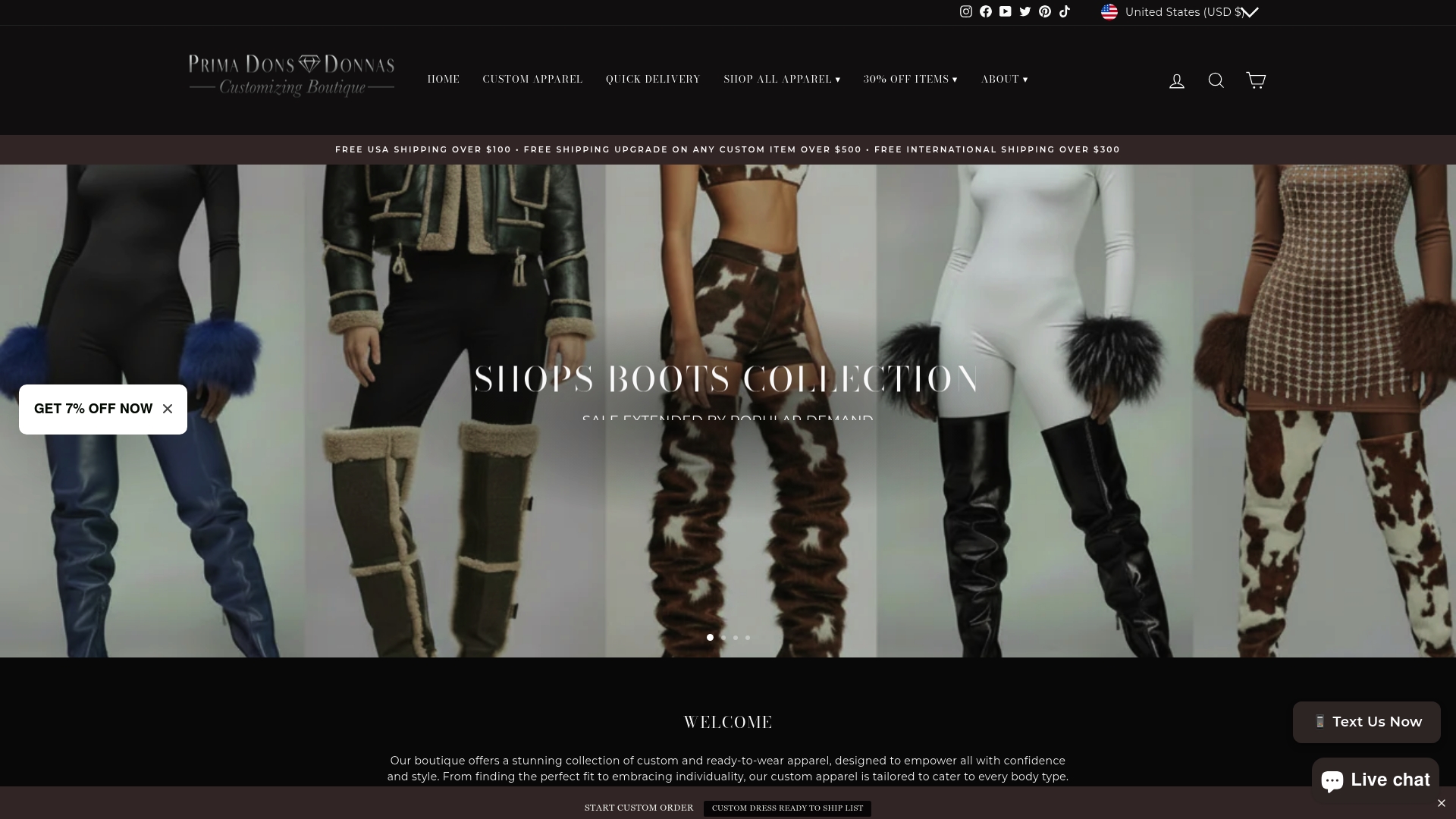
Our collection includes stunning custom crystal sneakers that blend athletic comfort with luxury embellishments, and elegant custom embellished shoes perfect for making bold style statements. Each piece combines meticulous craftsmanship, sustainable materials, and limitless customization options. Experience the confidence that comes from footwear designed around your unique measurements, style preferences, and values. Discover why tailor-made footwear transforms not just your wardrobe, but how you move through the world.
Frequently Asked Questions
Why choose made-to-order shoes over mass-produced?
Made-to-order shoes deliver personalized fit that reduces foot pain by up to 40%, offer sustainable production minimizing waste, and provide unlimited style customization impossible with mass-produced options. You receive shoes built specifically for your feet rather than compromising with generic sizing.
How long does it take to receive made-to-order footwear?
Typical lead times range from 3-8 weeks depending on design complexity and brand production schedules. This timeframe includes measurement verification, material sourcing, handcrafted construction, and quality inspection before shipping. Some brands offer expedited options for urgent needs.
Are made-to-order shoes more expensive and why?
Yes, custom footwear typically costs $300-$1000+ compared to $50-$300 for mass-produced shoes. Higher prices reflect personalized construction, premium materials, skilled craftsmanship, and small-batch production without economies of scale. The investment delivers superior fit, durability, and exclusivity.
Can made-to-order footwear accommodate wider or irregular feet?
Absolutely, custom construction specifically addresses non-standard foot shapes including wide widths, narrow heels, high arches, and asymmetric feet. Detailed measurements and personalized lasts ensure proper fit for any foot structure that struggles with conventional sizing.
Is made-to-order footwear truly more sustainable?
Yes, demand-driven production eliminates the 20-30% unsold inventory waste plaguing mass manufacturing. Custom brands also prioritize eco-friendly materials like quality faux leather, recycled components, and ethical production practices that reduce environmental impact by approximately 50% per pair.


Leave a comment