

Step by Step Custom Clothing Guide for Unique Looks
Standing in front of your overflowing closet, you realize nothing truly reflects who you are or celebrates those special moments that matter. Personal style is not just about clothing—it is about expressing identity, embracing sustainability, and feeling confident in every detail. Defining your custom style vision becomes the foundation for unique self-expression, guiding every choice from fabric selection to fit, and ensuring each piece is as meaningful and memorable as the occasion itself.
Table of Contents
- Step 1: Define Your Custom Style Vision
- Step 2: Select Fabrics and Sustainable Materials
- Step 3: Submit Measurements and Design Details
- Step 4: Review and Approve Your Garment Mockup
- Step 5: Verify Fit and Quality Upon Arrival
Quick Summary
| Key Point | Explanation |
|---|---|
| 1. Define Your Style Vision | Create a personalized roadmap to express your identity through fashion, guiding your clothing choices with intention. |
| 2. Choose Sustainable Fabrics | Opt for eco-friendly materials like Organic Cotton and Hemp to reduce your wardrobe’s environmental impact while maintaining quality. |
| 3. Submit Accurate Measurements | Provide precise body measurements and design specifications to ensure your custom clothing fits perfectly. |
| 4. Review the Garment Mockup | Meticulously inspect the mockup for color, fabric, and design accuracy to prevent production errors. |
| 5. Verify Fit and Quality on Arrival | Conduct a thorough inspection upon arrival to confirm that the garment matches your design vision and standards of quality. |
Step 1: Define Your Custom Style Vision
Defining your custom clothing style vision is about creating a personal roadmap that transforms fashion from mere fabric into a powerful form of self-expression. This step helps you articulate the unique aesthetic that will guide your wardrobe transformation and reflect your inner confidence.
Crafting a style vision requires deep introspection and strategic thinking. Start by reflecting on your personal identity, lifestyle needs, and aspirations. Articulating a focused style mission helps you make intentional decisions about clothing design, fabric selection, and overall aesthetic.
To develop a comprehensive style vision, consider these key elements:
- Your personal color palette
- Body type and silhouettes that flatter you
- Professional and social contexts where you’ll wear custom pieces
- Emotional impact you want your clothing to convey
- Sustainability and ethical fashion preferences
Visualization techniques can powerfully clarify your style goals. Try creating a mood board that captures your ideal aesthetic, incorporating:
- Color swatches that resonate with your personality
- Fashion icons or celebrities whose style inspires you
- Lifestyle images representing your desired image
- Specific clothing pieces that embody your vision
A clear style vision transforms clothing from a basic necessity into a strategic personal branding tool.
Pro tip: Revisit and refine your style vision every six months to ensure it continues to authentically represent your evolving personal identity and fashion goals.
Step 2: Select Fabrics and Sustainable Materials
Selecting the right fabrics is crucial in creating custom clothing that reflects both your personal style and commitment to environmental responsibility. This step will guide you through choosing materials that not only look and feel amazing but also support sustainable fashion practices.
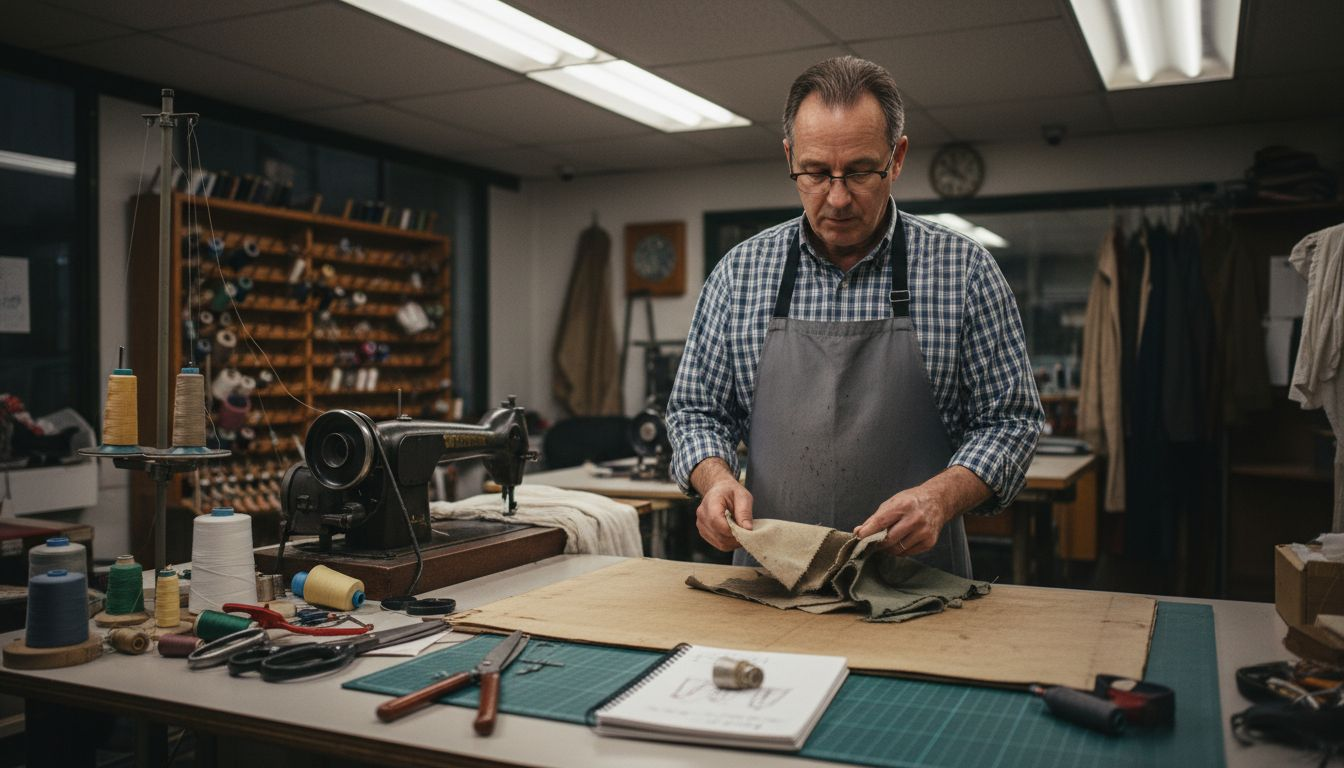
When exploring fabric options, focus on sustainable textile choices that support circular economy models. Your selections can dramatically reduce environmental impact while ensuring high-quality, durable garments.
Consider these sustainable fabric options:
- Organic Cotton: Grown without harmful pesticides
- Hemp: Requires minimal water and no pesticides
- TENCEL™: Made from renewable wood sources
- Recycled Polyester: Reduces plastic waste
- Linen: Biodegradable and incredibly durable
Key factors to evaluate when selecting sustainable materials include:
Here’s how different sustainable fabrics compare on key criteria:
| Fabric Type | Environmental Benefit | Durability | Typical Use Cases |
|---|---|---|---|
| Organic Cotton | Low pesticide use | Moderate | Everyday shirts, dresses |
| Hemp | Minimal water and pesticides | Very high | Jackets, pants, accessories |
| TENCEL™ | Renewable wood sources | High | Soft tees, activewear |
| Recycled Polyester | Reduces plastic waste | High | Sportswear, outerwear |
| Linen | Biodegradable, durable | Very high | Summer outfits, suiting |
- Environmental production methods
- Water consumption during manufacturing
- Chemical treatments used
- Potential for recycling or biodegradation
- Overall carbon footprint
Choosing sustainable fabrics transforms your wardrobe from a personal statement into an environmental commitment.
Pro tip: Always request fabric swatches before final selection to assess texture, color, and actual sustainability credentials firsthand.
Step 3: Submit Measurements and Design Details
Submitting precise measurements and design details is the critical bridge between your creative vision and the final custom garment. This step transforms your unique style concept into a tangible blueprint that manufacturers will use to craft your perfect piece.
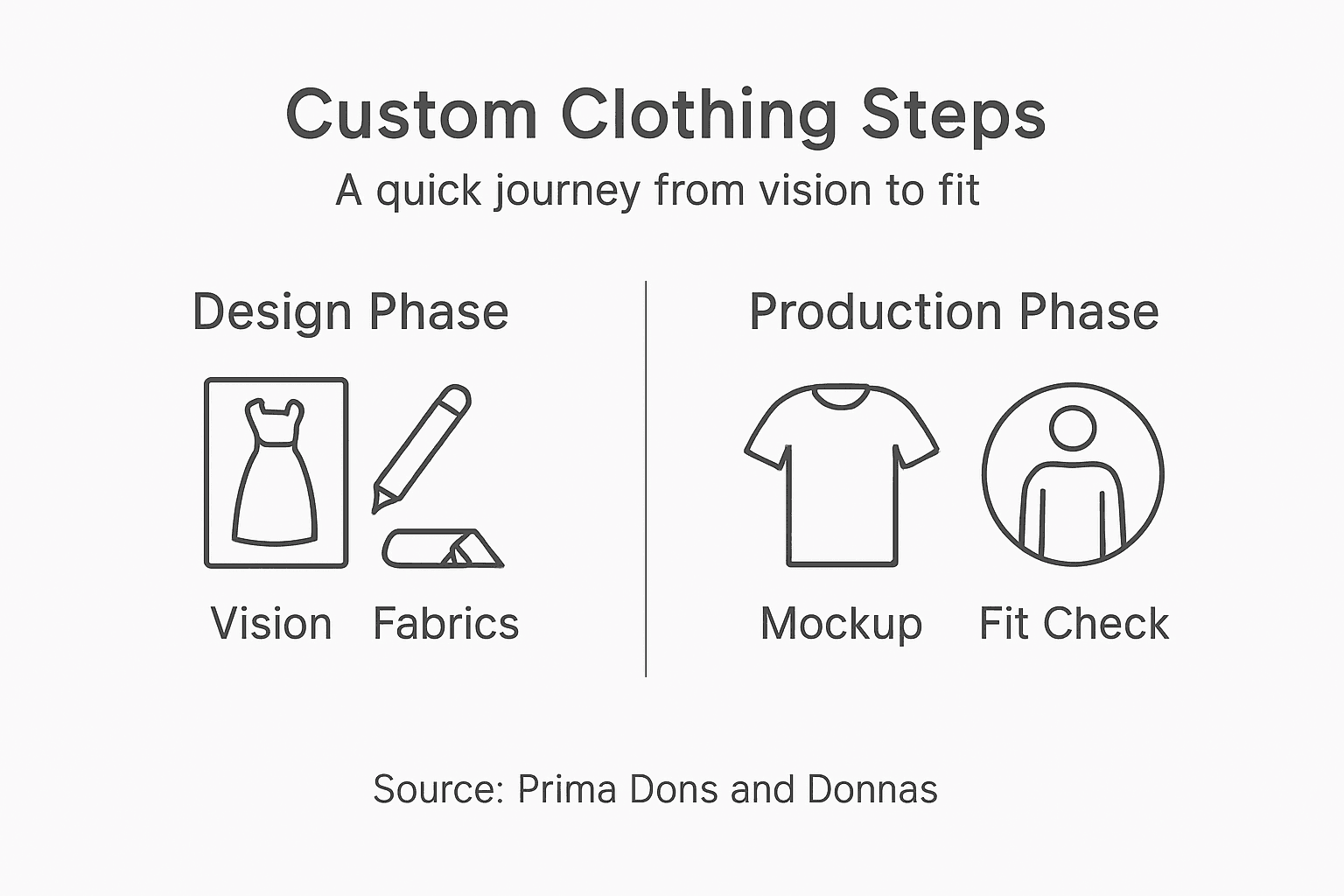
To ensure accuracy, create a comprehensive tech pack with detailed design specifications. Your tech pack is essentially a complete instruction manual for bringing your custom clothing design to life.
Key components of a professional measurement and design submission include:
- Body Measurements: Precise chest, waist, hip, inseam, and sleeve lengths
- Design Sketches: Detailed front, back, and side illustrations
- Fabric Specifications: Material type, color, and texture details
- Construction Notes: Specific stitching, seam, and finishing requirements
- Size Grading Information: How measurements scale across different sizes
Step-by-step measurement submission process:
- Use a flexible measuring tape for accuracy
- Wear form-fitting clothing during measurements
- Have someone assist you for precise readings
- Measure multiple times to confirm consistency
- Document measurements in both inches and centimeters
Precision in your design details directly translates to the quality of your final garment.
Pro tip: Invest in a professional measuring session or use multiple measurement methods to ensure the most accurate representation of your unique body shape.
Step 4: Review and Approve Your Garment Mockup
The garment mockup review is your final checkpoint before production, ensuring every detail of your custom design meets your exact expectations. This critical stage transforms your initial concept into a tangible representation of your unique style vision.
Verifying design accuracy requires systematic review techniques that go beyond surface-level examination. Your careful attention at this stage prevents potential production errors and guarantees a final product that perfectly reflects your personal aesthetic.
Key elements to meticulously inspect during mockup review:
- Color Precision: Match against your original color selections
- Fabric Drape and Texture: Confirm material behaves as expected
- Measurement Accuracy: Check against original body measurements
- Design Placement: Verify logos, patterns, and details align perfectly
- Stitching and Construction: Examine quality of seams and finishing
Step-by-step mockup review process:
- Request high-resolution digital mockup first
- Compare mockup against original design brief
- Check measurements in multiple positions
- Evaluate fabric quality and color
- Request minor adjustments if needed
Your mockup is the final opportunity to perfect your custom clothing vision before production begins.
Pro tip: Use natural lighting and take detailed photos of the mockup to identify even the smallest discrepancies that might not be visible in standard indoor lighting.
Step 5: Verify Fit and Quality Upon Arrival
The moment your custom garment arrives is the ultimate test of your design journey. This final inspection confirms that every detail matches your original vision and meets the highest standards of craftsmanship you expect from a personalized piece.
Implementing systematic quality inspection methods ensures you catch any potential issues immediately and protect your investment in custom fashion. Your careful review transforms quality control from a routine check into a strategic assessment of the garment’s excellence.
Critical areas to examine during your initial garment inspection:
- Fabric Integrity: Check for any weaving imperfections or unexpected texture
- Measurement Accuracy: Confirm precise alignment with original specifications
- Stitching Quality: Inspect seams, hems, and construction details
- Color Consistency: Verify exact match to original design
- Overall Finish: Evaluate the garment’s professional presentation
Detailed fit verification process:
- Try on the garment in good lighting
- Move around to test comfort and range of motion
- Check length, width, and drape from multiple angles
- Assess how fabric moves with your body
- Compare against original mockup measurements
Your thorough inspection is the final quality assurance step in creating your perfect custom piece.
Pro tip: Keep the original mockup and measurement documents nearby during inspection to enable side-by-side comparison and document any discrepancies immediately.
The custom clothing process benefits you at every stage—here’s a summary:
| Step | Main Benefit | Key Focus Point |
|---|---|---|
| Define Style Vision | Personal branding boost | Align with identity |
| Select Sustainable Materials | Eco-friendly wardrobe | Reduce environmental impact |
| Submit Measurements/Design | Perfect fit | Detailed tech specs |
| Review Garment Mockup | Design accuracy | Error elimination |
| Verify Fit and Quality | Confidence in final product | Quality assurance |
Elevate Your Style Journey with Prima Dons and Donnas
The article highlights the challenge of transforming your unique style vision into flawlessly crafted custom clothing that fits perfectly and reflects your personality. Key goals include selecting sustainable fabrics, submitting precise measurements, and approving detailed garment mockups to prevent errors. If you desire bold, confident fashion that empowers your individuality while honoring sustainability, Prima Dons and Donnas offers tailored solutions. We specialize in made-to-order clothing and footwear that embrace exclusivity and comfort, including sustainable options like high-quality faux fur.
Experience the full custom clothing journey with expert support from fabric selection to final quality checks. Bridging your style vision to reality is effortless when you partner with a brand dedicated to your personal expression and environmental values.
Explore our custom collections and discover how Prima Dons and Donnas turns your fashion goals into statement-making pieces you will cherish.
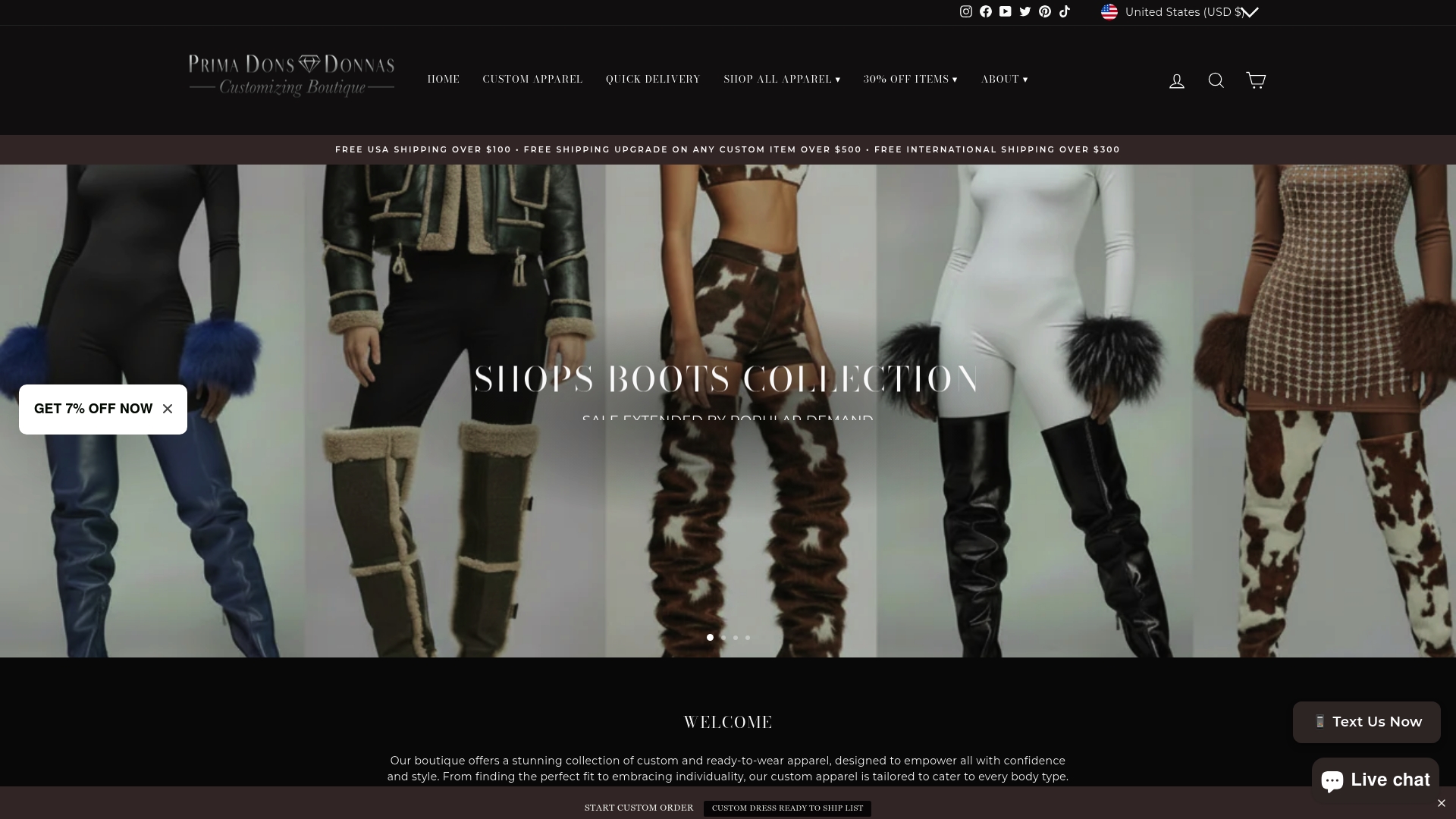
Start creating your perfect custom wardrobe today by visiting Prima Dons and Donnas. Take the confident step to stand out in style and comfort with fashion designed exclusively for you.
Frequently Asked Questions
How do I define my custom clothing style vision?
To define your custom clothing style vision, reflect on your personal identity, lifestyle needs, and aspirations. Create a mood board that captures your ideal aesthetic, including color swatches, fashion icons, and clothing pieces that inspire you.
What sustainable materials should I consider for my custom clothing?
Consider fabrics such as Organic Cotton, Hemp, TENCEL™, Recycled Polyester, and Linen for your custom clothing. These materials are not only stylish but also environmentally friendly, helping to reduce your wardrobe’s impact on the planet.
What measurements do I need to submit for a custom garment?
You need precise body measurements, including chest, waist, hip, inseam, and sleeve lengths. Make sure to document these measurements in both inches and centimeters for accuracy when submitting your design details.
How do I review and approve my garment mockup?
Review your garment mockup by comparing it to your original design brief and checking color precision, fabric drape, and measurement accuracy. Request adjustments if you find any discrepancies to ensure the final product meets your expectations.
What should I inspect when my custom garment arrives?
Inspect the fabric integrity, stitching quality, measurement accuracy, and color consistency when your custom garment arrives. Ensure everything aligns with your original specifications to confirm the quality and fit of the final piece.
Recommended
- Custom Clothing Order Workflow for Unique Fashion Success – Prima Dons & Donnas
- Top Custom Clothing Services – Expert Comparison 2026 – Prima Dons & Donnas
- 7 Types of Custom Fashion Every Stylish Woman Should Know – Prima Dons & Donnas
- Complete Workflow for Made-to-Order Fashion Success – Prima Dons & Donnas


Leave a comment