

What Is Conscious Fashion and Why It Matters
Finding clothes that truly reflect your personality and values can feel overwhelming, especially when so many brands blur the lines between marketing and meaningful change. For women who want to make a bold entrance—without leaving ethics or inclusivity behind—understanding conscious fashion principles is more than just a trend. This guide clarifies the real meaning behind terms like sustainable, ethical, and slow fashion so you can choose custom pieces made for your body, your values, and your standout celebrations.
Table of Contents
- Defining Conscious Fashion Principles And Myths
- Key Variations: Sustainable, Ethical, And Slow
- How Conscious Fashion Impacts Design Choices
- Materials, Labor, And Transparency Standards
- Choosing Conscious Fashion For Bold Individuality
Key Takeaways
| Point | Details |
|---|---|
| Conscious Fashion Principles | Focus on environmental responsibility, ethical labor practices, and transparency in production. |
| Myth Busting | Understand that terms like ‘eco-friendly’ can be misleading; true conscious fashion requires systemic change. |
| Design for Longevity | Invest in high-quality garments designed to last, moving away from fast fashion’s disposable mentality. |
| Consumer Power | Your purchasing choices impact industry standards; demand transparency and ethical practices from brands. |
Defining Conscious Fashion Principles and Myths
Conscious fashion isn’t a trend—it’s a response to real environmental and social problems in how clothes are made. But the term gets misused constantly, so let’s separate fact from fiction.
What Conscious Fashion Actually Means
Conscious fashion centers on three core principles:
- Environmental responsibility: Reducing the carbon footprint, water consumption, and waste created during production
- Ethical labor practices: Ensuring workers earn fair wages, work safe hours, and have basic human dignity
- Transparency: Knowing who makes your clothes, where they’re made, and what materials are used
These principles work together. You can’t call something conscious if workers are exploited, even if the fabric is recyclable. Similarly, sustainable materials mean nothing if produced under unethical conditions.
Conscious fashion challenges the assumption that clothing should be disposable and cheap—instead, it values longevity, quality, and the people behind each piece.
The Myths That Mislead
Fast fashion companies have weaponized the term “conscious” to confuse shoppers. Here’s what’s actually going on:
Myth 1: One “eco-friendly” collection equals conscious fashion Brand launches a single sustainable line while producing thousands of new styles each season. That’s not conscious; that’s marketing. Genuine ethical fashion principles require systemic change across production.
Myth 2: Higher price always means ethical production Expensive doesn’t equal ethical. A luxury brand can still exploit workers and use harmful dyes. Price alone tells you nothing about labor conditions or environmental impact.
Myth 3: Natural fibers are automatically better Organic cotton requires massive water amounts. Bamboo production uses harsh chemicals. The fiber type matters less than how it’s grown and processed.
Myth 4: Conscious fashion is only for wealthy women This is perhaps the most damaging myth. Size-inclusive, custom-made pieces crafted with ethical practices challenge the idea that conscious fashion requires unlimited budgets. When you invest in one exceptional piece made to your measurements, rather than buying ten items you’ll wear twice, you’re making a conscious choice.
Why These Distinctions Matter
You’re not shopping just for yourself—your choices ripple outward. When you demand transparency and ethics, brands must respond. The evolving framework of conscious consumerism shows that consumer pressure directly influences industry standards.
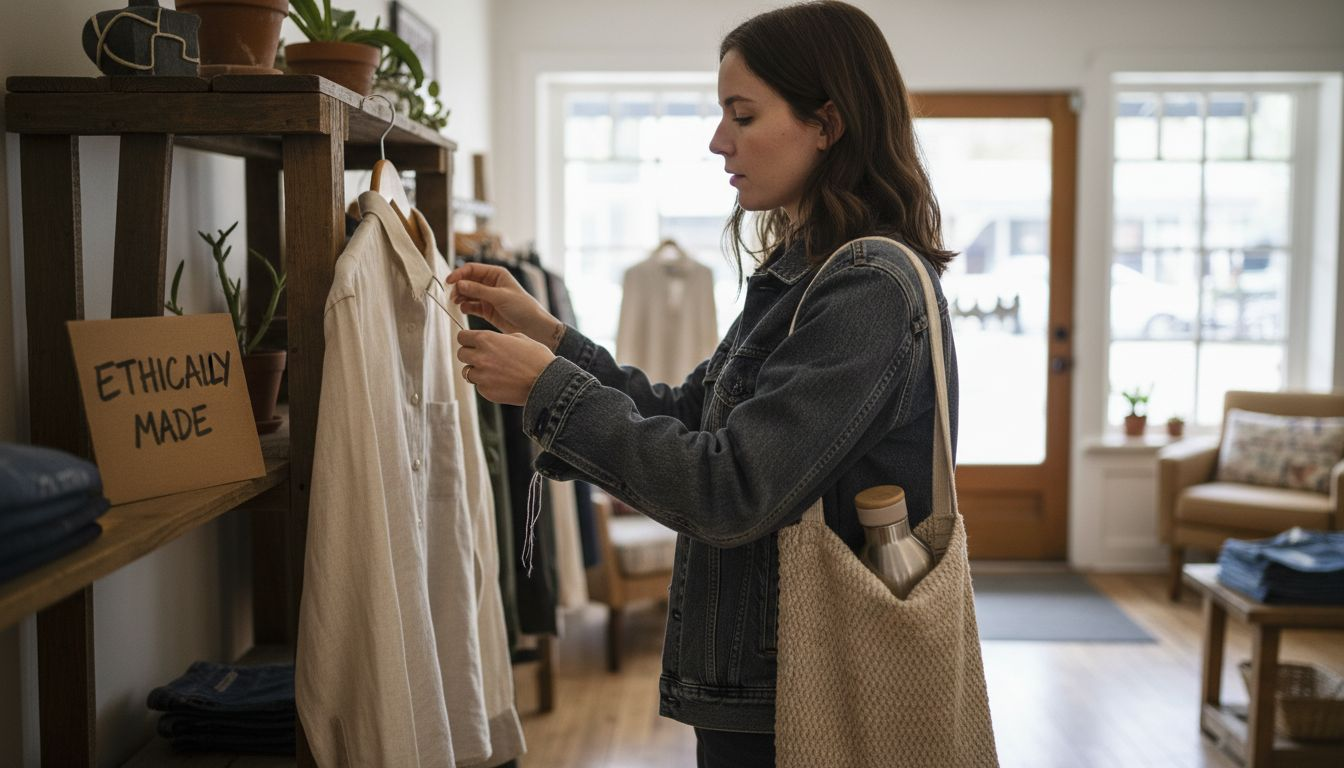
Conscious fashion also rejects the myth that bigger closets equal better style. One stunning, custom-fitted piece in your size that you’ll wear for years beats a drawer full of poorly-fitting fast fashion.
Pro tip: Before purchasing, ask yourself three questions: Who made this? What’s it made from and how? How long will I actually wear it? If you can’t answer confidently, the brand isn’t being transparent enough.
Key Variations: Sustainable, Ethical, and Slow
Conscious fashion uses three terms interchangeably, but they actually mean different things. Understanding these distinctions helps you make smarter choices about what you buy and why.
Sustainable Fashion: The Environmental Focus
Sustainable fashion prioritizes reducing environmental harm throughout a garment’s lifecycle. This means using less water, fewer chemicals, renewable materials, and minimizing waste.
Sustainability concentrates on the planet’s resources:
- Organic or recycled fabrics that require fewer chemicals
- Production methods that conserve water and energy
- Durable pieces designed to last years, not months
- Reduced packaging and shipping impacts
But here’s the catch: a sustainable garment can still be made by underpaid workers. Environmental responsibility doesn’t automatically equal social responsibility.
Ethical Fashion: The People Focus
Ethical fashion centers on fair treatment of everyone involved in production. This includes garment workers, farmers growing materials, and communities affected by factories.
Ethical fashion demands:
- Fair wages that allow workers to live with dignity
- Safe working conditions and reasonable hours
- No child labor or exploitation
- Community respect and local support
A company can manufacture ethically but still use harmful synthetic materials. Ethical production doesn’t guarantee environmental sustainability.
Slow Fashion: The Mindfulness Movement
Slow fashion rejects the fast fashion cycle entirely. It’s a philosophy about intentional consumption and valuing quality over quantity.
Slow fashion emphasizes quality and transparency over rapid trend cycles. You buy fewer pieces, wear them longer, and invest in items that truly reflect your style.
Slow fashion principles include:
- Choosing timeless styles over fleeting trends
- Building a cohesive wardrobe with pieces that work together
- Understanding garment construction and care
- Supporting small makers and transparent brands
Slow fashion isn’t about having less—it’s about having pieces you genuinely love that work harder in your life.
For size-inclusive shoppers, custom clothing options embody slow fashion perfectly. You get one exceptional piece made precisely for your body rather than settling for poorly-fitting mass production.
How They Work Together
The strongest conscious fashion choices combine all three. You want sustainable materials, ethical production, and a slow, intentional approach to consumption.
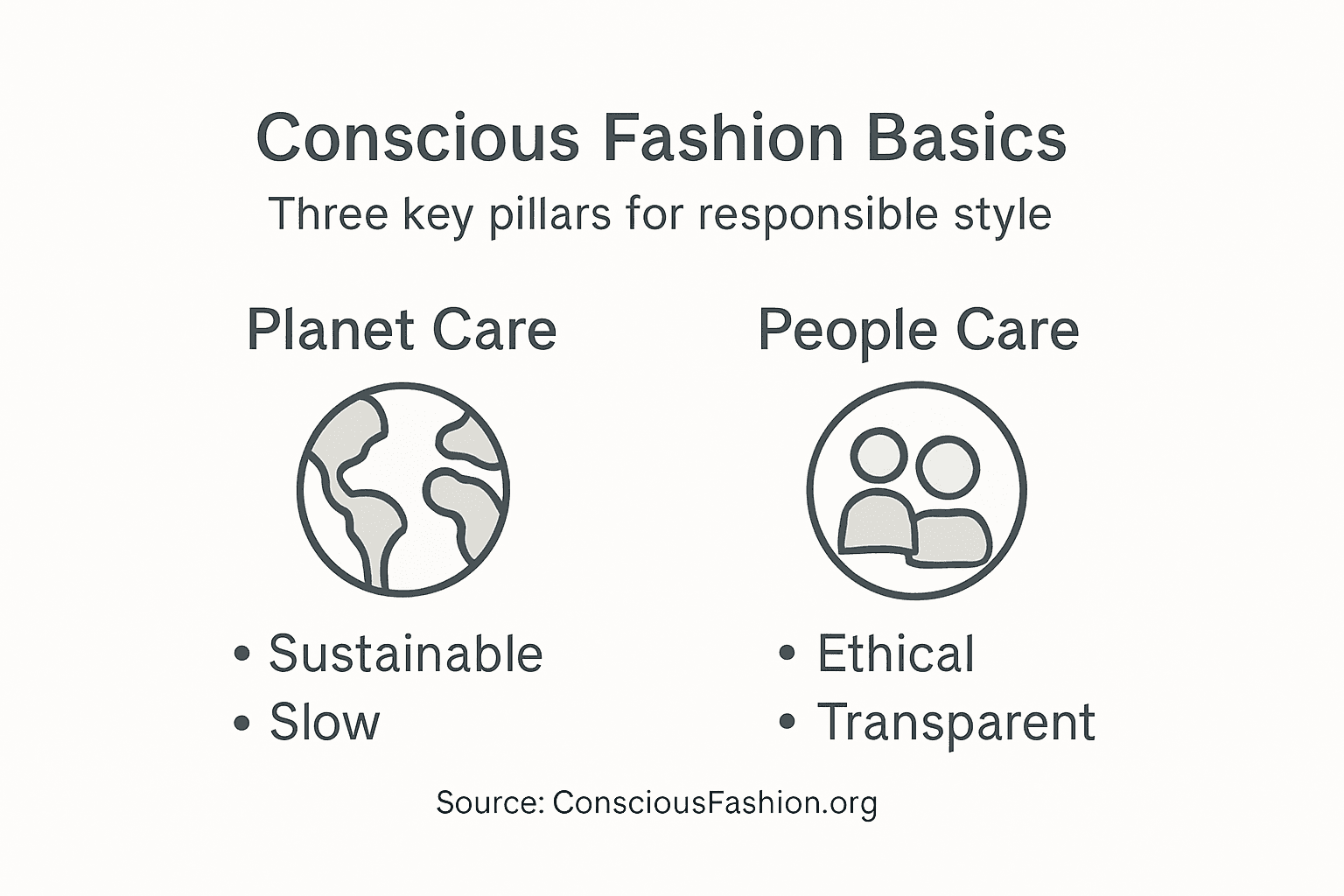
Consumer behavior toward sustainability shows that shoppers increasingly understand these distinctions matter. A custom-made dress in your exact measurements, made ethically, from sustainable fabric, worn for years—that’s conscious fashion at its best.
You’re not just buying clothes. You’re supporting production systems that respect people and the planet.
Here’s how sustainable, ethical, and slow fashion approaches differ and overlap:
| Aspect | Sustainable Fashion | Ethical Fashion | Slow Fashion |
|---|---|---|---|
| Main focus | Reducing environmental impact | Protecting workers and communities | Mindful, long-term consumption |
| Environmental goal | Low resource use, waste, and pollution | Not always prioritized | Often preferred but not required |
| Social concern | Not guaranteed by environmental focus | Central: wages, safety, and dignity | Indirect (by supporting small makers) |
| Consumer behavior | Choosing greener materials | Prioritizing fair labor | Investing in fewer, better items |
| Example pitfall | “Green” item with exploited workers | Ethical labor but harmful synthetics | Minimal wardrobe without true sustainability |
Pro tip: When evaluating a brand, ask which of these three areas they emphasize. The most conscious brands excel in all three—but if you must choose, prioritize where you see the strongest commitment and transparency.
How Conscious Fashion Impacts Design Choices
Conscious fashion isn’t just changing what shoppers buy—it’s fundamentally reshaping how designers create. Brands are rethinking everything from materials to construction methods to meet the demands of customers who care about impact.
Design for Longevity
Conscious design starts with a radical idea: make clothes that last. This means prioritizing quality construction over trendy aesthetics that fade quickly.
Designers focusing on longevity:
- Choose durable fabrics that improve with age
- Reinforce seams and stress points for extended wear
- Create timeless silhouettes that transcend seasonal trends
- Build pieces that work across multiple occasions and seasons
A dress made to endure decades beats one designed to fall apart after a season. Conscious fashion measures success in years, not months.
Material Innovation and Transparency
Sustainable material choices have become competitive advantages rather than niche offerings. Designers now compete on sourcing: organic cotton, recycled polyester, mycelium leather, or high-quality faux alternatives like sustainable faux fur.
Transparency matters equally. Brands openly share where materials come from, how they’re processed, and what certifications they hold. This honesty builds trust with consumers who’ve learned to question greenwashing.
Customization as Conscious Design
Design solutions addressing conscious consumption increasingly include personalization and made-to-order approaches. Rather than producing thousands of identical pieces hoping some fit, brands create pieces tailored to individual bodies and preferences.
Made-to-order eliminates overproduction waste and guarantees you’ll actually wear what you buy—because it’s designed specifically for you.
Intentional fashion design prioritizes your body and style needs from the start. No settling for poorly-fitted fast fashion when you can have pieces designed precisely for your measurements.
Size-Inclusive Thinking
Conscious brands recognize that true sustainability includes all body types. Size-inclusive design isn’t an afterthought—it’s core to conscious production.
This means:
- Offering extended size ranges without price premiums
- Grading patterns that maintain proportion and fit across all sizes
- Testing designs on diverse bodies before production
- Acknowledging that curvy, tall, and petite bodies deserve beautiful options
When designers create one exceptional dress in your exact size rather than guessing at mass production, less fabric is wasted and you’re more likely to cherish the piece.
Communication and Brand Responsibility
Conscious design requires designers to tell the truth about their work. What certifications do materials hold? Who makes the garment? How long should a piece last?
Brands are moving beyond vague “eco-friendly” marketing toward detailed impact reports and transparent sourcing maps.
Pro tip: When evaluating a brand’s design choices, look for specificity: exact fabric names, production locations, care instructions, and repair guidance. Vagueness signals greenwashing; clarity signals genuine conscious design.
Materials, Labor, and Transparency Standards
Conscious fashion demands accountability. You need to know what your clothes are made from, who made them, and under what conditions. This is where materials, labor, and transparency standards become non-negotiable.
Material Sourcing and Certifications
Material sourcing is where conscious fashion begins. Every fabric tells a story—where it came from, how it was grown or processed, and what chemicals touched it.
Key materials to understand:
- Organic cotton: Grown without synthetic pesticides or fertilizers
- Recycled polyester: Diverts plastic waste from landfills
- Linen and hemp: Require minimal water and chemicals
- High-quality faux fur: Sustainable alternatives to animal fur
- Mycelium and lab-grown materials: Emerging innovations reducing environmental harm
Certifications matter because they verify claims. Look for GOTS (Global Organic Textile Standard), Fair Trade, or OEKO-TEX labels that third parties have actually audited.
Compare key certifications that ensure standards in fashion:
| Certification | What It Verifies | Common Scope |
|---|---|---|
| GOTS | Organic fibers, eco/social criteria | Cotton, wool, blends |
| Fair Trade | Worker rights, ethical trade | Cotton, sewing, accessories |
| OEKO-TEX | Restricted harmful chemicals | Finished textiles |
| FSC | Responsible forest management | Viscose, lyocell |
Labor Standards and Worker Rights
Fair labor practices ensure the humans making your clothes aren’t exploited. Conscious brands commit to living wages, safe working conditions, reasonable hours, and freedom from coercion.
Labor standards include:
- Documented fair wages meeting local living costs
- Safe facilities with proper ventilation and equipment
- Maximum reasonable working hours with time off
- No child labor or forced labor
- Right to organize and collectively bargain
These aren’t nice-to-haves—they’re basic human rights that every worker deserves.
Transparency as Accountability
Brands increasingly disclose sustainability information including material sourcing, labor conditions, and supply chain transparency. This shift isn’t voluntary—it’s consumer and regulatory pressure forcing honesty.
True transparency means naming specific suppliers, admitting problems, and showing concrete improvement plans—not hiding behind vague sustainability claims.
Fashion transparency assessments evaluate over 250 global brands annually, measuring how openly they disclose policies and practices. Brands scoring high prove they’ve nothing to hide.
Transparency demands include:
- Named production facilities and locations
- Material composition and sourcing origins
- Labor practice policies and audits
- Environmental impact data
- Supply chain maps showing every step
Why This Matters for Your Purchases
When you buy from transparent brands, you’re voting for accountability. You’re refusing to accept greenwashing or exploitation masked as “affordable fashion.”
Size-inclusive custom clothing naturally aligns with these standards. Making one dress precisely for your body eliminates waste and allows smaller makers to maintain strict oversight of their entire production process.
Transparency protects both workers and the environment. It’s not perfect, but it’s infinitely better than the opacity that protects exploitative systems.
Pro tip: Before buying, visit a brand’s website and search for “supply chain,” “labor practices,” or “certifications.” If you can’t find specific information within two minutes, they’re not being transparent enough—shop elsewhere.
Choosing Conscious Fashion for Bold Individuality
Conscious fashion and bold self-expression aren’t opposites—they’re perfectly aligned. When you choose ethically-made pieces that reflect your true style, you’re making a statement about who you are and what you value.
Breaking the Fast Fashion Trap
Fast fashion promises unlimited choice, but it delivers endless sameness. Hundreds of women wear identical pieces because mass production doesn’t account for individuality. You become one of many, not yourself.
Conscious fashion flips this:
- You invest in fewer, higher-quality pieces
- Each item reflects your personal aesthetic
- You’re not competing with thousands wearing the same thing
- Your wardrobe becomes genuinely distinctive
When you buy one stunning custom dress in your exact size and preferred colors, you own something no one else has. That’s true individuality.
Quality Over Quantity for Self-Expression
Bold style requires intention. Generation Z’s fashion choices increasingly reflect sustainability values while enabling authentic self-expression simultaneously. Young shoppers understand that conscious choices don’t limit style—they enhance it.
Choosing consciously means:
- Selecting pieces that genuinely fit your body and aesthetic
- Building a cohesive wardrobe reflecting your personality
- Investing in quality construction that lasts through countless wears
- Owning fewer items you actually love versus drawers of unworn pieces
One exceptional piece you wear constantly beats ten mediocre items gathering dust.
Investment Dressing as Personal Identity
Framing fashion as material investment encourages preference for timeless classics over fleeting trends. This approach supports individuality through durable, meaningful choices aligned with sustainability principles.
When you buy consciously, you’re asking yourself crucial questions: Will I wear this in three years? Does it fit my body perfectly? Does it reflect who I actually am, or who I think I should be?
These questions lead to better choices. You build a signature style instead of chasing trends.
Size-Inclusive Bold Statements
Conscious fashion recognizes that bold individuality belongs to every body. Statement dressing means expressing confidence through pieces designed specifically for your measurements and personal style.
You deserve:
- Pieces tailored to your body, not reshaped to fit standard sizes
- Bold colors, patterns, and silhouettes in your actual size
- Confidence that comes from perfect fit and intentional design
- The freedom to express yourself without compromise
Conscious fashion isn’t restrictive—it’s liberating. You’re not limited by mass production’s narrow size ranges or repetitive designs. Instead, you’re creating a wardrobe that’s entirely yours.
Pro tip: When building a conscious wardrobe, start with one investment piece that excites you—custom or ethically-made. Notice how it makes you feel. Build around that emotional anchor, adding pieces slowly that genuinely complement your style and values.
Embrace True Conscious Fashion with Custom Tailoring
The challenge with conscious fashion is cutting through myths and greenwashing to find truly ethical and sustainable pieces that reflect your bold individuality. This article highlights the importance of transparency, intentional design, and size-inclusive personalization—goals that align perfectly with what Prima Dons and Donnas offers. If you’re tired of fast fashion’s one-size-fits-all approach and want quality made-to-order clothing that prioritizes ethical labor, sustainable materials like high-quality faux fur, and timeless style designed just for you, we have the solution.
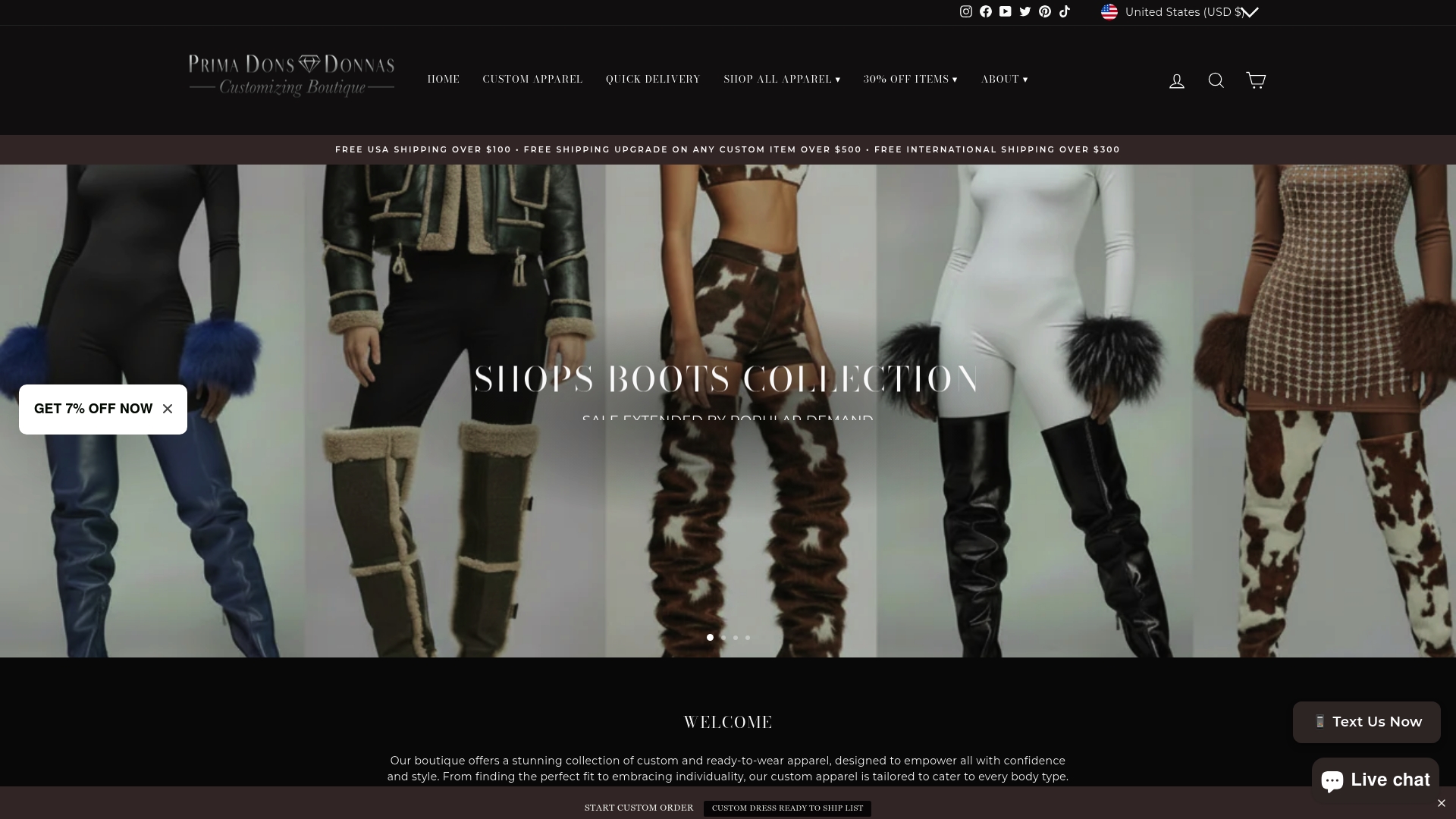
Discover how you can transform your wardrobe with custom fashion tailored to your unique size and style. Experience the luxury of exclusive pieces created with conscious design principles to ensure longevity, comfort, and responsible production. Don’t settle for vague claims when you can shop with confidence and stand out authentically. Take the first step today and explore our collection at Prima Dons and Donnas to make a statement that truly matters.
Frequently Asked Questions
What are the core principles of conscious fashion?
Conscious fashion revolves around three main principles: environmental responsibility, ethical labor practices, and transparency in production processes.
How can I identify whether a fashion brand is truly conscious?
To identify a conscious brand, look for transparency regarding their materials, labor practices, and sustainability certifications. Brands that disclose their supply chain and production methods demonstrate accountability.
What is the difference between sustainable, ethical, and slow fashion?
Sustainable fashion focuses on reducing environmental harm; ethical fashion emphasizes fair labor practices; and slow fashion promotes thoughtful consumption, valuing quality over quantity.
Why does consciousness in fashion matter?
Conscious fashion matters because consumer choices directly affect industry practices. By supporting brands that practice environmental responsibility and ethical labor, shoppers can influence positive change and reduce exploitation and waste.
Recommended
- 7 Types of Custom Clothing for Bold, Confident Women – Prima Dons & Donnas
- Statement Dressing: Expressing Confidence and Individuality – Prima Dons & Donnas
- What Is Intentional Fashion Design and Why It Matters – Prima Dons & Donnas
- Top Custom Clothing Services – Expert Comparison 2026 – Prima Dons & Donnas


Leave a comment