

Conscious fashion choice in 2026: Bold, sustainable style
The fashion industry accounts for 10% of global carbon emissions, yet most women struggle to find clothing that balances sustainability with bold, exclusive style. You want pieces that reflect your values without sacrificing confidence or individuality. This guide clarifies what conscious fashion choice means in 2026 and shows you how to build a wardrobe that’s both ethically sound and unapologetically stylish.
Table of Contents
- Understanding Conscious Fashion Choice
- Why Sustainability Matters In Fashion
- Personalization And Exclusivity In Conscious Fashion
- Common Misconceptions About Conscious Fashion
- Evaluating And Practicing Conscious Fashion Choices
- Explore Your Conscious Style With Prima Dons & Donnas
- What Makes A Fashion Choice Conscious In 2026?
Key takeaways
| Point | Details |
|---|---|
| Conscious fashion blends sustainability, exclusivity, and personalization | This approach transforms wardrobes from disposable trends to intentional investment pieces that reflect personal values. |
| Made-to-order reduces waste and empowers unique style | Custom production cuts textile waste by 30-50% while ensuring every piece matches your exact vision and fit. |
| Sustainable materials like faux fur balance ethics with bold design | High-quality alternatives deliver luxury aesthetics without compromising animal welfare or environmental responsibility. |
| Most fast fashion eco claims are misleading greenwashing | 70% of sustainability marketing from fast fashion brands contains false or exaggerated environmental promises. |
| A five-pillar framework simplifies conscious wardrobe evaluation | Assessing footprint, ethics, personalization, materials, and durability helps you make informed purchasing decisions. |
Understanding conscious fashion choice
Conscious fashion choice represents a fundamental shift in how you approach clothing. It integrates environmental sustainability, ethical production practices, and personalized exclusivity into every purchase decision. Rather than chasing fleeting trends that end up in landfills within months, this framework prioritizes garments designed to last and reflect your unique identity.
The market validates this evolution. Conscious fashion choice integrates environmental sustainability, ethical production, and personalized exclusivity, with the sustainable fashion sector projected to grow at 9.1% annually through 2030. This growth signals that women increasingly reject disposable fashion in favor of pieces that align with their values.
Personalization plays a critical role in this transformation. When you invest in what is conscious fashion principles, you’re choosing garments tailored to your specific measurements, color preferences, and style vision. This customization eliminates the compromise between sustainability and self-expression.
Exclusivity amplifies the impact. Limited production runs and made-to-order models ensure your wardrobe stands out while minimizing environmental harm. You’re not wearing mass-produced items found in every store. You’re wearing intentional pieces that tell your story.
Pro Tip: Start evaluating your current wardrobe by asking whether each piece serves multiple styling purposes and reflects your authentic aesthetic. Items that check both boxes justify their environmental footprint.
Why sustainability matters in fashion
Traditional fashion production devastates ecosystems and communities. The industry generates massive pollution through textile dyeing, synthetic fiber production, and transportation networks spanning continents. Water consumption alone reaches staggering levels, with conventional cotton production requiring thousands of gallons per garment.
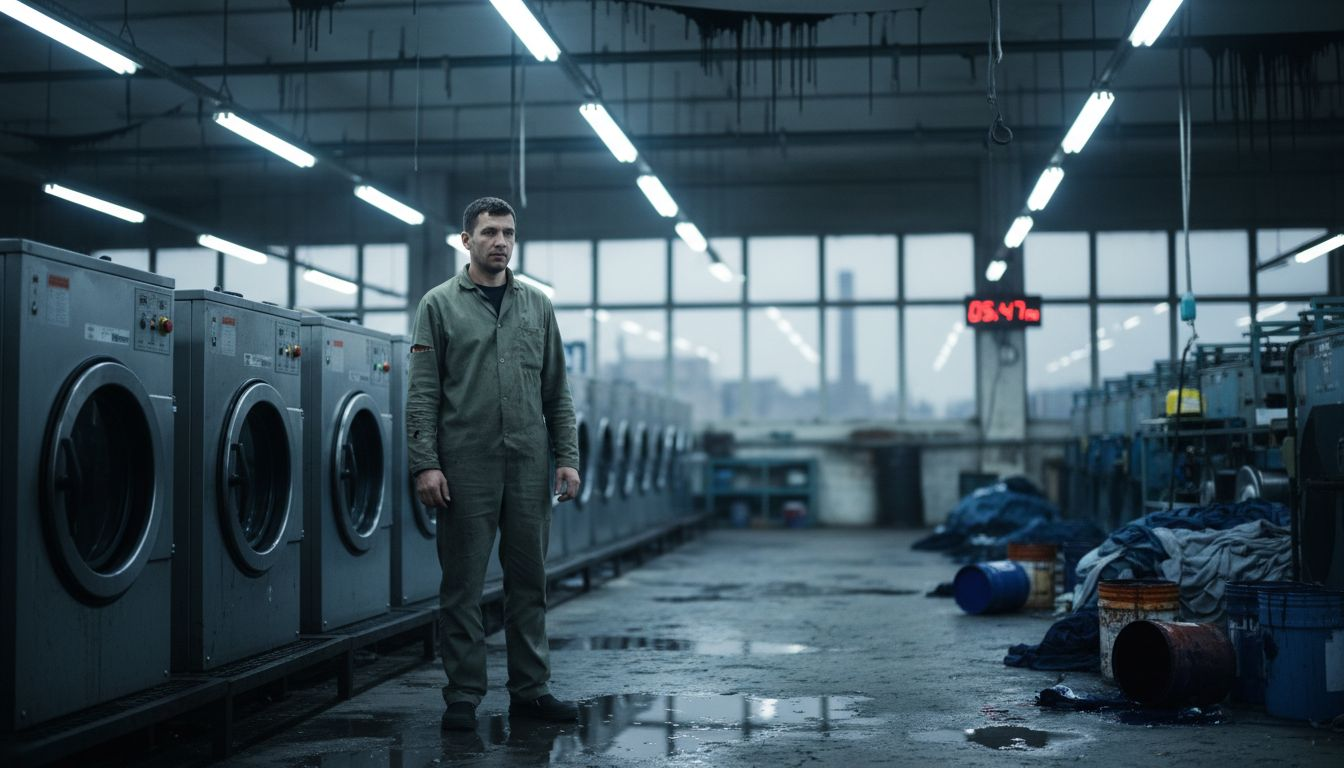
The fashion industry accounts for 10% of global carbon emissions, making it one of the planet’s most polluting sectors. Overproduction compounds this damage. Brands manufacture billions of garments annually, with 30-40% never selling and heading straight to landfills or incinerators.
Made-to-order models flip this destructive pattern. By producing only what customers actually purchase, made-to-order fashion reduces textile waste by 30-50%. You order exactly what you want in your size and preferred color, eliminating excess inventory and the impulse purchases that clutter closets.
Durability matters as much as production methods. Fast fashion items typically survive fewer than 10 wears before falling apart. Quality construction and premium materials extend garment lifespans to years or decades, dramatically reducing per-wear environmental impact.
Consider these sustainability factors when evaluating clothing:
- Material sourcing transparency and certifications like GOTS or OEKO-TEX
- Production location and labor conditions throughout the supply chain
- Garment construction quality, including reinforced seams and durable hardware
- End-of-life options such as recycling programs or biodegradable materials
- Packaging waste and shipping carbon footprint
| Impact Category | Fast Fashion | Conscious Fashion |
|---|---|---|
| Average wears before disposal | 7-10 | 100+ |
| Textile waste per garment | High (excess inventory) | Minimal (made-to-order) |
| Carbon footprint | Maximum | Reduced 40-60% |
| Labor conditions | Often exploitative | Transparent, ethical |
Pro Tip: Calculate cost per wear by dividing purchase price by expected number of wears. A $200 quality piece worn 100 times costs $2 per wear, often cheaper than a $40 fast fashion item worn 8 times.
Ethical sourcing extends beyond environmental metrics. Fair wages, safe working conditions, and dignified treatment of garment workers represent non-negotiable elements of truly conscious fashion. When you choose made-to-order fashion benefits, you’re supporting business models that prioritize people alongside planet.
Personalization and exclusivity in conscious fashion
Exclusivity transforms your relationship with clothing from transactional to emotional. When you own pieces tailored specifically for you, wearing them becomes an act of self-expression rather than trend participation. This emotional investment naturally extends garment lifespans as you care for and treasure items that feel irreplaceable.
Data supports this psychological shift. 70% of consumers cite exclusivity as key to brand loyalty, and custom options reduce impulse buying by 40%. You stop accumulating random pieces because something was on sale or trending. Instead, you invest deliberately in garments that genuinely excite you.
Made-to-order production enables this exclusivity at scale. Rather than choosing from limited stock in standard sizes, you specify exact measurements, select from extensive color palettes, and customize design details. The result fits your body perfectly and matches your aesthetic vision precisely.
This approach empowers bold style choices that conventional retail can’t accommodate. Want a faux fur coat in an unexpected jewel tone? Need boots in a hard-to-find size? Prefer sneakers covered in crystals arranged in your custom pattern? Personalization in fashion makes these visions reality.
Key personalization benefits include:
- Perfect fit eliminates the alterations or settling for close enough sizing
- Unlimited color options let you build a cohesive wardrobe palette
- Design customization creates one-of-a-kind statement pieces
- Size inclusivity ensures everyone accesses high-quality fashion
- Reduced returns and exchanges minimize shipping environmental impact
Pro Tip: Create a personal style board before ordering custom pieces. Collect images reflecting your aesthetic vision to guide color, silhouette, and detail choices, ensuring each custom item integrates seamlessly with your existing wardrobe.
The confidence boost from wearing perfectly fitted, exclusively designed clothing compounds these practical advantages. You walk differently when your outfit fits flawlessly and expresses your authentic identity. This psychological benefit, while intangible, represents significant value that generic sizing and mass production can never deliver.
Personalized fashion importance extends beyond individual satisfaction to industry transformation. As more consumers demand customization, brands must adopt more sustainable production models, creating positive ripple effects throughout the fashion ecosystem.
Common misconceptions about conscious fashion
Greenwashing pollutes the sustainable fashion conversation. 70% of fast fashion eco claims are greenwashing, with brands making vague sustainability promises while maintaining fundamentally destructive business models. Terms like “conscious collection” or “eco-friendly line” often mask continued overproduction and exploitation.
Recognizing greenwashing requires skepticism and research. Genuine sustainability involves transparent supply chains, third-party certifications, and measurable impact reductions. Vague marketing language without specific data typically signals misleading claims.
The affordability myth persists despite evidence to the contrary. Critics claim sustainable fashion costs more, but this ignores total ownership economics. Sustainable fashion can save up to 25% over product lifetime when accounting for durability, versatility, and reduced replacement frequency.
Consider these reality checks:
- Fast fashion’s hidden costs include frequent replacements, dry cleaning for poor-quality fabrics, and alterations for ill-fitting garments
- Quality pieces maintain appearance and structure for years, eliminating constant wardrobe refresh expenses
- Versatile designs work across multiple occasions, reducing total items needed
- Resale value for well-made garments recovers significant initial investment
- Environmental and social costs of cheap fashion eventually burden everyone through climate change and inequality
Another misconception suggests sustainable fashion lacks style or trendiness. This outdated stereotype ignores how luxury fashion vs fast fashion dynamics have evolved. Today’s conscious brands deliver cutting-edge design, bold aesthetics, and fashion-forward pieces that rival or exceed conventional options.
“Sustainable fashion isn’t about sacrifice or settling for boring basics. It’s about investing in pieces so perfectly aligned with your style that you’ll treasure them for years.”
The idea that conscious fashion requires complete wardrobe replacement overnight creates unnecessary barriers. Transitioning to sustainable practices happens gradually as you replace worn items with better choices and fill gaps with intentional purchases. Perfect shouldn’t be the enemy of progress.
Some assume all sustainable materials feel uncomfortable or look cheap. Modern innovations in organic cotton, recycled synthetics, and premium faux alternatives deliver luxury hand feel and appearance. Material quality varies widely, making brand research and reviews essential for informed purchasing.
Evaluating and practicing conscious fashion choices
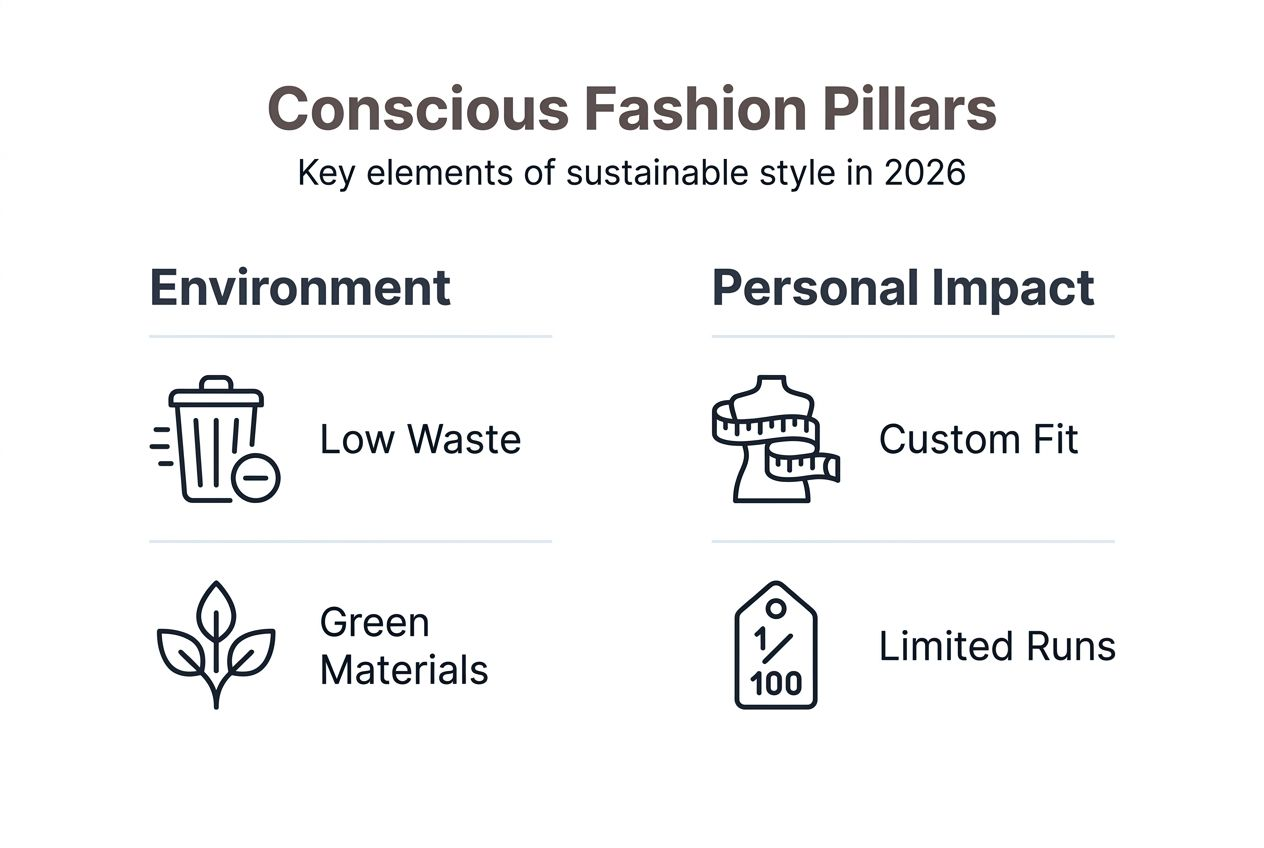
A structured framework simplifies conscious fashion evaluation. Five pillars provide comprehensive assessment criteria:
| Pillar | Evaluation Questions | Green Flags |
|---|---|---|
| Environmental Footprint | How was this produced? What’s the lifecycle impact? | Renewable materials, minimal waste, local production |
| Ethical Production | Who made this? Were they treated fairly? | Living wages, safe conditions, transparent supply chain |
| Personalization | Does this fit my unique needs and style? | Custom sizing, color options, design flexibility |
| Material Quality | Will this last and perform well? | Durable construction, premium fibers, ethical alternatives |
| Versatility & Durability | Can I wear this multiple ways for years? | Timeless design, quality hardware, reinforced stress points |
High-quality faux fur is an ethical, stylish material that exemplifies conscious material choices. It delivers luxury aesthetics and warmth without animal cruelty, making it ideal for bold statement pieces like coats, boots, and accessories. Modern faux fur technology produces materials virtually indistinguishable from traditional fur while aligning with ethical values.
Implementing conscious fashion habits requires practical action steps:
- Audit your current wardrobe to identify gaps, redundancies, and pieces that don’t serve your lifestyle or values
- Research brands thoroughly, reading sustainability reports, certifications, and independent reviews before purchasing
- Explore custom clothing guide resources to understand made-to-order options and customization possibilities
- Create a wishlist of needed items rather than impulse shopping, giving yourself time to evaluate whether purchases align with your framework
- Prioritize quality over quantity, investing in fewer pieces that deliver exceptional fit, durability, and versatility
- Learn basic garment care to extend piece lifespans through proper washing, storage, and minor repairs
- Support brands demonstrating genuine commitment to sustainability through transparent practices and measurable impact
Pro Tip: Establish a 48-hour waiting period before purchasing non-essential items. This cooling-off period eliminates impulse buys and ensures purchases align with your conscious fashion criteria.
Material selection demands particular attention. Beyond faux fur ethical fashion, consider organic cotton, TENCEL, recycled polyester, and innovative materials like mushroom leather. Each offers distinct sustainability benefits and aesthetic properties suited to different garment types.
Durability assessment goes beyond initial construction quality. Consider how materials age, whether hardware can be replaced, and if designs remain stylish beyond current trends. Classic silhouettes with personal twists deliver longevity that trendy pieces never achieve.
The five-pillar framework adapts to individual priorities. You might weight environmental footprint heavily while someone else prioritizes ethical production. The key is conscious evaluation using consistent criteria rather than reactive purchasing based on marketing or sales.
Explore your conscious style with Prima Dons & Donnas
Ready to transform your wardrobe with pieces that embody conscious fashion principles? Prima Dons & Donnas creates made-to-order clothing and footwear tailored to your exact specifications, delivering bold style without compromising sustainability or ethics.
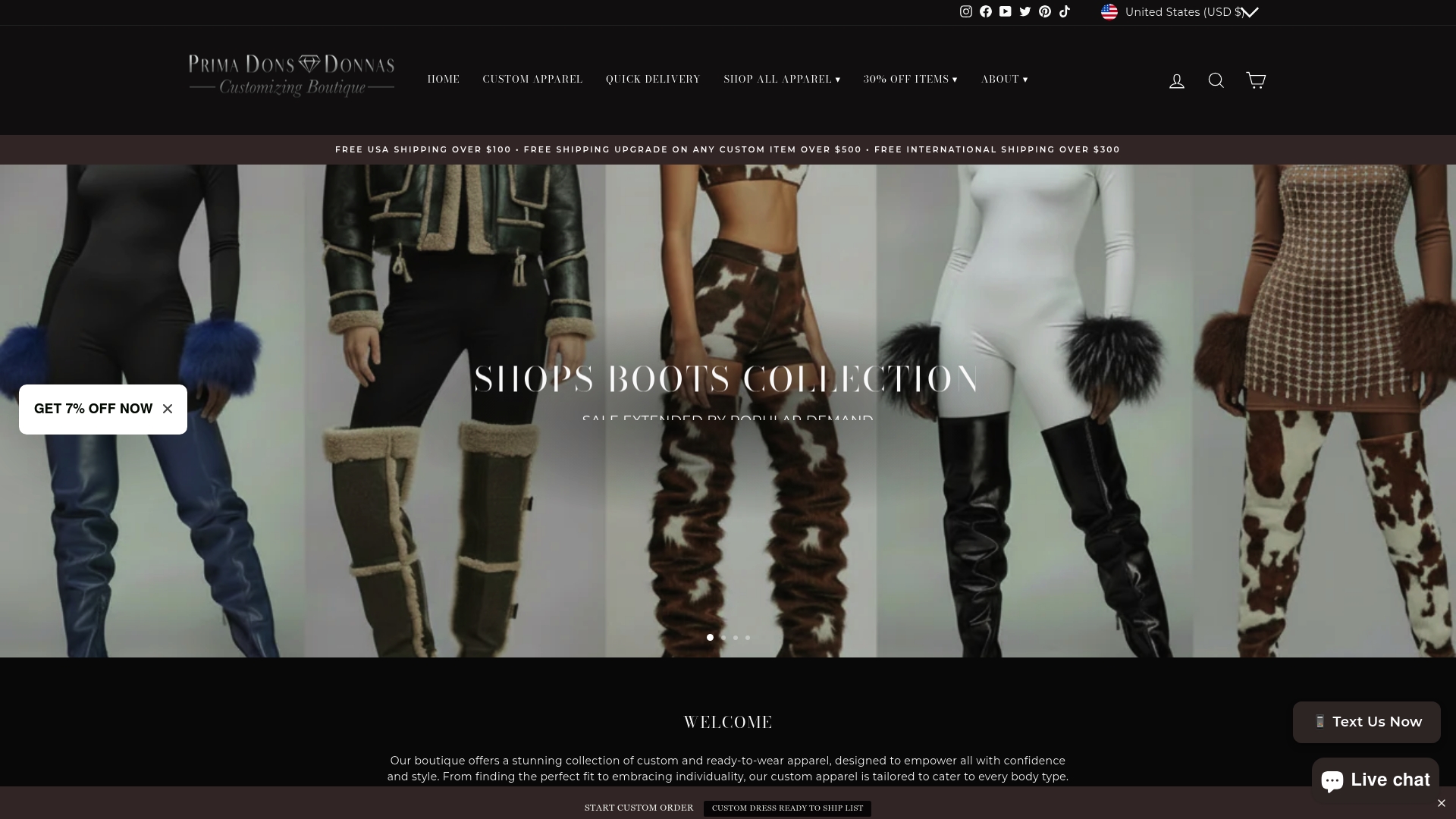
Our custom crystal sneakers let you design statement footwear in any color combination with hand-applied crystal arrangements. These exclusive pieces eliminate the waste of mass production while ensuring your sneakers reflect your unique aesthetic. For colder weather, explore our faux fur boots that combine ethical materials with eye-catching design. Each pair is crafted to your size specifications, guaranteeing perfect fit and comfort. Our luxury faux fur jacket collection offers customizable options in premium materials that deliver warmth and glamour without animal cruelty. Every piece empowers you to express confidence through intentional, sustainable fashion choices.
What makes a fashion choice conscious in 2026?
What makes a fashion choice conscious in 2026?
A conscious fashion choice in 2026 integrates sustainability, ethical production, and personal style into purchasing decisions. It means selecting garments produced with minimal environmental harm, fair labor practices, and customization that reflects your unique identity. This approach prioritizes quality over quantity and values transparency throughout the supply chain. What is conscious fashion has evolved beyond basic eco-friendly materials to encompass holistic wardrobe philosophy.
How can I identify if a clothing item is truly sustainable?
Look for transparent sourcing information, third-party certifications like GOTS or Fair Trade, and detailed material composition. Truly sustainable items feature durable construction with quality hardware and reinforced seams. Made-to-order or custom clothing guide options signal commitment to waste reduction. Assess whether materials are organic, recycled, or ethical alternatives like high-quality faux fur.
Is faux fur really a sustainable and ethical material choice?
High-quality faux fur offers an ethical alternative to animal fur while delivering luxury aesthetics and warmth. It eliminates animal cruelty inherent in traditional fur production and often features more durable construction. Modern faux fur technology produces materials that rival real fur in appearance and performance. This material choice allows you to make bold fashion statements while honoring ethical values and enhancing wardrobe exclusivity.
What are the initial steps to start adopting conscious fashion habits?
Begin by auditing your existing wardrobe to identify what you actually wear versus what clutters your closet. Learn to evaluate purchases using sustainability and style criteria like the five-pillar framework. Start exploring made-to-order and personalized options through resources like custom clothing guide. Implement a waiting period before purchases to eliminate impulse buying and ensure alignment with your values and needs.
Recommended
- Trends in Custom Fashion 2026: Bold Style and Personalization – Prima Dons & Donnas
- Size Inclusive Fashion 2026: Empowering Bold Confidence – Prima Dons & Donnas
- What Is Conscious Fashion and Why It Matters – Prima Dons & Donnas
- Bold Style Fashion: How It Empowers Women Worldwide – Prima Dons & Donnas


Leave a comment