

Defining Custom Photoshoot Outfits: Your Style Guide
TL;DR:
- Defining custom photoshoot outfits involves creating intentional, head-to-toe looks that reflect your personality, occasion, and confidence. Planning varied, purpose-driven ensembles ensures your photos tell a cohesive visual story and express different facets of your style. Preparation of wardrobe, accessories, and fit details directly impacts the success and authenticity of your images.
Most women walk into a photoshoot thinking they need either the trendiest pieces or a perfectly polished “safe” look. Neither approach gets you the photos you actually want. Defining custom photoshoot outfits is really about one thing: intentional choices that reflect who you are, what the occasion calls for, and what makes you feel genuinely confident on camera. Get those three things right, and the rest falls into place. This guide breaks down exactly how to do that, from building complete looks to prepping for special occasions and plus-size styling.
Table of Contents
- Key Takeaways
- Defining custom photoshoot outfits as complete looks
- A step-by-step framework for personalized photoshoot styles
- The practical details that make or break your photos
- Custom outfit ideas for special occasions and plus-size styling
- My honest take on what actually works
- Shop made-to-order pieces built for your photoshoot
- FAQ
Key Takeaways
| Point | Details |
|---|---|
| Think in looks, not pieces | Plan complete head-to-toe styling sets that each tell a different visual story. |
| Start with your occasion and style goals | Your outfit choices should match the message, vibe, and setting of your shoot. |
| Undergarments are part of the outfit | Seamless, skin-tone matched underwear prevents visible lines and photographic artifacts. |
| Fit and movement both matter | An outfit that looks great standing still can pull or bunch when you move. Test it first. |
| Custom pieces simplify everything | Made-to-order clothing removes the fit guesswork and gives you something uniquely yours. |
Defining custom photoshoot outfits as complete looks
The phrase “defining custom photoshoot outfits” gets used a lot, but the industry term stylists actually work with is looks. A look is not just an outfit. It is a complete, head-to-toe styling decision that communicates a specific mood, context, or character. Think of it like a scene in a film. Every detail works together.
Multiple scene-based looks maximize storytelling and shooting success far more than simply counting how many tops you bring. Professional modeling portfolio sessions typically recommend 6 to 10 complete outfits to cover varied looks by style and purpose, though most client shoots use about 4 to 6.
Here are the core look categories worth knowing:
- Commercial: Clean, approachable, and relatable. Think everyday wear that a brand would use in advertising.
- High fashion: Bold silhouettes, editorial styling, statement accessories. This is the look that pushes boundaries.
- Lifestyle: Casual, warm, and natural. Ideal for personal brands, bloggers, and social content.
- Editorial: Artistic and concept-driven. Often involves props or themed settings.
- Formal: Elegant dresses, structured tailoring, polished accessories. Perfect for events or professional profiles.
- Activewear: Functional and energetic. Works well for fitness-focused shoots or health brands.
Each category speaks a different language. Planning at least two or three distinct looks gives your photos variety and makes the final gallery feel intentional, not scattered.
Pro Tip: Pull a simple bold styles checklist before your shoot to confirm each look serves a different purpose and tells a different visual story.
A step-by-step framework for personalized photoshoot styles
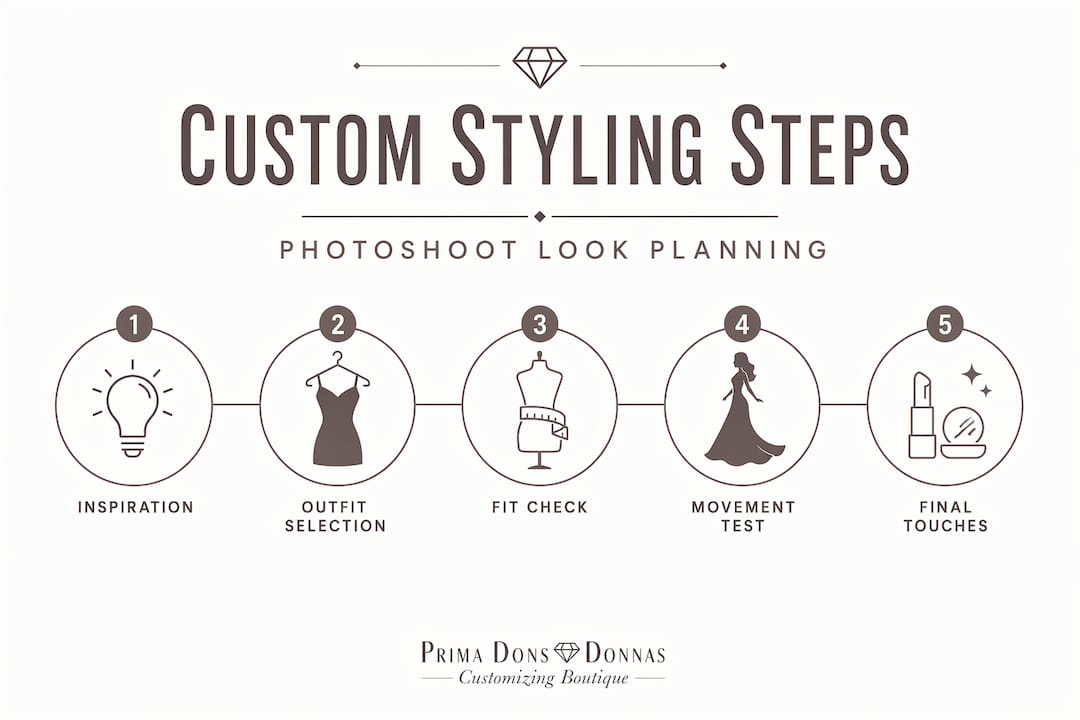
Personalized photoshoot styles do not happen by accident. They come from a clear process. Here is how to work through it without getting overwhelmed:
-
Pull inspiration images first. Gather 5 to 10 photos that represent the style, mood, and energy you want your shoot to reflect. A styling consultation always begins here because images communicate faster than words.
-
Define your occasion or message. Are you shooting for a professional profile, a birthday, a creative portfolio, or a brand launch? Your answer shapes every outfit decision. A concert-ready look calls for something completely different than a wedding guest portrait.
-
Assess your wardrobe honestly. Walk through what you already own before shopping. You may already have pieces that fit your vision. Look for items that photograph well, meaning solid colors, interesting textures, or structured silhouettes.
-
Plan for the season and location. Neutral or brand-coherent palettes work best on camera, and seasonal fabrics affect both comfort and visual cohesion. A flowing linen dress reads very differently in a summer garden shoot versus a winter studio.
-
Build in layering options. Blazers, cardigans, and jackets let you create multiple variations of one base outfit. This expands your look count without overpacking.
-
Add shoes and accessories for each look. These details close the visual story. Bring at least one shoe option per look, plus jewelry, belts, or bags that complement each style direction.
-
Focus on fit and comfort. Flattering fit and comfort directly affect your confidence, and confidence shows in every photo. Choose outfits that you feel good in, not just outfits that look good on a hanger.
Pro Tip: Visit the personalized styling workflow guide at Primadonsanddonnas for a practical breakdown of how to organize your wardrobe plan before shoot day.
The practical details that make or break your photos
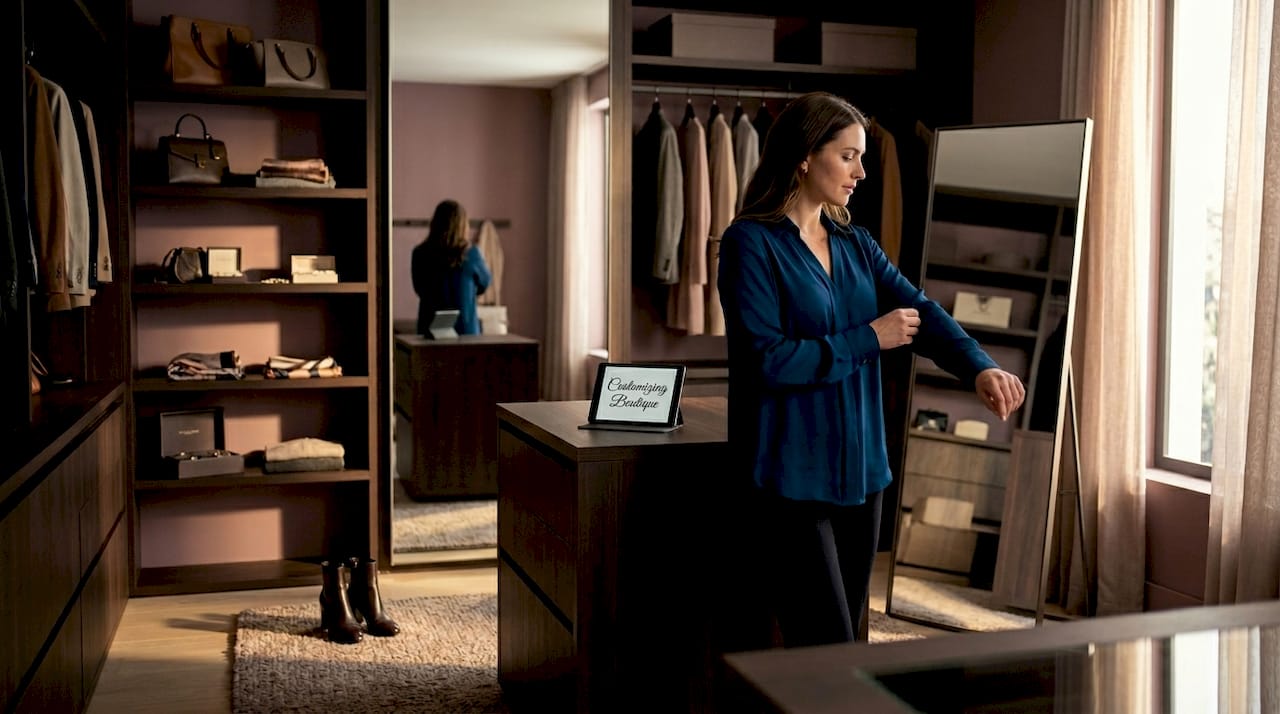
This is the section most style guides skip. You can have the most beautiful outfit in the world and still ruin the photos with one overlooked detail.
Undergarments
Undergarments affect outfit appearance more than most people realize. White underwear under a white top photographs gray. Visible bra straps, panty lines, and bunching fabric under studio lights are immediately noticeable. The solution is simple: bring seamless, skin-tone matched options. Strapless bras, adhesive cups, and bamboo mid-waist underwear offer comfort and stay invisible under form-fitting pieces.
Color choices
Certain colors photograph better than others depending on your skin tone and the shoot background. Jewel tones, earth tones, and classic neutrals tend to work across the board. Busy patterns can clash with textured backgrounds or distract from your face. Test colors in natural light at home before committing to them on shoot day.
Movement checks
This is non-negotiable. Movement validation during outfit planning ensures your fit works dynamically, not just standing still. Sit down in each outfit. Raise your arms. Walk across the room. If something pulls, bunches, or reveals more than intended, it will show in your photos.
Here is a quick comparison of what works versus what creates problems on camera:
| Category | Works Well | Creates Problems |
|---|---|---|
| Undergarments | Seamless, skin-tone matched, smooth finish | Visible lines, white under light colors, lacy edges |
| Colors | Solid jewel tones, earth tones, neutrals | Neon tones, overly busy prints, clashing with background |
| Fit | Tailored or structured, moves with your body | Too tight, too loose, fabric that shifts or bunches |
| Outfit changes | 2 outfits for a half-day shoot, 3 for a full day | Last-minute packing, no assigned change order |
Pro Tip: Pack an emergency kit: a lint roller, fashion tape, a small steamer or wrinkle releaser spray, and spare shoes. Small fixes on the day can save an entire look.
Outfit change timing is another factor worth planning. Two outfits work well for a half-day session; three is the most popular choice for a full day. Allow 20 to 40 minutes per change when working with complex styling, and decide your shooting order in advance so your must-have looks get the best energy and lighting.
Custom outfit ideas for special occasions and plus-size styling
The best outfits for custom photography are the ones built around the specific occasion. Generic advice rarely fits real life. Here is how to approach the most common photoshoot scenarios:
- Party events and concerts: Go bold. Statement pieces, sequins, vibrant color, or a structured power look all photograph beautifully in social settings. Think about lighting conditions at the venue and choose fabrics that catch light well.
- Lunch dates: Relaxed elegance works here. A tailored midi dress or a stylish blouse with wide-leg trousers keeps things polished without feeling overdressed. Accessories do the heavy lifting.
- Wedding apparel: Whether you are the bride, a guest, or in the wedding party, opt for silhouettes that photograph well from multiple angles. Medium or long-length dresses avoid accidental exposure when sitting or moving, and structured bodices photograph sharply.
- Professional brand shoots: Keep your outfit aligned with your industry. A professional blazer over a simple fitted top communicates authority without stiffness. Layer thoughtfully so you have options on the day.
For plus-size styling specifically, the goal is always confidence and fit. A few practical tips:
- Cinched waistlines, wrap styles, and structured bodices are flattering across body types.
- Vertical lines, monochromatic looks, and strategic ruching all create clean, elongated silhouettes.
- Avoid stiff fabrics that do not move with you. Fabric behavior directly affects how relaxed and natural you look in photos.
- The most important rule: wear what you actually love. Confidence in an outfit reads on camera every single time.
Pro Tip: Check the seasonal wardrobe essentials checklist at Primadonsanddonnas to plan occasion-specific looks that work across different times of year.
My honest take on what actually works
I have worked with enough women on photoshoot wardrobes to know that the biggest mistake is not choosing the wrong outfit. It is choosing the “safe” one. Playing it safe almost always produces forgettable photos. The women who show up with something they genuinely love, even if it feels a little bold or unexpected, consistently get the images they talk about for years.
What I have learned: brand-session styling works best when it comes from your message and your comfort, not from chasing what you think looks good in someone else’s feed. Your photoshoot is not a costume party. It is a visual record of who you are right now.
I have also seen more shoots derailed by undergarment issues and last-minute packing than by any styling misstep. When you prepare those details in advance, everything else flows faster and easier on the day.
The other thing I tell everyone: defining multiple looks that express different sides of your personality is not extra work. It is the work. It is what separates a strong photo gallery from a forgettable one. You have more than one dimension. Your photos should too.
— Latoya
Shop made-to-order pieces built for your photoshoot
Finding the right photoshoot attire is much easier when the fit is built specifically for you. Primadonsanddonnas specializes in made-to-order dresses designed to your size, your color, and your style. No guessing. No alterations. Just pieces that fit and photograph exactly as intended.
The custom outerwear collection adds statement layers to any look, from faux fur coats that photograph beautifully to structured jackets that finish an editorial style. Every piece is available in plus sizes and designed with bold, confident style in mind. Ready-to-ship options are also available for faster delivery. Browse the collections and find the pieces that make your next photoshoot look exactly how you imagined it.
FAQ
What does defining custom photoshoot outfits actually mean?
Defining custom photoshoot outfits means planning complete, intentional looks that reflect your personal style, the occasion, and the mood you want to convey in photos. It goes beyond picking individual pieces and focuses on head-to-toe styling that tells a visual story.
How many outfits should I bring to a photoshoot?
Most photographers recommend bringing enough for 4 to 6 complete looks, with 6 to 10 outfits ideal for portfolio shoots. For shorter sessions, two to three well-planned looks cover most goals.
What colors work best for photoshoots?
Solid jewel tones, earth tones, and classic neutrals photograph well across most skin tones and backgrounds. Avoid overly busy patterns and neon colors, which can distract or clash with shoot environments.
How do I choose photoshoot attire for a special occasion?
Match the outfit style and energy to the occasion context. Party and concert shoots call for bold, statement-making pieces; wedding attire works best in structured, mid-to-long length silhouettes; and professional brand shoots favor clean, layered looks aligned with your industry.
Are there specific tips for plus-size photoshoot styling?
Yes. Wrap styles, cinched waistlines, monochromatic looks, and fabrics with natural movement all create flattering, confident results. The most effective tip is to wear outfits you genuinely love because that confidence shows clearly in every photo.
Recommended
- Step by Step Custom Clothing Guide for Unique Looks – Prima Dons & Donnas
- How to Choose Custom Outfits for Confident Personal Style – Prima Dons & Donnas
- Express your individuality through fashion: a style guide – Prima Dons & Donnas
- How to Style Custom Clothing for Unique, Confident Looks – Prima Dons & Donnas


Leave a comment