

Master your personalized fashion styling workflow
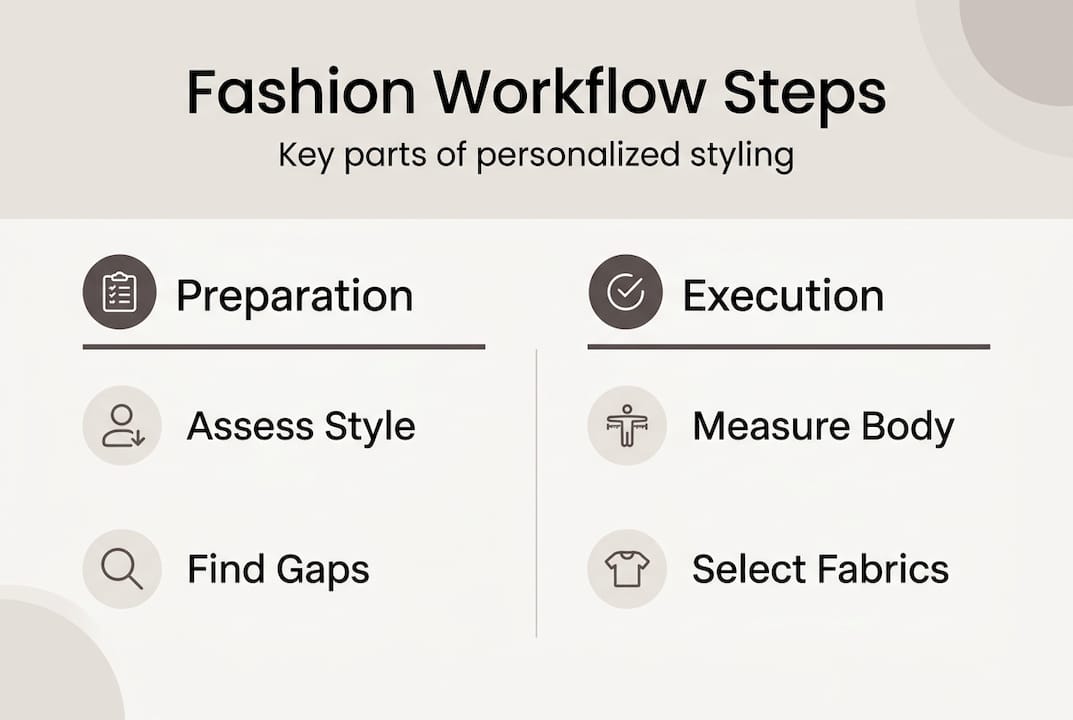
Finding clothes that truly reflect your bold style while honoring sustainability and fitting your body perfectly feels impossible when most brands offer limited sizes and generic designs. A personalized fashion styling workflow changes everything by giving you a clear path to custom pieces that celebrate your individuality, embrace eco-conscious materials, and flatter your unique shape. This guide walks you through preparing your style vision, gathering the right resources, executing your custom wardrobe plan, and refining results so every piece you own makes you feel confident and authentic.
Table of Contents
- Key takeaways
- Understanding your personal style and sustainable fashion needs
- Gathering tools and resources for your styling workflow
- Executing your personalized styling workflow step by step
- Verifying results and refining your styling workflow
- Explore personalized custom fashion collections
- Frequently asked questions about personalized fashion styling workflow
Key Takeaways
| Point | Details |
|---|---|
| Define personal style | Before customizing a garment, clarify what bold style means to you and identify preferred colors, shapes, and patterns so you can target pieces that reflect your identity. |
| Assess sustainability musts | List musts for materials, sourcing, and circular options to guide decisions and ensure alignment with your values. |
| Measure for inclusivity | Take precise body measurements and note asymmetries to choose garments that fit your actual proportions rather than standard sizing. |
| Gather planning tools | Use measurement apps and digital mood boards to collect inspiration and track customization decisions. |
Understanding your personal style and sustainable fashion needs
Before you customize a single garment, you need clarity on what bold style means specifically to you. Some women gravitate toward jewel tones and dramatic silhouettes, while others express confidence through unexpected pattern mixing or minimalist statements in striking cuts. Spend time identifying which colors make you feel powerful, which shapes flatter your proportions, and which patterns spark joy when you see them. Create a digital mood board or physical collage capturing looks that resonate, then analyze common threads like color families, textile textures, or garment structures.
Sustainability priorities vary widely among conscious consumers. You might prioritize eco-friendly materials like organic cotton and high-quality faux fur, or focus on supporting brands with transparent supply chains and fair labor practices. Personalized styling relies heavily on understanding individual preferences and sustainability goals. List your non-negotiables, whether that means zero animal products, locally sourced fabrics, or circular fashion models that accept garment returns for recycling. Knowing these boundaries upfront prevents you from falling for pieces that look perfect but clash with your values.
Body shape assessment goes beyond generic categories like pear or hourglass. Measure yourself accurately at bust, waist, hips, inseam, and arm length, noting any asymmetries or fit preferences like extra room in shoulders or a longer torso. Identify which areas you want to emphasize and which you prefer to balance with strategic cuts and draping. Size inclusivity matters because your body deserves clothes designed for its actual proportions, not squeezed into arbitrary standard sizing that ignores natural diversity.
List current wardrobe gaps by reviewing what you actually wear versus what hangs untouched. Maybe you lack versatile blazers for professional settings, or your casual weekend wear feels uninspired. Focus on pieces that serve multiple occasions and pair easily with existing favorites, building a cohesive collection rather than random statement items. Your lifestyle demands should drive these choices. A parent juggling school runs needs different functionality than someone working from home or attending frequent evening events.
Pro Tip: Photograph yourself in current favorite outfits and analyze why they work. This reveals patterns in fit, color, and style that guide smarter customization choices.
Gathering tools and resources for your styling workflow
Digital tools streamline the entire personalization process. Download a measurement app that uses your phone camera to capture accurate body dimensions, reducing human error from manual tape measures. Create digital style boards on platforms like Pinterest or Canva where you save inspiration images, color palettes, and outfit combinations. These visual references keep your aesthetic consistent when making customization decisions weeks apart. Style quiz tools offered by some fashion brands can reveal preferences you hadn’t articulated, like your tolerance for bold prints or preferred garment lengths.

Sustainable fabric swatches help you make informed material choices beyond pretty product photos. Request physical samples of organic cotton, Tencel, recycled polyester, or quality faux fur so you can feel weight, drape, and texture against your skin. Compare how different fabrics hold color intensity, which matters greatly when customizing bold hues. Build a personal color palette using paint chips or fabric swatches in your most flattering shades, organized by season or occasion. This tangible reference prevents impulse choices that look appealing online but clash with your undertones.
A well-prepared workflow requires specific tools and resources to optimize personalized styling and sustainable choices. Compile brand catalogs focusing on size inclusivity and eco-consciousness, bookmarking companies that offer true customization rather than just monogramming. Create a comparison spreadsheet tracking each brand’s size range, sustainability certifications, customization options, price points, and customer reviews about fit accuracy.
| Tool category | Specific examples | Primary purpose |
|---|---|---|
| Measurement | Body measurement apps, flexible tape, fit preference checklist | Accurate sizing data for custom orders |
| Visual planning | Digital style boards, color palette tools, outfit planning apps | Maintain aesthetic consistency |
| Material research | Fabric swatch collections, sustainability certification guides | Informed eco-conscious material choices |
| Budget management | Spreadsheet templates, cost per wear calculators | Track investment and value |
| Feedback systems | Fit journals, style consultation notes, photo documentation | Continuous improvement data |
Prepare a budget tracker that calculates cost per wear rather than just upfront price. A custom dress costing $300 that you wear 50 times over three years delivers far better value than five $40 fast fashion pieces worn twice each. Include categories for base garments, customization fees, alterations, and accessories. Organize fitting and feedback forms where you document how each piece performs in real life, noting comfort issues, styling versatility, and any adjustments needed for future orders.
- Measurement tools ensuring accuracy across all body dimensions
- Visual planning systems maintaining your aesthetic direction
- Sustainable material references for informed fabric selection
- Budget frameworks calculating true garment value
- Documentation templates tracking fit and satisfaction data
Executing your personalized styling workflow step by step
Start by creating a comprehensive measurement profile that captures more than basic dimensions. Record your measurements at different times of day since bodies fluctuate, and note your preferred ease levels for different garment types. You might want fitted bodices but relaxed sleeves, or structured waistbands with flowing skirts. Include photos of your body from multiple angles in form-fitting clothes, which helps made-to-order designers understand your proportions beyond numbers. Update this profile seasonally as your body changes naturally.
Selecting base garments requires strategic thinking about wardrobe architecture. Choose versatile foundational pieces in sustainable fabrics that anchor multiple outfits, like a perfectly fitted blazer, tailored trousers in your ideal rise and leg width, or a dress silhouette you know flatters your shape. Prioritize quality over quantity, investing in fewer pieces that truly work. Step-by-step guidance helps customers achieve unique, bold personalized fashion with sustainability and inclusivity. Look for brands offering true size inclusivity with detailed size charts and the ability to submit custom measurements rather than choosing from predetermined options.
Customization transforms good garments into perfect ones. Specify your bold color choices using precise names or codes rather than vague descriptions, since “red” encompasses dozens of distinct shades. Select patterns that complement your body proportions, remembering that scale matters. Large prints can overwhelm petite frames while tiny patterns might disappear on taller figures. Customize fit details like sleeve length, hem height, dart placement, and neckline depth to flatter your specific body. Request functional modifications like adding pockets, adjusting closure types, or reinforcing high-stress seams for durability.
- Create detailed measurement profile including photos and fit preferences
- Select versatile base garments in sustainable fabrics and inclusive sizing
- Specify bold color choices using precise color names or codes
- Choose complementary patterns scaled appropriately for your proportions
- Customize fit details including length, darts, necklines, and closures
- Add functional modifications like pockets or reinforced construction
- Coordinate multiple pieces into cohesive outfit combinations
- Review complete order for consistency in style and sustainability goals
- Place order with made-to-measure service confirming all specifications
- Schedule follow-up fitting or adjustment timeline
Coordinating pieces into cohesive outfits prevents a closet full of beautiful items that never work together. Plan combinations before ordering, ensuring your custom pieces share a color story and complement each other’s style intensity. A bold printed dress needs simpler coordinating layers, while neutral base pieces provide canvases for statement accessories. Photograph or sketch planned outfits to visualize how everything works together across different occasions.
Place orders with made-to-measure services after confirming every specification in writing. Review your order summary carefully, checking measurements, colors, fabrics, and customization details match your requests exactly. Ask about the production timeline, alteration policies, and sustainability certifications for materials used. Confirm whether the service offers fitting adjustments and what the process involves if changes are needed.
Pro Tip: Order one test garment in a simpler style before committing to an entire wardrobe from a new made-to-order service. This reveals their fit accuracy and quality standards with lower financial risk.
Verifying results and refining your styling workflow
When your custom pieces arrive, conduct a thorough evaluation beyond just trying them on. Compare the finished garments against your original style vision, checking whether colors match your specifications and fabrics meet expected quality. Examine construction details like seam finishes, button quality, and hem precision, which indicate overall craftsmanship. Try each piece in different lighting conditions since colors can shift dramatically between natural daylight and indoor lighting. Verification ensures personalized fashion meets expectations, encouraging iterative refinement and sustainability commitment.
Comfort and versatility testing happens through actual wear, not just dressing room assessment. Wear each garment for a full day in relevant activities, noting any restriction in movement, uncomfortable pressure points, or temperature regulation issues. Test how pieces perform when sitting, reaching, bending, and moving naturally through your routine. Evaluate whether garments maintain their shape after wearing or develop wrinkles and stretching that compromise the look. Check how easy each piece is to care for according to its fabric requirements, since high-maintenance garments often get worn less regardless of how much you love them.
| Verification aspect | What to evaluate | Red flags indicating refinement needed |
|---|---|---|
| Fit accuracy | Match between measurements provided and finished garment dimensions | Gaps larger than 1 inch, uncomfortable tightness, excess fabric pooling |
| Style alignment | Consistency with original vision and mood board references | Colors feel wrong, silhouette doesn’t flatter, pattern scale overwhelming |
| Comfort level | Wearability during full day of normal activities | Restriction in movement, pressure points, fabric irritation |
| Versatility | Number of outfit combinations possible with existing wardrobe | Piece only works with one outfit, clashes with color palette |
| Sustainability | Material quality, construction durability, care requirements | Fabric feels cheap, seams pulling, excessive pilling, dry clean only |
| Value delivered | Cost per wear potential based on versatility and durability | Rarely reaching for piece, anticipating short lifespan |
Request feedback from trusted style advisors who understand your aesthetic goals and body confidence journey. Share photos of new pieces styled different ways and ask specific questions about proportion, color harmony, and overall impact. Join online communities focused on inclusive fashion and sustainable style where members offer constructive perspectives without judgment. Professional stylists familiar with body diversity can provide insights about subtle adjustments that dramatically improve how garments flatter your shape.
Adjust measurements or style preferences based on real use experience rather than assumptions. If sleeves consistently feel too tight across biceps, increase that measurement for future orders. When certain necklines create unflattering shadows or gaps, note preferred alternatives. Document which colors receive the most compliments and make you feel most confident, then prioritize those shades in future customization. Track which garment styles you actually wear most frequently versus pieces that seemed perfect in theory but rarely leave the closet.
Document lessons learned in a style journal or digital file that informs your next personalized styling cycle. Record successful customization choices like the perfect sleeve length or most flattering waist placement for your body. Note which sustainable fabrics performed best for different garment types and climates. List brands that delivered exceptional fit accuracy and customer service versus those that disappointed. This knowledge base becomes invaluable for streamlining future orders and avoiding repeated mistakes.
- Compare finished garments against original specifications and style vision
- Test comfort and versatility through full-day wear in real activities
- Gather feedback from trusted advisors and inclusive fashion communities
- Adjust measurement and style preferences based on actual experience
- Document successful choices and lessons learned for future cycles
- Refine your workflow process to eliminate friction points
- Build relationships with reliable made-to-order services
Explore personalized custom fashion collections
Your refined personalized styling workflow deserves fashion that matches your bold vision and sustainability values. Prima Dons & Donnas creates made-to-order dresses tailored to your exact measurements in any color you envision, ensuring every piece celebrates your unique proportions. Their custom outerwear collection features statement coats and jackets in size-inclusive patterns with sustainable materials like quality faux fur that align with conscious fashion choices.
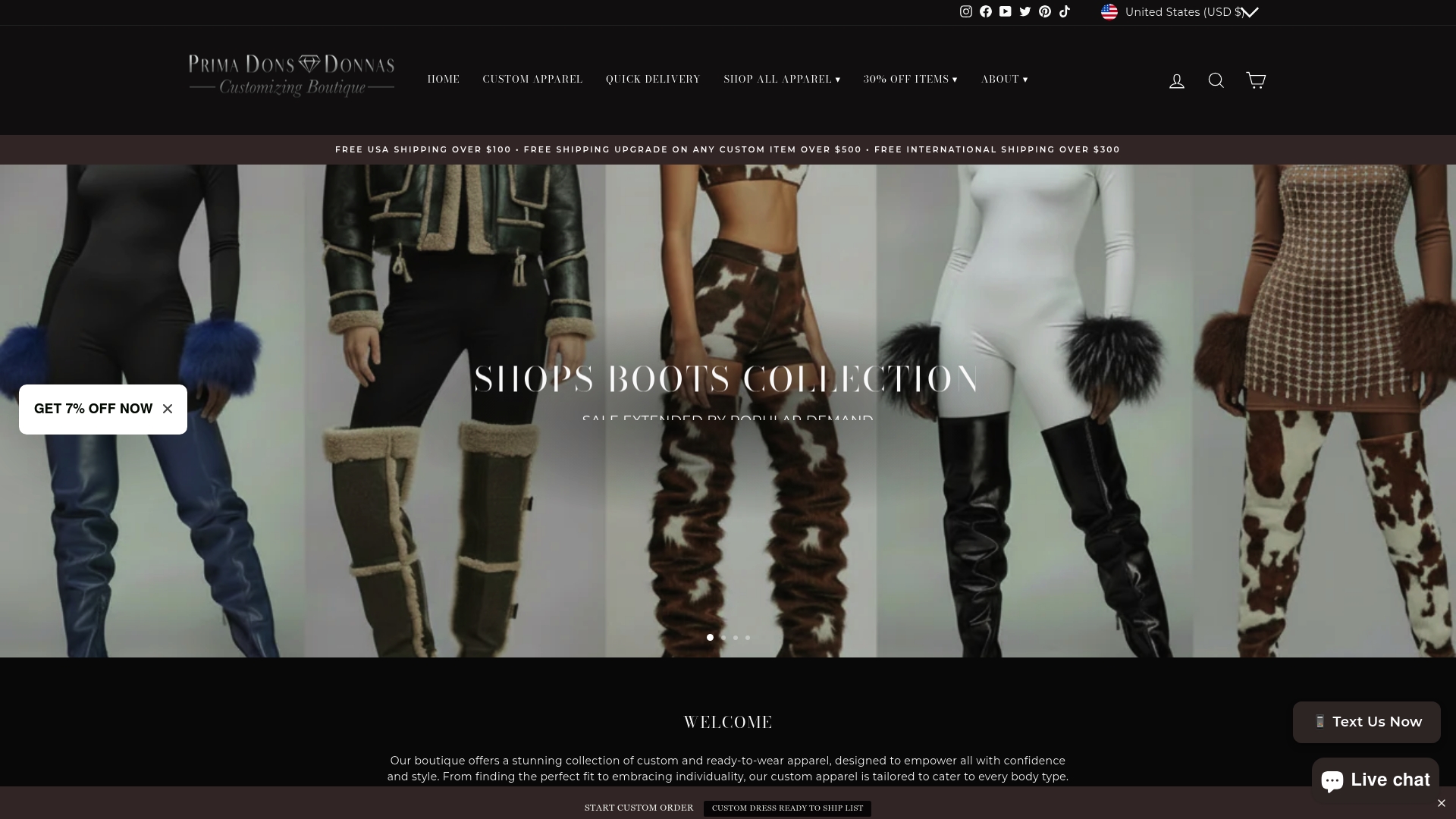
Explore the complete custom and made-order apparel collection where personalization meets bold style across every category. Each piece empowers you to express individuality through intentional design choices that reflect your authentic self. The brand’s commitment to true size inclusivity and customization means your workflow translates directly into wearable confidence. Ready-to-ship options provide quick satisfaction when you need statement pieces immediately, while made-to-order services ensure perfect fit for your most important wardrobe investments.
Frequently asked questions about personalized fashion styling workflow
How long does a complete personalized styling workflow take from start to finish?
The preparation phase typically takes one to two weeks as you assess your style, gather resources, and create your measurement profile. Execution including selection, customization, and ordering usually requires another week, while made-to-order production ranges from two to six weeks depending on garment complexity. Budget at least two months total for your first complete workflow cycle, though subsequent rounds move faster as you refine your process.
Can I follow this workflow on a limited budget?
Absolutely, since personalized fashion focuses on quality over quantity and strategic wardrobe building. Start with one or two foundational pieces that solve your biggest fit or style challenges rather than attempting a complete wardrobe overhaul. Calculate cost per wear to justify higher upfront investment in custom pieces you’ll wear repeatedly. Many made-to-order brands offer payment plans, and building your wardrobe gradually over time spreads costs while maintaining quality standards.
What if my custom garment doesn’t fit perfectly when it arrives?
Reputable made-to-order services include alteration policies or remake guarantees when fit issues result from their production errors versus measurement inaccuracies you provided. Contact the brand immediately with photos and specific fit concerns, measuring the garment against your original specifications. Most companies offer solutions like complimentary alterations, partial refunds, or remakes. This experience provides valuable data for refining measurements in future orders, making each cycle more accurate.
How do I maintain sustainable practices throughout my styling workflow?
Prioritize brands with transparent sustainability certifications and ethical production practices, requesting detailed information about materials and manufacturing. Choose durable, timeless designs over trendy pieces that quickly feel dated, maximizing garment lifespan. Follow step-by-step guidance for sustainable custom clothing that emphasizes quality construction and proper care. Select versatile pieces that work across multiple occasions, reducing total garments needed. Proper garment care extends lifespan significantly, making your sustainable investment worthwhile.
How often should I update my personalized styling workflow?
Review and refine your workflow every six months or after completing three to four custom orders, whichever comes first. Update your measurement profile seasonally since bodies naturally fluctuate with activity levels, age, and lifestyle changes. Reassess your style preferences annually as your aesthetic evolves and confidence grows. The workflow itself becomes more efficient with practice, but continuous refinement ensures it stays aligned with your changing needs and fashion goals.
Recommended
- Master personalized special occasion styling in 2026 – Prima Dons & Donnas
- Complete Workflow for Made-to-Order Fashion Success – Prima Dons & Donnas
- Fashion Personalization: Empowering Your Unique Style – Prima Dons & Donnas
- Custom Clothing Order Workflow for Unique Fashion Success – Prima Dons & Donnas
- Corso Hair Stylist e Portfolio | MUD Studio Italia


Leave a comment