

How clothing sparks confidence and personal expression
TL;DR:
- Fashion empowerment stems from clothing choices that reflect authenticity, fit, and personal meaning, influencing confidence and behavior. It is most effective when the outfit aligns with the wearer’s self-image, comfort, and context, rather than relying solely on boldness or trends. Participating in sustainable and personalized fashion further enhances a sense of agency, fostering genuine empowerment.
Your outfit isn’t just fabric. It’s a signal you send yourself before anyone else notices. Most people assume confidence drives style choices, but research shows the reverse is often true: what you wear can actively shape how you think, how you carry yourself, and how boldly you move through your day. Fashion empowerment isn’t about chasing trends or shrinking yourself into someone else’s aesthetic. It’s about learning to use clothing as a real tool for self-expression and personal strength.
Table of Contents
- Defining fashion empowerment: Beyond trends and appearances
- The science of personal style: Enclothed cognition in practice
- Context matters: Finding empowerment in fit, comfort, and setting
- Empowerment through participation: Personalization and sustainable fashion
- Most guides get fashion empowerment wrong: Comfort, not just boldness, is the real game-changer
- Discover personalized empowerment with Prima Dons & Donnas
- Frequently asked questions
Key Takeaways
| Point | Details |
|---|---|
| Authenticity first | Empowerment in fashion is about aligning your clothing with your true self, not just trends. |
| Fit and context matter | The combination of comfort, fit, and appropriate setting determines real empowerment. |
| Personalization amplifies confidence | Participating in your clothing choices boosts both self-worth and individuality. |
| Sustainable choices empower | Opting for sustainable or co-designed fashion extends empowerment to your values and community. |
Defining fashion empowerment: Beyond trends and appearances
Fashion empowerment gets misunderstood constantly. It’s easy to reduce it to “wearing something bold” or “dressing up for an occasion.” But real fashion empowerment runs deeper than a great outfit photo. It happens when the clothes you choose reflect who you actually are, fit your body well, and give you a sense of agency over how you show up in the world.
Think of it this way. Individual expression in clothing is the starting point, but empowerment is what happens when that expression aligns with your inner world. It’s the moment your outside finally matches your inside.
There’s a psychological concept that explains this well: enclothed cognition. Researchers use this term to describe how clothing can influence the wearer’s mental state and behavior, not just their appearance. In short, what you wear changes how you think and act. As one study puts it, clothing can prime identity and influence how people think, feel, and behave, particularly when symbolic meaning and lived experience are aligned.
This is why fashion empowerment is never just about aesthetics. The key ingredients look something like this:
- Authenticity: Choosing styles that feel genuinely “you,” not borrowed from someone else’s identity
- Alignment: When your self-image, your fit, and the occasion all sync up
- Agency: Actively deciding what you wear, rather than defaulting to “whatever fits”
- Meaning: Attaching personal significance to what you choose, whether that’s cultural, emotional, or symbolic
“Fashion empowerment isn’t about wearing the loudest outfit in the room. It’s about wearing the one that makes you feel most like yourself.”
Understanding why bold fashion empowers also means accepting that bold looks different for everyone. For one person, empowerment is a structured blazer. For another, it’s a flowing dress in a color she’s never dared to wear before. Neither is wrong. Both are powerful when they’re personal.
The science of personal style: Enclothed cognition in practice
So how exactly does clothing rewire your mindset? The concept of enclothed cognition has been studied extensively in behavioral psychology. The idea is that garments carry symbolic meaning, and when you wear them with intention, that meaning transfers to your mental state.
A simple example: wearing a sharp, structured coat doesn’t just make you look authoritative. Research suggests you actually begin to think and behave more assertively when you wear it. You sit differently. You speak differently. You approach challenges differently. The confidence through clothing connection isn’t a myth or a marketing tagline. It’s a documented psychological effect.
But here’s where it gets more nuanced. These effects are strongest when the symbolic meaning of the clothing aligns with your own intentions and lived comfort. A lab coat on a doctor triggers focus and authority. The same coat on someone who finds it uncomfortable or out of character may have no effect at all.
A Springer Nature study found that self-confidence effects of wearing formal attire varied by store image, upscale versus downscale, suggesting situational moderators exist. In plain terms: context shapes whether clothing makes you feel more confident or simply self-conscious. The social environment you’re in matters as much as what you’re wearing.
Here’s a quick overview of how different clothing factors influence empowerment effects:
| Factor | Strong empowerment effect | Weak or reversed effect |
|---|---|---|
| Symbolic meaning | Personally meaningful to you | Generic or trend-driven only |
| Physical fit | Comfortable, well-tailored | Ill-fitting or restrictive |
| Social setting | Appropriate for the occasion | Out of place for the context |
| Self-image alignment | Matches who you feel you are | Conflicts with self-perception |
| Intention | Worn deliberately and confidently | Worn out of obligation or pressure |
Pro Tip: Before getting dressed, ask yourself one question: “Does this feel like me today?” That single check can tell you more about whether an outfit will empower you than any style rule ever could. Curating your style is an ongoing process, not a one-time decision.
Context matters: Finding empowerment in fit, comfort, and setting
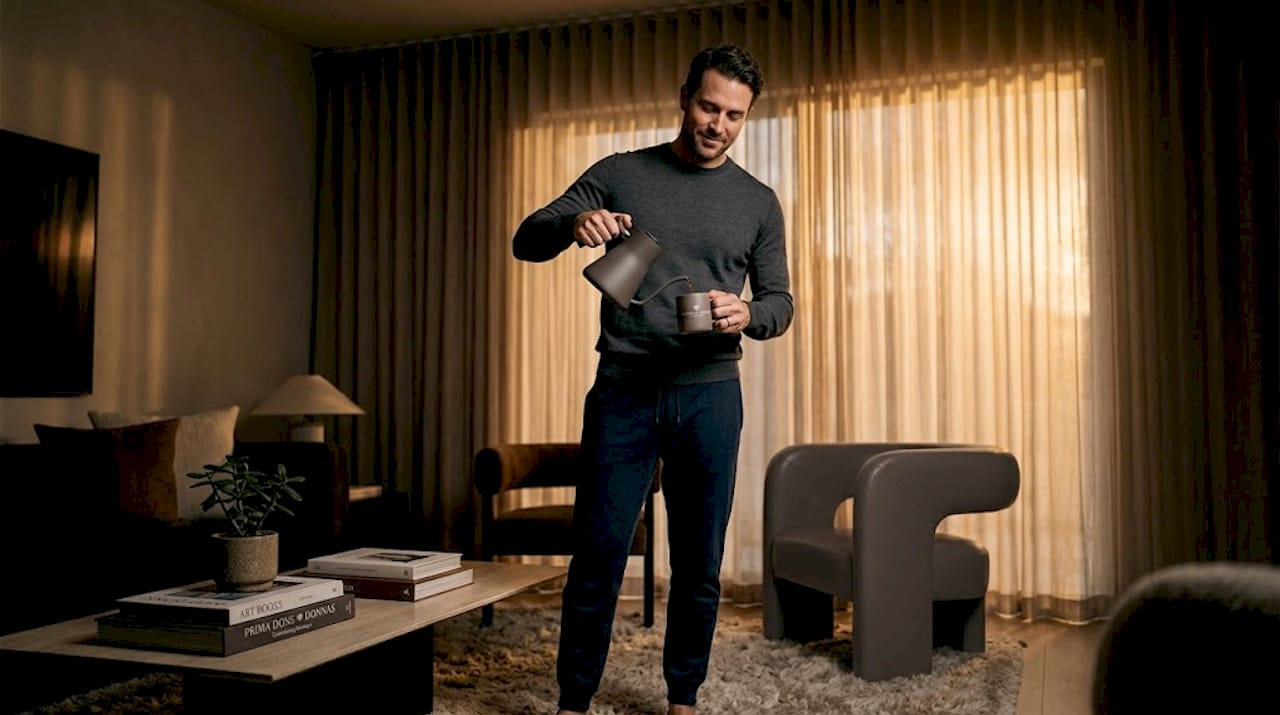
Here’s a common trap. Someone buys a head-turning statement piece. It’s bold, it’s dramatic, it’s everything they admired on someone else. They put it on and feel… nothing. Or worse, they feel anxious and uncomfortable all day.
That’s not a style failure. That’s context mismatch. Empowerment doesn’t follow the outfit. It follows the alignment between the outfit, the wearer, and the moment.
A Springer Nature study confirms this directly: empowerment is not automatically delivered by “expressive” style. Psychological and social benefits depend on context, congruence (fit, comfort, and alignment with self-image), and the specific social setting. In other words, you can wear the most expensive, most statement-making outfit in existence, and it still won’t empower you if it doesn’t fit well or feel right for where you’re going.
Here’s a quick comparison to illustrate:
| Outfit scenario | Likely empowering? | Why |
|---|---|---|
| Well-fitted dress in a color you love, worn to a dinner you’re excited about | Yes | Fit, comfort, setting, and mood all align |
| Trendy outfit that’s too tight, worn to a stressful work presentation | No | Discomfort overrides any symbolic meaning |
| Bold vintage piece you thrifted yourself, worn to a casual gathering | Yes | Personal meaning + comfort + low-pressure setting |
| Formal attire worn reluctantly to a casual event | Often no | Setting mismatch creates self-consciousness |
Understanding why personalized fashion matters is key here. Clothing made or chosen specifically for your body, your taste, and your lifestyle removes many of these friction points from the start.
Use this checklist before committing to an outfit for an important occasion:
- Does it fit my body comfortably? Not “could I squeeze into it,” but genuinely comfortable across the whole day.
- Does it match my self-image right now? Not who you want to be someday, but how you feel today.
- Is it appropriate for the setting? “Appropriate” doesn’t mean boring. It means it won’t create social friction that distracts from your confidence.
- Does it carry personal meaning? A color you love, a silhouette that’s been “yours” for years, or a piece with a story attached.
- Can I move freely in it? Empowerment doesn’t live in outfits that restrict movement or require constant adjustment.
Pro Tip: Fit is the single most underestimated factor in whether clothing empowers or deflates you. Even a modest, simple piece in the right fit will make you feel more pulled together and confident than an expensive item that doesn’t work with your body.
Empowerment through participation: Personalization and sustainable fashion
There’s another layer to fashion empowerment that most style conversations skip entirely: participating in the creation of your clothes.
When you have a say in what gets made, how it’s designed, and what values it reflects, the garment becomes more than fabric. It becomes evidence of your agency. That’s a different kind of confidence than simply buying something off a rack.
Personalized fashion lets you make choices that reflect your exact measurements, preferred colors, and style priorities. The result fits better, feels better, and carries more personal significance. That combination is exactly what research says drives the strongest empowerment effects.
Sustainable fashion adds yet another dimension. When you choose garments made with care for the environment, materials sourced responsibly, and production methods that respect people, you’re not just dressing your body. You’re expressing your values. That alignment between what you believe and what you wear is a deeply empowering experience.
As one framework for co-design and empowerment points out, empowerment in sustainable fashion extends beyond individual confidence to participatory design and shared agency in how garments are made and improved. This shifts fashion from passive consumption to active participation.
Consider what this looks like in practice:
- Made-to-order clothing: You choose the color, the silhouette, and the size. The result is made for you specifically, not adjusted awkwardly from a standard.
- Co-design opportunities: Some brands invite input on upcoming styles, letting customers help shape the collections they’ll eventually wear.
- Sustainable material choices: Opting for high-quality faux fur instead of real fur, or natural fibers over synthetics, lets your wardrobe reflect your ethics.
- Slow fashion principles: Buying fewer, better pieces that you’ve thought carefully about, rather than impulse purchases you’ll rotate out in weeks. Slow fashion principles explain why this approach supports a more intentional relationship with clothing overall.
Did you know? The global sustainable fashion market is projected to reach over $33 billion by 2030. Women are a driving force behind this shift, with growing demand for brands that offer both style and ethical production.
“Choosing sustainable fashion isn’t a compromise. It’s a statement that your style and your values belong in the same outfit.”
Explore sustainable fashion options to see how conscious choices can elevate both your wardrobe and your sense of purpose.
Most guides get fashion empowerment wrong: Comfort, not just boldness, is the real game-changer
Here’s the perspective you won’t find in most style guides: the obsession with “power dressing” and outward boldness is often the wrong starting point.
Scroll through any fashion inspiration platform, and the message is consistent: go bigger, bolder, more dramatic. Wear the statement piece. Command the room. But this advice is incomplete at best, and counterproductive at worst for a lot of women.
The Springer Nature study is clear about one edge case that rarely gets discussed: if the symbolic cue conflicts with comfort or fit, or if the social setting reduces the expected status signaling, the empowerment effect can shrink or reverse. That bold outfit you wore because a style guide told you to? It may have actively worked against your confidence if it didn’t fit your body or your context.
True empowerment in fashion is quieter than most people expect. It’s the dress that fits your body so well you forget you’re wearing it. It’s the color that makes you feel alive. It’s the outfit that matches the version of yourself you feel most aligned with that day, not the most theatrical version, not the most “fashion-forward” version.
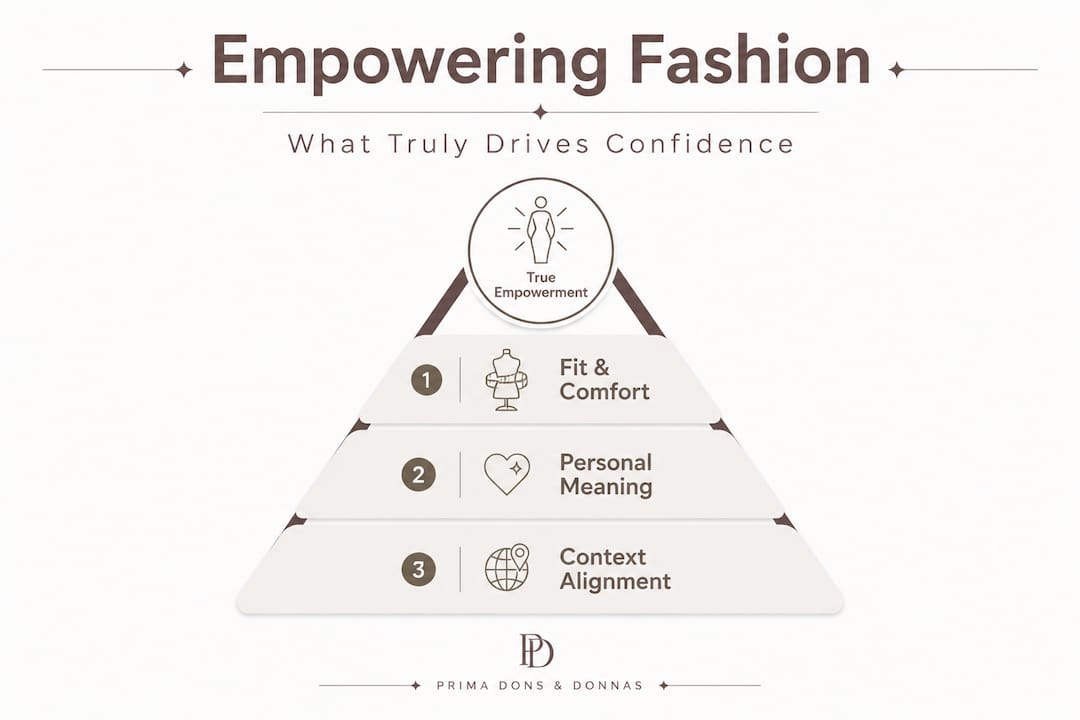
We believe the smartest thing any woman can do is learn to filter out external noise, including ours, and develop her own internal sense of what makes her feel strong, clear, and present. That’s harder than following a trend. It requires self-knowledge. But the payoff is that confidence through clothing becomes consistent, not occasion-dependent.
The goal isn’t to look like you belong in a fashion spread. The goal is to feel like you fully belong in your own life.
Discover personalized empowerment with Prima Dons & Donnas
Now that you understand what actually drives fashion empowerment, fit, comfort, personal meaning, and alignment, the next step is finding pieces built to deliver exactly that.
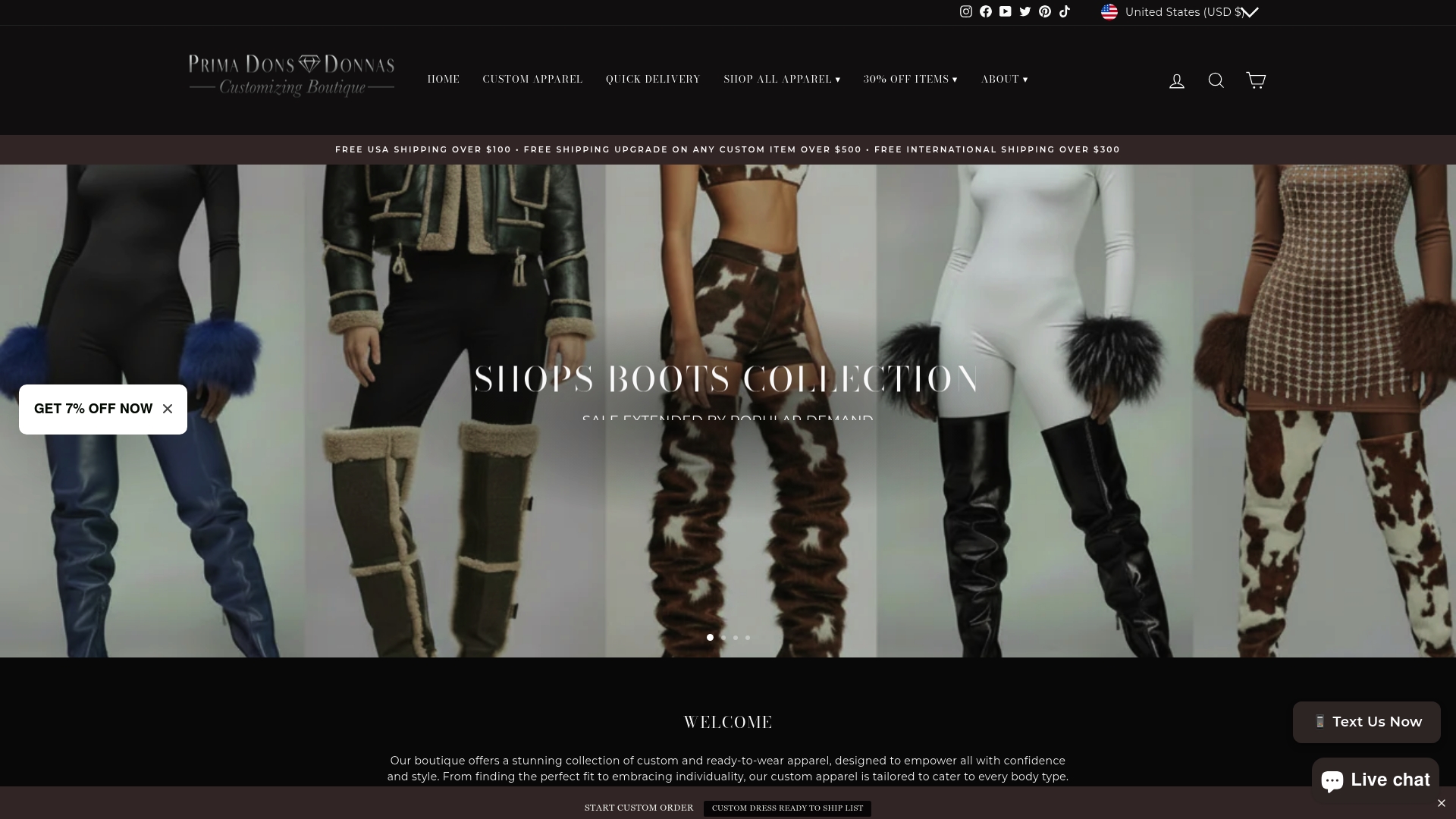
At Prima Dons & Donnas, every piece is made to order for your size, your color choice, and your style vision. No compromising on fit. No settling for “close enough.” Whether you’re looking for custom dresses that move with your body or custom outerwear that makes a real statement, each option is designed with bold style and genuine comfort in mind. Ready-to-ship options are also available for faster delivery. Shop styles made to fit you, built to empower you.
Frequently asked questions
Does fashion empowerment depend on body size or shape?
No. True empowerment comes from fit, comfort, and personal meaning, and empowerment effects depend on congruence with self-image, not size or shape.
Can sustainable fashion really empower women?
Yes. Choosing and even co-designing sustainable garments builds real agency, and empowerment extends to participatory design and shared agency in how garments are made.
Does bold fashion always make you more confident?
Not automatically. The confidence boost depends on comfort and social context, and psychological and social benefits depend on context, fit, and alignment with self-image.
How do I know if a clothing style will empower me?
If the style matches your self-image, fits comfortably, and suits the occasion, it will likely empower you. Empowerment is strongest when symbolic meaning and lived experience are aligned.
Recommended
- Individual Expression in Clothing: Empowering Identity – Prima Dons & Donnas
- Unlock confidence through clothing: bold style guide – Prima Dons & Donnas
- Fashion checklist for confidence: Wear bold styles with purpose – Prima Dons & Donnas
- Express Confidence Through Fashion: Bold, Sustainable Guide – Prima Dons & Donnas


Leave a comment