

How Trend Forecasting Influences Custom Fashion Choices
TL;DR:
- Trend forecasting influences custom fashion by guiding color, silhouette, and fabric choices to create personalized, seasonally relevant pieces. It predicts long-term and short-term trends, enabling designers to produce relevant items that reflect individual style and reduce waste. Consumers can use forecast insights to build a cohesive wardrobe aligned with evolving trends and personal identity.
Most people think trend forecasting is a tool for big retailers pushing mass-market looks. That assumption misses the most powerful application of the practice. Understanding how trend forecasting influences custom fashion reveals something far more personal: it shapes which colors get selected for a made-to-order gown, which silhouettes your bespoke designer proposes for this season, and how a custom piece can feel current and timeless at the same time. This article breaks down what forecasting actually does, how it feeds into personalized design, and how you can use that knowledge to build a wardrobe that reflects who you are.
Table of Contents
- Key takeaways
- How trend forecasting influences custom fashion
- Forecasting’s role in bespoke design
- Seasonal collections and personal style evolution
- The sustainability and economic case
- My honest take on forecasting and custom fashion
- Shop trend-informed custom fashion at Primadonsanddonnas
- FAQ
Key takeaways
| Point | Details |
|---|---|
| Forecasting is not just for mass retail | Trend analysis directly shapes the colors, fabrics, and cuts offered in custom and made-to-order fashion. |
| Timing is the real power move | Forecasts made 12 to 18 months ahead let designers align seasonal collections with what clients actually want. |
| AI accelerates custom responsiveness | Near real-time trend intelligence tools compress seasonal cycles and help custom makers adapt faster. |
| Forecasting reduces waste | Accurate forecasting cuts overproduction and markdowns, making custom fashion a smarter, more sustainable choice. |
| Personal style benefits too | Consumers who understand forecasting can pace their trend adoption, building identity-led wardrobes instead of chasing fads. |
How trend forecasting influences custom fashion
Trend forecasting is the practice of predicting which colors, silhouettes, fabrics, and cultural themes will resonate with consumers in a future season. It is not guesswork. Forecasters blend runway observations, social media signals, street style data, historical sales patterns, and cultural analysis to build a clear picture of where fashion is heading. That picture gets translated into specific design direction months before a single garment is cut.
Trend forecasting happens months or even years upstream to reduce uncertainty and guide product development teams in building relevant assortments. For custom fashion, this timing is critical. A made-to-order designer who commissions fabrics without forecasting data risks building a collection that feels dated by the time a client wears it.
There are two layers worth understanding:
- Macro trends are long-arc shifts that last three to five years. Think the move toward comfort dressing or the rise of elevated loungewear. These inform structural decisions about silhouette and material investment.
- Micro trends are shorter cycles, sometimes only one to two seasons long. These show up in specific print motifs, accessory shapes, or color combinations. Custom fashion benefits from using these selectively rather than wholesale.
The distinction matters because forecast-driven trend narratives translate into specific adoptable design attributes. A bespoke maker does not need to copy a runway look. They can lift one forecasted element, a particular shade of ochre or a draped sleeve proportion, and build a personalized piece around it.
Pro Tip: When consulting a custom designer, ask them directly which macro trends are informing their current collection. That conversation tells you whether they are working from data or just instinct.
AI is changing the speed and depth of forecasting dramatically. Target’s AI tool “Trend Brain” identified popular swimwear patterns in spring 2026 and adjusted production rapidly. That same class of technology is now available to smaller custom fashion brands, letting them flag stronger-performing styles early and make faster, more confident buying decisions.
Forecasting’s role in bespoke design
Here is where the practical application gets specific. Custom makers do not use trend forecasting the same way a department store does. They use it with more surgical precision, selecting granular details that update a client’s signature look without overwriting it.
The process typically works like this:
- Color direction first. Forecasted color palettes arrive well ahead of a season. A custom designer uses these to propose fresh options within a client’s personal color range. You might prefer deep tones, but forecasting tells your designer whether plum or forest green is the more forward choice for fall.
- Silhouette calibration. Forecasting identifies whether proportions are shifting toward oversized volume or lean tailoring. A skilled custom maker uses this to suggest adjustments to your standard fit template rather than starting from scratch.
- Fabric and texture selection. Forecasting tracks which textures and weaves are gaining traction. Boucle, satin, or structured knits each carry different trend weight in different seasons. Choosing the right one ensures your custom piece photographs well and holds relevance.
- Detailing decisions. Buttons, collars, cuffs, and embellishments cycle through trend visibility. Custom makers translate forecast granularity into repeatable client templates that preserve fit while updating these smaller trend attributes efficiently.
The result is a garment that feels unmistakably you but sits squarely in the current fashion moment. That is the core value proposition of combining forecasting with custom work.
Pro Tip: Ask your custom designer for their seasonal color forecast before your next fitting appointment. Bringing that data into the conversation helps you make faster decisions and get a piece that stays relevant longer.
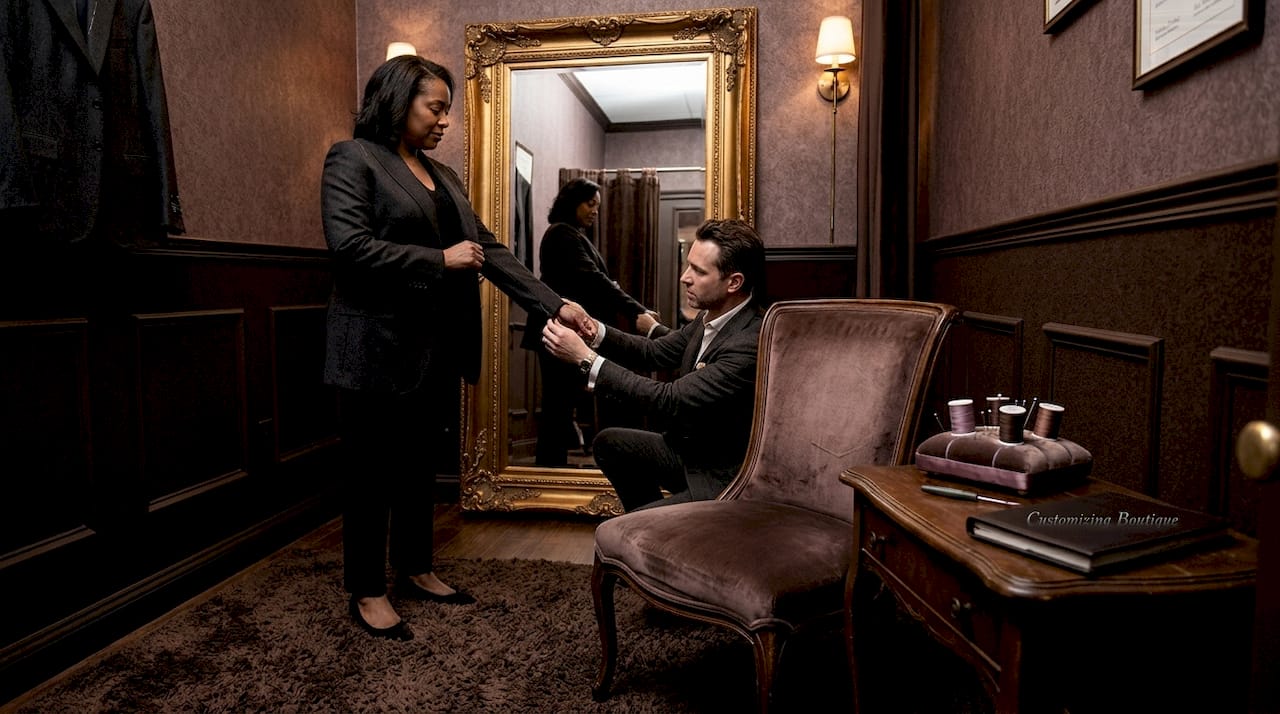
Generative tech is reshaping forecasting from static seasonal reports into continuously updating systems. For custom fashion clients, this means your designer can adapt closer to your actual delivery date rather than locking in decisions based on data that is already six months old.
Seasonal collections and personal style evolution
One of the most underused applications of forecasting intelligence is personal wardrobe planning. Most shoppers either ignore trends entirely or chase them reactively, buying whatever is on the rack right now. Forecasting gives you a third option: intentional, paced style evolution.
AI trend intelligence tracks trend adoption 12 to 18 months ahead, which means brands identify whether a trend is accelerating or starting to plateau before committing production volumes. You can apply the same logic personally. If a print or silhouette has already peaked, buying into it now means wearing something that will feel dated within one season.
Consider what forecasting reveals about the role of trend forecasting in womenswear right now. Fall and winter 2026 are bringing identity-led style to the forefront, with women seeking staples that evolve gradually and reflect personal history rather than chasing season-to-season reinvention. That is a meaningful shift. It validates building a custom wardrobe around pieces that carry cultural or personal resonance and update incrementally.
Forecasting today references cultural and historical prints refined by designers to support identity-led adoption rather than literal runway copying. This framing matters for anyone building a personalized fashion wardrobe because it means the most sophisticated choice is often the most personal one.
Seasonal forecasting also helps you think about special occasion dressing more strategically. For a party event, a concert, or a wedding, knowing which silhouettes are forecast-forward means your custom gown or statement outfit will photograph beautifully and feel current for years. A well-forecasted, well-fitted piece becomes an heirloom, not an impulse buy you regret by the following spring.
Forecasting also supports plus-size custom fashion in a direct way. When designers work from accurate forecast data, they develop silhouettes and proportions across all size ranges from the beginning of the design process rather than scaling up as an afterthought. That is a concrete benefit of trends in custom fashion being driven by real demand signals rather than assumption.
The sustainability and economic case
The impact of trend forecasting on sustainability is one of the most compelling reasons to care about it as a consumer. When forecasting fails, the consequences are tangible. Incorrect forecasting causes excess inventory that ends up in landfills, weakens brand reputation, and drives the kind of deep discounting that erodes quality across the industry.
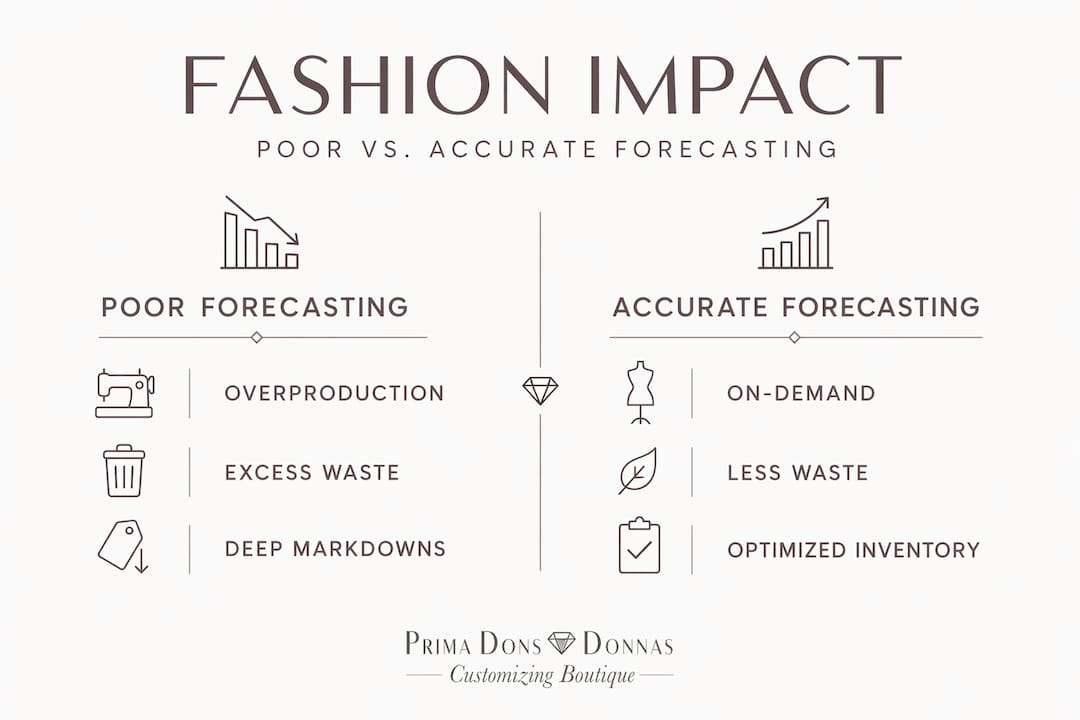
Here is a direct comparison of what forecasting accuracy means in practice:
| Scenario | Poor forecasting | Accurate forecasting |
|---|---|---|
| Production volume | Overproduced, excess stock | Leaner runs matched to demand |
| Markdowns | Frequent, deep discounts | Rare, minimal price reductions |
| Environmental impact | High waste, unsold fabric | Reduced waste, targeted materials use |
| Customer loyalty | Weakened by inconsistency | Strengthened by relevance and quality |
| Custom fashion fit | Reactive, trend-chasing | Proactive, identity-aligned |
For made-to-order brands, this equation is even cleaner. Every piece is built on demand, which means forecasting functions as a design guide rather than an inventory management tool. The risk of overproduction is already reduced by the custom model itself. Add accurate trend forecasting, and you get pieces that are relevant, well-made, and built to last.
Forecasting operationalizes early signal detection linked to markdown optimization, reducing waste and aligning custom fashion supply more responsively to actual client demand. That means better pieces for you and a healthier business model for the brands you buy from. Both outcomes are worth supporting.
My honest take on forecasting and custom fashion
I’ve spent years watching clients wrestle with this. They come in wanting something that feels fresh but uniquely theirs, and the biggest obstacle is usually not budget or fit. It’s confidence. They don’t know whether their instincts are aligned with where fashion is actually heading, and that uncertainty makes them play it safe.
What I’ve learned is that forecasting data removes that uncertainty without removing individuality. When I share seasonal color direction or silhouette data with a client, it doesn’t box them in. It gives them a framework to make bolder choices with conviction. The woman who would have chosen black again instead picks deep burgundy with a structural shoulder because she knows that choice is both personally right and seasonally strong.
I’ve also seen what happens when forecasting gets ignored. Pieces that felt exciting at fitting feel tired six months later. Not because the client’s taste was wrong, but because they were buying the tail end of a trend rather than the beginning of one. Timing intelligence is the forecasting skill that most directly protects your wardrobe investment.
The challenge I see in bespoke work is that not every custom maker integrates forecasting formally. Some rely on instinct and runway observation, which works until it doesn’t. My advice: ask your custom designer what data sources inform their seasonal collections. If the answer is vague, that’s information worth having.
— Latoya
Shop trend-informed custom fashion at Primadonsanddonnas
Primadonsanddonnas builds every piece from trend forecasting insights combined with your exact measurements, size, and color preferences. No guesswork. No generic sizing. Just pieces that fit your body and the moment.
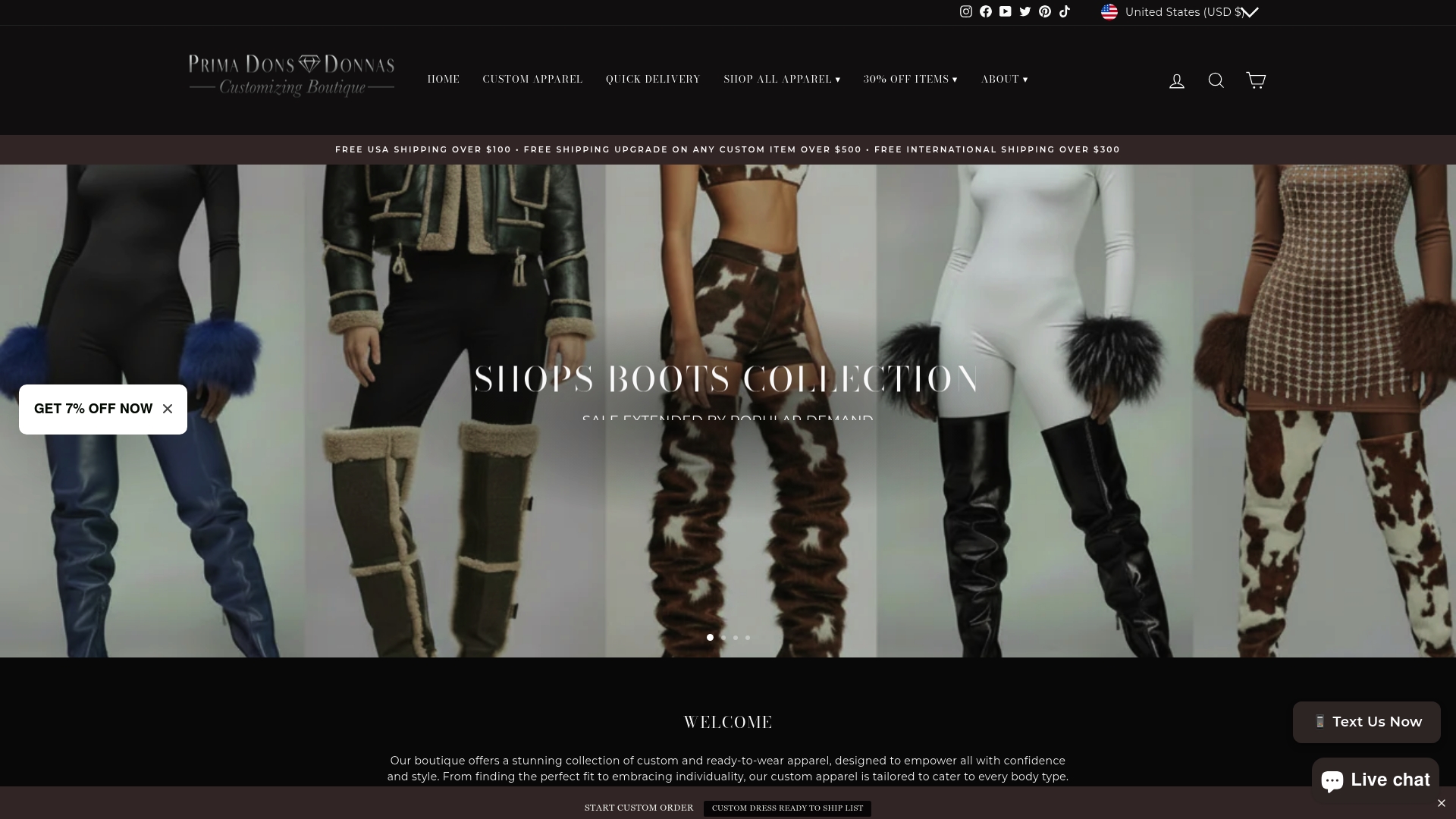
Explore the made-to-order dress collection for party events, weddings, concerts, and lunch dates, all available in plus sizes. Shop faux fur and leather coats crafted from ethical materials and designed with seasonal forecast direction built in. Need shoes to match? The custom shoes collection covers bold, personalized footwear for every occasion. Ready-to-ship options are also available for faster delivery. Every piece is made to order, built to last, and designed to reflect you.
FAQ
What does trend forecasting actually do for custom fashion?
Trend forecasting gives custom designers specific direction on colors, silhouettes, fabrics, and detailing ahead of each season. This lets them create personalized pieces that feel current without copying runway looks directly.
How far ahead do fashion forecasters predict trends?
Forecasting typically happens 12 to 18 months before a trend reaches consumers, giving designers time to source materials and build collections aligned with actual demand.
Does trend forecasting work for plus-size custom fashion?
Yes. When designers use real demand signals from forecasting data, they develop proportions and silhouettes across all sizes from the start rather than as an afterthought, producing better results for every client.
How does forecasting help reduce fashion waste?
Accurate forecasting reduces overproduction, excess inventory, and deep markdowns. For made-to-order brands, combining a custom model with forecast-driven design nearly eliminates unsold waste entirely.
Can I use trend forecasting to plan my own wardrobe?
Absolutely. Understanding which trends are accelerating versus peaking helps you time purchases better, invest in pieces with longer relevance, and build a wardrobe that reflects personal style rather than reactive shopping.
Recommended
- Trends in Custom Fashion 2026: Bold Style and Personalization – Prima Dons & Donnas
- Custom Fashion and Self-Expression: Why It Matters – Prima Dons & Donnas
- Unlock key advantages of personalized fashion in 2026 – Prima Dons & Donnas
- Guide to expressing style with custom fashion in 2026 – Prima Dons & Donnas


Leave a comment