

Guide to expressing style with custom fashion in 2026
Most women struggle to find clothing that fits their body perfectly while reflecting their bold, unique style. Off-the-rack options rarely deliver the exclusivity and personalization fashion-forward individuals crave. Custom fashion solves this by offering tailored pieces that combine perfect fit, sustainable materials, and distinctive design elements that make your wardrobe truly yours.
Table of Contents
- Prerequisites: What You Need Before Starting Custom Fashion
- Choosing Sustainable Materials For A Conscious Wardrobe
- Step-By-Step Custom Fashion Process: From Concept To Creation
- Balancing Bold Style With Wearability And Comfort
- Common Mistakes In Custom Fashion And How To Avoid Them
- Expected Timelines, Costs, And Measuring Success
- Ensuring Exclusivity: Making Your Wardrobe Truly Yours
- Explore Unique Custom Fashion Offerings At Prima Dons & Donnas
- Frequently Asked Questions
Key takeaways
| Point | Details |
|---|---|
| Preparation drives success | Accurate measurements and clear style goals increase fit satisfaction by over 80%. |
| Sustainable luxury is possible | Eco-conscious fabrics like organic cotton and faux fur deliver luxury aesthetics without environmental guilt. |
| Process clarity matters | Following a structured workflow from consultation to final fitting ensures on-time, on-budget delivery. |
| Avoid common pitfalls | Inaccurate measurements cause 30% of issues; clear communication prevents style mismatches. |
| Exclusivity requires intention | Designer collaboration and limited replicas create truly unique pieces that stand out. |
Prerequisites: what you need before starting custom fashion
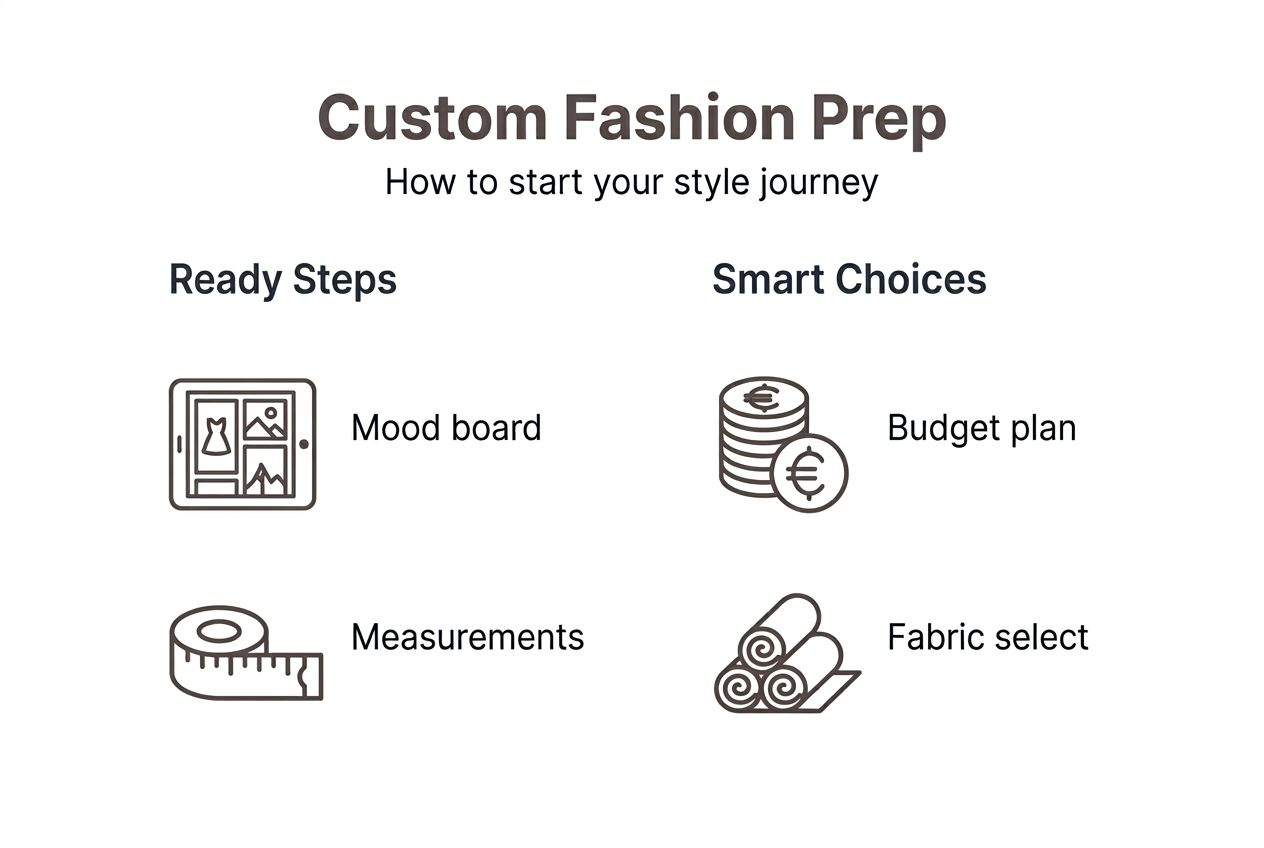
Before placing your first custom order, you need a solid foundation. Success starts with understanding your personal style boundaries and goals. Are you drawn to dramatic silhouettes, bold colors, or subtle luxury details? Clarify these preferences before consulting with designers.
Next, obtain precise body measurements. Professional tailors provide the most accurate results, but validated self-measurement guides work well if you follow instructions carefully. Small errors multiply during production, so double-check every number.
Familiarize yourself with sustainable fabric options. Research how organic cotton, bamboo, recycled polyester, and faux fur alternatives perform in different climates and uses. Understanding fabric characteristics helps you make informed choices that align with your values and lifestyle needs.
Budget realistically for both cost and time. Custom pieces typically cost two to three times more than ready-to-wear alternatives, but they deliver superior fit and longevity. Production timelines range from four to eight weeks, so plan purchases around your schedule.
Pro Tip: Create a digital mood board with 10 to 15 images representing your ideal style before your consultation. This visual reference helps designers understand your vision faster and more accurately than verbal descriptions alone.
| Preparation Element | Why It Matters | Time Investment |
|---|---|---|
| Style clarification | Prevents miscommunication and revisions | 2-3 hours |
| Professional measurements | Ensures optimal fit and reduces alterations | 30-60 minutes |
| Fabric research | Aligns choices with sustainability goals | 1-2 hours |
| Budget planning | Prevents financial stress and rushed decisions | 1 hour |
Consider how each custom piece fits into your existing wardrobe. Custom fashion works best when integrated thoughtfully rather than purchased impulsively. Review your current pieces and identify gaps where custom items add genuine value.
Choosing sustainable materials for a conscious wardrobe
Sustainable materials reduce environmental impact while maintaining the luxury aesthetics custom fashion demands. Understanding your fabric options empowers you to make choices that reflect both your style and values.
Organic cotton offers breathability and softness without pesticide use. It works beautifully for everyday pieces like blouses and casual dresses. Bamboo fabric provides natural moisture-wicking properties and a silky texture ideal for warm climates. Recycled polyester delivers durability and wrinkle resistance while diverting plastic waste from landfills.
Faux fur alternatives have evolved dramatically, now offering realistic texture and visual appeal without ethical concerns. These synthetic options allow bold statement pieces like jackets and trim details that showcase personality while supporting animal welfare.
Look for certified sustainable fabrics backed by recognized environmental standards. GOTS certification for organic textiles and OEKO-TEX standards for chemical safety provide third-party verification of eco-friendly claims. These certifications help you avoid greenwashing and ensure your choices genuinely support sustainability.
- Organic cotton: soft, breathable, pesticide-free production
- Bamboo: moisture-wicking, antimicrobial, renewable resource
- Recycled polyester: durable, wrinkle-resistant, diverts plastic waste
- Faux fur: cruelty-free, realistic texture, statement-making appeal
- Linen: biodegradable, low-water cultivation, natural elegance
Balance luxury appearance with practical care needs. Some sustainable fabrics require gentle washing or air drying to maintain quality. Factor these maintenance requirements into your lifestyle before committing to specific materials.
Durability directly impacts sustainability. A garment worn for years creates less environmental impact than multiple cheaper replacements. Prioritize quality construction and timeless design over trendy details that quickly feel dated.
Step-by-step custom fashion process: from concept to creation
The custom clothing workflow transforms your vision into reality through structured stages. Following this process ensures quality results and prevents costly mistakes.
-
Initial consultation: Discuss style goals, sustainability priorities, and budget parameters with your designer. Share your mood board and explain how you plan to wear the piece. This conversation establishes expectations and timelines.
-
Measurement verification: Submit professional measurements or schedule a fitting session. Designers often request multiple measurement sets to confirm accuracy. This step prevents fit issues that require expensive alterations.
-
Material selection: Review fabric swatches and discuss how each option performs. Consider care requirements, seasonal appropriateness, and how materials complement your existing wardrobe. Lock in choices before design work begins.
-
Design approval: Review sketches or digital mockups showing garment details. Confirm colors, embellishments, and construction methods. Request modifications now rather than after production starts.
-
Prototype review: Examine the muslin or first sample if your designer offers this service. Try it on and note any adjustments needed for fit or design elements. Clear feedback at this stage saves time and money.
-
Final production: Your garment moves into final construction using approved materials and specifications. Stay available for questions that may arise during this phase.
-
Final fitting: Try on the completed piece and assess fit, finish quality, and overall satisfaction. Communicate any minor adjustments needed immediately.
-
Care guidance: Receive detailed instructions for cleaning and maintaining your custom piece. Following these guidelines extends garment life significantly.
Pro Tip: Schedule your initial consultation at least 10 weeks before you need the finished piece. This buffer accommodates unexpected delays and prevents rushed decisions that compromise quality.
| Process Stage | Typical Duration | Your Action Required |
|---|---|---|
| Consultation | 1-2 hours | Share vision and preferences |
| Measurements | 30-60 minutes | Provide accurate measurements |
| Design approval | 3-5 days | Review and confirm specifications |
| Production | 3-6 weeks | Stay available for questions |
| Final fitting | 30 minutes | Test fit and request adjustments |
Maintain open communication throughout the process. Quick responses to designer questions prevent delays and ensure your vision translates accurately into the finished garment.
Balancing bold style with wearability and comfort
Bold, confident looks work best when they enhance rather than hinder your daily life. Strategic design choices let you express personality while maintaining comfort for extended wear.
Incorporate statement elements selectively rather than overwhelming every design aspect. A dramatic collar or striking color makes impact without sacrificing wearability. Pair these bold pieces with neutral wardrobe staples to create balanced, versatile outfits.
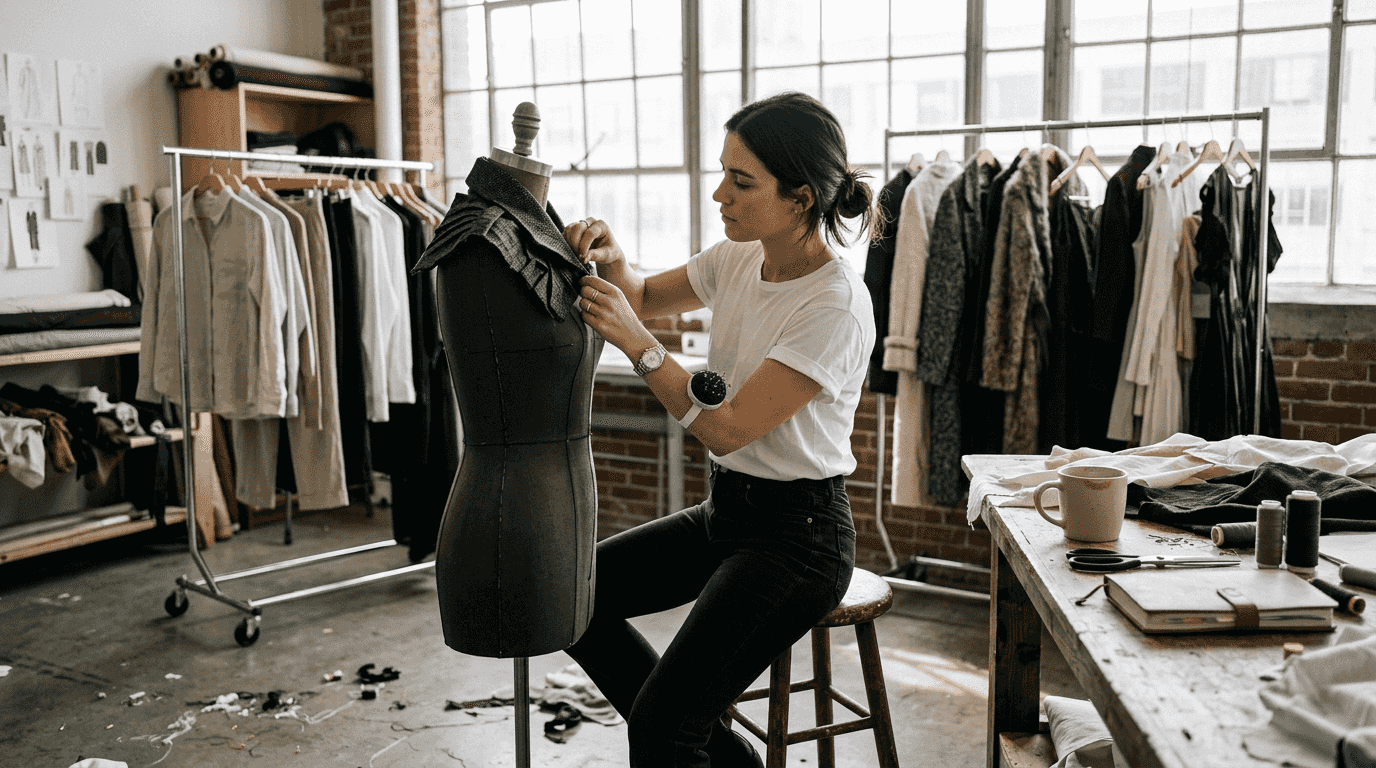
Fabric selection directly affects comfort. Natural fibers like cotton and linen breathe better than synthetics for warm climates. Stretchy blends accommodate movement for active lifestyles. Consider when and where you’ll wear each piece, then choose materials accordingly.
Fit determines whether bold pieces feel empowering or restrictive. Custom tailoring should enhance your natural shape without binding or pulling. Communicate honestly about your comfort preferences during fittings. A stunning garment you never wear because it’s uncomfortable wastes money and resources.
Pro Tip: Test bold design elements on a single accent piece before committing to an entire outfit. A statement jacket or embellished shoes lets you experiment with daring style while keeping the rest of your look grounded.
- Start with one bold element per outfit and build gradually
- Choose breathable fabrics for pieces worn close to skin
- Ensure proper fit at shoulders, waist, and hips for all-day comfort
- Consider garment weight for your climate and activity level
- Request adjustable features like waist ties or removable accents
Adjust boldness levels for different occasions. What works for weekend social events may feel excessive for professional settings. Custom fashion lets you create pieces appropriate for specific contexts while maintaining your signature style.
Common mistakes in custom fashion and how to avoid them
Understanding frequent pitfalls helps you navigate the custom fashion process smoothly. Most issues stem from preventable communication gaps or unrealistic expectations.
Measurement errors top the list of problems. Using outdated measurements or measuring over bulky clothing creates fit issues requiring costly alterations. Always measure in form-fitting undergarments and update measurements if your body changes between ordering and delivery.
Vague style instructions lead to disappointing results. Saying you want something “elegant” or “edgy” means different things to different people. Provide specific references showing exactly what you envision. Visual examples eliminate ambiguity.
Ignoring fabric care requirements shortens garment lifespan dramatically. Dry-clean-only pieces require regular professional maintenance. Hand-wash items demand time and attention. Choose care levels matching your actual habits, not your aspirational ones.
Unrealistic timeline expectations create frustration. Custom production cannot be rushed without quality compromises. Plan purchases well in advance of events or seasonal needs. Last-minute orders often disappoint.
- Use professional measurement services or validated self-measurement guides
- Create detailed mood boards with 10 to 15 reference images
- Ask about care requirements before finalizing material choices
- Build 10 to 12 week timelines for complex pieces
- Limit bold elements to 2 or 3 per garment for cohesive style
| Mistake | Impact | Prevention Strategy |
|---|---|---|
| Inaccurate measurements | Poor fit requiring alterations | Professional measurement or validated guides |
| Unclear style preferences | Garment doesn’t match vision | Detailed mood boards and reference images |
| Ignoring care needs | Premature wear and damage | Discuss maintenance before material selection |
| Rushed timelines | Compromised quality or delays | Plan 10 to 12 weeks ahead for complex orders |
| Excessive bold elements | Unwearable or costume-like result | Limit to 2 or 3 statement features per piece |
Budget conservatively and add a 15% to 20% buffer for unexpected adjustments or material upgrades. Custom fashion often reveals opportunities for improvements once you see initial samples. Financial flexibility lets you make these enhancements without stress.
Expected timelines, costs, and measuring success
Setting realistic expectations prevents disappointment and helps you evaluate whether custom fashion delivers value for your investment. Understanding typical parameters guides better planning.
Production cycles range from four to eight weeks depending on garment complexity and designer workload. Simple pieces like basic dresses complete faster than intricate evening wear with extensive embellishment. Factor in consultation time and potential revision rounds when planning.
Custom pieces cost two to three times more than comparable ready-to-wear items. This premium pays for perfect fit, exclusive design, quality construction, and personalized service. Calculate cost per wear over the garment’s expected lifespan to assess true value.
Measure success across multiple dimensions beyond initial excitement. Perfect fit means comfortable wear without adjustments or alterations. Style satisfaction persists beyond the first few wears when you genuinely love the piece. Quality construction shows in details like even stitching, secure closures, and durable finishes.
- Typical timeline: 4 to 8 weeks from consultation to delivery
- Cost premium: 2 to 3 times ready-to-wear pricing for comparable items
- Fit accuracy: Should require zero alterations if measurements were correct
- Longevity: Quality custom pieces last 3 to 5 years with proper care
- On-time delivery: Professional designers meet agreed deadlines 90% of the time
Monitor garment performance after initial wears. Check seams, closures, and fabric condition after cleaning to gauge construction quality. Well-made custom pieces maintain appearance and fit through dozens of wears and cleanings.
Verify sustainability claims by requesting fabric certifications. GOTS, OEKO-TEX, and similar standards provide independent verification of eco-friendly sourcing. Transparency about material origins indicates designer commitment to genuine sustainability.
Ensuring exclusivity: making your wardrobe truly yours
True exclusivity requires intentional choices that differentiate your wardrobe from mass-market offerings. Personalization defines unique style through strategic design decisions.
Limit replica numbers for each design. Request that designers produce only one or two versions of your custom piece. This restriction ensures you won’t encounter someone wearing an identical garment at events or gatherings.
Develop a signature color palette unique to your preferences. Rather than following seasonal trend colors, choose shades that complement your skin tone and personal brand. Custom fashion lets you access any color imaginable, so skip the predictable options everyone else wears.
Collaborate directly with designers throughout the creation process. This partnership ensures your vision translates accurately into the finished piece. Designers bring technical expertise while you provide personal insight about your style and needs.
- Request limited production runs of 1 to 2 pieces per design
- Create a signature color palette of 5 to 7 shades unique to you
- Add personalized details like monograms or custom closures
- Avoid mass-market influences by focusing on timeless rather than trendy elements
- Co-create with designers who understand and respect your aesthetic
Personalized details elevate exclusivity without dramatic cost increases. Custom buttons, unique closure placements, or distinctive pocket shapes make pieces recognizably yours. These subtle touches create cohesive wardrobe identity across multiple garments.
Focus on quality over quantity. Three perfectly executed custom pieces provide more style value than ten mediocre ones. Invest in foundational items you’ll wear repeatedly rather than occasion-specific novelties with limited use.
Explore unique custom fashion offerings at Prima Dons & Donnas
Ready to start building your personalized wardrobe? Prima Dons & Donnas creates exclusive custom fashion that matches your bold style and sustainability values.
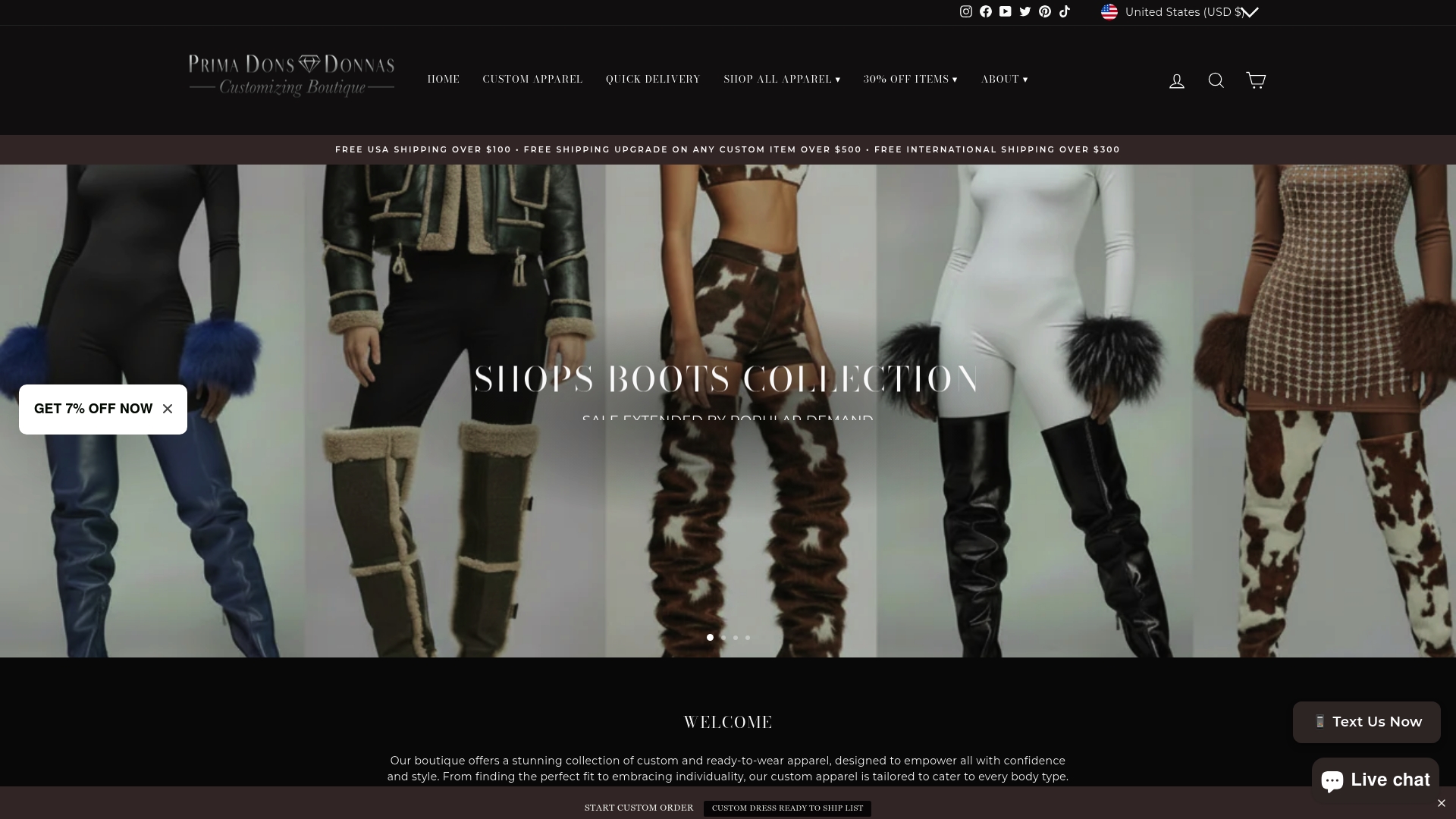
Explore motor sport boots in any color or size, custom embellished shoes featuring your choice of crystal details, or luxury faux fur jackets crafted from sustainable materials. Each piece combines perfect fit with distinctive design elements that make your wardrobe truly yours. Collaborate with experienced designers who understand how to balance bold expression with everyday wearability, creating pieces you’ll treasure for years.
Frequently asked questions
What is the typical timeline for custom fashion orders?
Most custom fashion orders take between four to eight weeks from initial consultation to final delivery. Complex pieces with extensive embellishment or multiple fittings require longer timelines. Planning 10 to 12 weeks ahead ensures you receive your garment on time without rushing production.
How can I ensure my custom garment fits perfectly?
Use professional tailors or validated self-measurement guides to obtain accurate body measurements. Attend all scheduled fittings and communicate adjustment needs immediately. Double-check measurements before submitting them, as small errors multiply during production and create fit issues requiring alterations.
What sustainable fabrics are best for custom clothing?
Popular sustainable fabrics include organic cotton, bamboo, recycled polyester, and high-quality faux fur alternatives. These options reduce environmental impact while offering luxury feel and durability. Look for GOTS or OEKO-TEX certifications verifying eco-friendly sourcing and chemical safety.
How do I balance bold style with comfort in custom pieces?
Mix bold accents like dramatic colors or striking textures with neutral wardrobe staples for balanced, versatile outfits. Choose breathable fabrics and ensure proper fit at shoulders, waist, and hips for all-day comfort. Start with one statement element per garment and add gradually as you build confidence in your personal style.
Recommended
- Trends in Custom Fashion 2026: Bold Style and Personalization – Prima Dons & Donnas
- Fashion Individuality Explained: Making Style Personal – Prima Dons & Donnas
- How to Style Custom Clothing for Unique, Confident Looks – Prima Dons & Donnas
- Spring 2026 Plus Size Fashion Trends | Prima Dons – Prima Dons & Donnas


Leave a comment