

Inclusive Fashion: Empowering Every Body and Style
Shopping for clothes shouldn’t be a constant search for styles that feel true to you, only to end up disappointed by limited options and narrow beauty standards. The fashion industry’s history of exclusion leaves many women feeling invisible, but inclusive fashion offers a real alternative. With bold designs, custom fits, and diverse representation, truly inclusive fashion celebrates individuality and empowers all women to find pieces that reflect their unique style. Discover how this movement transforms fashion into a space where every body belongs.
Table of Contents
- What Inclusive Fashion Really Means
- Types of Inclusive Fashion Design Approaches
- Key Features of Truly Inclusive Fashion
- Sustainability and Ethics in Inclusive Fashion
- Common Challenges and How Brands Address Them
Key Takeaways
| Point | Details |
|---|---|
| Inclusive Fashion Redefines Standards | True inclusivity in fashion encompasses diverse body types, ages, and identities, challenging narrow beauty norms. |
| Multiple Design Approaches | Brands must combine strategies like size diversity, gender fluidity, and adaptive designs to meet various needs effectively. |
| Authentic Representation Matters | Genuinely inclusive fashion features diversity in marketing and design teams, showing that everyone belongs in fashion. |
| Sustainability and Ethics Are Crucial | Inclusive fashion should not compromise ethical practices, ensuring fair labor and environmentally responsible production. |
What Inclusive Fashion Really Means
Inclusive fashion isn’t just a buzzword or marketing trend. It’s a fundamental shift in how the industry thinks about design, representation, and who gets to feel welcomed in fashion spaces. At its core, inclusive fashion means designing and marketing clothing accessible and representative of diverse populations, including different body sizes, ages, races, ethnicities, gender identities, and abilities. This goes far beyond adding a few extended sizes to a collection. Real inclusivity challenges the narrow beauty standards that have dominated fashion for decades, replacing them with genuine representation that reflects the actual diversity of the people wearing these clothes.
Think about what you’ve experienced in traditional fashion retail. You walk into a store, and the clothing options immediately tell you a story about who the brand believes deserves to look good. If you don’t fit the predetermined mold, you’re left searching elsewhere or, worse, concluding that fashion simply isn’t for you. This exclusion isn’t accidental. The fashion industry has historically built its entire structure around specific body types, age ranges, and presentations. Inclusive fashion challenges these narrow beauty standards by promoting diverse representation across body types, ages, racial and ethnic identities, gender expressions, and disabilities, demanding that designers and brands actively rethink who they’re creating for. The goal is clear: dismantle exclusionary norms and create a sense of belonging for all consumers, not just a select few.
What makes this meaningful is that inclusivity operates on multiple levels. It means expanding size ranges so your fit preferences are actually available. It means featuring models of different ages, skin tones, body shapes, and abilities in campaigns so you see yourself reflected in how the brand presents its vision. It means designing adaptive clothing that functions beautifully for people with disabilities, not as an afterthought but as a core design consideration. Inclusive fashion recognizes that representation matters because it sends a powerful message: you belong here, your style matters, and fashion is for your body exactly as it is. Brands like Prima Dons and Donnas understand this deeply, offering custom clothing services that celebrate individuality across every body type and style preference, proving that personalization and inclusivity work hand in hand to create truly empowering fashion experiences.
Pro tip: When shopping, look for brands that show diversity not just in their size ranges but in their marketing imagery and design philosophy. This reveals whether inclusivity is a genuine commitment or simply surface-level positioning.
Types of Inclusive Fashion Design Approaches
Inclusive fashion design isn’t one-size-fits-all, and that’s exactly the point. Different approaches address different needs, and the most effective brands combine multiple strategies to ensure their designs truly work for everyone. The core approaches fall into distinct categories, each tackling specific barriers that have excluded people from fashion for far too long. Understanding these approaches helps you recognize what genuine inclusivity looks like when you’re evaluating brands and making purchasing decisions.
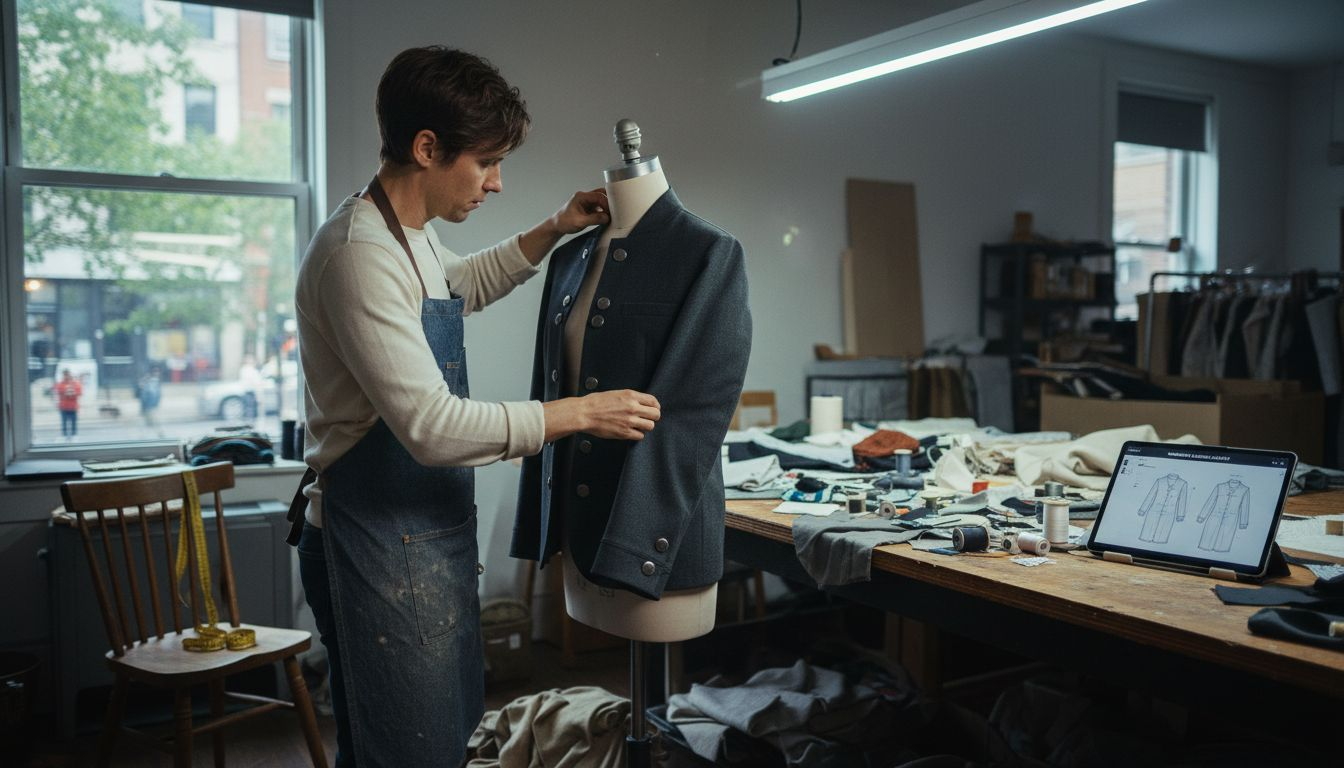
The first major approach focuses on size and fit diversity. This means going beyond the standard size range most retailers offer. Brands expanding their collections now incorporate adaptive clothing features designed for accessibility needs, including magnetic closures that replace traditional buttons for people with limited dexterity, adjustable waistbands that accommodate changing body shapes, and flexible seam placements that work across a wider spectrum of bodies. Size inclusivity also recognizes that bodies aren’t one-dimensional. A woman who wears a size 12 in the bust might wear a different size in the waist. Custom-made fashion addresses this perfectly by allowing you to specify measurements that reflect your actual proportions rather than forcing yourself into predetermined categories. The second approach tackles gender inclusivity by removing rigid gender categories altogether. Instead of separating clothing into “mens,” “womens,” and “unisex,” truly gender-inclusive designers create pieces that anyone can wear based on their personal style and comfort. This might mean offering the same silhouettes in multiple fits, using neutral marketing that celebrates fluid self-expression, or designing garments with adjustable elements that adapt to different body presentations.
Adaptive design represents another critical approach, specifically addressing accessibility for people with disabilities. This goes beyond aesthetic considerations to functional reality. Garments feature easy-to-navigate closures, sensory-friendly fabrics that don’t trigger discomfort, strategic seam placement that prevents pressure points, and adjustable features that accommodate mobility aids or fluctuating body sizes due to medical conditions. A well-designed adaptive piece functions beautifully whether you’re sitting in a wheelchair, using mobility devices, or experiencing chronic pain. What makes this powerful is that adaptive features benefit everyone. A magnetic closure helps someone with arthritis, someone recovering from surgery, and someone who simply finds traditional buttons frustrating. The final approach incorporates user-centered design considering social, symbolic, functional, and aesthetic needs of diverse consumers. This means designers actively involve people from different backgrounds, abilities, age groups, and body types throughout the design process, not just at the end. Brands like Prima Dons and Donnas embody this through their made-to-order approach, where custom measurements and personalized styling ensure that your unique body and style preferences drive the design, creating pieces that feel genuinely made for you rather than adapted from a generic template.
Pro tip: _When evaluating whether a brand’s inclusivity is authentic, look for evidence of these approaches working together. A brand offering extended sizes but only featuring thin models, or featuring diverse models in conventional sizing, hasn’t truly committed to inclusive design.
Here is a comparison of core inclusive fashion approaches and their unique benefits:
| Inclusive Approach | Main Focus | Key Benefit |
|---|---|---|
| Size & Fit Diversity | Extensive size options, precise fit | Reduces exclusion by size |
| Gender Inclusivity | Removes gendered categories | Fosters authentic expression |
| Adaptive Design | Accessible features for disabilities | Increases usability for all |
| User-Centered Design | Input from diverse consumers | Designs match real needs |
Key Features of Truly Inclusive Fashion
When you’re shopping for inclusive fashion, you should know what to look for beyond marketing language. True inclusivity shows up in tangible, measurable ways across every aspect of how a brand operates. Understanding these key features helps you identify brands that genuinely prioritize your needs versus those simply capitalizing on the trend. Truly inclusive fashion is characterized by expanding size ranges to accommodate diverse body types, ensuring that no matter your proportions or measurements, options exist that fit your actual body rather than forcing you into predetermined sizes. This goes beyond offering a few extended sizes at the back of a collection. Brands committed to inclusivity have reconsidered their entire size matrix from the ground up, recognizing that people of all sizes deserve the same design quality, fabric choices, and stylistic options.
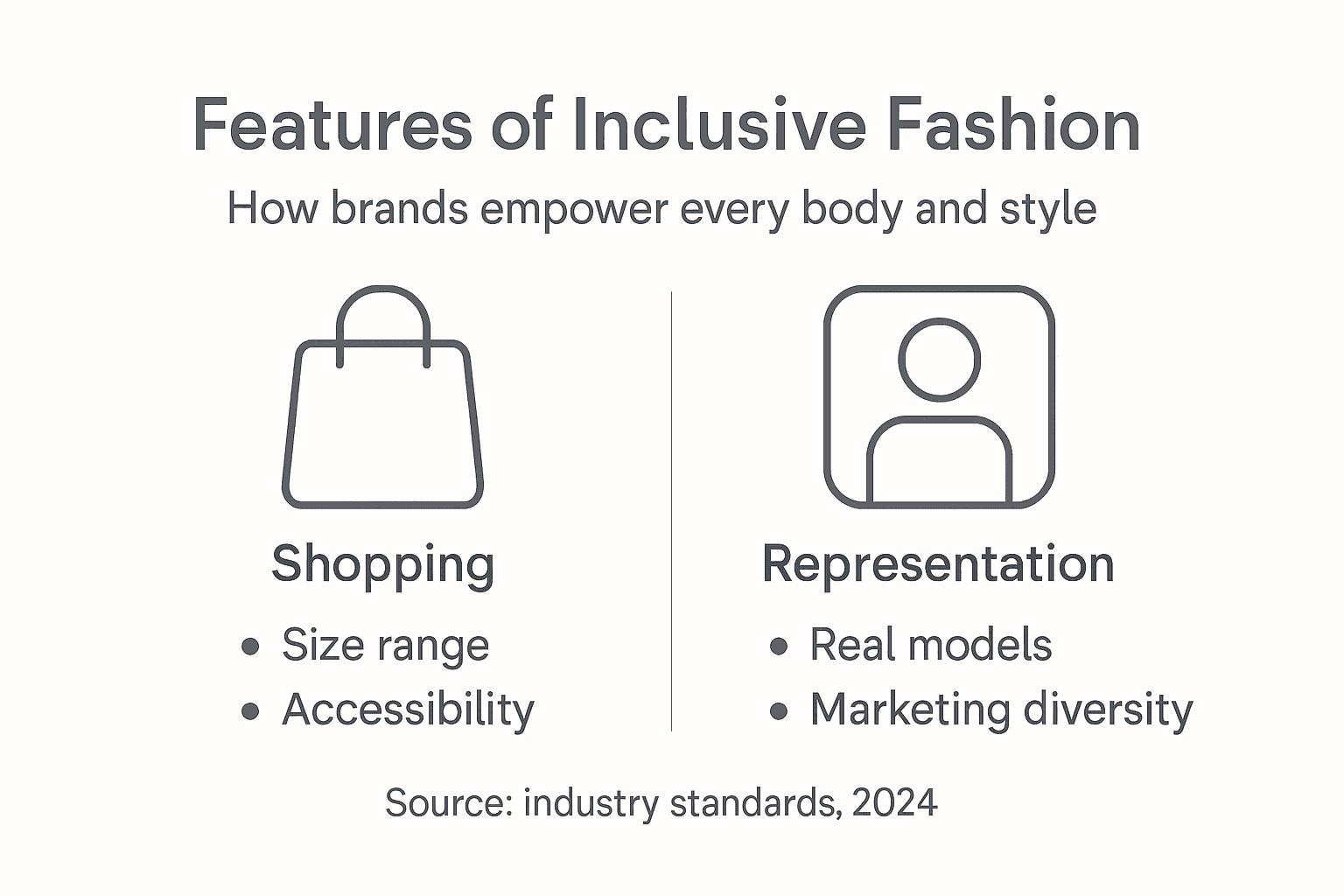
Authentic representation represents another defining feature. This means seeing yourself reflected in marketing campaigns, not as token representation but as genuine diversity woven throughout the brand’s visual identity. When a brand features models across different ages, body types, skin tones, abilities, and gender expressions, it sends a clear message that fashion belongs to everyone. You should also notice whether adaptive clothing designs incorporate thoughtful features like adjustable elements and sensory-friendly fabrics that work seamlessly for people with disabilities or mobility limitations. Magnetic closures, zipper pulls designed for easy grip, adjustable waistbands that adapt to changing bodies, strategic seam placement that prevents pressure points, and fabrics that don’t trigger sensory sensitivities represent practical inclusivity. The most powerful feature of truly inclusive fashion is that these adaptations benefit everyone, not just people with disabilities. Someone recovering from surgery, managing arthritis, or experiencing anxiety around seams will find these features genuinely valuable. Brands recognize that universal design actually expands their market while solving real problems.
Another critical feature involves actual accessibility in the shopping experience itself. Can you find size information clearly? Are images shown from multiple angles so you can see how pieces actually fit? Can you get personalized styling advice that recognizes your unique body and preferences? Fashion personalization that empowers your unique style through custom measurements and tailoring ensures that the shopping experience itself is inclusive and responsive to your individual needs. Truly inclusive brands also demonstrate cultural sensitivity and gender expression respect. They avoid culturally appropriative designs, offer clothing that works for different gender expressions and presentations, and recognize that style needs vary across different cultural backgrounds. You’ll notice their messaging doesn’t assume gender, doesn’t police body size, and doesn’t suggest that certain bodies “should” wear certain styles.
Finally, look for alignment with sustainable production methods. Inclusivity without sustainability rings hollow because it often comes at the cost of exploited workers or environmental damage. Brands that genuinely care about social equity typically extend that commitment to their supply chain. They’re transparent about where clothes are made, use quality materials that last, and often offer made-to-order options that reduce waste. When all these features work together, you experience fashion that truly celebrates you. It’s not about fitting into fashion. It’s about fashion being designed specifically for you.
Pro tip: Before purchasing from a brand claiming inclusivity, spend five minutes on their website and social media checking their size range, campaign imagery diversity, and materials used, then compare it against brands you already trust. This quick audit reveals whether inclusivity is a genuine commitment or marketing positioning.
Sustainability and Ethics in Inclusive Fashion
Inclusive fashion loses its power when it comes at the cost of exploited workers or environmental destruction. True inclusivity extends beyond body representation to encompass respect for the people making your clothes and the planet those clothes come from. When you choose inclusive fashion, you’re making a statement about what matters to you. You’re saying that fashion should celebrate diversity while also honoring the dignity of workers and preserving resources for future generations. This is where sustainability and ethics become inseparable from genuine inclusivity. Inclusive fashion ethics emphasize respect for people and the planet through fair labor practices and environmental responsibility, ensuring that the entire supply chain reflects the same inclusive values as the final product. This means brands commit to transparent supply chains where you can trace where materials come from and who made your clothes, fair wages that allow workers to live with dignity, and safe working conditions that don’t ask people to sacrifice their health for your wardrobe.
The environmental responsibility piece matters just as much. Fast fashion creates massive waste, consuming enormous amounts of water, producing toxic dyes, and generating textile waste that clogs landfills. Inclusive fashion brands that truly commit to sustainability recognize that sustainable inclusive fashion requires transparent supply chains, fair wages, and minimized ecological impact, pushing back against the disposable mentality that dominates mainstream fashion. They invest in quality materials that last longer, use production methods that minimize environmental damage, and often offer made-to-order options that eliminate overproduction waste. This is where custom-made pieces shine. When you order something made specifically for you, nothing gets produced speculatively or discarded because it didn’t sell. You’re not contributing to mountains of unwanted inventory ending up in landfills. Additionally, ethical brands avoid cultural appropriation by respecting the origins of design elements and ensuring that communities whose cultural heritage inspires designs actually benefit from that inspiration.
Affordability represents another crucial ethical consideration within inclusive fashion. Inclusivity that only serves wealthy people isn’t truly inclusive. Genuine inclusive fashion brands work to make quality pieces accessible across income levels. This might mean offering multiple price points, providing payment plans, or ensuring that custom options don’t cost exponentially more than mass-produced alternatives. Sustainable options in custom clothing allow you to invest in pieces designed specifically for your body and style while supporting ethical practices. When you purchase from brands committed to both sustainability and inclusion, you’re supporting a different model entirely. You’re telling the fashion industry that you care about how clothes are made and who benefits from those choices.
What makes this ethically powerful is recognizing that these commitments benefit everyone. Workers who earn fair wages have dignity and security. Communities whose cultural heritage is respected maintain agency over their own narratives. The planet remains habitable for future generations. People of all bodies get to express themselves through fashion without contributing to exploitation. This isn’t about perfection. No brand is completely flawless. But when you choose brands demonstrating genuine commitment to transparency, fair practices, environmental stewardship, and cultural respect, you’re voting with your money for a fashion system that actually aligns with inclusive values.
Pro tip: Look for brands that publish transparency reports or sustainability statements, use certifications from independent organizations, and are willing to answer specific questions about their supply chain and production practices. Brands confident in their ethics are usually happy to prove it.
This summary highlights how inclusive fashion, sustainability, and ethics intersect for greater impact:
| Aspect | Inclusive Fashion Contribution | Broader Impact |
|---|---|---|
| Supply Chain Ethics | Fair wages and transparency | Elevates workers’ rights worldwide |
| Environmental Care | Minimizing waste, quality materials | Lowers fashion’s ecological footprint |
| Cultural Sensitivity | Designs honor diverse heritages | Prevents appropriation, builds trust |
| Affordable Access | Price points for varied incomes | Expands fashion access for everyone |
Common Challenges and How Brands Address Them
Building truly inclusive fashion sounds straightforward in theory, but the reality involves navigating real obstacles. Brands committed to inclusivity face legitimate challenges that require strategic solutions and sustained investment. Understanding these challenges helps you recognize the difference between brands making genuine progress and those simply talking about inclusion without backing it up with action. One of the most significant challenges involves expanding size ranges while maintaining quality and affordability. Producing garments across a wide spectrum of sizes requires different pattern grading, more inventory management, and higher production costs. Fashion brands face challenges including limited sizing availability and higher costs for adaptive features, which can result in price increases that ironically make inclusive fashion less accessible to people with limited budgets. Brands address this by investing in better pattern-making technology, building stronger relationships with manufacturers, and strategically managing inventory. Some brands use made-to-order models where you pay for exactly what you need, eliminating the waste of overproduction while keeping costs reasonable. Others negotiate volume discounts across larger size ranges to keep pricing more equitable.
Representation presents another substantial hurdle. Creating authentic diversity in marketing campaigns, design teams, and leadership requires actively seeking out talent from underrepresented backgrounds and building inclusive cultures where those people actually feel valued. Structural barriers to diverse hiring and homogenous teams with limited socioeconomic diversity persist because fashion has historically recruited from narrow networks and privileged backgrounds. Forward-thinking brands are changing their recruitment strategies, partnering with organizations serving underrepresented communities, and committing to leadership diversity. They’re moving beyond token representation in campaigns to building teams that genuinely reflect the diversity they claim to celebrate. This means hiring designers with disabilities, featuring models across different body types and abilities consistently rather than seasonally, and centering voices of people with lived experience in inclusive design decisions.
Consumer awareness and demand represent additional barriers. Many people don’t yet understand what inclusive fashion means or why it matters. Some still believe extended sizes shouldn’t cost the same as standard sizes, or that adaptive features make garments less stylish. Brands overcome this through patient education, creating content that explains inclusive design principles, and producing genuinely beautiful pieces that prove inclusive fashion doesn’t require aesthetic compromise. When you see a stunning dress available in sizes 0 through 28 that doesn’t sacrifice design details across the range, it changes perceptions. Building internal commitment also matters tremendously. Without leadership buy-in, inclusive fashion initiatives become afterthoughts rather than core business strategy. The most successful inclusive brands embed diversity considerations into every decision, from material sourcing to pricing to which marketing channels they use.
Custom and made-to-order approaches, like those offered by Prima Dons and Donnas, sidestep many traditional manufacturing challenges by eliminating the need for extensive inventory across sizes. When you order a custom piece, the brand produces exactly what you need in your measurements, reducing waste and allowing for pricing that’s accessible rather than exploitative. This model also enables brands to maintain quality across every size without proportionally increasing costs. The path forward requires acknowledging these challenges openly. Progress happens when brands stop pretending inclusive fashion is simple and instead invest the resources, time, and people power needed to do it authentically.
Pro tip: When a brand claims inclusivity, check whether they address sizing, representation, pricing, and team diversity in tandem, not just one area in isolation. Genuine progress shows up across the entire operation, not just in marketing messaging.
Experience True Inclusive Fashion Tailored Just For You
Inclusive fashion demands more than just extended sizes. It challenges outdated standards to empower every body with authentic representation and personalization. If you are seeking fashion that understands your unique proportions, style preferences, and the need for adaptive, accessible design, Prima Dons and Donnas offers a made-to-order solution crafted with bold confidence and sustainability in mind. Our approach embraces the ideals of size and fit diversity, user-centered design, and accessibility so that your clothes feel like they truly belong to you.
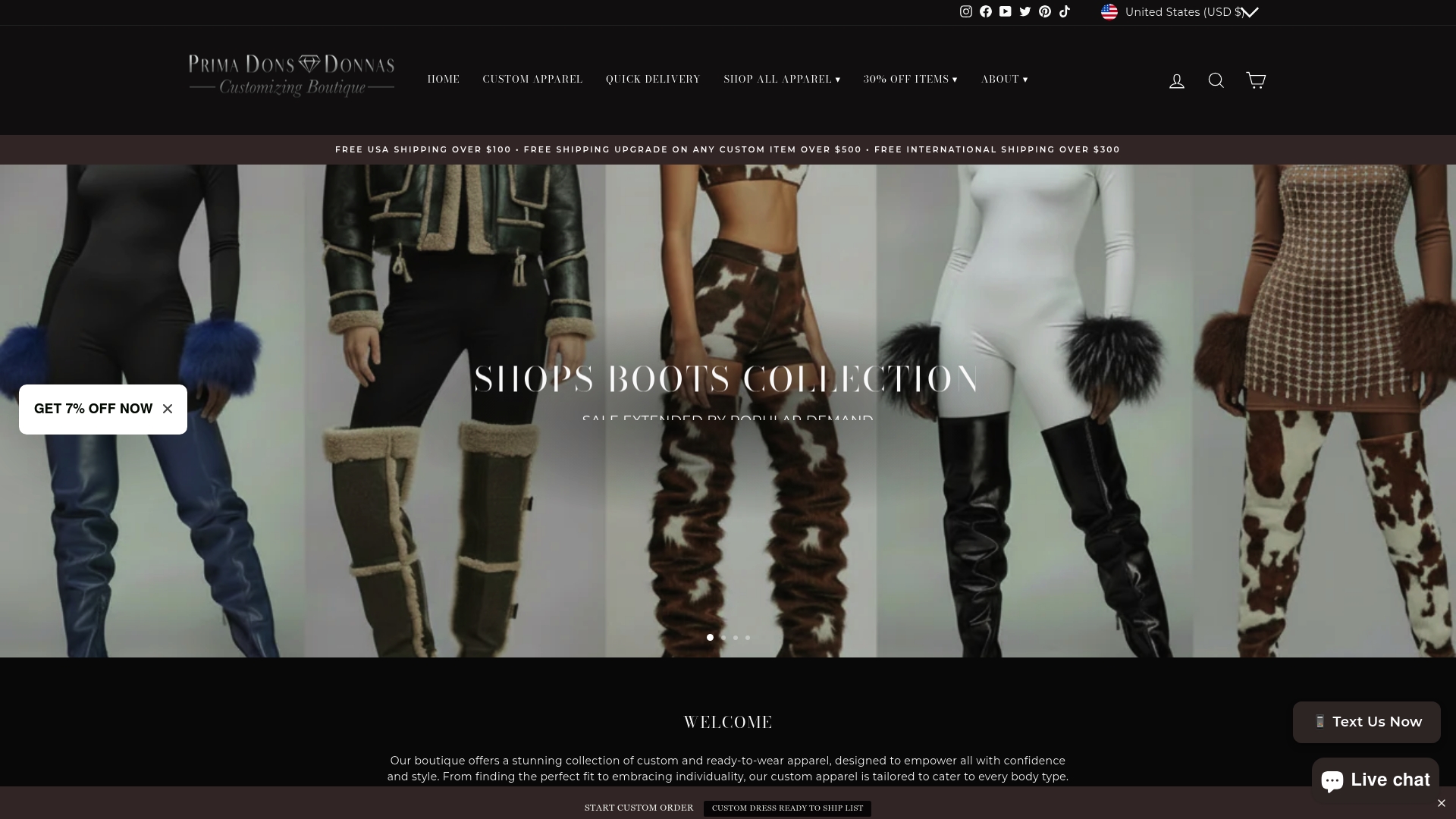
Discover how custom clothing and footwear can transform your wardrobe into a statement of individuality and inclusivity. Visit Prima Dons and Donnas to explore personalized options and ready-to-ship pieces designed to reflect your style without compromise. Join the movement embracing empowerment through fashion built just for you today.
Frequently Asked Questions
What is inclusive fashion?
Inclusive fashion refers to the design and marketing of clothing that is accessible and representative of diverse populations, including different body sizes, ages, races, ethnicities, gender identities, and abilities. It challenges traditional beauty standards and seeks to make fashion welcoming for everyone.
How does size and fit diversity contribute to inclusive fashion?
Size and fit diversity in inclusive fashion means expanding size ranges and incorporating adaptive clothing features. This ensures that garments are available for a variety of body shapes and sizes, thus reducing exclusion based on size.
What are the key features of truly inclusive fashion?
Key features of truly inclusive fashion include expanding size ranges, authentic representation in marketing, thoughtful adaptive designs, actual accessibility in the shopping experience, and a commitment to cultural sensitivity and sustainable practices.
Why is sustainability important in inclusive fashion?
Sustainability is important in inclusive fashion because it ensures that the clothing is produced ethically, with fair labor practices and minimal environmental impact. Brands that prioritize sustainability reflect a commitment to social equity and the well-being of both workers and the planet.
Recommended
- Top Custom Clothing Services – Expert Comparison 2026 – Prima Dons & Donnas
- Fashion Personalization: Empowering Your Unique Style – Prima Dons & Donnas
- Trends in Custom Fashion 2026: Bold Style and Personalization – Prima Dons & Donnas
- Statement Fashion: Expressing Bold Individuality – Prima Dons & Donnas
- Holistic Hair Care in 2025: Grow Stronger, Healthier Hair | MyHair


Leave a comment