

Luxury Fashion Terminology Explained: Empower Your Style
Finding the perfect luxury wardrobe can feel like navigating a maze of terms, styles, and values. For women who demand authenticity and know their way around high-end fashion concepts, the meaning behind words like bespoke, couture, and provenance goes far beyond surface appeal. Understanding these core concepts in luxury fashion terminology gives you the power to choose clothing that mirrors your individuality, honors sustainability, and reflects true craftsmanship.
Table of Contents
- Core Concepts In Luxury Fashion Terminology
- Common Types And Styles Defined
- Sustainable Materials And Ethical Practices
- Customization, Exclusivity, And Personalization
- Navigating Industry Misconceptions And Pitfalls
Key Takeaways
| Point | Details |
|---|---|
| Understanding Luxury | Luxury fashion is defined by craftsmanship, heritage, and exclusivity rather than just high prices. Knowledge of terminology helps navigate this distinct market. |
| Sustainability Matters | Choose sustainable materials and ethical practices when investing in luxury fashion. This aligns your wardrobe with your values and reduces environmental impact. |
| Embrace Customization | Customization and personalization in luxury fashion allow for unique garments that reflect your identity, providing perfect fit and functional design. |
| Be Aware of Misconceptions | High prices do not guarantee quality; verify authenticity and ethical sourcing to avoid pitfalls in luxury shopping. Trust your instincts when assessing value. |
Core Concepts in Luxury Fashion Terminology
Luxury fashion operates on an entirely different level than mainstream clothing. Understanding the language of this world empowers you to navigate it with confidence and make informed choices about your wardrobe.
At its foundation, luxury refers to exclusivity, heritage, and exceptional craftsmanship rather than simply high price tags. Fashion terminology encompasses the psychological, social, and cultural meanings woven into garments beyond their basic function. When you wear a luxury piece, you’re investing in quality, artistry, and often decades of brand heritage.
Heritage and provenance form the backbone of luxury brands. These elements tell the story of where a piece comes from, who created it, and why it matters. A 150-year-old fashion house carries weight that a 5-year-old company simply cannot match.
Here’s what separates luxury fashion from everything else:
- Craftsmanship: Handmade details, specialized techniques, and meticulous quality control
- Materials: Sourcing premium fabrics, leathers, and sustainable options like high-quality faux fur
- Exclusivity: Limited production runs, custom-made pieces, and personalized design
- Innovation: Blending tradition with modern aesthetics and design philosophy
- Sustainability: Intentional material selection and ethical production practices
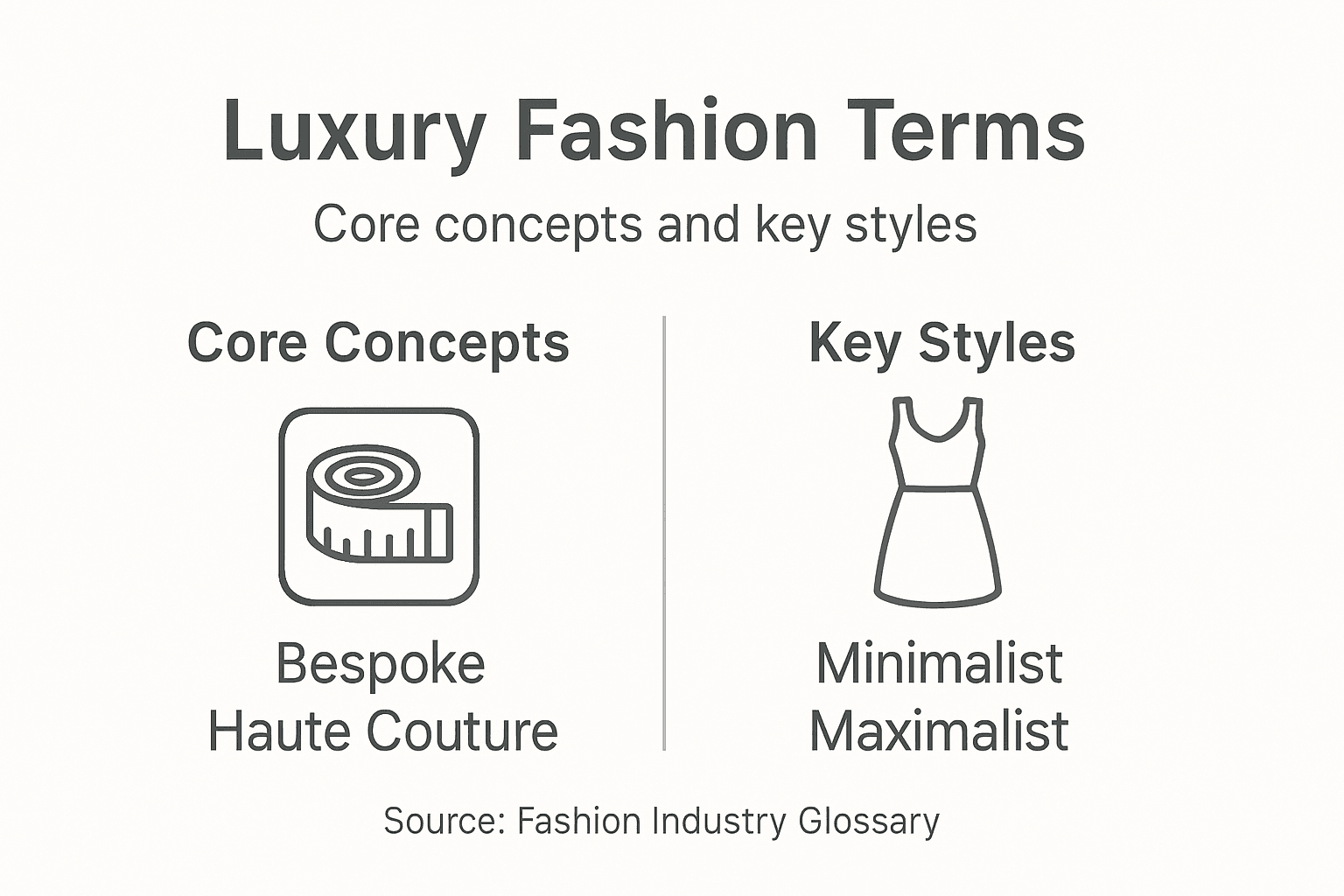
When exploring luxury terminology, you’ll encounter concepts like bespoke (completely custom-made to your specifications), ready-to-wear (professionally designed collections available off-the-rack), and couture (the highest level of custom tailoring). Understanding what defines luxury versus fast fashion helps you make purchases aligned with your values.
Here’s a quick reference table to clarify key luxury fashion terms and what makes them distinctive:
| Term | Meaning | Distinctive Aspect |
|---|---|---|
| Bespoke | Custom-made to client specifications | Total personalization and unique fit |
| Ready-to-wear | Designer collections sold off-the-rack | Professional design and immediate access |
| Couture | Highest-quality custom tailoring | Exclusive techniques and hand craftsmanship |
| Limited Edition | Few pieces produced with unique details | Defined scarcity and collectability |
| Brand Heritage | Legacy, history, and origin of a brand | Cultural value and reputation |
| Provenance | Traceable origin and maker information | Authenticity and transparency |
Seasonality and collections matter in luxury fashion too. Designers release new lines according to fashion cycles: spring/summer, fall/winter, and sometimes resort or cruise collections. Each collection reflects creative vision and cultural moments.
The concept of bold, confident style underpins modern luxury thinking. Gone are the days when luxury meant playing it safe with neutral colors and timid silhouettes. Today’s luxury celebrates individuality, statement-making pieces, and unapologetic self-expression through intentional design choices.
Pro tip: Start building your luxury vocabulary by reading fashion house websites and studying designer interviews; this reveals how luxury brands define their own work and what makes them distinctive.
Common Types and Styles Defined
Luxury fashion encompasses countless styles, each with its own personality and purpose. Knowing the difference between them helps you build a wardrobe that truly reflects who you are.
Classic and timeless styles form the foundation of any refined closet. These pieces transcend trends and remain relevant year after year. Think structured blazers, tailored trousers, and elegant midi dresses that work in any era. They prioritize quality construction and clean lines over fleeting fashions.
Contemporary luxury blends modern aesthetics with traditional craftsmanship. This style embraces current design innovations while maintaining the exclusivity and quality standards luxury demands. It’s where bold, confident design meets wearable elegance.
Here are the primary luxury fashion categories:
- Evening wear: Formal gowns, cocktail dresses, and statement pieces designed for special occasions
- Daywear: Sophisticated pieces including dresses, separates, and coordinated outfits for everyday luxury
- Outerwear: Coats, jackets, and wraps that serve as functional art pieces
- Accessories: Luxury handbags, scarves, jewelry, and footwear that complete an outfit
- Sportswear: Athletic-inspired luxury pieces blending performance with high-end aesthetics
Understanding clothing terminology and garment classifications provides clarity when shopping or describing what you want in a custom piece. Each garment type has specific construction techniques, fit standards, and styling conventions.
Minimalist luxury strips away excess and focuses on purity of design. Neutral color palettes, impeccable tailoring, and premium materials define this approach. Every element serves a purpose; nothing is unnecessary.

Maximalist luxury celebrates boldness through color, pattern, texture, and statement details. Luxurious fabrics like silk, cashmere, and high-quality faux fur create visual and tactile impact. This style unapologetically commands attention.
Bohemian luxury combines relaxed silhouettes with premium materials and artisanal details. Flowing fabrics, layered textures, and earthy tones create an effortlessly sophisticated aesthetic. It appeals to women seeking comfort without sacrificing elegance.
Androgynous or gender-neutral luxury emphasizes tailored fits, structured silhouettes, and architectural shapes. This style rejects traditional feminine or masculine conventions, offering instead a confident, boundary-pushing approach.
For a clearer understanding, here’s how luxury fashion styles compare in personality and focus:
| Style Type | Personality Traits | Design Focus |
|---|---|---|
| Minimalist Luxury | Understated, refined | Clean lines, premium fabrics |
| Maximalist Luxury | Bold, expressive | Vibrant colors, statement pieces |
| Bohemian Luxury | Relaxed, artistic | Layered textures, natural tones |
| Androgynous Luxury | Confident, innovative | Tailored fits and architecture |
The most successful luxury styles are those that feel personally authentic to you, not those that simply follow celebrity trends or social media hypes.
Each style category pairs beautifully with customization options. When personalizing fashion choices, you can adapt any style to match your body, preferences, and lifestyle needs.
Pro tip: Start by identifying which style category resonates most with your natural aesthetic, then gradually explore how personalizing that style through custom pieces amplifies your confidence and presence.
Sustainable Materials and Ethical Practices
Sustainability in luxury fashion isn’t a trend—it’s becoming the standard by which discerning women measure quality and values. Your choices about materials and production methods shape both your wardrobe and the world.
Sustainable materials represent a fundamental shift in how luxury brands source fabrics. These options prioritize environmental responsibility without sacrificing quality or aesthetic appeal. High-quality faux fur, organic cotton, recycled fibers, and innovative lab-created materials deliver luxury performance with lower environmental impact.
Traditional luxury fabrics like silk and cashmere remain relevant when sourced ethically. The difference lies in production practices—from animal welfare standards to water conservation during manufacturing. Understanding circular economy principles helps you see how longevity in fashion directly impacts sustainability.
Ethical production practices focus on fair labor conditions, transparent supply chains, and responsible manufacturing. When you invest in luxury pieces, knowing they were created under fair wages and safe working conditions adds genuine value beyond aesthetics.
Here’s what sustainable luxury really means:
- Material sourcing: Prioritizing organic, recycled, or innovative alternatives over conventional options
- Durability: Creating pieces built to last decades, not seasons
- Transparency: Brands openly sharing production origins and practices
- Minimal waste: Designing efficiently to reduce fabric scraps and production byproducts
- Fair labor: Ensuring workers receive fair compensation and safe conditions
Sustainable options in custom clothing allow you to make conscious choices without compromise. Made-to-order production eliminates overstock waste while ensuring pieces fit perfectly—extending their wearable lifespan significantly.
Faux fur and synthetic alternatives deserve serious consideration. Modern high-quality faux fur rivals real fur in tactile experience while eliminating animal harm. Premium synthetic materials increasingly match natural fibers in breathability, comfort, and longevity.
Environmental impact matters at scale. The fashion industry consumes enormous quantities of water and produces significant chemical waste. By selecting sustainable materials and supporting ethical brands, you directly reduce this footprint.
When you choose sustainable luxury, you’re not making a sacrifice—you’re making an investment that aligns your style choices with your values.
Longevity is the ultimate sustainability metric. A luxury piece you wear for ten years has far less environmental impact than a cheaper item worn twice. Quality construction, timeless design, and proper care matter more than material alone.
Pro tip: Ask brands about their material sourcing and production practices before purchasing; transparency signals confidence, and your questions encourage more companies to adopt sustainable standards.
Customization, Exclusivity, and Personalization
The ultimate expression of luxury fashion lies in pieces created specifically for you. Customization transforms fashion from something you buy into something that becomes an extension of your identity.
Customization means designing garments tailored to your exact specifications. This goes beyond adjusting hem lengths; it encompasses color selection, fabric choice, fit modifications, and design details that reflect your preferences. You’re collaborating with designers to create something that exists nowhere else.
Exclusivity is the promise that your piece is genuinely unique. Limited production runs, made-to-order designs, and personalized details ensure you’re not wearing what thousands of others own. This scarcity creates real value and significance.
Personalization connects your wardrobe to your identity. When clothes are designed for your body, lifestyle, and aesthetic preferences, they feel authentic rather than borrowed. This emotional connection deepens your relationship with fashion.
Customization in fashion design emphasizes how bespoke products create culturally relevant and individually meaningful luxury experiences. You’re not following trends; you’re establishing your own style vocabulary.
Here’s what personalization accomplishes:
- Perfect fit: Garments constructed for your proportions, not average sizing
- Color accuracy: Shades selected to complement your skin tone and preferences
- Functional design: Details and features matching how you actually live
- Ownership: Pieces that feel distinctly yours, not generic luxury
- Longevity: Clothing you love so much you wear it for years
Ready-to-ship options provide luxury without lengthy wait times. These professionally designed collections balance exclusivity with accessibility, allowing you to invest in quality pieces quickly while still maintaining personal touch.
Made-to-order production eliminates waste inherent in traditional manufacturing. Factories create only what’s ordered, reducing inventory and overstock—a sustainable practice that also means your piece receives individual attention.
Brand heritage combined with personal expression defines modern luxury. Luxury brands maintain exclusivity through well-defined identity while offering customization options that honor your uniqueness.
True exclusivity isn’t about owning something expensive—it’s about owning something that could only ever belong to you.
Your body is genuinely unique. Standard sizing accommodates average proportions, leaving most women uncomfortable. Customization acknowledges that you deserve clothing that fits your reality, not someone else’s.
Pro tip: When customizing pieces, prioritize fit and color over trendy details; timeless silhouettes in shades that enhance your complexion remain relevant far longer than current design fads.
Navigating Industry Misconceptions and Pitfalls
Luxury fashion terminology gets twisted and misused constantly. Understanding what terms actually mean protects you from overpaying for ordinary items marketed as luxury and helps you recognize genuine quality when you encounter it.
Price alone doesn’t equal luxury. This is the biggest misconception. A $5,000 garment made from mediocre materials with poor construction is not luxury. Conversely, a well-crafted piece from an emerging designer offering exceptional value may provide more genuine luxury than an overpriced brand name.
Brand reputation matters, but verify authenticity. Counterfeits flood the market, especially in popular luxury categories. Understanding quiet luxury misconceptions helps you distinguish genuine exclusivity from marketing hype. Legitimate luxury brands have transparent supply chains and verifiable production information.
“Limited edition” gets misused constantly. True limited pieces have defined production numbers. Watch for vague claims like “exclusive” or “rare” without specifics. Hundreds of identical items aren’t limited; thousands of them aren’t exclusive.
Common pitfalls to avoid:
- Confusing logo visibility with quality: Real luxury doesn’t need massive logos screaming brand names
- Assuming high price guarantees craftsmanship: Markup isn’t the same as skilled production
- Ignoring material sourcing: “Luxury” fabrics sourced unethically aren’t truly luxurious
- Overlooking fit quality: Poor construction ruins even premium materials
- Following trends instead of your taste: Momentary hype fades; personal style endures
Perceived value often drives luxury prices more than actual quality. Consumer perceptions shape luxury brand identity, meaning marketing and heritage matter alongside tangible quality. This isn’t dishonest—heritage and craftsmanship stories do add genuine value—but it’s important to recognize what you’re paying for.
Beware of greenwashing in sustainable claims. Brands throw around words like “eco-friendly” and “sustainable” without substantiation. Ask for specifics: Which materials? What certifications? How are workers treated? Real sustainability requires transparency.
Fast fashion masquerading as luxury is everywhere. High markups on cheaply made garments don’t create luxury. Quality fabrics, expert construction, and ethical production can’t be rushed or cheapened without consequences.
Luxury is a feeling that combines quality, exclusivity, and alignment with your values—not a price tag or brand logo.
Your instincts matter more than marketing. If something feels uncomfortable, doesn’t fit properly, or seems overpriced for the materials used, trust that feeling. Real luxury should feel exceptional when you wear it.
Pro tip: Request detailed information about materials, construction methods, and production origins before purchasing; brands confident in their quality readily provide this transparency.
Elevate Your Luxury Fashion Experience with Personalized Style
Navigating luxury fashion terminology can feel overwhelming when you want pieces that truly fit your individuality and lifestyle. From understanding bespoke and couture to embracing sustainable and ethical choices, the real challenge lies in finding clothing that delivers exclusivity, perfect fit, and bold confident style without compromise. Prima Dons and Donnas meets this need by offering made-to-order fashion tailored to your unique measurements and color preferences while incorporating high-quality sustainable materials like premium faux fur.
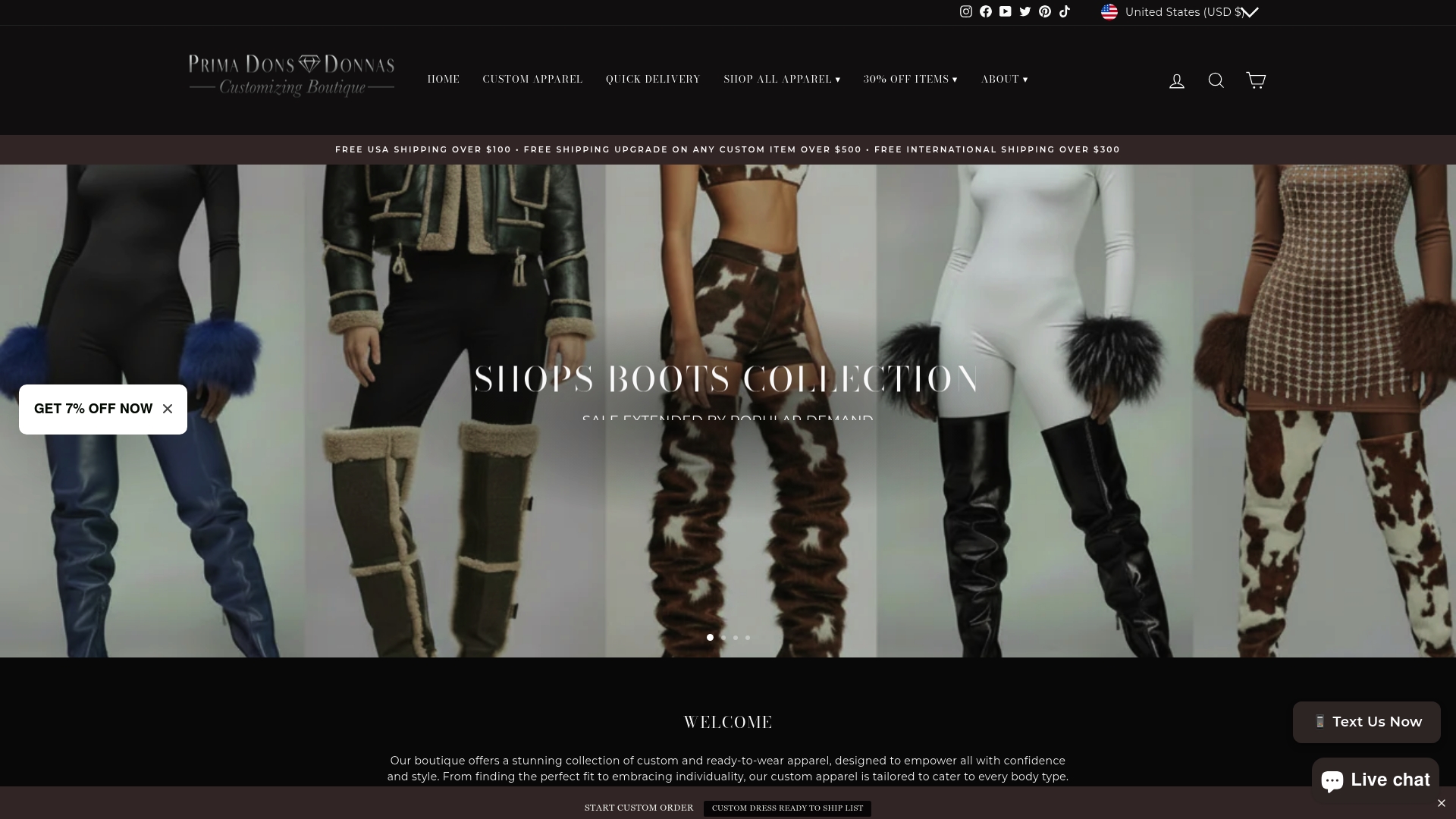
Discover how custom clothing can transform your wardrobe from ordinary to extraordinary with pieces that speak your style language. Whether you prefer timeless elegance or expressive statement designs our blend of luxury aesthetics and comfort empowers your confidence every day. Ready to embrace exclusivity and sustainability without waiting? Explore our ready-to-ship options and start building a wardrobe that reflects your values now.
Frequently Asked Questions
What does ‘bespoke’ mean in luxury fashion?
Bespoke refers to garments that are custom-made to a client’s exact specifications, ensuring a unique fit and personalized details that reflect individual preferences.
How is luxury fashion different from fast fashion?
Luxury fashion emphasizes quality, craftsmanship, exclusivity, and heritage, while fast fashion focuses on quick production and low prices, often sacrificing the long-lasting value and sustainability found in luxury items.
What are some key characteristics of sustainable luxury materials?
Sustainable luxury materials prioritize eco-friendliness, such as high-quality faux fur, organic fabrics, and ethically sourced traditional luxury materials. They aim to reduce environmental impact while maintaining aesthetic appeal.
How can personalization enhance my luxury fashion experience?
Personalization allows you to customize garments to your unique body shape, style preferences, and lifestyle needs, resulting in pieces that feel authentic and are perfectly tailored to you.


Leave a comment