

Must-Have Custom Clothing Details for Bold Personal Style
TL;DR:
- Custom clothing details, including fabric, fit, and decoration, work together as a connected system to create garments that reflect personal style and durability. A comprehensive tech pack ensures accurate production, while decoration methods like embroidery and modular features add versatility and storytelling elements. Focus on fabric and construction first, then personalize with details to build garments that are wearable, meaningful, and uniquely yours.
Must-have custom clothing details are the specific design, construction, and embellishment choices that transform a garment from generic to genuinely yours. Fabric selection, precise fit, and personalized design elements like embroidery, modular panels, and specialty trims work together as a production system, not as isolated decisions. When you treat fabric, fit, and decoration as connected components, the result is a cohesive piece that fits your body, reflects your personality, and holds up over time. This guide breaks down every detail worth knowing before you order your next custom piece.
1. Must-have custom clothing details start with fabric
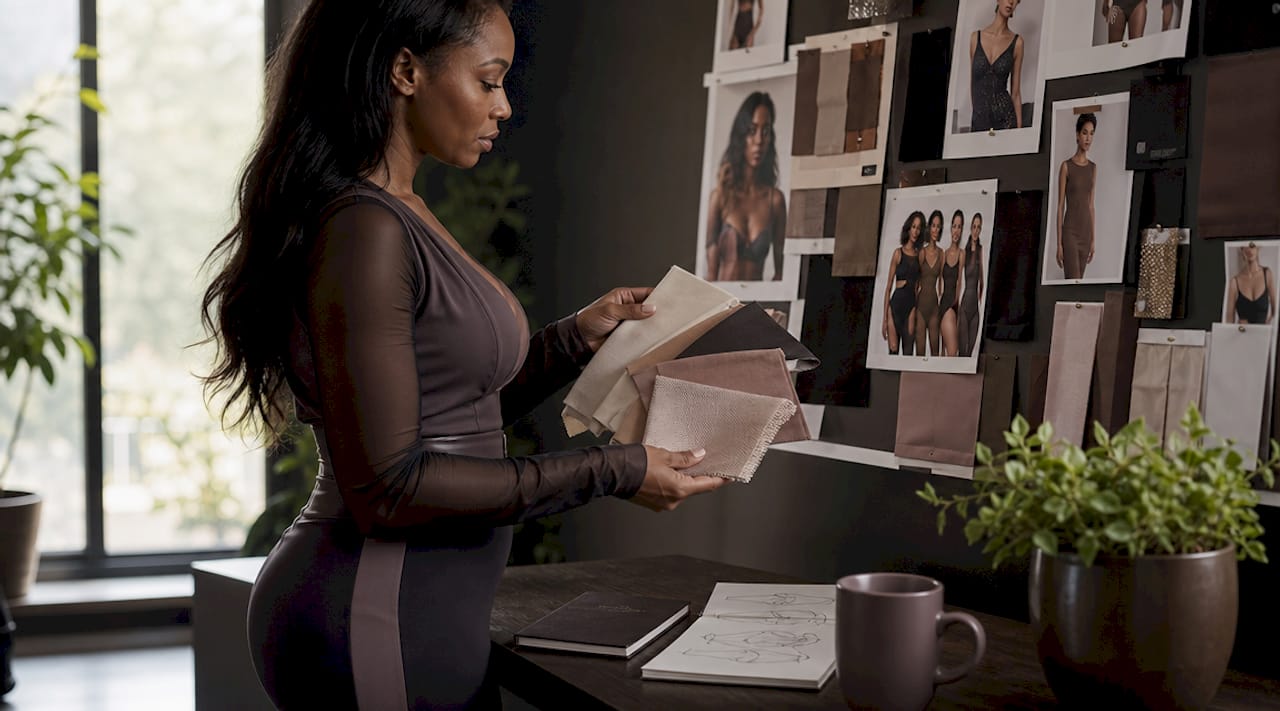
Fabric selection is the single most influential decision in custom apparel production. The fiber you choose determines how a garment drapes, how it holds embellishment, and how long it lasts through wear and washing. Understanding fabric behavior, specifically stretch, shrinkage, and surface texture, matters more than simply knowing the fiber type.
Here are the fabric categories most relevant to custom women’s fashion in 2026:
- Organic cotton: Breathable, soft, and ideal for embroidery and screen printing. Holds color well and works for everything from casual dresses to structured blazers.
- Recycled polyester: Durable and moisture-resistant. Best for activewear or outerwear where performance matters alongside style.
- Bamboo blends: Naturally antibacterial with a silky drape. Excellent for fitted silhouettes and garments worn close to the skin.
- Faux fur and textured fabrics: Statement materials that require minimal embellishment because the texture does the work. Primadonsanddonnas uses high-quality faux fur as a sustainable fabric option for conscious fashion choices.
- Woven jacquards and brocades: Structured and visually rich. These fabrics suit formal occasion wear, wedding guest looks, and plus-size silhouettes that benefit from defined shape.
Fabric certifications like GOTS (Global Organic Textile Standard) and OEKO-TEX Standard 100 confirm that materials meet safety and environmental standards. These certifications matter more in 2026 as buyers pay closer attention to what touches their skin and what ends up in landfills.
Pro Tip: Before committing to a fabric, request a swatch and test it under different lighting conditions. A fabric that photographs beautifully may look flat in person, and vice versa.
2. How fit and tech pack measurements define a flawless garment
A tech pack is the manufacturing document that translates your design vision into factory-ready instructions. A complete tech pack runs 8 to 14 pages and covers materials, measurements, stitch counts, construction tolerances, and packaging specs. Without one, production errors multiply because factories work from assumptions rather than specifications.
The core sections of a well-built tech pack include:
- Technical flat sketches: Front, back, and detail views of the garment with callouts for every seam and finish.
- Bill of materials (BOM): Every fabric, lining, interfacing, thread, and trim listed with supplier codes and colorways.
- Measurement chart: Size-specific body measurements and finished garment measurements with grading increments between sizes.
- Construction details: Seam class, stitch type, stitches per inch (SPI), and reinforcement points at stress areas like armholes and pocket openings.
- Quality tolerances: Production deviations of ±0.5 cm on body points are standard. Anything beyond that triggers a correction round.
- Trim and hardware specs: Button diameter, zipper type, rivet placement, and drawcord length with exact measurements.
- Finishing and wash instructions: Wash process, pressing requirements, and label placement.
“Errors in production usually stem from vague instructions rather than factory mistakes.” — Vistoya, How to Write a Tech Pack for Independent Fashion Designers in 2026
For tailored garments like denim jackets or structured coats, finishing details like buttonhole types and interlining specs are non-negotiable. These small specs directly affect the tactile experience and perceived value of the finished piece.
3. Embroidery, screen printing, and decoration method choices
The decoration method you choose defines how your custom garment communicates. Each technique has a specific use case, and matching the method to the fabric maximizes visual impact and durability.
| Method | Best for | Durability | Cost level |
|---|---|---|---|
| Embroidery | Polos, jackets, structured pieces | Decades with proper care | High |
| Screen printing | Bold graphics on cotton tees and hoodies | 50+ washes | Medium |
| Heat transfer | One-off pieces, photographic prints | 20 to 30 washes | Low to medium |
| Appliqué patches | Denim, outerwear, statement pieces | Very high when sewn | Medium |
| Woven labels | Brand identity, interior finishing | Permanent | Low per unit |
Embroidery is the standard for premium garments like polos and jackets because the thread becomes part of the fabric structure. Screen printing delivers the sharpest color contrast for bold graphics on flat-weave cotton. Heat transfer works for one-off custom pieces where setup cost matters more than long-term wear.
Beyond the main decoration, trims add functional and visual detail. Buttons in contrasting materials, exposed metal zippers, grosgrain ribbon drawcords, and contrast stitching all shift the personality of a garment without requiring a full redesign.
Pro Tip: For plus-size garments, place embroidery or appliqué at the shoulder or upper chest rather than the midsection. This draws the eye upward and creates a more balanced silhouette.
4. Modular design features and replaceable panels
Modular fashion is one of the most practical custom fashion trends in 2026. Modular apparel uses zip and clip architectures to allow wearers to swap visual panels, sleeves, or collar pieces between garments. The ICONIQ Modular Art Bustier from POSHYC is a direct example: replaceable visual panels attach via hidden zippers, giving one garment multiple identities.
For fashion-forward women who want maximum versatility from a custom wardrobe, modular details offer real value. A custom jacket with detachable faux fur trim becomes a concert outfit one night and a lunch date look the next. A structured dress with a removable statement collar works for a wedding and then again for a party event without looking repeated.
Modular features also extend the life of a garment. Instead of replacing a piece that no longer fits your mood, you replace one panel. This approach aligns with both sustainability goals and the desire for a wardrobe that grows with your style rather than against it.
5. Comparing functional enhancements for everyday wearability
Functional custom garment enhancements determine how a piece performs in real life, not just on a hanger. The table below compares the most requested personalization options by durability, style impact, and practical benefit.
| Feature | Style impact | Functional benefit | Ideal garment type |
|---|---|---|---|
| Modular panels | High. Changes the look entirely | Versatility across occasions | Jackets, bustiers, structured tops |
| Embroidered monogram | Medium. Adds personal identity | Permanent, no fading | Polos, blazers, robes |
| Custom lining | Low externally, high internally | Comfort, temperature regulation | Coats, blazers, skirts |
| Reinforced seams | None visually | Durability at stress points | Activewear, denim, outerwear |
| Contrast stitching | Medium. Defines garment lines | Structural clarity | Denim, tailored trousers |
| Specialty pockets | Low to medium | Practicality for everyday wear | Dresses, jumpsuits, coats |
Emotional design in custom fashion applies feeling to cuts, silhouettes, and colors. A custom garment with a deep V-neck in a bold jewel tone communicates something specific. A structured coat with a nipped waist and contrast buttons communicates something else. Functional details and aesthetic choices work together to build a fashion identity that is consistent and intentional.
Custom lining is one of the most underused personalization options. A silk-touch lining in a signature color turns the interior of a coat into a private statement. Nobody else sees it, but you feel it every time you put it on. That is the kind of personalized outfit detail that separates a custom piece from anything off the rack.
Key takeaways
Custom clothing details work best when fabric, fit, and decoration are treated as one connected system rather than separate choices.
| Point | Details |
|---|---|
| Fabric drives everything | Choose fabric based on behavior and decoration compatibility, not just appearance. |
| Tech packs prevent errors | A complete 8 to 14 page tech pack with tolerances of ±0.5 cm reduces costly production mistakes. |
| Match decoration to garment | Embroidery suits structured pieces; screen printing suits bold graphics on flat cotton. |
| Modular features add versatility | Zip and clip panel systems let one garment serve multiple occasions and style moods. |
| Functional details build identity | Custom linings, contrast stitching, and specialty pockets create a consistent personal style signature. |
Why customization is really about storytelling
I have worked with enough custom garments to know that most people focus on the wrong thing first. They start with the embellishment and work backward. The embroidery, the patch, the statement trim. Those details matter, but they only land when the fabric and fit are already doing their job.
What changed my perspective was watching how designer Mayyur Girotra approaches custom construction. He pairs Kanjivaram weave with artisanal Shola craft, letting structural textiles carry the weight while delicate decoration adds meaning. The garment holds its shape because of the structure. The decoration tells the story. That balance is what separates a custom piece that looks expensive from one that just looks busy.
I also think about what Iris van Herpen demonstrated at the Met Gala with a dress built from 15,000 glass bubbles. That is an extreme example, but the principle applies at every price point. Custom fashion is expanding beyond solid forms. Technology, interactivity, and unexpected materials are all on the table now. You do not need a Met Gala budget to think like that. You just need to ask what story you want your clothes to tell before you decide how to tell it.
My practical advice: start with your occasion. Party event, concert, wedding, lunch date. Then choose the fabric and silhouette that fits that context. Then add the one or two details that make it unmistakably yours. That sequence produces garments you actually wear repeatedly, not just once for the photo.
— Latoya
Shop custom pieces made for your style at Primadonsanddonnas
Primadonsanddonnas builds every piece to order, tailored to your size and color preferences. Whether you need a statement dress for a party, a structured coat for a concert, or a wedding guest look in a plus size, every garment is designed with bold, confident style in mind.
Browse the made-to-order dress collection for special occasion looks built around your measurements. Explore the custom outerwear collection for coats and jackets with the kind of detail work this article covers. Complete your look with custom shoes and sneakers designed to match. Ready-to-ship options are also available for faster delivery when your event is coming up soon.
FAQ
What are custom clothing details?
Custom clothing details are the specific design, construction, and embellishment choices that personalize a garment. They include fabric type, fit specifications, decoration methods like embroidery or screen printing, and functional features like modular panels or specialty trims.
Why does a tech pack matter for custom garments?
A tech pack is a manufacturing document that specifies every material, measurement, and construction instruction for a garment. Without one, production errors increase because factories fill in missing information with assumptions rather than your actual design intent.
Which decoration method lasts the longest on custom clothing?
Embroidery is the most durable decoration method, lasting decades with proper care because the thread becomes part of the fabric structure. Screen printing on quality cotton typically holds through 50 or more washes before showing visible fading.
What is modular fashion and how does it work?
Modular fashion uses zip and clip systems to attach and detach visual panels, sleeves, or collar pieces from a garment. This allows one custom piece to serve multiple occasions and style moods without requiring a full wardrobe change.
Does Primadonsanddonnas offer plus-size custom clothing?
Yes. Primadonsanddonnas makes every piece to order and tailors garments to any size. The custom apparel collection includes options for special occasions including parties, concerts, weddings, and lunch dates across all sizes.
Recommended
- How to Choose Bold Fashion for Personalized, Sustainable Style – Prima Dons & Donnas
- 7 Types of Custom Clothing for Bold, Confident Women – Prima Dons & Donnas
- How to Style Custom Clothing for Unique, Confident Looks – Prima Dons & Donnas
- Essential tips for choosing bold fashion without compromise – Prima Dons & Donnas


Leave a comment