

Your Seasonal Collection Shopping Workflow, Simplified
TL;DR:
- A seasonal shopping workflow with planning, timing, and occasion focus helps build a functional wardrobe and prevent impulse buys. Using tools like wardrobe audits, occasion lists, and markdown schedules allows shoppers to make smarter, budget-conscious decisions. Custom-made pieces further enhance fit and uniqueness for special events and seasonal transitions.
Most shoppers hit the same wall every season. The closet fills up with pieces that don’t connect, sale windows close before you’re ready, and a concert or wedding invite sends you into a last-minute panic buy. A solid seasonal collection shopping workflow fixes all of that. Instead of reacting to trends and sales, you shop with a plan: the right pieces, at the right time, for the real occasions in your life. This guide covers the full process from prep to purchase to long-term maintenance, with timing strategies that actually save money.
Table of Contents
- Key Takeaways
- Your seasonal collection shopping workflow starts here
- How to plan and execute your shopping, step by step
- Maintaining your seasonal shopping workflow long-term
- Fixing common problems in your shopping workflow
- My honest take on mastering seasonal shopping
- Shop the workflow at Primadonsanddonnas
- FAQ
Key Takeaways
| Point | Details |
|---|---|
| Audit before you shop | Review your current wardrobe by occasion before spending a single dollar on new pieces. |
| Use the 5-5-5 capsule formula | Build around 5 basics, 5 seasonal pieces, and 5 accessories for 30 to 50 outfit combinations. |
| Time markdowns strategically | Deep discounts of 40 to 70% hit between 60 and 90 days into a retail season. |
| Apply the Rule of 3 | Only buy a new item if it works with at least 3 pieces you already own. |
| Maintain with monthly check-ins | Fix one wardrobe gap per month to stay current without impulse buying. |
Your seasonal collection shopping workflow starts here
Before you browse a single collection, you need to know what you actually have and what you genuinely need. Skipping this step is where most shoppers go wrong. They buy based on what looks good in the moment, not what fits their real life.
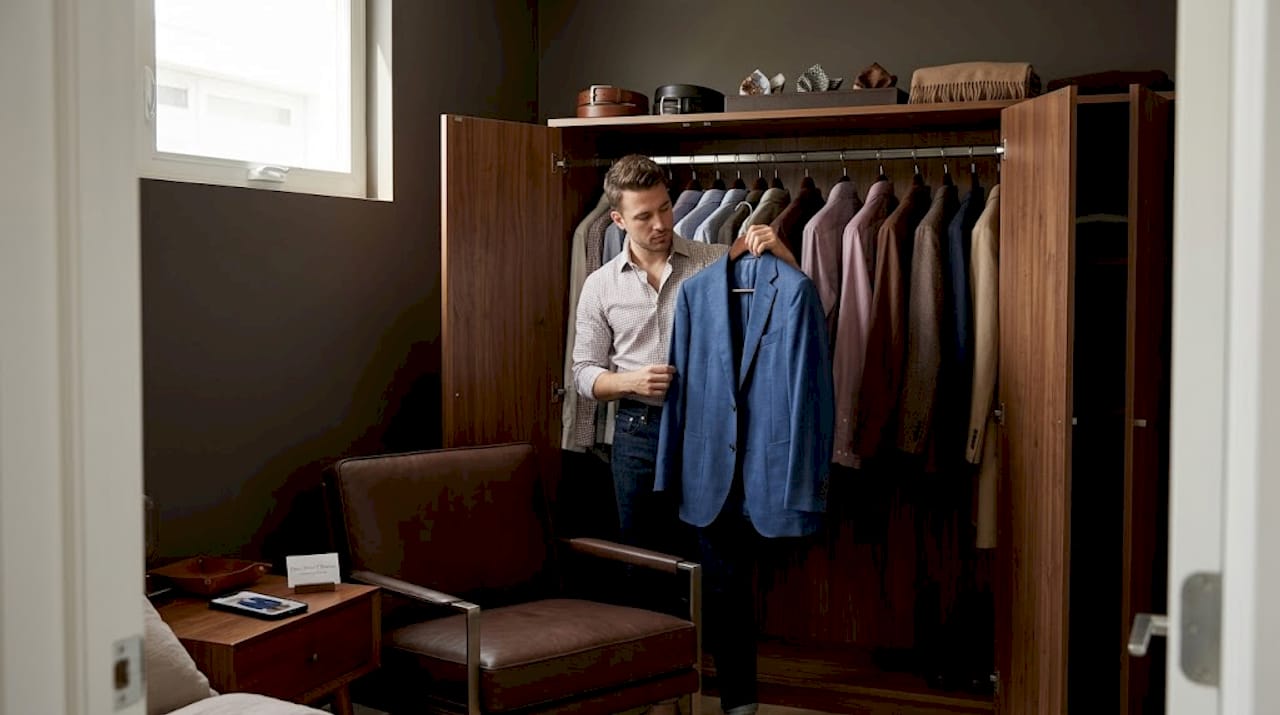
Start with a wardrobe audit. Pull out every piece you own and sort by occasion: party and event wear, everyday basics, concert outfits, work attire, and wedding or formal looks. Note what feels worn out, what you have duplicated, and what categories have zero coverage. If you wear plus sizes, pay attention to which styles actually fit your body well versus items you bought hoping they would work.
From there, define your occasions for the upcoming season. A summer lineup looks different if you have two weddings, three rooftop parties, and regular lunch dates compared to a season with mostly casual plans. Write them down. This step alone cuts impulse purchases by half because every item you consider has to earn its place.
- Set a firm budget before opening any shopping app or site
- Identify your personal style anchor (bold, minimalist, maximalist, casual chic)
- List 3 to 5 key occasions you are shopping for
- Note any sizing needs, including plus size requirements or custom fit preferences
- Check for seasonal wardrobe essentials that apply to your list
A seasonal capsule wardrobe typically runs 15 to 25 pieces using a 5-5-5 formula: 5 basics, 5 seasonal statement pieces, and 5 accessories. That framework can generate 30 to 50 outfit combinations from a compact, controlled collection.
Pro Tip: Write your occasion list before you set your budget. The occasions tell you which categories need the most investment, so your money goes to what you actually wear.
How to plan and execute your shopping, step by step
This is where the seasonal retail workflow gets real. Planning without a method still leads to overbuying. The steps below give you a repeatable process you can use every season.
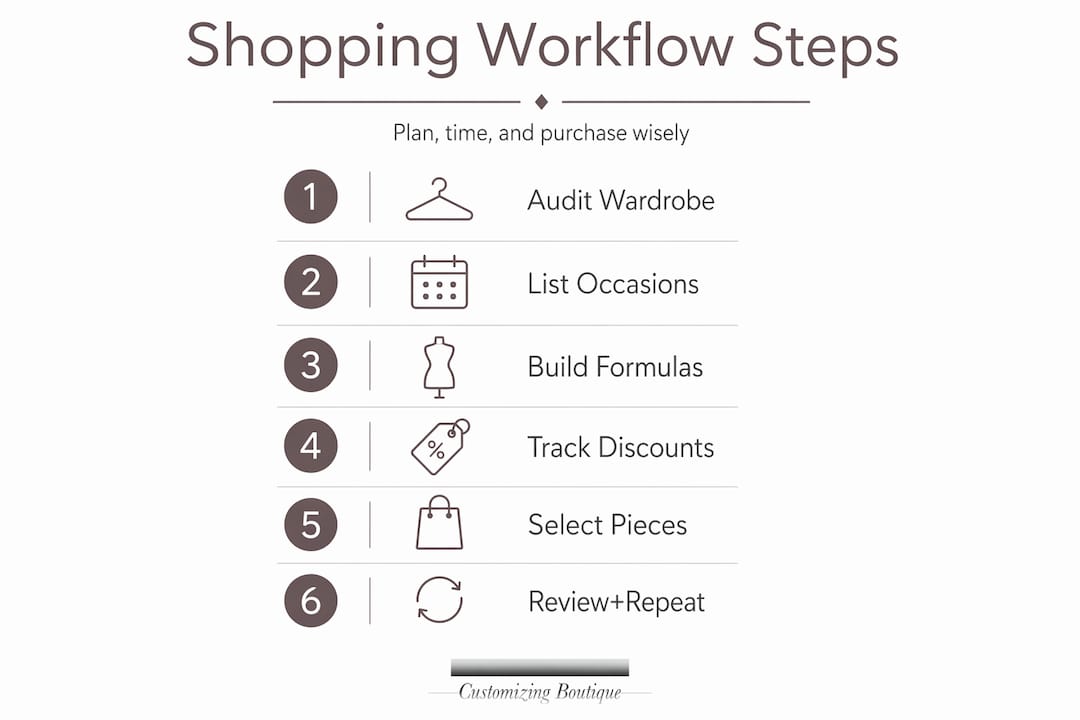
Step 1: Build your outfit formulas
Start by identifying 5 to 8 outfit formulas that work for your lifestyle. An outfit formula is a simple template, like fitted top plus wide-leg trousers plus a statement heel, or oversized blazer plus bodysuit plus sneakers. These formulas tell you exactly which category of piece you need instead of letting trends push you toward random purchases.
Planning in mini-seasons of 4 to 6 weeks rather than one big seasonal block prevents both wardrobe gaps and overspending. Think of summer as early summer, peak summer, and the transition into fall. Each mini-season has a slightly different occasion mix and weather profile.
Step 2: Know the markdown calendar
Timing is money. Deep discounts of 40 to 70% typically arrive between 60 and 90 days into a retail season. If you can wait, the selection thins out but the savings are real. The four stages of the retail markdown cycle look like this:
| Stage | Timing | Typical Discount |
|---|---|---|
| Initial markdown | Weeks 8 to 12 | 25 to 30% off |
| Mid markdown | Weeks 16 to 20 | 45 to 55% off |
| Deep discount | Weeks 24 to 28 | 70 to 80% off |
| Final liquidation | Weeks 28+ | 80 to 90% off |
January and July are your two biggest windows: January offers 50 to 70% off winter collections, and July brings 40 to 60% off summer pieces. Those are the best moments to stock up on quality basics and statement pieces you identified during your audit.
Step 3: Apply the Rule of 3
Before purchasing anything, ask one question: does this item work with at least 3 things already in my closet? The Rule of 3 for wardrobe planning is the single most effective filter for cutting impulse buys. If the answer is no, the item stays on the rack unless it fills a specific occasion gap you documented during your audit.
Step 4: Select occasion-specific pieces with purpose
Here is where the guide to seasonal shopping gets specific. Party event outfits need one wow factor: a color, a texture, a silhouette. Concert looks benefit from bold pieces that hold up to movement and lighting. Lunch date outfits sit between casual and put-together, so they pull double duty with slight modifications. Wedding guest attire follows its own rules around formality and dress codes.
For plus size shoppers, the smart tips for plus size fashion approach matters here: focus on fit first, then trend. A well-fitted piece in a classic cut always outperforms a trend piece that does not sit right on your body.
- Confirm the dress code or vibe for each occasion on your list
- Match each occasion to one outfit formula from step 1
- Identify the one “missing piece” per formula
- Apply the Rule of 3 before adding it to your cart
- Stack discounts: clearance price plus promo code plus cashback rewards
Stacking layered discounts including promo codes, cashback, and loyalty rewards on top of clearance pricing can push savings well beyond the markdown alone. Set up alerts on your shopping apps before sale events start, not during.
Pro Tip: Markdowns often follow inventory signals rather than the calendar. When a brand announces a new collection or redesign, the current stock usually drops in price within 1 to 3 weeks. Watch for those announcements.
Maintaining your seasonal shopping workflow long-term
Getting the workflow right once is not the goal. Building a system you can run every season without starting from scratch is. These habits keep your wardrobe functional and your shopping focused.
- Do a monthly mini-refresh by checking what you actually wore that month, based on laundry
- Use the one-gap fix rule to address one missing category per month instead of bulk buying
- Track which outfit combinations you actually use by keeping a simple note on your phone
- Store out-of-season items properly: clean before storing, use breathable bags for knitwear and delicate fabrics
- Replace or donate pieces when they have been unworn for two full seasons
- Revisit your occasion list at the start of each mini-season to adjust for new events
The one-gap rule is worth emphasizing. Most wardrobe bloat comes from solving the same gap repeatedly instead of solving it once and moving on. If you keep buying tops but never wear them, the gap is not the tops. It is probably the bottoms or shoes that do not work with what you have.
Earnings reports and inventory announcements from retailers also function as early signals for upcoming sales. Setting up email alerts and app notifications for your most-used brands, 4 to 6 weeks before a major sale window, means you shop prepared instead of reactive.
Pro Tip: Take a photo of your top 10 most-worn outfits at the end of each season. That image tells you more about your actual style than any quiz or mood board ever will.
Fixing common problems in your shopping workflow
Even a solid workflow runs into friction. Here is how to handle the most common issues without derailing your whole plan.
- Unpredictable weather: Build a bridge capsule of 3 to 4 transitional pieces (a light layer, a versatile boot, a mid-weight top) that work across two mini-seasons
- Size availability during markdowns: Shop at the start of the second markdown stage (weeks 16 to 20) when discounts are real but selection is still strong
- Impulse buying urges: Keep your occasion list and outfit formulas visible, either in a notes app or printed and kept with your wallet
- Trend burnout: Anchor 70% of your purchases in classic silhouettes and spend only 30% on trend pieces to avoid rapid obsolescence
- Finding unique event pieces: Custom and made-to-order options remove the size availability problem entirely and guarantee you will not see your outfit on someone else
“The best seasonal shoppers are not the fastest. They are the most prepared. They know their gaps, they know the timing, and they move when it counts.”
For event attire specifically, including party looks, wedding guest outfits, and concert-ready pieces in plus sizes, custom options give you control that off-the-rack never will. The personalized special occasion styling guide walks through how to make those decisions for specific events.
My honest take on mastering seasonal shopping
I have tested nearly every version of this workflow, and the thing that surprised me most was how much timing matters compared to budget. I used to think spending more meant buying better. Then I started tracking the markdown cycle and realized I was regularly overpaying by 40% just for the privilege of shopping early.
The outfit formula system changed everything for me. Once I stopped shopping for individual pieces and started shopping for formulas, impulse buys dropped significantly. Every item had to solve a real problem. That mindset shift, from “I love this” to “this completes this formula for this occasion,” is where the real savings and wardrobe clarity come from.
What I appreciate most about brands like Primadonsanddonnas is the made-to-order model. It removes the guesswork around fit entirely, which is the piece most shopping workflows ignore. No amount of markdown timing helps if the piece does not fit correctly.
Approach your workflow as a system you build over time, not a checklist you finish once. Each season teaches you something new about what you actually wear.
— Latoya
Shop the workflow at Primadonsanddonnas
Primadonsanddonnas takes the guesswork out of occasion dressing. The made-to-order dress collection is built for weddings, parties, concerts, and every special event in between, with sizing tailored to you. Need outerwear for seasonal transitions? The custom outerwear collection covers layering from early fall through deep winter. Shoes and sneakers from the custom footwear range complete the look from the ground up. Every piece is made to your size and color preference, so you are never stuck compromising on fit. Ready-to-ship options are also available for faster delivery. Browse the full custom apparel collection and build your seasonal wardrobe on your terms.
FAQ
What is a seasonal collection shopping workflow?
A seasonal collection shopping workflow is a repeatable system that covers wardrobe auditing, occasion planning, markdown timing, and purchase execution each season. It replaces reactive buying with a structured process that saves money and builds a functional wardrobe.
When is the best time to buy seasonal clothes at a discount?
January and July offer the deepest discounts, with 50 to 70% off in January and 40 to 60% off in July. The second markdown stage, around weeks 16 to 20, balances strong savings with reasonable selection.
How many pieces should a seasonal capsule wardrobe have?
A well-built seasonal capsule runs 15 to 25 pieces using a 5-5-5 formula: 5 basics, 5 seasonal items, and 5 accessories. That combination generates 30 to 50 outfit options.
How do I avoid buying too much during seasonal sales?
Apply the Rule of 3 before every purchase: the new item must work with at least 3 pieces you already own. Combine that with a written occasion list, and impulse buys drop fast.
What is the best approach for plus size seasonal shopping?
Focus on fit before trend, and consider made-to-order options for event and occasion wear. Custom pieces remove size availability issues during markdowns and guarantee the outfit works for your body and the occasion.
Recommended
- Bold seasonal wardrobe essentials checklist for every occasion – Prima Dons & Donnas
- Master your personalized fashion styling workflow – Prima Dons & Donnas
- Complete Workflow for Made-to-Order Fashion Success – Prima Dons & Donnas
- Build a Sustainable Fashion Workflow for Personal Style – Prima Dons & Donnas


Leave a comment