

Examples of Sustainable Fashion Materials for 2026
TL;DR:
- Determining truly sustainable fabrics requires evaluating certifications, chemical use, biodegradability, and supply chain transparency.
- Popular options like organic cotton, hemp, linen, and recycled materials excel when produced responsibly and certified properly.
Figuring out which fabrics are actually sustainable is harder than most brands make it look. With so many examples of sustainable fashion materials flooding the market, paired with bold green claims and vague labels, knowing what to trust takes more than good intentions. This article cuts through the noise. You will get a clear framework for evaluating materials, a detailed look at the best sustainable materials available in 2026, and practical guidance for finding eco-friendly textiles that work for real occasions, including party events, weddings, and plus-size fashion.
Table of Contents
- Key takeaways
- 1. Examples of sustainable fashion materials: the evaluation framework
- 2. Organic cotton
- 3. Hemp
- 4. Linen and flax
- 5. Wool and alpaca fiber
- 6. Bamboo linen
- 7. Recycled polyester (rPET)
- 8. TENCEL™ Lyocell and Modal
- 9. BioFleax®
- 10. Piñatex and cactus leather
- 11. ECONYL® regenerated nylon
- 12. Comparing materials: a quick reference
- 13. Choosing sustainable fabrics for special occasion and plus-size fashion
- My honest take on sustainable materials in 2026
- Shop sustainable, made-to-order fashion at Primadonsanddonnas
- FAQ
Key takeaways
| Point | Details |
|---|---|
| Certifications matter most | Look for GOTS or OEKO-TEX labels to confirm a material’s actual environmental and safety standards. |
| Natural is not always sustainable | Processing methods and chemical inputs determine true sustainability, not just the fiber’s origin. |
| Recycled fabrics reduce emissions | GRS-certified recycled polyester cuts CO2 by up to 60% compared to virgin polyester production. |
| New materials are worth knowing | Innovations like BioFleax and ECONYL offer plant-based and recycled performance without sacrificing style. |
| Occasion wear can be eco-friendly | Sustainable fabric options now work beautifully for dresses, outerwear, and plus-size special occasion pieces. |
1. Examples of sustainable fashion materials: the evaluation framework
Before you buy based on a “green” tag, you need a way to evaluate what that actually means. Sustainability in textiles covers several dimensions: environmental impact during growing or production, chemical safety, biodegradability, water use, and how a brand treats the workers making the garment.
Here is what to look for when assessing any fabric:
- Certifications: GOTS (Global Organic Textile Standard) covers organic fibers from farm to finished product. OEKO-TEX® Standard 100 tests for harmful chemicals. GRS (Global Recycled Standard) certifies recycled content.
- Biodegradability vs. bio-based: These are not the same thing. Consumers often confuse bio-based with biodegradable. A fabric made from plants can still end up in a landfill for decades if it is blended with synthetics.
- Water and chemical inputs: Cotton grown conventionally uses enormous amounts of pesticides. Organic versions do not.
- Recyclability: Can the garment re-enter a production cycle at the end of its life?
- Supply chain transparency: Does the brand share where the fabric was grown, processed, and sewn?
Pro Tip: Always look up the specific certification scope for any claim. A fabric can have partial GOTS certification that only covers the fiber, not the dyeing or finishing process. Check the certificate scope before you buy.
2. Organic cotton
Organic cotton is one of the most recognized organic clothing materials on the market. Organic cotton requires no toxic pesticides and is often rain-fed, which significantly lowers its environmental footprint compared to conventional cotton. GOTS certification ensures that every step, from growing to dyeing, meets strict standards.
It is soft, breathable, and familiar. That makes it ideal for everyday wear, dresses, and casual occasion outfits. The trade-off is that it still uses more water than some alternatives, so it is not a perfect solution. But for comfort and accessibility, it remains a strong starting point for anyone building a more conscious wardrobe.
3. Hemp
Hemp grows fast, requires very little water, and puts almost no chemicals into the soil. Hemp and flax are fast-growing with low water and chemical needs, making them two of the most resource-efficient renewable fashion resources available.
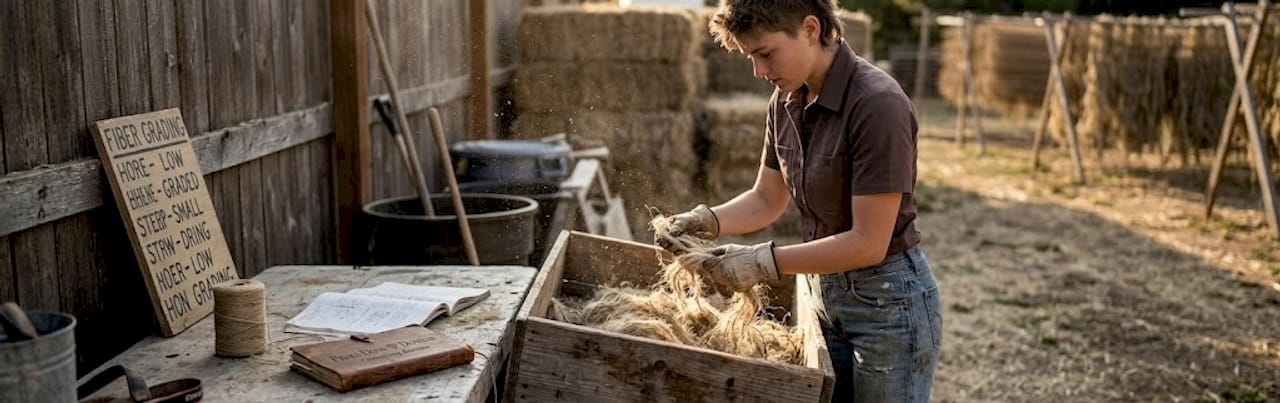
Hemp fabric is durable, breathable, and gets softer with every wash. It works well in structured pieces like blazers, trousers, and bags. The texture can feel stiff initially compared to cotton, but that softens over time. For shoppers prioritizing low environmental impact, hemp is hard to beat.
4. Linen and flax
Linen comes from the flax plant, and it stands out for one specific reason: flax actually captures carbon from the atmosphere while it grows. That puts linen in a category above most other fabrics when it comes to climate impact.
Linen is also fully biodegradable when left undyed or naturally dyed, making it a strong choice in biodegradable clothing materials. It thrives in warm weather, which makes it a natural fit for summer dresses and lunch date outfits. The wrinkle factor is real, but for many eco-conscious shoppers, that trade-off is worth it.
5. Wool and alpaca fiber
Wool and alpaca are renewable animal fibers, shorn seasonally without harming the animal. Regenerative approaches to wool farming can increase soil health and help sequester carbon, moving the conversation beyond “less harm” toward active environmental benefit.
Alpaca fiber is naturally hypoallergenic and does not require the chemical treatments that conventional wool often does. Both fibers are warm, long-lasting, and biodegradable. The key consideration is sourcing: look for certifications like the Responsible Wool Standard (RWS) to confirm ethical animal treatment. These fibers work well for outerwear, knitwear, and cold-weather occasion wear.
6. Bamboo linen
Bamboo grows rapidly and regenerates without replanting, which earns it strong points as a renewable fashion resource. The plant itself is genuinely low impact. The complication comes in processing. Bamboo viscose involves a chemical conversion that can be harsh if not managed in a closed-loop system. Bamboo linen, which uses a mechanical process, is the cleaner option.
When processed correctly, bamboo linen is soft, moisture-wicking, and breathable. It is well-suited to activewear, loungewear, and lightweight occasion dresses.
7. Recycled polyester (rPET)
Recycled polyester is made by breaking down PET plastic bottles and converting them into fiber. GRS-certified recycled polyester reduces CO2 emissions by up to 60% compared to virgin polyester production and extends the lifecycle of plastic that would otherwise become waste.
It performs well in activewear, swimwear, and outerwear because it retains polyester’s durability and moisture-wicking properties. The ongoing concern is microplastic shedding during washing, so pairing rPET garments with a microplastic filter bag is a practical step. Still, for recycled fashion fabrics, rPET is one of the most widely available and accessible options.
Pro Tip: Wash recycled polyester garments in a Guppyfriend bag to reduce microplastic release into waterways. It is a small step that makes a measurable difference.
8. TENCEL™ Lyocell and Modal
TENCEL is a brand name for lyocell and modal fibers produced by Lenzing using a closed-loop manufacturing process. The solvents used in production are recycled at a rate of over 99%, and the wood pulp used comes from sustainably managed forests.
TENCEL lyocell is fully biodegradable, soft against the skin, and drapes beautifully. That combination makes it one of the best sustainable materials for flowing dresses, blouses, and occasion wear. Modal, the slightly more flexible sibling, works well in underwear and activewear. Both fibers carry strong eco-credentials and feel genuinely luxurious to wear.
9. BioFleax®
BioFleax is among the newest examples of sustainable fashion materials worth knowing. BioFleax debuted in 2026 as a 100% plant-based textile with ISCC PLUS certification, and it is compatible with existing PET recycling streams, which solves one of the biggest barriers new bio-based fabrics face.
It debuted in a collaboration between Stella McCartney and H&M, signaling real commercial interest from major players. The compatibility with current recycling infrastructure is the standout feature. Most innovative bio-based fabrics require entirely new end-of-life systems, but BioFleax works within existing recycling setups, which makes it far more scalable.
10. Piñatex and cactus leather
Plant-based leather alternatives have moved from novelty to real product lines. Piñatex is made from pineapple leaf fiber, a byproduct of pineapple harvesting. It uses waste that would otherwise be discarded and converts it into a durable, leather-like material. Cactus leather, made from nopal cactus, goes further because the plant requires no irrigation and grows in arid conditions.
Both options are strong sustainable fabric options for accessories, shoes, bags, and structured jacket details. Neither fully biodegrades in its current commercial form because both use some synthetic backing, but they displace far more resource-intensive conventional leather.
11. ECONYL® regenerated nylon
ECONYL is produced from fishing nets, fabric scraps, and other nylon waste recovered from oceans and landfills. It can be recycled and reproduced infinitely without loss of quality, which gives it a circularity advantage that most materials cannot match.
It performs exactly like virgin nylon in terms of strength and stretch, which makes it excellent for swimwear, activewear, and structured outerwear. For shoppers focused on recycled fashion fabrics with proven performance, ECONYL is a standout.
12. Comparing materials: a quick reference
The sustainable fabrics market is projected to grow at a CAGR of 12.5% through 2035. Plant-based sources dominate with a 54.9% share, and organic fabrics hold the largest fabric-type share at 35.5%. Here is how the key materials stack up:
| Material | Best for | Biodegradable | Key certification | Budget level |
|---|---|---|---|---|
| Organic cotton | Everyday, casual dresses | Yes | GOTS | Moderate |
| Hemp | Structured pieces, bags | Yes | GOTS | Moderate |
| Linen | Summer wear, occasion dresses | Yes | None required | Moderate |
| TENCEL Lyocell | Flowing dresses, blouses | Yes | FSC, EU Ecolabel | Moderate |
| Recycled polyester | Activewear, outerwear | No | GRS | Low to moderate |
| ECONYL® | Swimwear, activewear | No | Bluesign | Higher |
| BioFleax® | Performance, occasion wear | TBD | ISCC PLUS | Higher |
| Piñatex | Accessories, shoes | Partial | None standard | Higher |
For summer occasion wear, lighter fabrics like linen, TENCEL, and organic cotton work best. Lighter sustainable fabrics in lower GSM weights improve both comfort and wearability in warmer months. For outerwear or colder event dressing, wool, alpaca, and ECONYL deliver performance without compromising your values.
Pro Tip: When shopping, ask the brand directly for supply chain documentation. A brand confident in its sustainability practices will share it without hesitation. Silence or vague answers are a red flag.
13. Choosing sustainable fabrics for special occasion and plus-size fashion
Eco-friendly textiles are no longer limited to basics and casualwear. They show up beautifully in special occasion pieces too. Here is how to think about matching materials to occasions:
- Party events and concerts: Look for TENCEL blends or recycled polyester in bold colors and structured silhouettes. These hold shape well and move with you.
- Wedding apparel: Organic silk (GOTS-certified), bamboo linen, and TENCEL lyocell offer the drape and elegance occasion dressing requires. They photograph beautifully and feel luxurious.
- Lunch dates: Linen and organic cotton are easy wins. Lightweight, breathable, and stylish without overthinking it.
- Plus-size options: Sustainable fabrics work across all sizes. The key is finding brands that offer full-size inclusivity in their eco-conscious lines. Stretch blends using organic cotton or recycled spandex are particularly well-suited to plus-size cuts because they support fit without restricting movement.
When you shop for conscious women in 2026, the options are genuinely exciting. You can dress for any occasion and still feel good about what you are wearing.
My honest take on sustainable materials in 2026
I have spent a lot of time paying attention to how sustainable fashion has evolved, and the thing that still trips people up most is the assumption that natural equals sustainable. It does not. I have seen beautiful organic cotton pieces produced in factories with terrible waste practices, and I have seen rPET activewear made with genuine transparency that outperforms its “natural” competition on every sustainability metric.
What gives me real hope right now is the emergence of materials like BioFleax. The fact that it works within existing recycling infrastructure changes the game entirely. Most new materials require consumers and recyclers to build entirely new systems. That rarely scales. BioFleax sidesteps that problem, which is why I think it signals something genuinely new.
My practical advice: start with certifications. GOTS and OEKO-TEX are not marketing badges. They are third-party verified standards. If a brand cannot tell you what certifications apply and where in the supply chain they apply, keep looking. Sustainability claims require documentation, and that documentation should be easy to find. You do not need to overhaul your wardrobe at once. Buy one quality piece from a transparent brand, learn how it wears over time, and build from there. Durability is sustainability too.
— Latoya
Shop sustainable, made-to-order fashion at Primadonsanddonnas
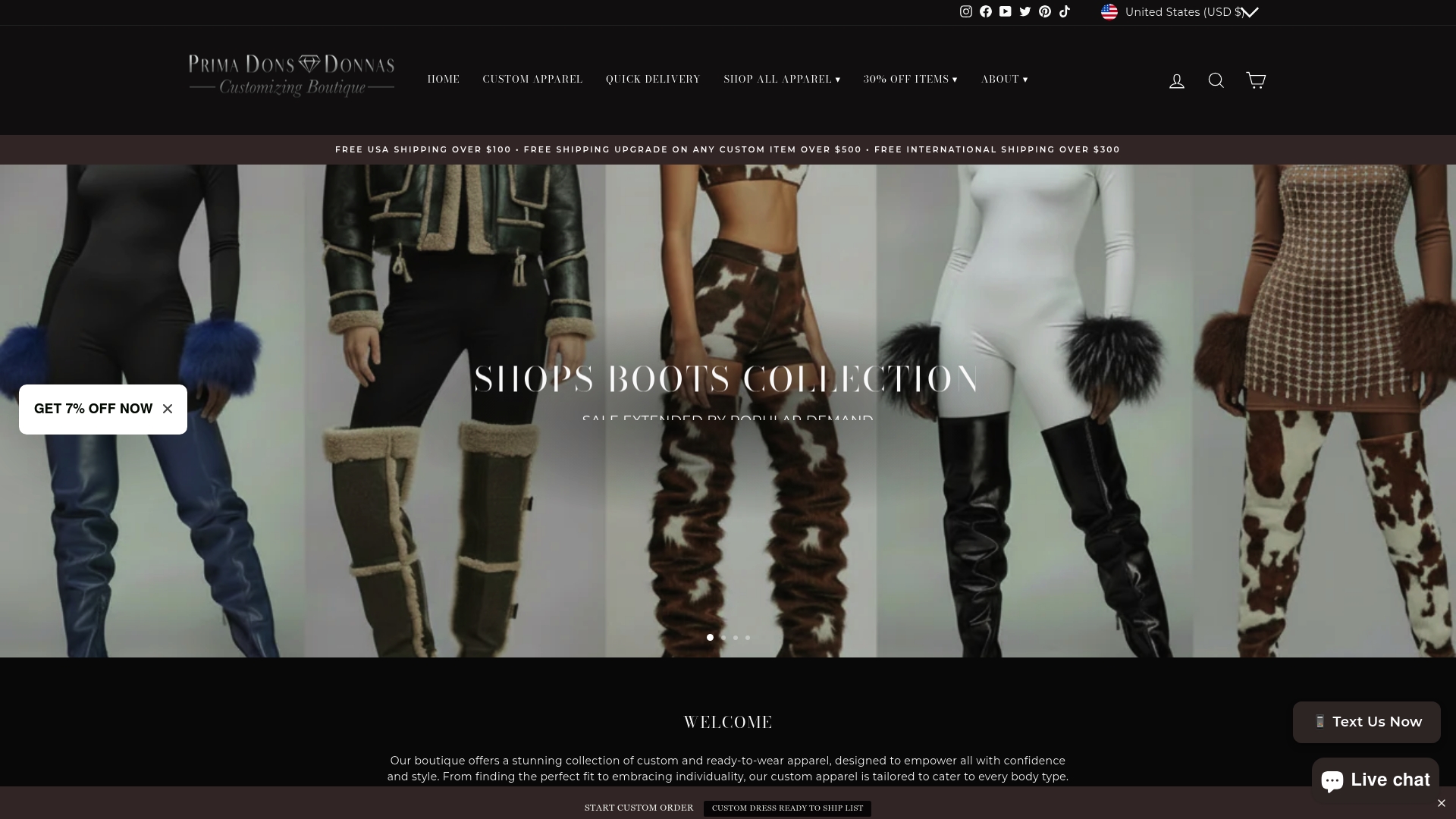
Primadonsanddonnas makes it easy to wear your values without sacrificing style. Every piece in the made-to-order dress collection is custom-crafted to your size and color preferences, so nothing goes to waste in production. Whether you need a standout look for a party, a concert, a wedding, or a lunch date, there is a piece built for the occasion. The custom outerwear collection and plus-size boots round out the lineup with the same commitment to bold style and quality you can feel. Ready-to-ship options also available for quick delivery.
FAQ
What are the most common examples of sustainable fashion materials?
Organic cotton, hemp, linen, TENCEL lyocell, recycled polyester (rPET), and ECONYL are among the most widely used sustainable fabric options. Each offers different performance benefits and environmental trade-offs depending on how they are produced.
Are recycled fabrics actually sustainable?
Yes, when certified. GRS-certified recycled polyester reduces CO2 emissions by up to 60% versus virgin polyester. The key is verifying the certification rather than taking the recycled claim at face value.
Is bamboo fabric eco-friendly?
Bamboo as a plant is highly sustainable, but the eco-credentials depend entirely on the processing method. Bamboo linen, made mechanically, is the cleaner option. Bamboo viscose can involve harsh chemicals unless produced in a certified closed-loop system.
How do I spot greenwashing in fashion?
Look for third-party certifications like GOTS or OEKO-TEX, and ask for supply chain documentation. Vague claims like “eco-conscious” or “green” without any certification backing are common signs of greenwashing.
Can sustainable fabrics be used for plus-size and occasion wear?
Absolutely. Materials like TENCEL lyocell, organic cotton blends, and recycled polyester work across all sizes and occasion types. Brands like Primadonsanddonnas offer custom sustainable apparel in any size, so fit and sustainability do not have to be separate priorities.
Recommended
- Fashion sustainability trends 2026: bold eco-friendly style – Prima Dons & Donnas
- Sustainable fashion explained: a guide to eco-chic choices – Prima Dons & Donnas
- Why Sustainable Fashion Matters: Eco-Friendly Style Guide – Prima Dons & Donnas
- Sustainable fashion options for conscious women in 2026 – Prima Dons & Donnas


Leave a comment