

Sustainable fashion explained: a guide to eco-chic choices
TL;DR:
- Sustainable fashion is a holistic framework balancing environmental, social, and economic factors.
- Made-to-order clothing reduces waste, promotes durability, and increases emotional value.
- True sustainability requires transparency, third-party certifications, and meaningful industry shifts.
The fashion industry contributes 10% of global carbon emissions and generates 92 million tons of textile waste every single year. That number is hard to ignore. Yet most conversations about sustainable fashion stop at reusable tote bags and organic cotton labels. Real sustainability goes much deeper, and the gap between marketing language and meaningful action is wider than most shoppers realize. This guide breaks down what sustainable fashion actually means, how to evaluate brands honestly, and how choices like made-to-order and custom clothing can align your wardrobe with your values without sacrificing bold, confident style.
Table of Contents
- What sustainable fashion really means
- The building blocks: Materials, methods, and models
- Fashion’s real impact: Stats, challenges, and greenwashing
- How to build a sustainable wardrobe (and what really lasts)
- Our perspective: Why sustainable fashion needs more than just good intentions
- Discover made-to-order, sustainable style
- Frequently asked questions
Key Takeaways
| Point | Details |
|---|---|
| True sustainability defined | Sustainable fashion means eco-friendly design, ethical production, and choices that last. |
| Impact is measurable | Look for facts and certifications to verify sustainability and avoid greenwashing. |
| Made-to-order cuts waste | Personalized clothing helps prevent overproduction while offering exclusivity. |
| Style and values align | It’s possible to express unique style and support responsible fashion at the same time. |
What sustainable fashion really means
Sustainable fashion is not a single feature or a label sewn into a garment. It is a framework. A way of thinking about how clothing is designed, made, worn, and eventually retired. Sustainable fashion integrates environmental, social, and economic aspects through ecodesign, circular economy principles, and lifecycle thinking. That means every stage of a garment’s life matters, from raw material sourcing to end-of-life disposal.
Understanding what sustainable fashion means starts with three core pillars:
- Environmental: Reducing carbon emissions, water use, and chemical pollution across the supply chain.
- Social: Ensuring fair wages, safe working conditions, and ethical treatment of workers at every level.
- Economic: Supporting business models that remain viable without relying on overproduction or exploitation.
These pillars work together. A brand that uses organic cotton but pays poverty wages is not truly sustainable. A brand that treats workers fairly but ships excess inventory to landfills every season is not either. Real sustainability requires all three pillars to hold.
Some terms you will encounter often:
- Ecodesign: Designing products with their full lifecycle in mind, prioritizing repairability, recyclability, and longevity.
- Circular economy: A system where materials stay in use as long as possible, then re-enter the production cycle instead of becoming waste.
- Responsible sourcing: Tracing materials back to their origin to verify ethical and environmental standards.
- Lifecycle thinking: Measuring a product’s impact from raw material extraction through disposal.
“Sustainability in fashion is not a destination. It is a continuous process of reducing harm and increasing value at every stage of a garment’s life.”
This is why a single eco-friendly material choice does not make a brand sustainable. It is one step in a much longer process. Shoppers who understand this framework are far better equipped to evaluate brands honestly and use an eco-friendly style guide to make choices that actually move the needle.
The building blocks: Materials, methods, and models
With a clear framework in place, the next step is understanding what makes a specific garment more or less sustainable. Three factors matter most: materials, production methods, and the business model behind the brand.
Materials fall into several categories:
- Organic fibers: Grown without synthetic pesticides or fertilizers. Cotton, linen, and hemp are common examples.
- Recycled materials: Fabrics made from post-consumer or post-industrial waste, such as recycled polyester from plastic bottles.
- Upcycled textiles: Existing fabric or garments transformed into new pieces, reducing the need for virgin materials.
- High-quality faux alternatives: Options like premium faux fur that eliminate animal welfare concerns while maintaining luxury aesthetics.
Production methods are equally critical. Key methodologies include mechanical, chemical, and thermal recycling, and ecodesign frameworks focus on durability, repairability, and recyclability. Mechanical recycling shreds fabric into fibers for reuse. Chemical recycling breaks materials down to a molecular level for higher-quality outputs. Thermal recycling recovers energy from textiles that cannot be processed otherwise.
| Material | Sustainability strength | Key consideration |
|---|---|---|
| Organic cotton | Low chemical impact | High water use |
| Recycled polyester | Diverts plastic waste | Microplastic shedding |
| Faux fur (premium) | No animal use | Depends on production method |
| Upcycled fabric | Near-zero new resource use | Limited scalability |
Business models may be the most underrated factor. Made-to-order production is one of the most effective tools for reducing waste. When a garment is only created after a customer orders it, there is no excess inventory piling up in warehouses or heading to landfills. Explore sustainable options in custom clothing to see how this model works in practice.
Pro Tip: When evaluating a brand, look for third-party certifications like GOTS (Global Organic Textile Standard), OEKO-TEX, or B Corp. These are independently verified and far more reliable than vague claims like “eco-friendly” or “green.”
The 2026 fashion trends show a clear shift toward transparency and traceability. Brands that cannot explain where their materials come from or how their workers are treated are falling behind consumer expectations fast.
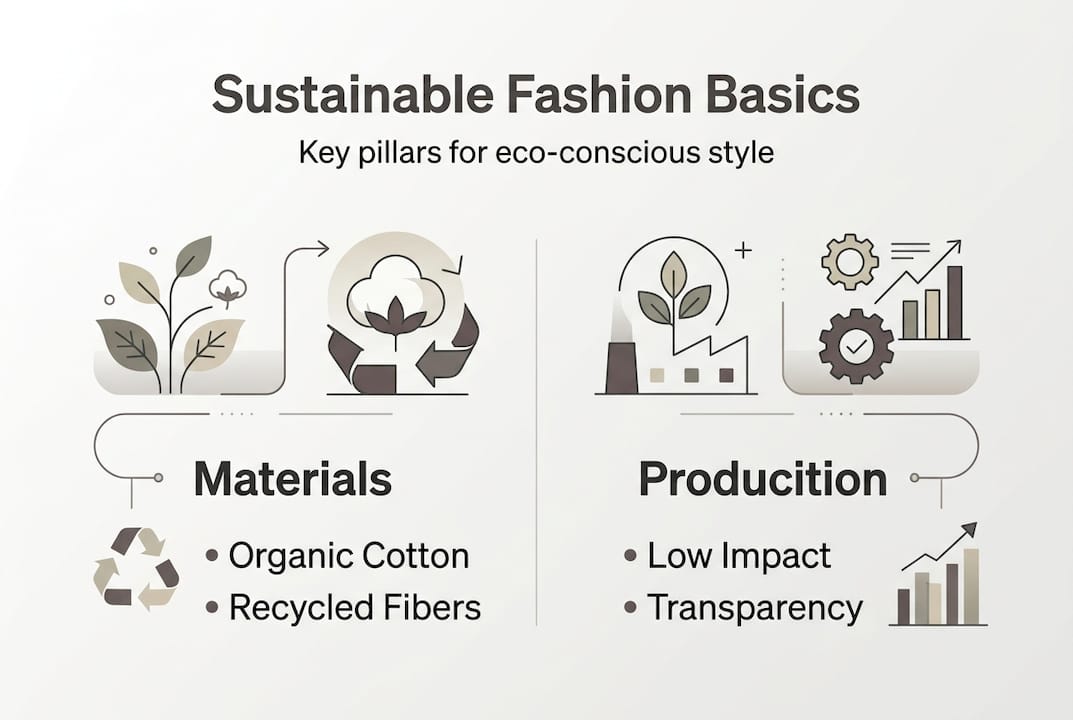
Fashion’s real impact: Stats, challenges, and greenwashing
Numbers tell the clearest story. The fashion industry generates 92 million tons of textile waste per year and consumes 93 billion cubic meters of water annually. To put that in perspective, that is enough water to meet the drinking needs of five million people for an entire century. Recycled content in garments can divert significant volumes from landfills, but the scale of the problem demands more than incremental fixes.
Here is a quick snapshot of fashion’s environmental footprint by category:
| Impact category | Annual scale |
|---|---|
| Carbon emissions | 10% of global total |
| Textile waste | 92 million tons |
| Water consumption | 93 billion cubic meters |
| Microplastic pollution | 35% of ocean microplastics |
Greenwashing is one of the biggest obstacles for conscious shoppers. It refers to brands making vague or misleading environmental claims without the data to back them up. Common red flags include:
- Broad terms like “sustainable,” “eco,” or “green” with no specifics.
- Highlighting one eco-friendly feature while ignoring larger supply chain issues.
- No third-party certifications or independent audits.
- Lack of transparency about factory conditions or material sourcing.
- Claims about carbon neutrality without published offset data.
Incremental changes are insufficient for meaningful industry transformation. A paradigm shift in business models is needed, and pitfalls like greenwashing and waste colonialism (shipping unsold inventory to lower-income countries) continue to undermine real progress. Explore options for conscious women who want to shop with clarity and confidence.
To verify a brand’s sustainability claims, use these steps:
- Search for the brand on third-party rating platforms like Good On You.
- Check for published supply chain transparency reports.
- Look for recognized certifications on product pages.
- Read independent reviews, not just brand-owned content.
- Ask directly. Sustainable brands welcome questions about their practices.
For a broader view of conscious living beyond fashion, green beauty practices follow similar principles of transparency and ingredient integrity. Use these eco-friendly wardrobe tips to build a cleaner closet step by step.
How to build a sustainable wardrobe (and what really lasts)
Knowing the challenges is only useful if it leads to action. Building a sustainable wardrobe is not about perfection. It is about making smarter choices, one piece at a time.
“The most sustainable garment is the one you already own and continue to love.”
Start here:
- Audit your closet. Identify what you actually wear. Items that sit untouched for a year are candidates for donation, resale, or repurposing.
- Shop by certification. Prioritize brands with GOTS, OEKO-TEX, or Fair Trade certifications when buying new.
- Choose made-to-order when possible. Custom pieces are made for you specifically, reducing waste and increasing the likelihood you will wear them for years.
- Repair before replacing. A broken zipper or loose seam is not a reason to discard a garment. Learn basic repairs or find a local tailor.
- Build emotional connections. Pieces with personal meaning get worn longer. Custom clothing, chosen colors, and tailored fits all increase emotional attachment.
Prioritizing durability and emotional attachment for longevity is a measurable sustainability strategy. Factories with higher Higg Index scores demonstrate lower environmental impact across their production processes.

Why made-to-order matters goes beyond just reducing waste. When you choose made-to-order clothing, you invest in a piece designed around your body, your preferences, and your style. That personal investment translates directly into longer use. The custom clothing benefits extend from fit and quality to the simple fact that you chose it intentionally.
Pro Tip: Mix exclusivity with eco-consciousness by investing in one or two statement custom pieces per season rather than buying multiple trend-driven items. A bold, well-made coat in a color you love will outlast a dozen fast fashion buys.
Our perspective: Why sustainable fashion needs more than just good intentions
Here is the uncomfortable truth: good intentions do not change industries. Consumer demand does. Brands that slap an “eco” label on a product without restructuring their supply chain, reducing overproduction, or investing in circular systems are not sustainable. They are strategic. And the difference matters.
The industry does not need more incremental tweaks. It needs disruptive business models. Made-to-order is one of them. When production is tied directly to demand, overproduction becomes structurally impossible. That is not a marketing claim. It is a design decision.
Personalization and storytelling also increase longevity in ways that materials alone cannot. A garment you chose, customized, and waited for carries meaning. That meaning keeps it in your wardrobe longer than any certification label. Understanding fast fashion vs made-to-order reveals just how different these models are at their core.
The ask is simple: demand more. Ask brands where their materials come from. Ask who made your clothes. Ask what happens when a piece wears out. Brands that cannot answer those questions clearly are not ready to lead the change the industry needs.
Discover made-to-order, sustainable style
If this guide has shifted how you think about your wardrobe, the next step is straightforward. Prima Dons and Donnas builds every piece around you, your size, your color, your vision. No excess inventory. No compromise on fit.
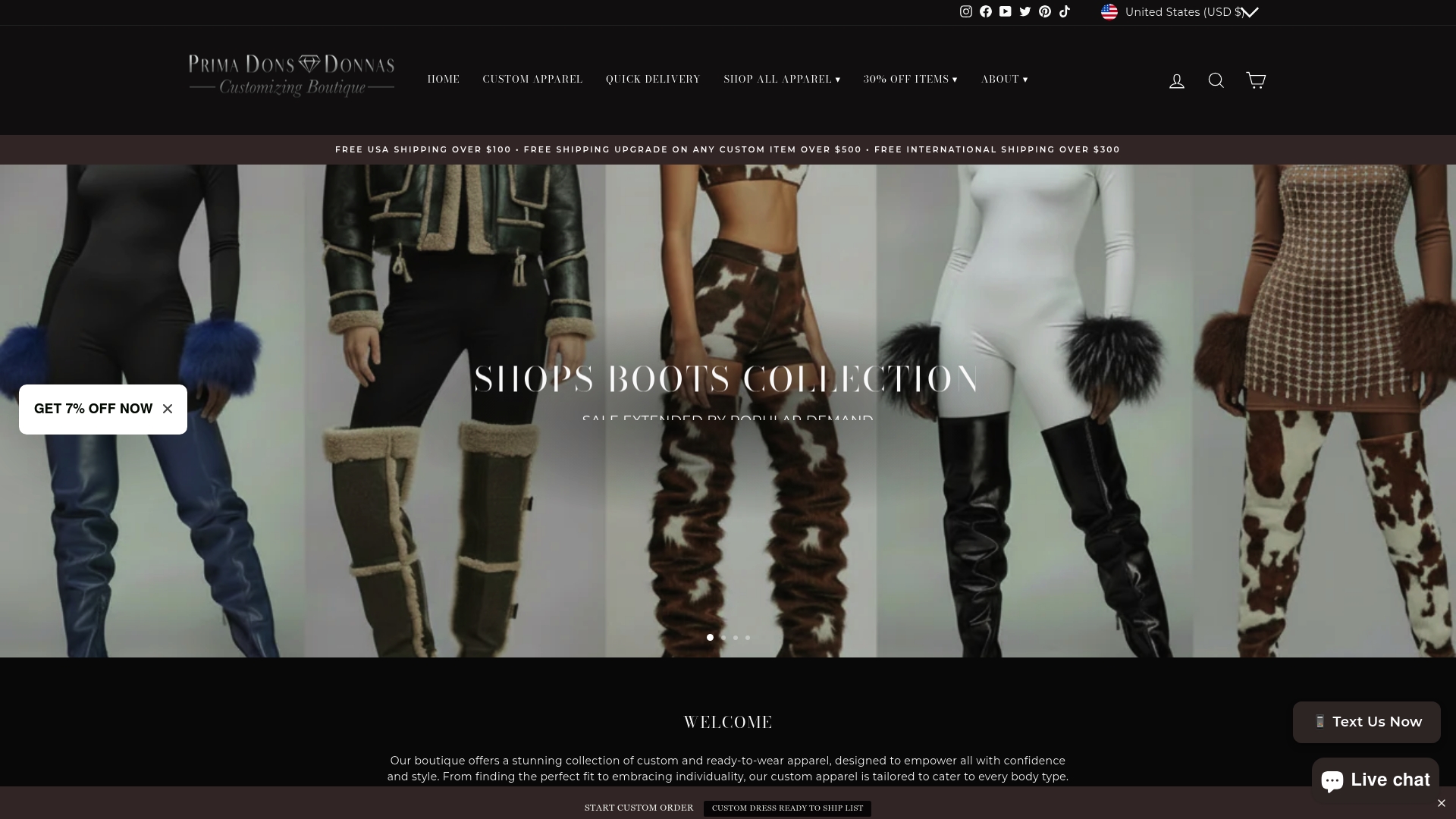
Browse custom made-to-order dresses crafted for bold, confident style. Explore custom outerwear featuring premium faux fur options for conscious shoppers who refuse to choose between luxury and responsibility. Ready to build a wardrobe that reflects your values? Discover sustainable style across the full collection, including ready-to-ship options for when you want something exceptional, fast.
Frequently asked questions
What are the main principles of sustainable fashion?
Sustainable fashion integrates environmental, social, and economic aspects through ecodesign, circular economy principles, and lifecycle thinking. In practice, this means designing for durability, sourcing responsibly, and ensuring fair labor throughout the supply chain.
How can you tell if a brand is truly sustainable?
Look for third-party certifications, published supply chain data, and clear end-of-life solutions for their products. Ecodesign frameworks focus on durability, repairability, and recyclability, so brands that prioritize these qualities are a stronger bet than those relying on vague marketing language.
Are recycled synthetic fabrics truly sustainable?
Recycled synthetics reduce landfill waste but carry trade-offs. Recycled synthetics offset by recycling energy vary in impact depending on regional energy grids and factory practices, so context matters when evaluating their overall footprint.
Is made-to-order better for the environment than traditional retail?
Yes. Made-to-order aligns with circular fashion by minimizing overproduction and enabling personalization with sustainable materials. When a garment is only produced after purchase, excess inventory and the waste it creates become non-issues.
Recommended
- Why Sustainable Fashion Matters: Eco-Friendly Style Guide – Prima Dons & Donnas
- Sustainable fashion styling tips: Build an eco-friendly wardrobe – Prima Dons & Donnas
- Sustainable fashion options for conscious women in 2026 – Prima Dons & Donnas
- What is sustainable fashion: A 2026 guide – Prima Dons & Donnas
- Τι είναι Sustainable Beauty: Κατανόηση και Εξήγηση - Eneleo - Natural Skin Care


Leave a comment