

Why Sustainable Fashion Matters: Eco-Friendly Style Guide
The fashion industry accounts for 8-10% of global carbon emissions, more than aviation and shipping combined. That’s a staggering footprint for an industry built on self-expression and creativity. Yet sustainable fashion isn’t about sacrificing style or individuality. It’s about making informed choices that protect the planet while celebrating who you are. This guide delivers the facts, busts common myths, and offers actionable steps to build an eco-friendly wardrobe that stands out.
Table of Contents
- The real impact of the fashion industry
- What makes fashion ‘sustainable’?
- Eco-friendly materials: Faux fur, organic cotton, and recycled fibers
- The hidden pitfalls: Rebound effects and greenwashing
- How your sustainable choices make a difference
- Discover sustainable style tailored for you
- Frequently asked questions
Key Takeaways
| Point | Details |
|---|---|
| Hidden impact | Fashion pollutes more than aviation and shipping combined, so choices matter for the planet. |
| Material matters | Not all ‘eco’ fabrics are equal; recycled polyester, faux furs, and organic cotton have different pros and cons. |
| Beware of greenwashing | Over half of sustainability claims in fashion are misleading, so always check credentials and data. |
| Quality over quantity | Buying less but better—like made-to-order—has greater impact than just seeking ‘green’ tags. |
| Your choices count | Opting for quality custom pieces, supporting transparent brands, and extending garment life helps drive real change. |
The real impact of the fashion industry
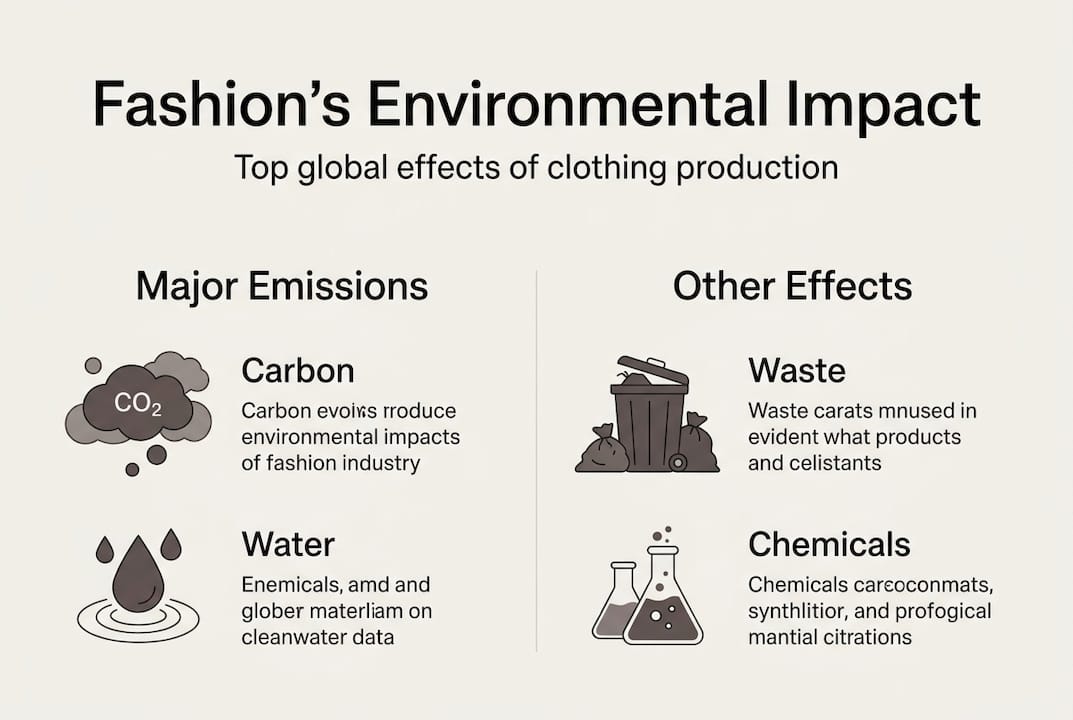
Fashion’s environmental toll extends far beyond carbon emissions. The industry consumes vast amounts of water, energy, and chemicals at every stage of production. Clothing production and consumption have accelerated dramatically over recent decades, creating a waste crisis that most consumers never see.
Consider these realities:
- Water use: A single cotton t-shirt requires approximately 2,700 liters of water to produce
- Chemical pollution: Textile dyeing is the second-largest polluter of clean water globally
- Waste generation: 92 million tonnes of textile waste is produced annually, with only 1% recycled
- Landfill burden: The majority of discarded clothing ends up in landfills or incinerators within one year of purchase
The speed of fashion has fundamentally changed. Fast fashion cycles encourage constant purchasing, with new collections dropping weekly instead of seasonally. This acceleration drives resource depletion and waste at unprecedented rates.
| Impact Category | Annual Scale | Comparison |
|---|---|---|
| Carbon emissions | 8-10% of global total | More than aviation + shipping |
| Textile waste | 92 million tonnes | Only 1% recycled |
| Water consumption | Trillions of liters | Enough to fill millions of Olympic pools |
Pro Tip: Check your closet. If you haven’t worn something in six months, it’s contributing to the problem. Quality over quantity reduces waste and saves money long-term.
The conversation around sustainable fashion has never been more urgent. Understanding the scale of the problem is the first step toward meaningful change.
What makes fashion ‘sustainable’?
Sustainable fashion encompasses environmental, social, and ethical principles that extend throughout a garment’s entire life cycle. It’s not just about materials. It’s about how clothing is made, who makes it, and what happens when you’re done wearing it.
Key sustainability principles:
- Material selection: Choosing recycled, organic, or innovative vegan fabrics that minimize environmental harm
- Production methods: Reducing water use, chemical pollution, and energy consumption during manufacturing
- Labor practices: Ensuring fair wages, safe working conditions, and ethical treatment of workers
- Longevity: Creating durable pieces designed to last years, not months
- End-of-life planning: Designing for recyclability, biodegradability, or circular reuse
The challenge? Labeling is often confusing or deliberately misleading. Terms like “eco-friendly,” “natural,” or “green” appear on products with minimal environmental benefit. This practice, known as greenwashing, makes it difficult to identify genuinely sustainable options.
Life cycle thinking reveals surprising truths. Organic cotton has higher land use and related emissions than some synthetics, while recycled materials can significantly reduce upstream emissions. No single material solves every problem.
Pro Tip: Look for third-party certifications like GOTS (Global Organic Textile Standard), OEKO-TEX, or Fair Trade. These provide verified evidence of sustainability claims.
Social impacts matter as much as environmental ones. A garment made from organic cotton but produced in exploitative conditions isn’t truly sustainable. The sustainable options for custom clothing movement recognizes this interconnection, prioritizing both planet and people.
Eco-friendly materials: Faux fur, organic cotton, and recycled fibers
Material choice shapes your wardrobe’s environmental footprint. Three categories dominate the sustainable fashion conversation: high-quality faux fur, organic cotton, and recycled synthetics. Each offers distinct advantages and tradeoffs.
Faux fur provides animal-friendly luxury with a smaller carbon footprint than real fur. High-quality faux fur made from 100% recycled polyester has lower carbon and water impacts than real fur but isn’t biodegradable and sheds microplastics. The ethical benefit is clear: no animals harmed. The environmental picture is more nuanced.
Organic cotton eliminates synthetic pesticides and fertilizers, protecting soil health and farmer safety. However, it requires more water and land than conventional cotton or some synthetic alternatives. The pesticide reduction is significant, but the resource intensity remains high.

Recycled polyester slashes CO2 emissions by repurposing existing plastic waste. It diverts bottles and textile scraps from landfills, reducing the need for virgin petroleum-based materials. The downside? It’s still plastic. It doesn’t biodegrade and can shed microplastics during washing.
| Material | Environmental Pros | Environmental Cons | Best For |
|---|---|---|---|
| Faux fur (recycled) | Lower carbon than real fur, animal-friendly | Non-biodegradable, microplastic shedding | Statement outerwear, luxury aesthetics |
| Organic cotton | No synthetic pesticides, soil health | High water and land use | Everyday basics, breathable garments |
| Recycled polyester | Reduces virgin plastic, diverts waste | Microplastic shedding, non-biodegradable | Activewear, durable pieces |
No material is perfectly “green.” Tradeoffs exist across water use, carbon emissions, biodegradability, and social impact. The latest eco-friendly fashion trends emphasize transparency about these tradeoffs rather than claiming perfection.
The smartest approach? Choose materials based on garment type and intended use. Faux fur excels for bold, statement pieces. Organic cotton works for everyday basics. Recycled synthetics suit high-performance needs.
The hidden pitfalls: Rebound effects and greenwashing
Even well-intentioned sustainable choices can backfire. Two major pitfalls undermine environmental progress: rebound effects and greenwashing. Understanding these risks helps you make choices that truly reduce impact.
Rebound effects occur when efficiency gains lead to increased consumption. You buy a “sustainable” dress, feel virtuous, then purchase two more because they’re “eco-friendly.” The net result? More environmental impact, not less. Research shows circular innovations can backfire: a 1% efficiency gain increases production by 0.6%, creating a rebound index of 1.6.
This phenomenon, sometimes called moral licensing, tricks us into thinking sustainable purchases justify buying more. The math doesn’t work. Three “eco” dresses still use more resources than one conventional dress worn for years.
Greenwashing compounds the problem. Brands slap “sustainable” labels on products with minimal environmental benefit, exploiting consumer desire to do good. 59% of sustainability claims are misleading, relying on vague language or cherry-picked data.
Common greenwashing tactics:
- Vague terminology: “Eco-friendly” or “natural” without specific evidence
- Irrelevant claims: Highlighting one small sustainable feature while ignoring major impacts
- Hidden tradeoffs: Promoting recycled materials while using exploitative labor
- Lack of proof: Making claims without third-party verification or transparent data
Pro Tip: Ask brands specific questions. How much of the garment is sustainable material? What certifications do you hold? Where and how is it made? Legitimate brands provide clear answers.
Life Cycle Assessment (LCA) tools can help evaluate true environmental impact, but they have limitations. LCAs require extensive data and can’t capture every variable. They’re useful for comparing similar products but shouldn’t be treated as absolute truth.
Small “eco” capsule collections from fast fashion brands deserve special scrutiny. If a company’s core business model relies on overproduction and waste, a tiny sustainable line is likely marketing, not meaningful change. Support brands where sustainability is central, not peripheral.
The conscious fashion movement emphasizes this holistic view, looking beyond individual products to entire business models and supply chains.
How your sustainable choices make a difference
Translating knowledge into action requires practical strategies that balance environmental responsibility with personal style. Your choices matter, but only when paired with intentional consumption patterns.
1. Prioritize quality over quantity
Invest in well-made pieces designed to last. A higher upfront cost pays off when garments survive years of wear instead of months. Clothing production doubled between 2000-2014 and per capita consumption more than doubled since 1975. Reversing this trend starts with buying less and choosing better.
2. Choose made-to-order or custom clothing
Made-to-order models reduce waste by producing only what’s needed. No excess inventory ends up in landfills. Custom pieces also ensure perfect fit and personal expression, increasing the likelihood you’ll wear them for years. The custom clothing sustainability guide explains how personalization and sustainability reinforce each other.
3. Support transparent, responsible brands
Seek out companies that openly share their supply chains, material sources, and labor practices. Transparency indicates accountability. Brands hiding information often have something to hide.
4. Consider the full life cycle
Think beyond purchase to use and disposal. How will you care for the garment? Can it be repaired? What happens when you’re done with it? Choosing pieces designed for longevity and eventual recycling closes the loop.
5. Express individuality through intentional choices
Sustainability doesn’t mean conformity. Expressing style with custom fashion demonstrates how personalized pieces can be both eco-conscious and boldly individual. Your wardrobe should reflect who you are, not fleeting trends.
Pro Tip: Create a capsule wardrobe of versatile, high-quality pieces that mix and match easily. This approach reduces total garment count while maximizing outfit options.
Your impact extends beyond your own closet. Supporting sustainable brands sends market signals that influence industry practices. As demand for responsible fashion grows, more companies invest in better materials and ethical production.
The goal isn’t perfection. It’s progress. Every choice to buy less, choose better, and wear longer contributes to a more sustainable fashion system.
Discover sustainable style tailored for you
Ready to put these principles into practice? Prima Dons and Donnas offers made-to-order collections that combine eco-conscious materials with bold, personalized design. Each piece is crafted to your specifications, eliminating waste from overproduction while celebrating your unique style.
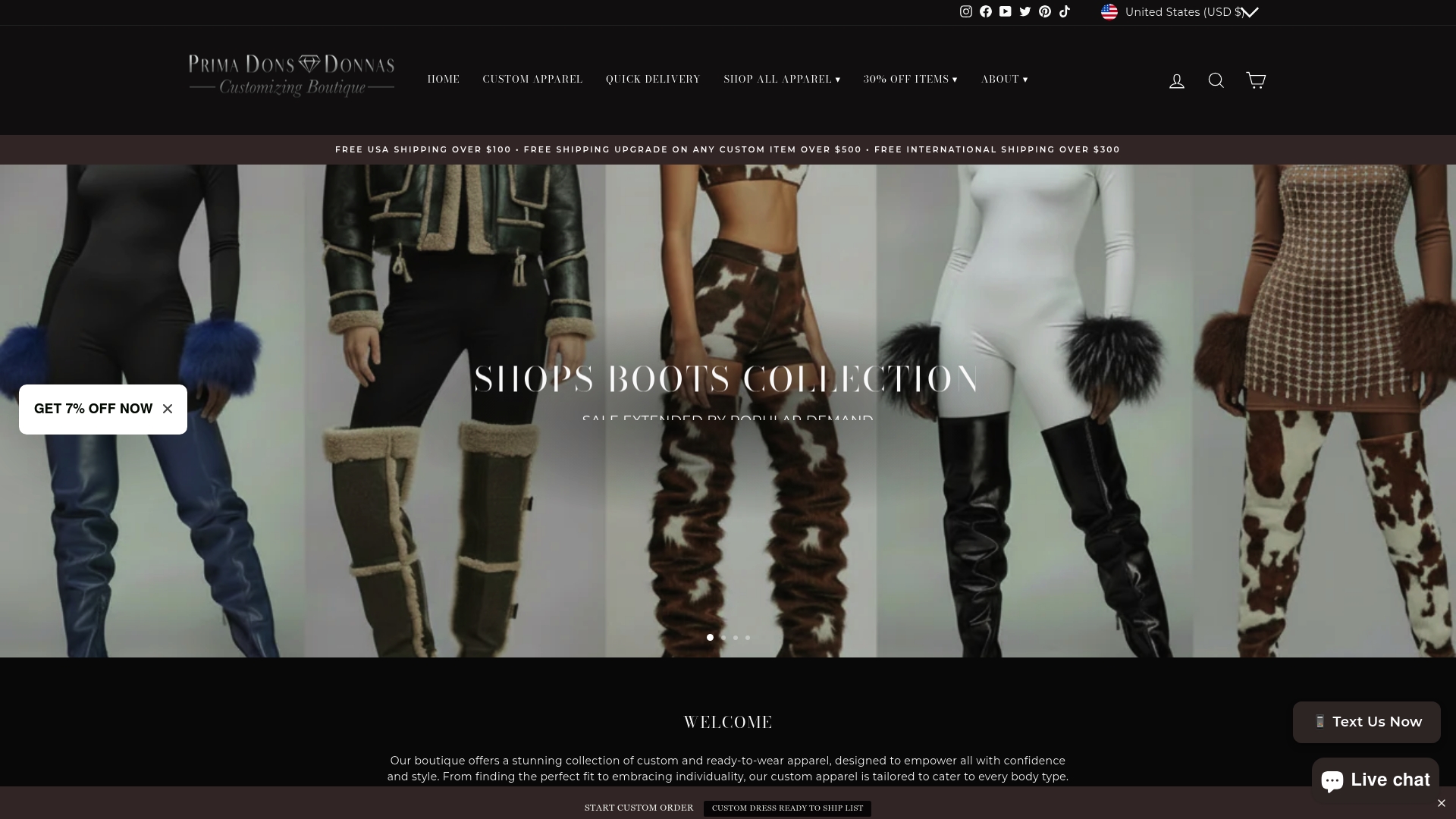
The made-to-order dress collection features customizable designs in sustainable fabrics, tailored to any size or color preference. From everyday elegance to statement pieces, these dresses are built to last and designed to turn heads.
For outerwear that makes an impact, explore custom outerwear options including high-quality faux fur pieces. These garments deliver luxury aesthetics without harming animals, combining ethical choices with confident style.
Complete your look with custom eco-friendly shoes crafted to your exact specifications. Personalized footwear ensures perfect fit and reduces the likelihood of returns or unworn purchases cluttering your closet.
Made-to-order fashion aligns sustainability with individuality. You get exactly what you want, nothing goes to waste, and your wardrobe reflects your values as much as your style. It’s fashion that feels as good as it looks.
Frequently asked questions
What is the most sustainable clothing material?
Recycled materials like recycled polyester offer strong sustainability benefits by reducing virgin resource extraction, though all materials involve some tradeoffs. The best choice depends on garment type and intended use.
How can I spot greenwashing in fashion?
Look for concrete data, third-party certifications, and transparent supply chain information. 59% of sustainability claims are vague or misleading, so be wary of terms like “eco-friendly” without supporting evidence.
Are made-to-order clothes really greener?
Yes, made-to-order models reduce waste by producing only what customers actually purchase, eliminating excess inventory. Supporting brands that offer transparency and responsible practices ensures environmental benefits are genuine.
Does buying sustainable fashion actually help the environment?
It helps when paired with consuming less overall and choosing higher-quality, longer-lasting items. The fashion rebound effect means buying more “sustainable” products can backfire if total consumption increases.
How do I build a sustainable wardrobe without sacrificing style?
Focus on versatile, high-quality pieces that reflect your personal aesthetic and can be worn multiple ways. Custom and made-to-order options ensure perfect fit and unique style while minimizing waste.
Recommended
- What is sustainable fashion: A 2026 guide – Prima Dons & Donnas
- Sustainable fashion options for conscious women in 2026 – Prima Dons & Donnas
- Sustainable Options in Custom Clothing: What Matters – Prima Dons & Donnas
- Fashion sustainability trends 2026: bold eco-friendly style – Prima Dons & Donnas
- Can Hair Extensions Be Eco-Friendly?


Leave a comment