

Fashion sustainability trends 2026: bold eco-friendly style
The fashion industry generates 1.2 billion tons of greenhouse gases each year, yet many believe sustainable fashion means sacrificing bold, luxurious style. This misconception is rapidly dissolving in 2026 as innovative materials, circular economy models, and transparent technologies merge environmental responsibility with striking personal expression. Fashion-forward women no longer face a choice between sustainability and standout style. This guide reveals how 2026’s sustainability trends empower you to embrace custom, eco-conscious pieces that reflect your unique aesthetic while caring for the planet.
Table of Contents
- Understanding The State Of Fashion Sustainability In 2026
- Innovative Materials And Circularity Shaping 2026 Fashion
- Technology And Transparency: Advancing Sustainability And Trust
- Expressing Individuality With Custom Sustainable Fashion
- Explore Bold, Custom Sustainable Fashion At Prima Dons & Donnas
- Frequently Asked Questions
Key takeaways
| Point | Details |
|---|---|
| Circularity drives luxury | 2026 fashion sustainability prioritizes circular design and bold, luxurious aesthetics that elevate personal style. |
| Innovative materials lead | Deadstock fabrics, hemp, mycelium leather, and regenerated cellulose offer sustainable alternatives without compromising quality. |
| Technology ensures trust | Blockchain traceability and ecodesign regulations improve transparency and enable circular product development. |
| Brands embrace recycling | Leading fashion houses adopt upcycled and recycled materials, achieving significant environmental benefits. |
| Custom choices empower you | Personalized sustainable fashion allows bold self-expression while supporting planetary health. |
Understanding the state of fashion sustainability in 2026
Fashion remains one of the most resource-intensive industries globally. The fashion industry contributes 1.2 billion tons of greenhouse gases annually, a figure expected to rise 50% by 2030 without significant intervention. Water consumption, chemical pollution, and textile waste compound these emissions, creating an urgent need for systemic change. Despite growing awareness, progress toward meaningful sustainability has been frustratingly slow.
Energy sources present a critical bottleneck. Renewable energy accounts for just 2% of the industry’s total energy use, indicating minimal decarbonization progress. Most fashion supply chains still rely heavily on fossil fuels for manufacturing, transportation, and retail operations. This energy profile directly contradicts climate goals and reveals how far the industry must travel to achieve carbon neutrality.
Transparency challenges further complicate sustainability efforts. Many brands lack comprehensive visibility into their supply chains, making it difficult to assess environmental and social impacts accurately. Without standardized life cycle assessments, companies struggle to compare materials, processes, and products reliably. Inconsistent methodologies create confusion for consumers trying to make informed choices and open doors for greenwashing.
Supplier engagement represents another critical hurdle. Fashion brands often work with hundreds of suppliers across multiple countries, each with varying sustainability standards and capabilities. Coordinating decarbonization efforts across this fragmented landscape requires substantial investment in relationship building, training, and monitoring. Many smaller suppliers lack resources to adopt cleaner technologies independently.
“Standardized LCAs and supplier collaboration are essential for meaningful progress in fashion sustainability, yet both remain underdeveloped in 2026.”
Key challenges facing fashion sustainability in 2026:
- Greenhouse gas emissions continuing to rise despite awareness
- Minimal renewable energy adoption across supply chains
- Lack of standardized environmental impact assessment tools
- Limited transparency into multi-tier supplier networks
- Insufficient investment in circular infrastructure
These obstacles create both urgency and opportunity. Understanding the sustainable fashion 2026 guide landscape helps you recognize genuine innovations from superficial marketing claims. The brands making real progress are those investing in material innovation, circular design, and transparent reporting.
Innovative materials and circularity shaping 2026 fashion
Material innovation drives the most exciting sustainability advances in 2026. Deadstock fabrics, previously destined for landfills, now inspire luxury collections that celebrate uniqueness and reduce waste. Gabriela Hearst achieved 97% deadstock materials use in Spring/Summer 2026 woven pieces, proving high fashion and sustainability can coexist beautifully. These fabrics offer one-of-a-kind textures and patterns that mass production cannot replicate.
Natural fibers are experiencing a renaissance as brands rediscover their environmental advantages. Hemp requires drastically less water than cotton, making it ideal for water-conscious fashion. Regenerated cellulose fibers like lyocell and modal transform wood pulp into soft, breathable textiles through closed-loop processes that recycle solvents. These materials deliver luxury hand feel while minimizing environmental footprint.
Novel materials push boundaries even further. Mycelium leather grows from mushroom roots, creating durable, biodegradable alternatives to animal and synthetic leathers. Salmon skin, a byproduct of food production, transforms into supple leather for accessories and footwear. Pineapple leaf fiber and orange peel cellulose demonstrate how agricultural waste can become fashion-forward materials.
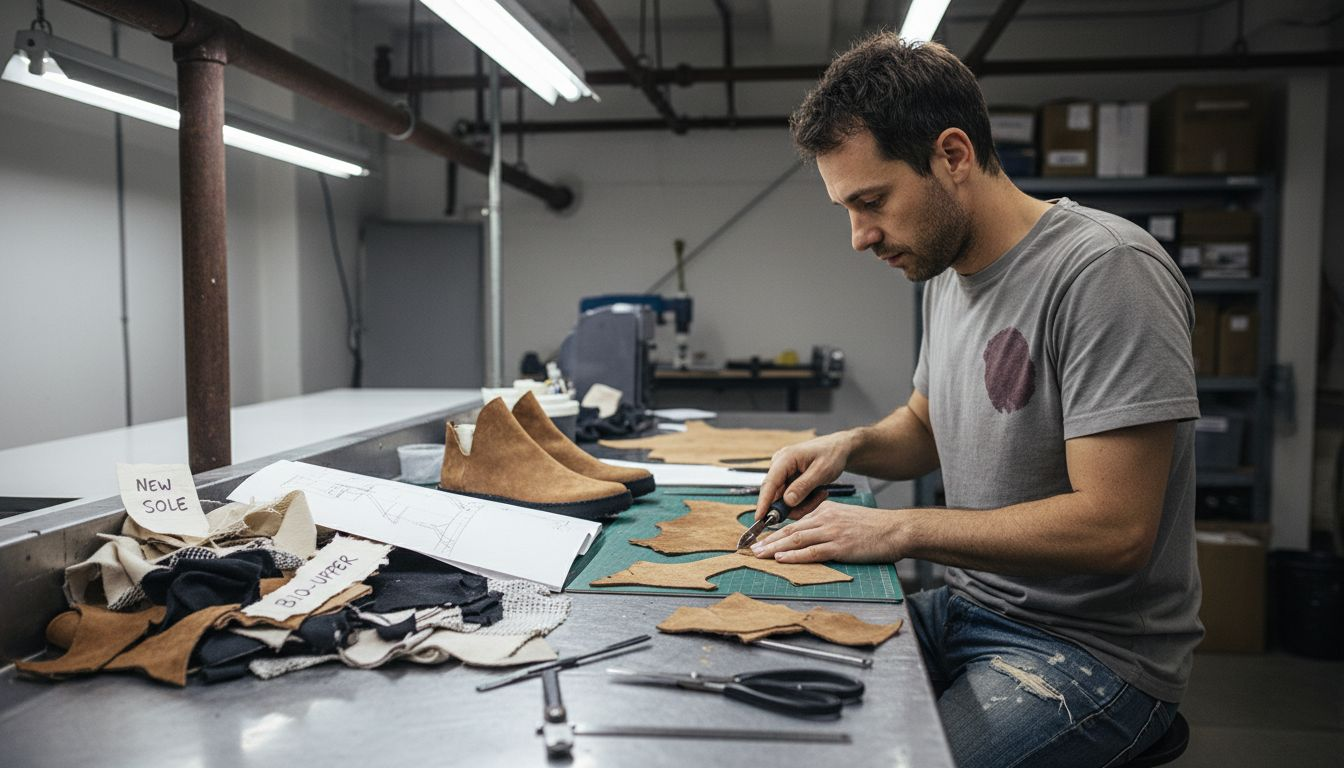
| Material | Water Use | Energy Use | Waste Reduction | | — | — | — | | Hemp vs Cotton | 95% less | 60% less | Minimal pesticides | | Recycled Cotton | 90% less | 80% less | Diverts textile waste | | Mycelium Leather | Minimal | Low | Fully biodegradable | | Deadstock Fabrics | Zero new | Zero new | 100% waste diversion |
Circular economy models complement material innovation by rethinking product lifecycles. Take-back programs allow brands to reclaim worn garments for repair, resale, or recycling. Fiber-to-fiber recycling technologies break down old textiles into raw materials for new fabrics, closing the loop without downcycling. Design-for-recycling principles ensure products can be easily disassembled and sorted at end of life.
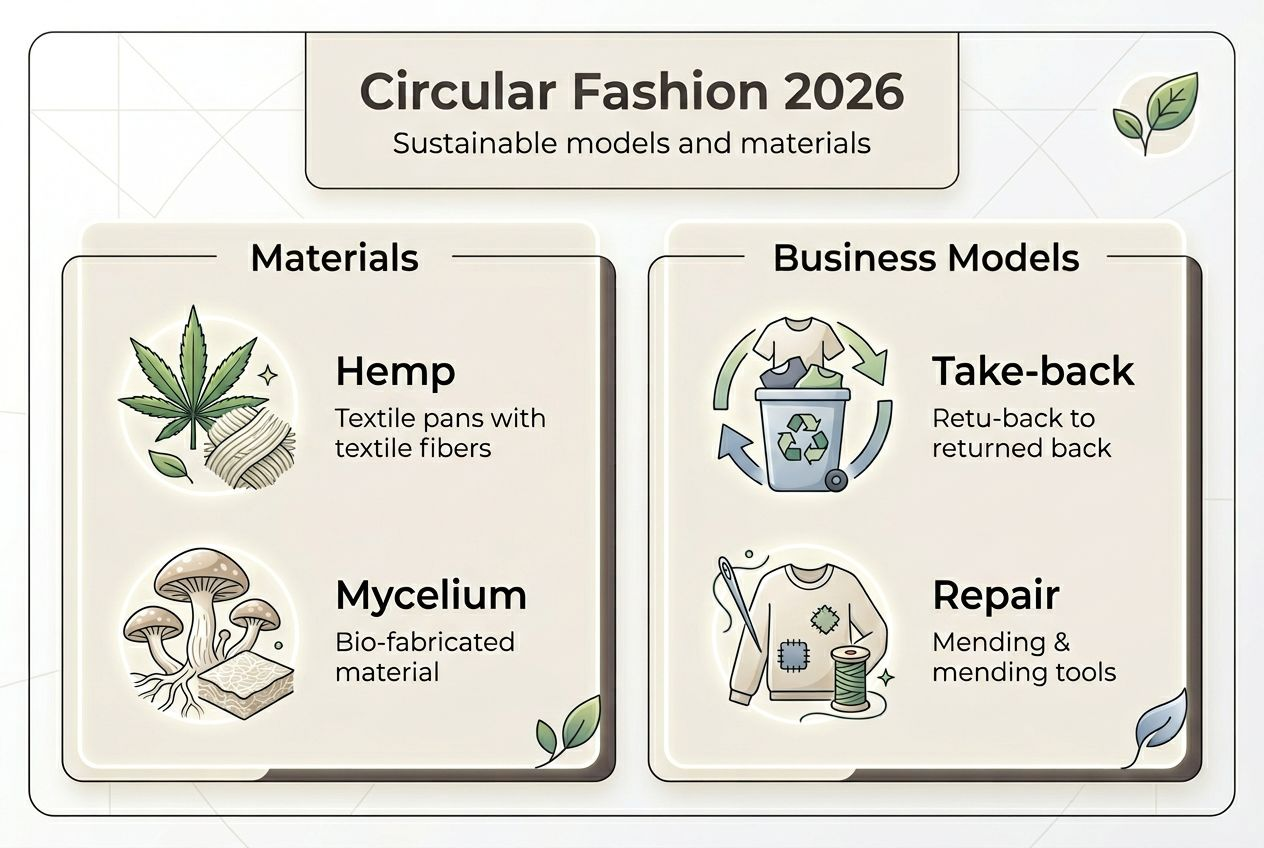
These circular approaches require fundamental shifts in business models. Brands must design for durability and timelessness rather than planned obsolescence. They need reverse logistics infrastructure to collect used items efficiently. Investment in recycling technology and partnerships with specialized processors becomes essential. The payoff is reduced resource extraction and waste while building customer loyalty through ongoing relationships.
Pro Tip: When exploring sustainable custom clothing options, ask about fabric origins and end-of-life plans. Brands committed to circularity will gladly share their material sourcing and take-back programs.
Key sustainable materials transforming 2026 fashion:
- Deadstock and upcycled fabrics for unique luxury pieces
- Hemp and regenerated cellulose for water-efficient textiles
- Mycelium and salmon skin for innovative leather alternatives
- Recycled cotton and polyester for circular fiber systems
- Agricultural waste materials for creative new applications
The top custom clothing brands 2026 increasingly offer these innovative materials as standard options. This democratization allows fashion-forward women to access cutting-edge sustainability without compromising on bold, personalized style.
Technology and transparency: advancing sustainability and trust
Technology is revolutionizing how fashion brands prove their sustainability claims. Blockchain adoption in fashion supply chains is forecast to reach 30% by 2026, enhancing traceability from raw material to finished garment. This distributed ledger technology creates immutable records of each production step, allowing consumers to verify environmental footprints, labor conditions, and material authenticity with a simple scan.
Blockchain’s transparency benefits extend beyond consumer confidence. Brands gain unprecedented visibility into their own supply chains, identifying inefficiencies and sustainability risks in real time. Suppliers can demonstrate compliance with environmental and social standards, potentially accessing better financing and partnerships. The technology also combats counterfeiting, protecting both brand value and consumer trust.
Ecodesign regulation represents another transformative force in 2026. Ecodesign regulation enforces integrating environmental, social, economic factors from the product design stage. This proactive approach prevents pollution and waste rather than managing them after the fact. Designers must consider material selection, production processes, product longevity, and end-of-life scenarios from the first sketch.
Life cycle assessments provide the data foundation for ecodesign and sustainability claims. However, current LCA methodologies face significant reliability challenges. Inconsistent boundaries, data quality issues, and regional variations create wide margins of error. Standardized, hybrid approaches that combine process-based and economic input-output methods offer more accurate results. Region-specific databases improve relevance for local supply chains.
“Transparent, standardized sustainability data transforms consumer trust and enables genuinely informed fashion choices in 2026.”
Steps brands can take to improve supplier engagement and decarbonization:
- Establish clear sustainability targets with measurable milestones
- Provide technical assistance and training for supplier capability building
- Invest in renewable energy infrastructure at key manufacturing sites
- Implement digital tools for real-time emissions monitoring and reporting
- Create incentive structures rewarding sustainability improvements
- Foster long-term partnerships that allow suppliers to plan investments
These systematic approaches yield better results than one-off audits or compliance checks. Suppliers need support and partnership, not just demands. Brands that invest in collaborative decarbonization see faster progress and stronger relationships. This approach also builds resilience against regulatory changes and market shifts toward sustainability.
Pro Tip: Look for brands sharing detailed conscious fashion choices 2026 data, including specific emissions reductions, material certifications, and supply chain maps. Vague sustainability claims without supporting evidence often signal greenwashing.
Transparency technologies and regulations work together to create accountability. Consumers can verify claims, brands can demonstrate progress, and regulators can enforce standards. This ecosystem approach addresses fashion’s sustainability challenges more effectively than isolated initiatives. The result is genuine progress toward environmental and social responsibility.
Expressing individuality with custom sustainable fashion
Customization unlocks sustainable fashion’s full potential for personal expression. When you design your own pieces, you control every detail from fabric selection to embellishments, ensuring your wardrobe reflects both your aesthetic and values. This approach eliminates the compromise between sustainability and style that ready-to-wear often forces.
Sustainable fabric options for custom pieces have expanded dramatically:
- Recycled cotton blends offering softness and breathability
- Hemp fabrics providing durability and minimal environmental impact
- Deadstock luxury materials for truly unique statement pieces
- Regenerated cellulose textiles delivering silky drape
- Innovative leather alternatives from mycelium or pineapple leaves
Custom fashion trends in 2026 prioritize personalization alongside sustainability, allowing bold style statements. You can choose vibrant colors, intricate embellishments, and dramatic silhouettes while selecting eco-conscious base materials. This combination creates fashion that turns heads and aligns with environmental responsibility.
Luxury custom pieces demonstrate that sustainability enhances rather than limits creativity. Crystal-embellished sneakers using recycled materials make powerful style statements. Custom shoes featuring deadstock fabrics and hand-applied crystals become wearable art. These pieces prove that environmental consciousness and bold luxury are complementary, not contradictory.
Pro Tip: Balance bold luxury with eco-conscious choices by selecting one statement element, such as crystal embellishments, and pairing it with sustainable base materials like organic cotton or recycled polyester. This approach maximizes visual impact while minimizing environmental footprint.
Transparency remains crucial when selecting custom fashion brands. Seek companies that openly share their material sourcing, production processes, and sustainability certifications. Ask specific questions about fabric origins, dye processes, and waste management. Brands genuinely committed to sustainability welcome these inquiries and provide detailed answers.
The guide to expressing style with custom fashion shows how personalization empowers authentic self-expression. You’re not limited to what mass production deems marketable. Instead, you create pieces that genuinely represent your personality, body, and values. This authenticity makes custom sustainable fashion more satisfying and longer-lasting than trend-driven fast fashion.
Custom fashion also addresses fit and sizing challenges that lead to waste. Made-to-order pieces tailored to your measurements eliminate the returns and discards common with standard sizing. This precision reduces overproduction and ensures you love and wear each piece for years. The investment in custom creation pays dividends in satisfaction and sustainability.
Consider the full lifecycle when commissioning custom pieces. Choose timeless designs over trendy details that quickly date. Select versatile colors and styles that work across multiple occasions. Invest in quality construction that withstands years of wear. These decisions maximize your investment while minimizing environmental impact.
Explore bold, custom sustainable fashion at Prima Dons & Donnas
Ready to transform your wardrobe with pieces that reflect your unique style and values? Prima Dons & Donnas specializes in bold, luxurious custom footwear that combines stunning aesthetics with sustainable practices. Our custom crystal sneakers feature hand-applied embellishments on quality base shoes, creating statement pieces that celebrate individuality.
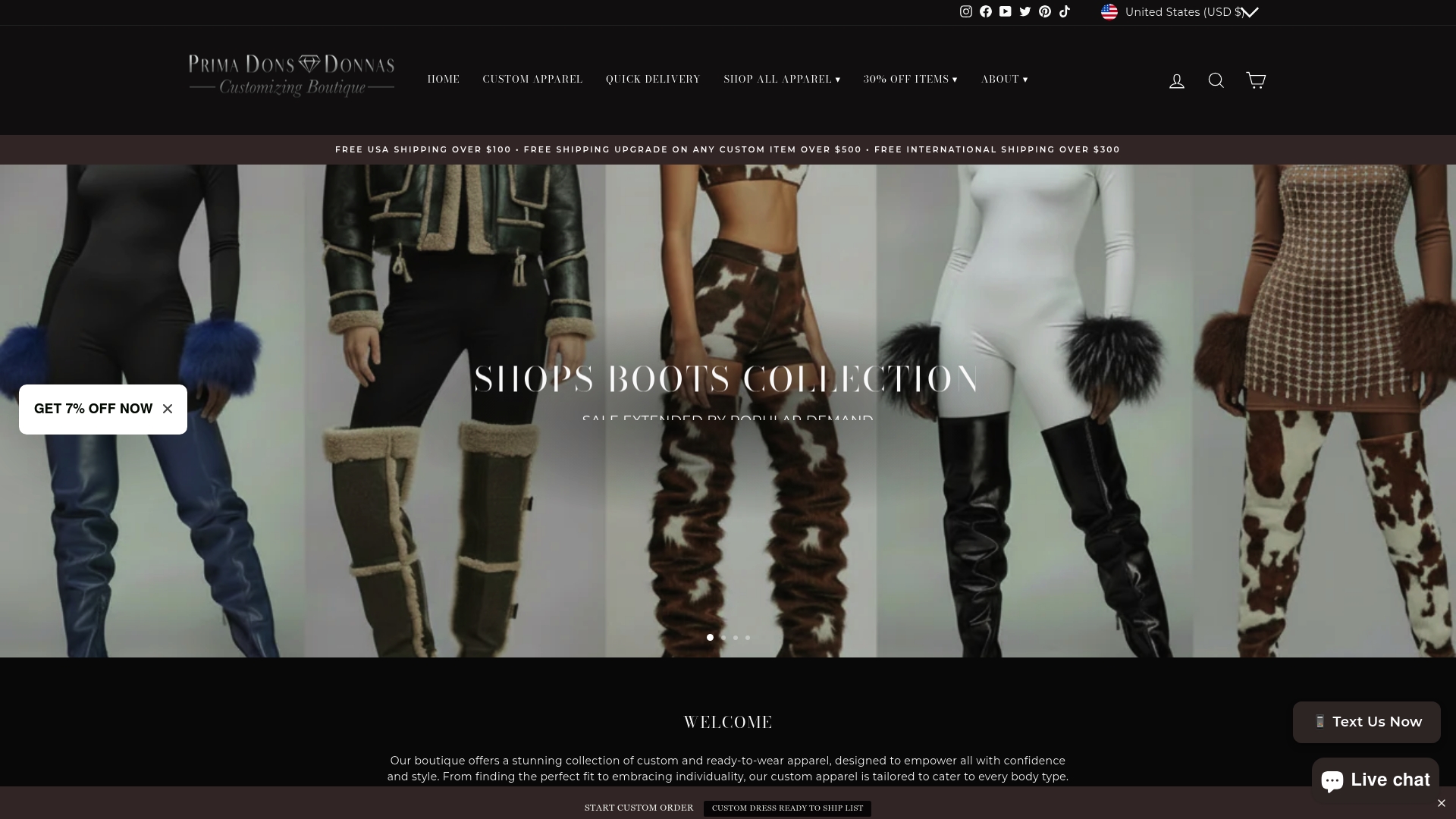
Explore our collection of custom embellished shoes designed to make you stand out while supporting conscious fashion choices. Each piece is made to order, eliminating overproduction waste and ensuring your footwear is as unique as you are. Discover how Prima Dons & Donnas empowers you to express confidence through intentional, sustainable fashion.
Frequently asked questions
What are the key sustainable materials shaping fashion in 2026?
Deadstock fabrics, hemp, recycled cotton, regenerated cellulose, and innovative materials like mycelium leather lead sustainable fashion in 2026. These materials significantly reduce water consumption, energy use, and waste compared to conventional options. Deadstock fabrics divert luxury textiles from landfills while creating unique pieces. Hemp requires minimal water and pesticides, making it ideal for eco-conscious consumers seeking durability.
How does ecodesign regulation affect fashion brands and consumers?
Ecodesign regulation requires brands to integrate environmental, social, and economic considerations from the initial design stage. This proactive approach minimizes pollution, extends product lifecycles, and plans for end-of-life recycling or biodegradation. Consumers benefit from more durable, repairable products with transparent sustainability credentials, making informed purchasing decisions easier.
What role does technology play in ensuring fashion’s sustainability?
Blockchain technology provides immutable supply chain records, allowing consumers to verify material origins, production conditions, and environmental impacts. This transparency combats greenwashing and builds trust. Accurate life cycle assessments enabled by improved data collection help brands identify improvement opportunities and substantiate sustainability claims with reliable evidence.
How can I incorporate sustainable fashion trends without sacrificing my bold style?
Choose custom pieces using sustainable fabrics like recycled cotton or deadstock materials, then add bold embellishments or dramatic silhouettes. Customization allows you to control both aesthetic and environmental impact. Verify brand transparency by asking about material sourcing and production processes. Statement pieces using eco-conscious materials prove sustainability enhances rather than limits creative expression.
Recommended
- Conscious fashion choice in 2026: Bold, sustainable style – Prima Dons & Donnas
- What is sustainable fashion: A 2026 guide – Prima Dons & Donnas
- Trends in Custom Fashion 2026: Bold Style and Personalization – Prima Dons & Donnas
- Guide to expressing style with custom fashion in 2026 – Prima Dons & Donnas
- Dufttrend Inspiration: Neue Parfumtrends 2026 entdecken – Pure Parfüm


Leave a comment