

Made-to-Order vs Bespoke: Key Differences Explained
TL;DR:
- Made-to-order involves production after purchase with preset options, offering quick turnaround and environmental benefits.
- Bespoke is a fully custom process with a unique pattern, multiple fittings, and hand-stitched internal construction for an exact fit.
Knowing the difference between made-to-order and bespoke can save you from paying premium prices for something that does not actually deliver premium results. These two terms get used interchangeably in fashion marketing all the time, but they describe very different things. One is a production strategy. The other is a craft. Understanding where each begins and ends helps you shop smarter, ask better questions, and choose the right option for your budget, your body, and the occasion you are dressing for.
Table of Contents
- Key takeaways
- The difference between made-to-order and bespoke
- What true bespoke tailoring actually involves
- Side-by-side comparison: MTO vs bespoke
- Choosing the right option for your occasion
- My take on what actually matters here
- Shop custom and made-to-order at Primadonsanddonnas
- FAQ
Key takeaways
| Point | Details |
|---|---|
| MTO is a production method | Made-to-order starts production after your order, offering limited options like color and size. |
| Bespoke starts from scratch | A unique pattern is drafted from your measurements, with multiple fittings over several months. |
| Fit quality differs greatly | Bespoke fits your exact posture and frame; made-to-order works from preset sizing templates. |
| Cost and timeline vary widely | Bespoke requires a much larger time and financial investment compared to made-to-order. |
| Both serve different needs | MTO suits everyday occasions; bespoke is best for legacy pieces like wedding attire. |
The difference between made-to-order and bespoke
Let’s start with the term that gets the most casual use: made-to-order. The made-to-order definition is straightforward. A brand does not produce the item until after you place your order. That is the core idea. You pick from existing design options, the brand manufactures your piece, and ships it to you.
What you are not getting is a garment built around your unique body. You are choosing from preset options. Color, fabric, and size are the typical variables. The silhouette, the structure, and the construction are already decided.
Here is what made-to-order typically looks like in practice:
- You browse an existing collection of designs
- You select your size, color, or fabric from a fixed menu of options
- The brand produces the item after your order is confirmed
- Lead times range from 5 to 20 weeks depending on complexity
- You receive a finished garment built to a standard pattern in your chosen specifications
Made-to-order is also genuinely good for the environment. On-demand production reduces inventory waste because nothing gets made until there is confirmed demand. Brands sourcing sustainable materials can plan more deliberately when they are not overproducing.
Pro Tip: When shopping made-to-order, always check the brand’s lead time and size range before ordering for a time-sensitive event. Some MTO pieces can take six or more weeks.
Now, bespoke. This word comes from the old English practice of cloth being “bespoken” for a specific person. That origin matters because it captures exactly what bespoke means today. The garment is spoken for before it even exists. It is made for you, and only you, from the very beginning.
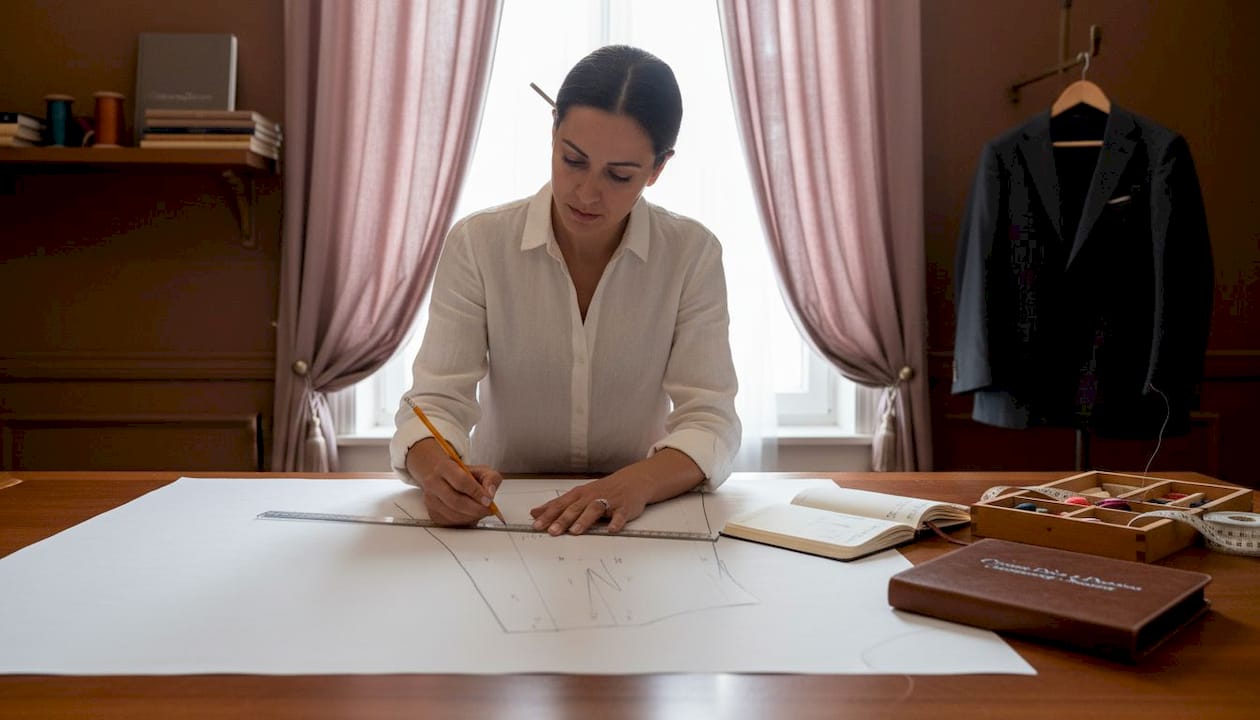
A bespoke tailor does not start with an existing pattern. They draft a completely unique pattern from scratch, taking over 30 measurements and conducting a postural analysis. Your stance, your shoulder height, the way you carry your weight, all of it gets factored in before a single piece of fabric is cut.
What true bespoke tailoring actually involves
Bespoke is not just a fancier version of made-to-order. The process is fundamentally different at every stage.
After your measurements and pattern are drafted, you go through multiple fitting sessions. The first key one is the basted fitting, which uses loosely stitched fabric to create a structural mock-up of the garment. This step exists to check the balance of the garment on your specific skeletal frame. A basted fitting lets the tailor see how the cloth drapes on your actual body, not on a dress form. Changes are made at this stage before any permanent stitching happens.
True bespoke also uses a floating canvas construction inside the garment. This internal layer of material is hand-stitched, not glued, and it molds to your body shape over time. Floating canvas construction is what keeps a garment holding its shape after years of wear. Fused construction, which is the cheaper alternative used in many garments marketed as bespoke, breaks down and bubbles over time.
“True bespoke involves a unique pattern drafted from detailed measurements and postural analysis, forming a lasting asset for future garment commissions unlike any production model relying on base patterns.” — Bespoke vs. Ready-to-Wear
The full bespoke process typically involves 3 to 5 fittings spread across 12 to 18 weeks. Pricing starts at around $5,700 USD for a suit at a reputable house. That number reflects the hours of hand work, the skill of the cutter, and the multiple appointments required.
Here is what distinguishes genuine bespoke tailoring:
- Unique pattern: Drafted from your measurements alone, not adapted from a base template
- Postural analysis: Accounts for your specific body mechanics, not just your dimensions
- Basted fitting: A structural trial run in loosely stitched fabric for precise balance adjustments
- Floating canvas construction: Hand-stitched internal support that molds to your body over time
- Multiple fittings: Typically 3 to 5 sessions over several months
- Permanent pattern on file: Your pattern becomes a lasting custom tailoring asset for all future commissions
The made-to-measure vs bespoke distinction is also worth clarifying here. Made-to-measure adapts a standard pattern to your measurements. It is better than off-the-rack but it is not bespoke. The pattern is modified, not created new. Many brands use “bespoke” to describe what is actually made-to-measure. This matters when you are spending real money.
Side-by-side comparison: MTO vs bespoke
Here is how the two approaches stack up across the factors that matter most to buyers:
| Factor | Made-to-order | Bespoke |
|---|---|---|
| Pattern origin | Existing template, preset design | Drafted uniquely from your measurements |
| Customization scope | Color, fabric, size selection | Every structural element of the garment |
| Fitting process | None or minimal | 3 to 5 fittings over months |
| Lead time | 5 days to 20 weeks | 12 to 18 weeks minimum |
| Price range | Accessible to mid-range | High investment, starting around $5,700+ |
| Fit precision | Standard sizing with options | Exact fit to your posture and frame |
| Internal construction | Typically fused | Hand-stitched floating canvas |
| Best for | Events, everyday wear, variety | Wedding attire, legacy pieces, lifelong use |
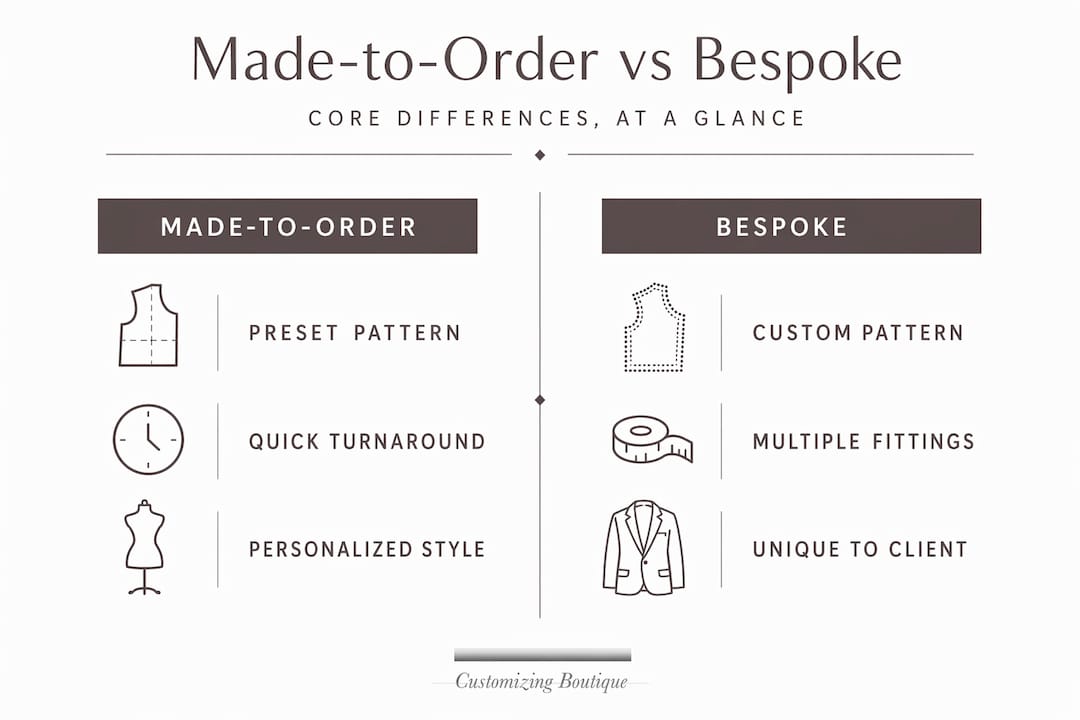
The biggest issue with the custom clothing comparison today is marketing language. The term “bespoke” has been stretched to cover almost any kind of customization. A brand letting you pick a monogram on a pre-made jacket calls it bespoke. A retailer offering four color options calls it bespoke. This is misleading.
When you are evaluating a brand’s claims, ask these questions directly:
- Is the pattern drafted from my measurements or adapted from an existing one?
- Will there be a basted or toile fitting before the final garment is cut?
- What internal construction method is used?
Pro Tip: Ask any tailor or brand claiming to offer bespoke whether your garment will have a basted fitting. If they do not know what that means, you are not getting true bespoke.
Choosing the right option for your occasion
Knowing the technical differences is useful. Applying them to real decisions is more useful.
For most fashion occasions, made-to-order fashion delivers strong value. Party events, concert outfits, lunch date looks, and seasonal wardrobe additions all fit well within what MTO can deliver. You get a garment made after your order, in the color and size you choose, without waiting six months or spending thousands of dollars.
For plus-size women especially, made-to-order removes the frustration of limited sizing in ready-to-ship retail. Brands that produce MTO pieces across an extended size range give you access to the same bold styles without compromise. That matters for confidence and for practicality.
Here is where each option fits best:
- Made-to-order works well for: Concert outfits, party dresses, brunch looks, seasonal updates, and any occasion where a bold piece is needed with a reasonable timeline
- Bespoke works best for: Wedding gowns, formal suits, occasion pieces you plan to wear for decades, and any garment where fit is everything
- Plus-size shoppers benefit from MTO because production starts after order, meaning brands can accommodate a full size range without holding inventory
- Bespoke suits plus-size clients who want something built entirely around their frame, particularly for milestone events
For bespoke footwear and accessories, the same principles apply. A shoe last or boot mold created specifically for your foot is a genuine bespoke process. A shoe offered in your size from a small-batch run is made-to-order.
The choice often comes down to frequency of wear and emotional investment. A wedding dress or a suit worn to your own milestone moments deserves the precision and permanence of bespoke. Your going-out wardrobe deserves great design and a custom color, which MTO handles well.
My take on what actually matters here
I have watched customers spend serious money on garments labeled “bespoke” that were, at best, made-to-measure with good marketing. And I have watched customers settle for off-the-rack pieces for occasions where a well-fitted MTO dress would have made a real difference.
The honest truth? Most people do not need full bespoke for most occasions. What they need is a garment made with intention, in their size, in a design they actually chose. That is where MTO earns its place. It is not a compromise. It is the right tool for the right job.
Where I think people get it wrong is dismissing MTO as “less than.” A well-executed made-to-order piece in a great fabric, cut to your size, for a fraction of bespoke pricing, outperforms a poorly fitted bespoke garment every time. The fit still matters more than the label.
I also think the industry owes shoppers more honesty. Calling something bespoke when it is not devalues the word and misleads buyers. Ask questions. Expect real answers. Spend your money where the process actually matches the promise.
— Latoya
Shop custom and made-to-order at Primadonsanddonnas
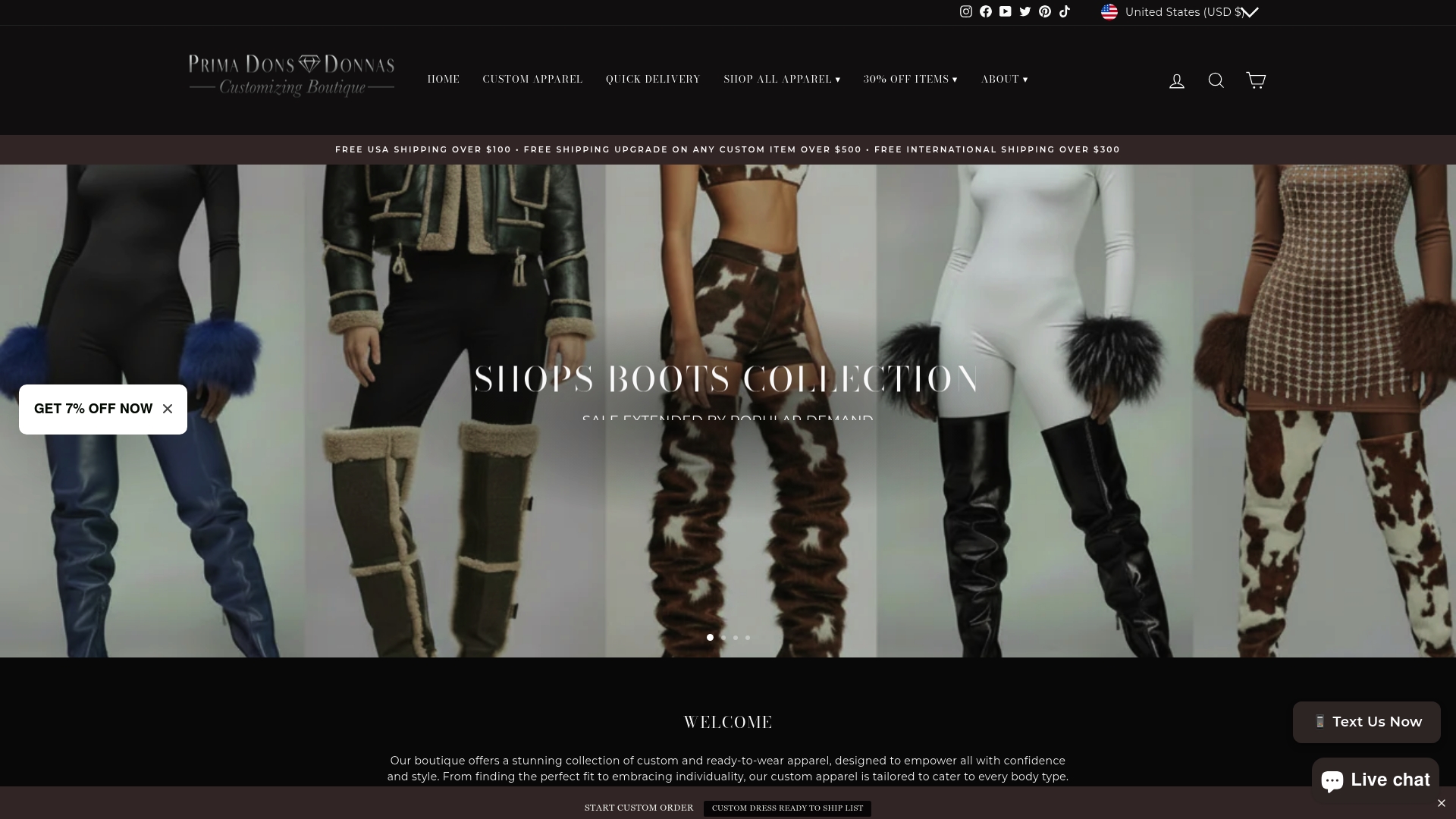
Primadonsanddonnas specializes in made-to-order fashion for every size, every color, and every occasion. Whether you are shopping for a statement dress for a party, a bold outerwear piece, or a wedding look built around your vision, each piece is produced after your order with your specifications in mind. Browse the made-to-order dress collection for dresses designed for real bodies and real occasions, from concerts to ceremonies. For outerwear with custom fit and bold style, the custom outerwear collection offers pieces built to your color and size preferences. Ready-to-ship options are also available for faster delivery when you need a look quickly.
FAQ
What is the main difference between made-to-order and bespoke?
Made-to-order is a production method where your item is manufactured after you order it, using preset design templates. Bespoke involves a unique pattern drafted from your measurements, multiple fittings, and handcrafted construction built specifically around your body.
Is made-to-order the same as custom?
Not exactly. Made-to-order lets you choose from fixed options like color and size, while custom clothing involves more structural input. True bespoke is the highest level of customization, starting from a blank pattern with no preset template.
How long does bespoke tailoring take?
Bespoke typically takes 12 to 18 weeks and involves 3 to 5 fittings. Made-to-order lead times range from 5 business days to around 20 weeks depending on complexity.
Is bespoke worth it for a wedding dress?
Yes, for a once-in-a-lifetime garment where fit and lasting quality matter, bespoke delivers a level of precision and personalization no other method can match. The pattern stays on file for future commissions too.
How do I know if a brand is truly offering bespoke?
Ask whether your pattern is drafted from scratch or adapted from an existing one, and whether a basted fitting is included. Genuine bespoke always includes both. Floating canvas construction inside the garment is another reliable indicator of authentic craftsmanship.
Recommended
- Made-to-Order Footwear Benefits: 40% Less Foot Pain – Prima Dons & Donnas
- Bespoke evening wear: personalized luxury for special occasions – Prima Dons & Donnas
- Why Choose Made-to-Order Fashion: Style, Fit, and Impact – Prima Dons & Donnas
- What Is Custom Tailoring and Why It Matters – Prima Dons & Donnas


Leave a comment