

Understanding bespoke footwear: custom style and sustainability
Bespoke footwear represents the pinnacle of personalized fashion, where every stitch and curve is crafted exclusively for your feet. Unlike mass-produced shoes, bespoke pieces blend artisanal craftsmanship with sustainable materials, creating footwear that honors both individuality and environmental responsibility. This guide unpacks what bespoke truly means, how it addresses unique fit challenges, current market trends driving demand, and practical considerations before investing in your first pair. Whether you struggle with hard-to-fit feet or simply crave exclusivity in your wardrobe, understanding bespoke footwear empowers smarter, more intentional fashion choices.
Table of Contents
- Key takeaways
- What is bespoke footwear and why does it matter?
- How bespoke footwear fits unique needs and style preferences
- Current trends shaping bespoke footwear and sustainability
- Choosing bespoke footwear: what to consider before you buy
- Explore custom footwear and apparel collections
- FAQ
Key Takeaways
| Point | Details |
|---|---|
| Custom fit via lasts | Bespoke shoes are crafted from scratch with unique lasts tailored to your exact measurements and foot shape through multiple fittings. |
| Sustainable craft | Artisans prioritize biodegradable materials like vegetable tanned leather, natural cork footbeds, and organic cotton linings to minimize ecological impact. |
| High cost and wait | Bespoke footwear commands several thousand dollars per pair and lengthy lead times, offset by durability and exclusivity. |
| Ideal for unique feet | Women with high arches, wide toe boxes, or asymmetrical feet benefit from custom lasts and personalized design. |
What is bespoke footwear and why does it matter?
Bespoke footwear means fully custom handmade shoes tailored precisely to your individual feet and style vision. Each pair starts from scratch, with artisans creating unique lasts that mirror your exact measurements, arch height, and toe shape. This process differs fundamentally from adapting existing templates or selecting from preset options.
Artisanal craftsmanship defines bespoke quality. Skilled shoemakers hand-stitch uppers to soles using traditional techniques, often avoiding synthetic adhesives entirely. Premium leathers, hand-burnished edges, and meticulous finishing create shoes that improve with age rather than deteriorate. Bespoke footwear emphasizes individuality through custom designs and sustainable materials, setting it apart from industrial production.
Sustainability plays a central role in modern bespoke shoemaking. Makers prioritize biodegradable materials like vegetable-tanned leathers, natural cork footbeds, and organic cotton linings. Ethical sourcing ensures materials come from responsible suppliers who respect animal welfare and environmental standards. This commitment aligns with growing consumer demand for fashion that minimizes ecological harm while maximizing personal expression.
Exclusivity and individuality represent core bespoke benefits:
- No two pairs are identical, even from the same maker
- Your style preferences dictate every design element
- Shoes reflect your personality rather than mass market trends
- Ownership of truly one-of-a-kind fashion pieces
Price points position bespoke as luxury wardrobe investments. Expect to invest several thousand dollars per pair, reflecting hundreds of hours of skilled labor, premium materials, and the exclusivity inherent in handmade goods. This market niche attracts fashion-conscious buyers who value quality over quantity and view shoes as long-term assets rather than disposable accessories. For those exploring custom footwear style and sustainability, bespoke represents the ultimate commitment to personalized, responsible fashion.
“True bespoke shoemaking is an art form where the maker’s skill transforms raw materials into wearable sculpture tailored to one person’s unique anatomy and aesthetic vision.”
How bespoke footwear fits unique needs and style preferences
Bespoke shoes excel at accommodating unique foot shapes that standard sizing cannot address. Women with high arches, wide toe boxes, narrow heels, or asymmetrical feet find relief through custom lasts refined over multiple fittings. Artisans measure every dimension, then carve wooden or plastic forms that replicate your foot’s exact contours. This iterative process ensures the final shoe hugs your foot without pressure points or gaps.
Comparing footwear customization levels clarifies who benefits most from bespoke:
| Feature | Bespoke | Made-to-order | Ready-to-wear |
|---|---|---|---|
| Fit customization | Complete: custom lasts for exact foot shape | Moderate: size/width options within existing patterns | Minimal: standard sizes only |
| Style flexibility | Unlimited: any design element customizable | High: color, material, some design choices | None: buy as designed |
| Production time | 4-6 months | 4-8 weeks | Immediate |
| Price range | $3,000-$10,000+ | $300-$1,500 | $50-$500 |
| Durability | Exceptional: decades with care | High: years of wear | Variable: months to years |
The artisanal process involves multiple stages. Initial consultations capture your measurements, gait analysis, and style preferences. Makers create trial shoes from less expensive materials, which you wear to identify fit issues. Adjustments to the last address any discomfort before final production begins. Leather thickness varies across the shoe, with thicker sections providing structure and thinner areas allowing flexibility. This attention to detail, as noted by bespoke shoemaker Adam Law, ensures unique foot shapes receive proper support through iterative refinement.
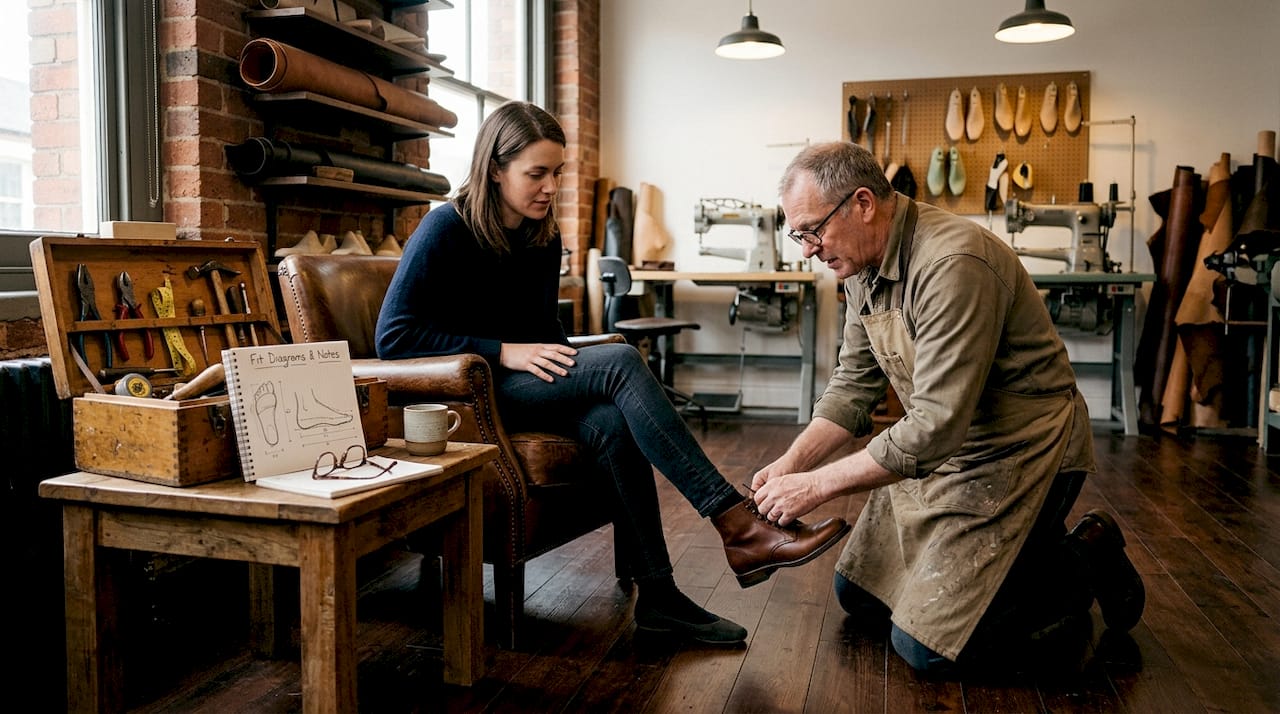
Style traditions within bespoke shoemaking offer distinct aesthetics. British bespoke emphasizes structured durability with heavier construction, closed channels, and formal elegance suited to professional settings. Italian bespoke favors lighter builds, softer leathers, and flowing lines that prioritize comfort and contemporary fashion. Understanding these traditions helps you select makers whose aesthetic aligns with your wardrobe vision.
For those interested in more accessible custom options, made-to-order footwear benefits provide a middle ground between bespoke exclusivity and ready-to-wear convenience. Similarly, tailor-made footwear benefits explain how personalized approaches enhance both comfort and style.
Pro Tip: If you experience chronic foot pain, bunions, or have tried multiple shoe brands without finding comfortable fits, bespoke footwear may be your best long-term solution. The upfront investment pays dividends through years of pain-free wear and eliminates the frustration of endless shoe shopping.
Current trends shaping bespoke footwear and sustainability
Market data reveals explosive growth in custom and sustainable luxury footwear. The women’s leather luxury footwear market reached approximately $16-17 billion in 2025, with projections climbing to $25-26 billion by 2031-35. This expansion reflects shifting consumer priorities toward personalization and environmental responsibility in fashion purchases.
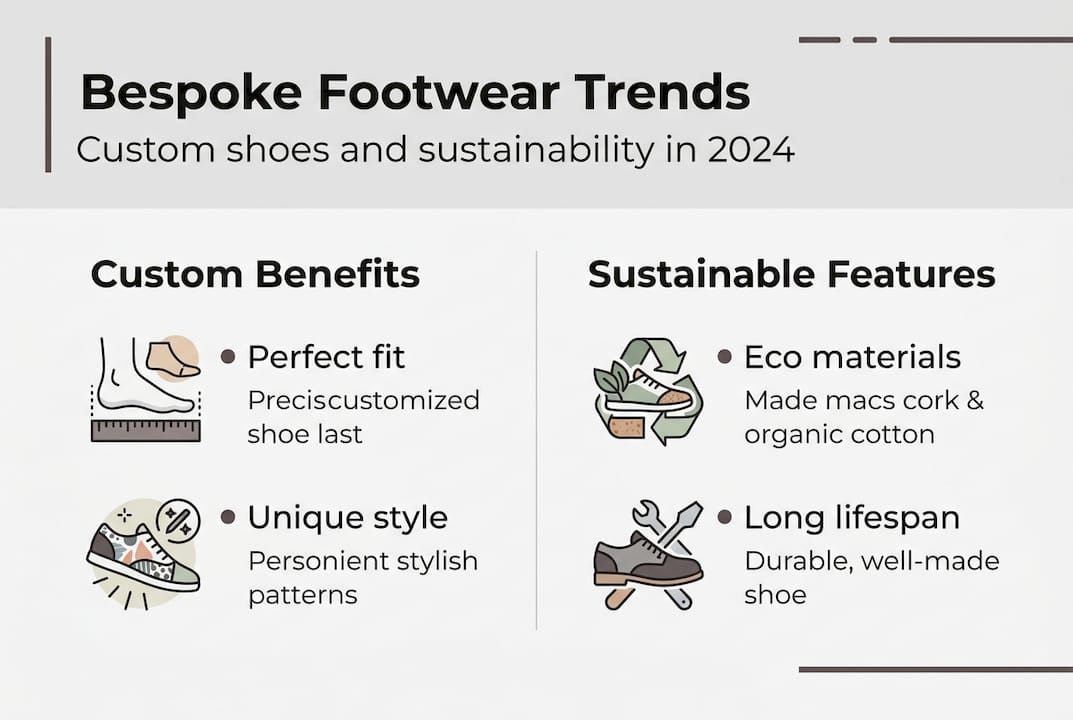
Consumer behavior studies highlight specific preferences driving bespoke demand:
| Consumer priority | Percentage | Impact on bespoke market |
|---|---|---|
| Personalized shoe design | 40% of millennials | Fuels demand for custom aesthetic options |
| Sustainability considerations | 67% of luxury buyers | Drives preference for ethical materials and production |
| Unique style expression | 73% of fashion-conscious women | Increases willingness to invest in one-of-a-kind pieces |
| Fit challenges with standard sizing | 35% of women | Creates need for custom last development |
Heels and pumps dominate the luxury bespoke segment, accounting for significant market share. Fashion-conscious buyers seek statement pieces that combine elegance with comfort, impossible to achieve through mass production. Custom heel heights, toe box shapes, and arch support transform traditionally uncomfortable styles into wearable art.
Shopping behavior shows surprising offline preference despite digital retail growth. Boutique experiences, personal consultations, and the tactile nature of selecting leathers and finishes drive customers to physical locations. This trend benefits artisanal makers who offer intimate studio visits and hands-on involvement in the creation process.
Sustainability trends reshaping bespoke footwear include:
- Vegetable-tanned leathers replacing chrome-tanned alternatives
- Natural rubber and cork replacing synthetic sole materials
- Transparent supply chains documenting material origins
- Zero-waste pattern cutting minimizing leather scraps
- Repair and resole services extending shoe lifespan indefinitely
Brand transparency has become non-negotiable for sustainability-conscious buyers. Makers who document their material sourcing, artisan partnerships, and environmental practices build trust and command premium pricing. This transparency extends to production timelines, helping customers understand why bespoke requires patience.
For broader context on personalization trends, custom fashion trends 2026 explores how customization is reshaping the entire fashion industry. Additionally, sustainable custom clothing options examines eco-conscious choices across wardrobe categories.
The intersection of luxury and sustainability creates a powerful value proposition. Buyers no longer choose between ethical practices and high-end aesthetics. Bespoke footwear delivers both, positioning itself as the responsible choice for discerning consumers who refuse to compromise on quality or values.
Choosing bespoke footwear: what to consider before you buy
Cost expectations require realistic budgeting. Entry-level bespoke shoes start around $3,000, with prices climbing to $10,000 or more for exotic leathers and complex designs. This pricing reflects premium materials, skilled labor commanding fair wages, and the exclusivity of handmade goods. Unlike mass-produced shoes, bespoke pieces represent investment purchases that retain value and function for decades with proper care.
Lead times typically span 4-6 months from initial consultation to delivery. This timeline accommodates multiple fitting stages, leather selection and preparation, hand-stitching, and finishing work. Rush orders rarely exist in bespoke shoemaking, as quality cannot be compromised for speed. Planning purchases well ahead of events or seasonal needs prevents disappointment.
Key questions to ask prospective makers ensure alignment with your values and expectations:
- What leather sources do you use, and how do you verify ethical practices?
- How many fitting sessions are included, and what adjustments are possible?
- What repair and resole services do you offer after purchase?
- Can you show examples of shoes made for similar foot shapes or style preferences?
- What sustainability certifications or practices guide your production?
- How do you handle fit issues discovered after final delivery?
The fitting process demands active participation. Initial measurements capture baseline data, but trial shoes reveal how your feet actually interact with the design. Wear trials for several hours, noting any pressure points, rubbing, or instability. Honest feedback during fittings ensures the final product achieves perfect comfort. Some makers require three or more fitting sessions, especially for complex foot shapes.
Artisan skill varies significantly across makers. Research their training, years of experience, and client testimonials before committing. Established makers often have waiting lists spanning months, signaling high demand and proven quality. Newer makers may offer lower prices but require careful vetting of their technical capabilities.
For those exploring custom footwear without full bespoke commitment, ordering made-to-measure footwear provides practical guidance on accessible alternatives. This approach offers substantial customization at lower price points and shorter timelines.
Pro Tip: Schedule your first bespoke consultation at least eight months before you need the shoes. This buffer accommodates potential delays, additional fittings, and gives you time to save if costs exceed initial estimates. Never rush bespoke purchases for specific events unless you have backup options.
Material selection impacts both aesthetics and sustainability. Full-grain leathers develop rich patinas over time, while suedes offer textural interest. Exotic skins like alligator or ostrich command premium prices but raise ethical questions for some buyers. Discuss material durability for your intended use, whether daily wear or special occasions.
Care requirements extend bespoke shoe lifespan dramatically. Regular conditioning, proper storage with shoe trees, and professional resoling every few years maintain structural integrity. Many makers offer lifetime repair services, viewing each pair as an ongoing relationship rather than a one-time transaction. This commitment to longevity embodies sustainable fashion principles.
Explore custom footwear and apparel collections
Prima Dons & Donnas offers an accessible entry into custom footwear that honors bespoke values of individuality and sustainability. Our custom shoes and sneakers collection lets you personalize colors, materials, and design details to create truly unique pieces. Each pair is crafted to order, ensuring your style vision comes to life without the extended timelines of full bespoke production.
Complement your custom footwear with our made to order dress collection, where bold prints and tailored fits celebrate confident style. Our custom outerwear collection features sustainable faux fur options and personalized sizing, perfect for building a cohesive wardrobe that reflects your values. Every piece emphasizes exclusivity and conscious fashion choices, bridging the gap between bespoke luxury and practical wearability. Explore collections designed for women who refuse to compromise on style or sustainability.
FAQ
What is the difference between bespoke and made-to-order footwear?
Bespoke footwear is fully custom-made from scratch using lasts created specifically for your feet, with unlimited design flexibility. Made-to-order adapts existing shoe patterns to your size and color preferences, offering faster production and lower costs. Bespoke provides deeper customization in both fit and style, ideal for unique foot shapes or highly specific aesthetic visions.
How long does it take to get bespoke shoes made?
Lead time usually spans 4-6 months due to artisanal production stages including last creation, multiple fittings, hand-stitching, and finishing work. Complex designs or exotic materials may extend timelines further. Planning ahead is essential for timely bespoke shoe acquisition, especially if you need them for specific events or seasonal wardrobes.
Are bespoke shoes worth the cost for sustainability-conscious buyers?
Bespoke shoes often use biodegradable, ethically sourced materials like vegetable-tanned leather and natural cork, significantly reducing environmental harm. High quality craftsmanship ensures durability spanning decades with proper care, lowering waste compared to fast fashion cycles. For buyers prioritizing sustainable custom clothing options, bespoke represents a meaningful investment in responsible luxury.
Can bespoke footwear help if I have wide or hard-to-fit feet?
Bespoke shoes accommodate unique measurements through custom lasts refined over multiple fittings, providing superior comfort impossible with standard sizing. They are ideal for wide toe boxes, high arches, narrow heels, or asymmetrical feet. The iterative fitting process ensures every dimension of your foot receives proper support, as detailed in made-to-order footwear benefits for those exploring custom options.
Recommended
- Custom footwear: bold style meets sustainability in 2026 – Prima Dons & Donnas
- Made-to-Order Footwear Benefits: 40% Less Foot Pain – Prima Dons & Donnas
- How to order made-to-measure footwear in 2026 – Prima Dons & Donnas
- Why custom sizing matters: fit, style, and sustainability – Prima Dons & Donnas


Leave a comment