

What Is Artisanal Dressmaking: A Complete Style Guide
TL;DR:
- Artisanal dressmaking involves creating garments by hand with techniques like embroidery and weaving, resulting in unique, carefully crafted pieces. It demands extensive labor, precise fitting, and offers benefits like personalized fit, durability, and cultural value. The process typically takes about two months and provides a meaningful alternative to mass-produced fast fashion.
Artisanal dressmaking is the practice of creating garments entirely by hand, using skilled manual techniques rather than factory automation. The industry term for its most personalized form is bespoke tailoring, where every detail is built around one specific person. Unlike mass production, artisanal dressmaking treats each piece as a singular creation, shaped by traditional skills, careful material selection, and direct client collaboration. Brands like Primadonsanddonnas have built their entire identity around this philosophy, offering made-to-order clothing that reflects who you are, not what a trend cycle dictates.
What artisan clothing techniques define artisanal dressmaking?
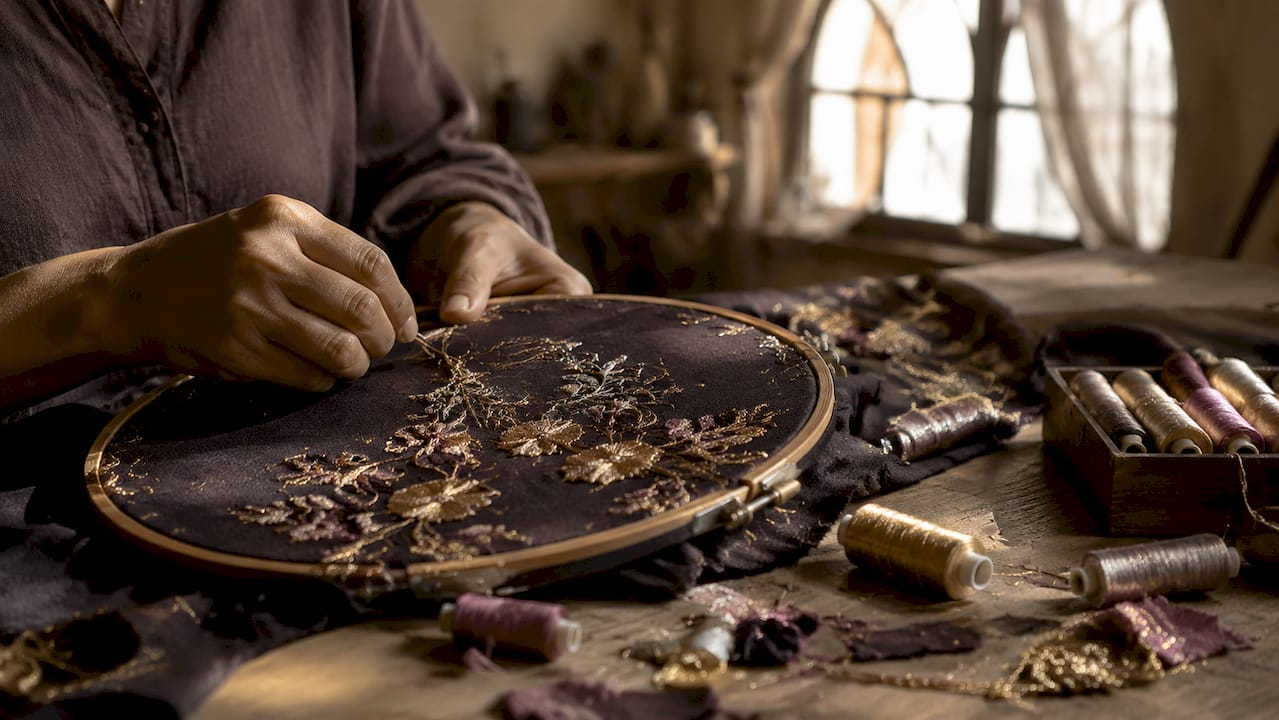
Artisanal dressmaking is defined by its techniques, and those techniques are far more demanding than most people realize. The gap between handmade and machine-made is not just aesthetic. It is measured in hours, skill, and irreplaceable human judgment.
Some of the most recognized artisan clothing techniques include:
- Kasab-zari embroidery: A Mughal-era craft revived by designers like Monica Shah, this method uses gold and silver threads knotted without a base fabric. The madkan knotting technique requires master-level skill because there is no backing to catch mistakes.
- Sozni Jaalidar embroidery: Originating in Kashmir, this technique uses a needle finer than a human hair, worked from the reverse side of the fabric to create flowing lattice patterns with precise tension control.
- Double Ikat Patola weaving: A textile art where both warp and weft threads are resist-dyed before weaving. A single Patola piece can take up to one year to complete. That timeline reflects the level of planning and precision involved before a single thread is woven.
- Hand finishing: Seams are turned, pressed, and secured by hand. Buttonholes are stitched individually. Hems are blind-stitched so no thread shows on the outside.
The scale of labor in artisanal work is genuinely staggering. A single couture piece using kasab-zari techniques can require 15,000 hours of manual craftsmanship. That number puts the price of true artisanal work in perspective. You are not paying for fabric alone. You are paying for thousands of hours of concentrated human skill.
Pro Tip: When evaluating a handmade garment, flip it over. The reverse side of genuine artisanal embroidery like Sozni is nearly as clean as the front, with no loose threads or synthetic backing.
How does artisanal dressmaking differ from factory-made clothing?
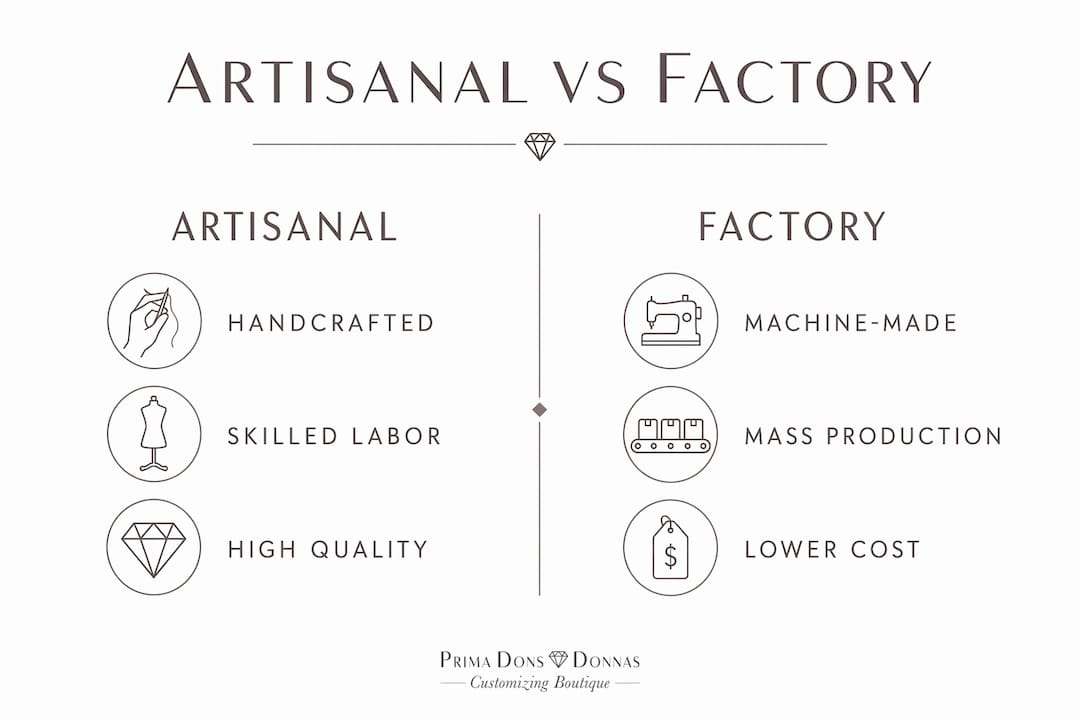
The contrast between artisanal and mass-produced clothing comes down to three things: labor, intention, and outcome.
Factory production runs on automation, speed, and volume. A single machine can stitch hundreds of identical garments in the time an artisan completes one bodice. Mass production follows seasonal trend calendars, producing collections months before consumers see them. Artisanal production, by contrast, develops garments through iterative client dialogues rather than pre-planned collection cycles. That shift in process changes everything about the final product.
| Feature | Artisanal dressmaking | Factory-made clothing |
|---|---|---|
| Production method | Handcrafted by skilled artisans | Automated machine production |
| Fit | Built to individual measurements | Sized to standard templates |
| Uniqueness | One-of-a-kind or limited | Identical units at scale |
| Finishing | Clean reverse, hand-stitched details | Loose threads, synthetic backing |
| Design process | Client-driven, iterative | Trend-calendar driven |
| Timeline | Weeks to months | Days at scale |
The quality difference shows up most clearly in the finishing. Handmade embroidery has a nearly perfect reverse side, while machine embroidery leaves loose threads and requires a synthetic backing to hold stitches in place. That detail is not cosmetic. It reflects the depth of care built into every inch of an artisanal piece.
Pro Tip: Ask any dressmaker to show you the inside of a finished garment before you commit. Clean seams and no exposed knots are the fastest indicators of true craftsmanship.
What are the benefits of handmade dresses for consumers?
Consumers choose artisanal fashion for reasons that go well beyond aesthetics. The primary driver is personal expression, the desire for clothing that reflects individual identity rather than conforming to off-the-rack sizing and trend-driven silhouettes. That motivation is reshaping how people think about getting dressed.
The core benefits of handmade dresses include:
- Precise fit: A garment built to your exact measurements eliminates the compromises that come with standard sizing. This matters especially for plus-size customers, who often find that ready-to-wear proportions simply do not account for their actual body shape.
- Personal style over conformity: Artisanal fashion rejects fast seasonal trends through a client-focused process. You choose the fabric, the silhouette, and the details. The result is clothing that looks like you, not like everyone else at the event.
- Durability: Handmade garments are built to last. Hand-stitched seams hold better under stress than machine-stitched equivalents. A well-made artisanal dress worn to a wedding or concert can outlast dozens of fast-fashion alternatives.
- Sustainability: Artisanal production generates less waste. Each piece is made to order, which means no unsold inventory sitting in a warehouse. The sustainable fashion workflow built into made-to-order brands reduces overproduction at the source.
- Cultural and emotional value: A garment made by hand carries the story of its creation. Techniques like Sozni Jaalidar or kasab-zari embroidery connect the wearer to centuries of craft tradition. That connection adds meaning that no machine can replicate.
Understanding dressmaking craftsmanship at this level changes how you shop. You stop looking for the cheapest option and start looking for the right one.
What to expect in the custom dressmaking process
The custom dressmaking process follows a clear sequence, and knowing each stage helps you plan your timeline and budget realistically.
- Client consultation: You meet with the dressmaker to discuss the occasion, your style preferences, fabric options, and budget. This is where the design takes shape. A good dressmaker asks detailed questions about how you want to feel in the garment, not just how you want it to look.
- Measurements and pattern making: The dressmaker takes precise body measurements and drafts a pattern built specifically for your proportions. This step is what separates bespoke tailoring from alterations.
- Muslin prototype fitting: Before cutting into the final fabric, the dressmaker constructs a muslin prototype from inexpensive test fabric. This fitting catches proportion issues, adjusts the silhouette, and confirms the design before any expensive material is touched. Skipping this step is the most common source of costly errors in custom work.
- Final garment construction: Once the muslin is approved, the dressmaker cuts and assembles the final piece. Hand finishing, embellishments, and closures are added at this stage.
- Final fitting and delivery: You try on the completed garment. Minor adjustments are made, and the piece is pressed and delivered.
| Stage | Purpose | Typical duration |
|---|---|---|
| Consultation | Establish design and fabric | 1–2 hours |
| Pattern making | Build custom template | 1–3 days |
| Muslin fitting | Test fit and proportion | 1–2 weeks |
| Final construction | Assemble finished garment | 3–6 weeks |
| Final fitting | Adjust and deliver | 1 session |
Custom gowns typically require about 2 months from consultation to delivery in artisanal workshops. That timeline is not a flaw. It is the cost of getting something made right. Brands like Luana Rose Modestly follow this exact sequence, and the results speak for themselves in client satisfaction and garment quality. For a detailed look at how made-to-order timelines work, the made-to-order workflow guide at Primadonsanddonnas breaks down each phase clearly.
Key takeaways
Artisanal dressmaking is the highest form of garment creation because it combines irreplaceable manual skill, personalized client focus, and time-intensive craft to produce clothing that mass production cannot replicate.
| Point | Details |
|---|---|
| Defined by technique | Methods like kasab-zari, Sozni embroidery, and Patola weaving require years of skill to master. |
| Labor intensity is real | A single couture piece can require up to 15,000 hours of handwork, which explains its value. |
| Fit is the core benefit | Muslin prototype fittings and custom patterns produce results that standard sizing cannot match. |
| Plan for 2 months | Custom artisanal gowns typically take about 2 months from consultation to final delivery. |
| Sustainability is built in | Made-to-order production eliminates unsold inventory and reduces waste at the source. |
Why artisanal dressmaking still matters more than ever
I have spent years watching fashion cycle through revivals, minimalism, maximalism, and back again. What never changes is the reaction people have when they put on something made specifically for them. There is a stillness to it. The garment does not fight your body. It works with it.
The fashion industry often frames artisanal work as a luxury reserved for a narrow elite. I think that framing is wrong, and it does a disservice to the craft. Bespoke tailoring and handmade dressmaking are not about status. They are about refusing to accept clothing that was never designed for your body in the first place. That refusal is available to anyone willing to invest the time and budget to pursue it.
What I find most compelling about artisanal dressmaking right now is how it intersects with the growing rejection of fast fashion. Customers are not just buying handmade because it is ethical. They are buying it because personal style is reclaiming ground from mass conformity. That is a cultural shift, not a trend. Trends reverse. Cultural shifts compound.
The techniques being preserved in artisanal workshops today, from Kashmiri Sozni to Mughal-era kasab-zari, are not museum pieces. They are living skills that produce the most beautiful garments on earth. The brands and artisans keeping those skills alive deserve more attention and more customers.
— Latoya
Custom made-to-order dresses at Primadonsanddonnas
Primadonsanddonnas builds every dress around the person wearing it. The brand’s made-to-order dress collection covers special occasions from party events and concerts to lunch dates and weddings, with options available in any size or color. Plus-size customers get the same bold, confident silhouettes as every other size, with no compromises on fit or design.
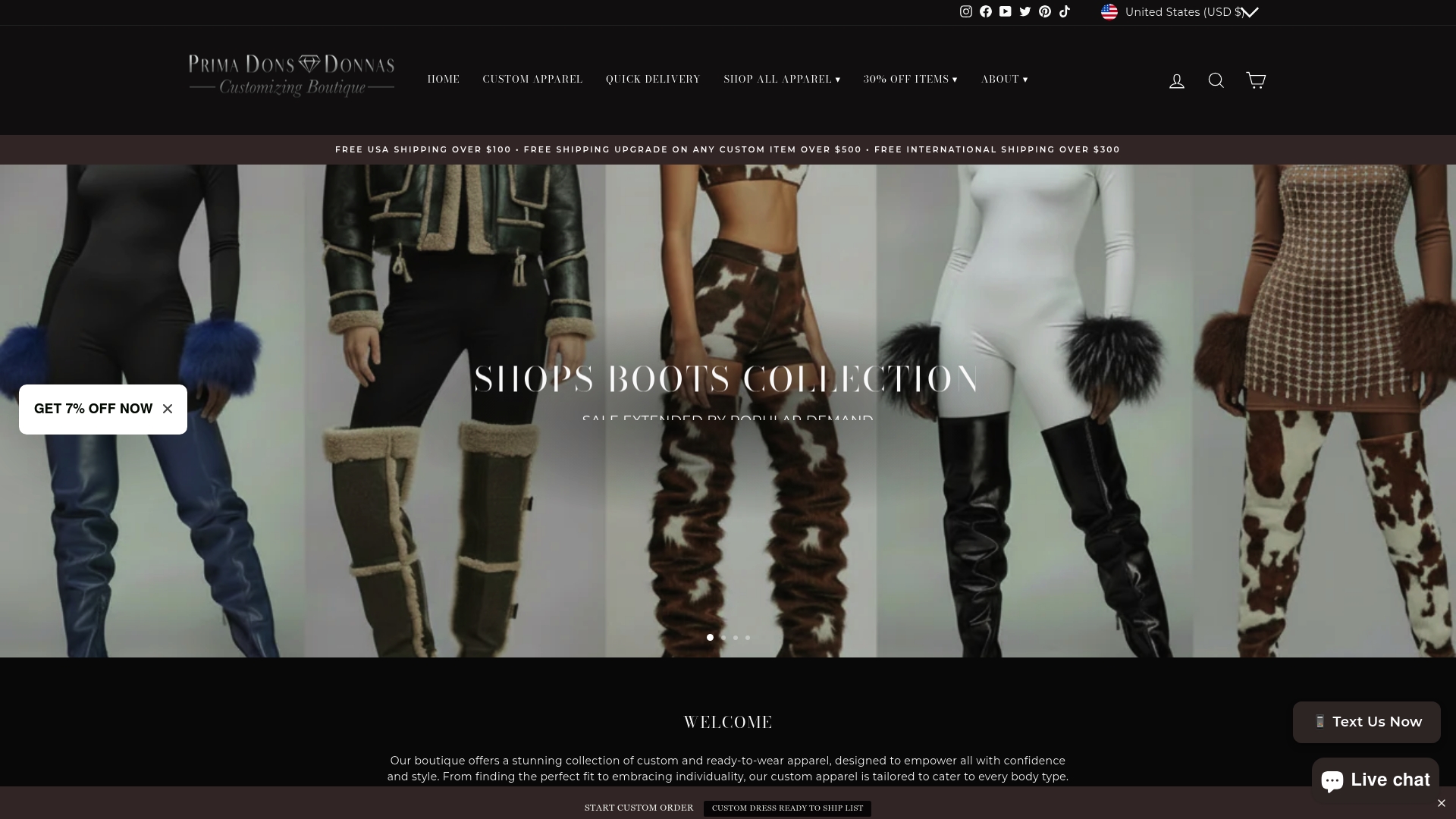
Ready-to-ship options are also available for customers who need something fast without sacrificing quality. Whether you want a statement piece built from scratch or a dress that ships quickly, Primadonsanddonnas has both. The custom and made-to-order apparel collection is the place to start.
FAQ
What is artisanal dressmaking in simple terms?
Artisanal dressmaking is the process of creating garments by hand using skilled manual techniques rather than factory machines. Each piece is unique, built to individual measurements, and finished with a level of detail that mass production cannot match.
How long does the custom dressmaking process take?
Custom artisanal gowns typically take about 2 months from the initial consultation to final delivery. That timeline includes pattern making, muslin prototype fitting, final construction, and finishing.
What is bespoke tailoring and how does it differ from custom dressmaking?
Bespoke tailoring refers to garments built entirely from scratch to a client’s exact measurements and specifications, with no pre-existing pattern used as a base. Custom dressmaking may use an adapted base pattern, while bespoke starts from zero.
How can you tell if a garment is genuinely handmade?
Check the reverse side of any embroidery or stitching. Authentic artisanal work like Sozni Jaalidar embroidery shows a clean, nearly knot-free reverse side. Machine-made embroidery leaves loose threads and requires a synthetic backing.
Are handmade dresses worth the higher price?
Handmade dresses offer precise fit, longer durability, and personal style that off-the-rack clothing cannot provide. For special occasions like weddings, concerts, or formal events, the investment in a garment built for your body pays off in both appearance and longevity.
Recommended
- Guide to expressing style with custom fashion in 2026 – Prima Dons & Donnas
- Fashion Individuality Explained: Making Style Personal – Prima Dons & Donnas
- 7 Types of Custom Fashion Every Stylish Woman Should Know – Prima Dons & Donnas
- Express your individuality through fashion: a style guide – Prima Dons & Donnas


Leave a comment