

What Is Tailored Eco Fashion: Your Style Guide
TL;DR:
- Tailored eco fashion is custom clothing designed for sustainability by reducing waste and extending garment lifespan. It emphasizes made-to-order production, zero-waste pattern design, and verified sustainable materials to minimize environmental impact. This approach results in better fit, longer wear, and ethical manufacturing, making it a practical alternative to fast fashion.
Tailored eco fashion is customized clothing created with sustainability at its core, combining precise bespoke construction with eco-conscious material choices to reduce waste and extend garment lifespans. Unlike mass-produced clothing, which generates enormous textile waste through overproduction and poor fit, tailored eco fashion produces each piece only after a confirmed order. The industry term for this broader movement is sustainable fashion, and tailored eco fashion sits at its most intentional end. Sustainable fashion covers reducing environmental impacts, pollution, and waste while protecting ethical labor conditions. Tailored eco fashion takes those goals and builds them directly into the construction process, from the first pattern cut to the final stitch.
What is tailored eco fashion and how does it reduce waste?
Made-to-order production eliminates surplus inventory by producing garments only after a verified individual request. No unsold stock piles up in warehouses. No excess fabric gets cut for pieces that never sell. That single shift in production timing removes one of the biggest waste drivers in the clothing industry.
Precise body measurement goes further. When a garment is cut to your actual measurements, the likelihood of returns drops sharply. Returns in conventional retail often end in landfill disposal, not resale. Tailored fit customization confirms that made-to-order bespoke construction reduces overproduction by producing garments only after a verified individual request, eliminating surplus inventory and lowering material waste from unsold stock.
Mass production operates on the opposite logic. Brands manufacture thousands of units based on projected demand, then discount, donate, or destroy what does not sell. The environmental cost of that model is significant. Tailored eco fashion short-circuits that cycle entirely.
- No surplus stock: Each piece is made for one person, so nothing sits unsold.
- Fewer returns: A precise fit means customers keep what they buy.
- Less disposal waste: No overstock means no bulk landfill or incineration.
- Lower carbon footprint: Fewer production runs reduce energy and water use per garment.
Pro Tip: When shopping made-to-order, always provide accurate measurements and ask the brand whether they use engineered cutting patterns. That detail separates true waste reduction from simple on-demand production.
How does zero-waste pattern design work in eco fashion?
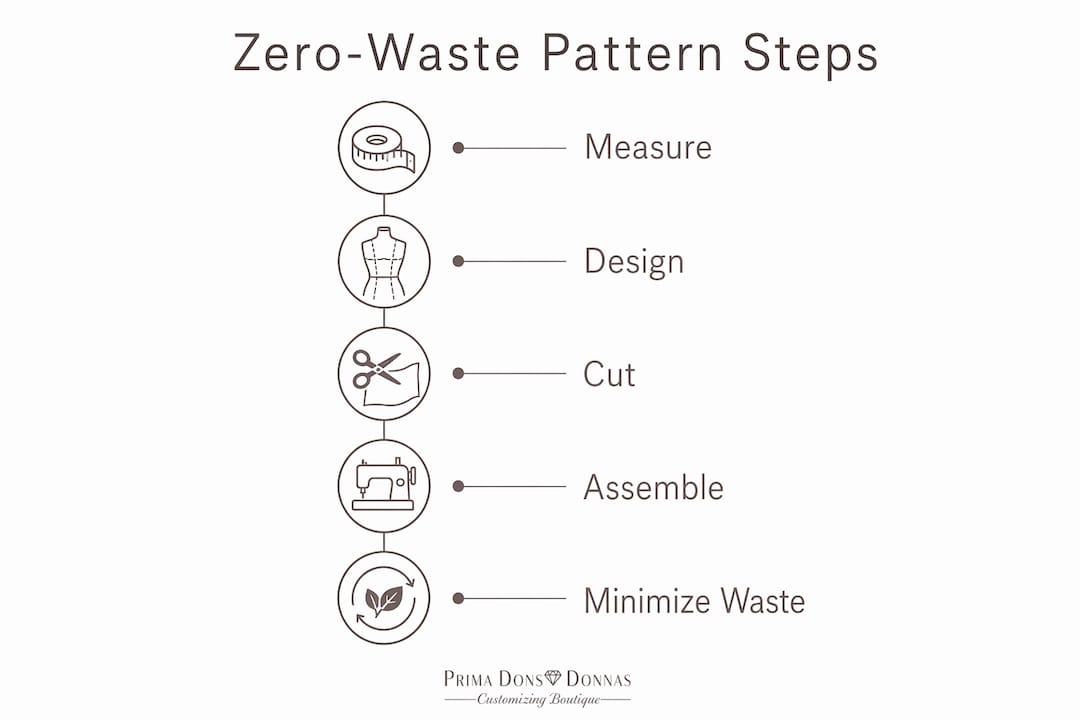
Zero-waste design eliminates textile waste during fabric cutting by integrating waste avoidance into the earliest design stages, shaping both silhouette and pattern geometry around the goal of no offcuts. This is not a finishing step. It is a design philosophy that treats waste as a central parameter, not an afterthought.
Here is how zero-waste pattern design works in practice:
- Design around the fabric width. The designer maps every pattern piece to fill the full fabric width, leaving no gaps.
- Use geometric shapes intentionally. Triangles, rectangles, and other shapes that tile together replace curved pieces that generate scraps.
- Let constraints drive creativity. The silhouette of the garment emerges from the zero-waste puzzle, not the other way around.
- Test and refine digitally. Software like Optitex or Gerber AccuMark lets designers visualize fabric utilization before cutting a single meter of cloth.
- Plan for repairs. Leftover fabric from any offcuts is reserved for future repairs, extending the garment’s life further.
“Zero-waste design reframes waste from a manufacturing problem to a crucial design parameter, pushing innovation and sustainability in fashion production.” — Zero-waste fashion design philosophy
The difference between waste reduction and zero-waste is measurable. Fabric wastage ranges from 5 to 10% for fitted garments but climbs to 40% for complicated, voluminous shapes. Tailored silhouettes naturally use fabric more efficiently. Zero-waste design pushes that efficiency to its limit by making the cut itself part of the design brief.
How do sustainable materials and ecodesign shape eco fashion?
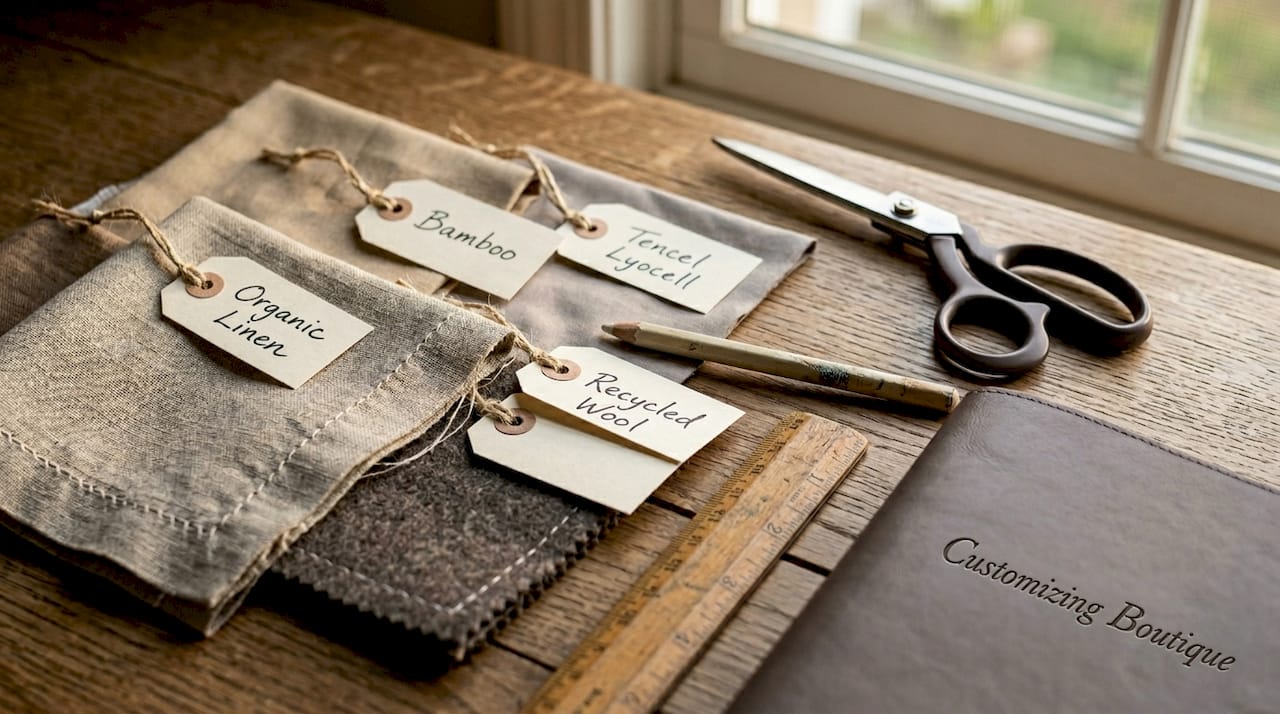
Material choice determines how long a garment lasts and how much damage it does along the way. Ecodesign-driven material selection integrates lifecycle thinking into product development to promote durability, longer use, and circular economy goals. Material properties influence both the physical durability of a garment and its emotional durability, meaning how attached you feel to it and how long you want to keep it.
| Material Type | Environmental Benefit | Durability Rating |
|---|---|---|
| Organic cotton | No synthetic pesticides, biodegradable | Medium to high |
| Recycled polyester | Diverts plastic waste, lower energy use | High |
| Tencel (lyocell) | Closed-loop production, low water use | Medium to high |
| Hemp | Minimal water, no pesticides needed | High |
| High-quality faux fur | Avoids animal harm, long-wearing | High |
Ecodesign is also becoming a regulatory standard. The European Union’s Ecodesign for Sustainable Products Regulation is pushing brands to document material choices and lifecycle impacts. Ecodesign methodologies are emerging as both a design standard and a compliance requirement for fashion brands operating in major markets. That shift means material transparency is no longer optional for credible eco fashion brands.
Digital tools like Fibertrace and TextileGenesis now allow brands to track material origins and verify sustainability claims at the fiber level. For consumers, this means you can ask for proof, not just promises.
Pro Tip: Look for brands that name their fabric suppliers and certifications, such as GOTS for organic cotton or GRS for recycled content. Vague claims like “eco-friendly materials” without certification are a red flag.
What are the real benefits of tailored eco fashion for you?
The most direct benefit is fit. Bespoke manufacturing extends garment lifecycles by improving fit and reducing the likelihood of disposal, connecting directly to sustainable fashion goals. A garment that fits well gets worn more. One that does not fit gets pushed to the back of the closet and eventually discarded.
Beyond fit, tailored eco fashion supports ethical production models. When a brand makes each piece to order, the production timeline allows for fair wages and careful craftsmanship rather than the speed-driven conditions common in fast fashion factories. Personalized fashion consistently shows better fit, unique style, and less waste as core outcomes of the bespoke model.
- Longer wear cycles: Clothes that fit are worn more often and discarded less.
- Investment mindset: One well-made tailored piece replaces multiple cheaper items that wear out faster.
- Ethical labor: Made-to-order timelines support fair production conditions.
- Size inclusivity: Custom sizing means every body is accommodated without compromise.
- Lower long-term cost: Paying more upfront for a piece you wear for years costs less per wear than buying cheap repeatedly.
One important caveat: not all made-to-order production guarantees low waste. Some made-to-order brands still use conventional patterns that generate similar waste to mass production. True bespoke involves iterative pattern refinement and engineered cutting to minimize scrap. When evaluating a brand’s eco credentials, look for evidence of overproduction reduction, transparent material sourcing, and worker protection practices. Those three factors confirm meaningful impact rather than marketing language.
Key takeaways
Tailored eco fashion delivers real sustainability only when made-to-order production, zero-waste pattern design, and verified material sourcing work together as a system.
| Point | Details |
|---|---|
| Made-to-order eliminates surplus | Producing only after a confirmed order removes unsold stock and landfill waste entirely. |
| Zero-waste design cuts fabric loss | Fitting patterns to fabric width reduces waste from 40% down to under 10% for tailored silhouettes. |
| Material choice drives durability | Ecodesign-selected fabrics like Tencel, hemp, and recycled polyester extend physical and emotional garment life. |
| Better fit means longer use | Precise measurements reduce returns and disposal, lowering your personal textile footprint. |
| Verify before you buy | Credible eco fashion brands provide certifications, supplier names, and waste reduction data on request. |
Why I think tailored eco fashion is the only honest answer to fast fashion
I have spent years watching the sustainable fashion conversation circle the same talking points: buy less, buy better, choose natural fibers. That advice is not wrong, but it misses the structural problem. Fast fashion’s damage comes from the production model, not just the consumer’s choices. Tailored eco fashion attacks the model directly.
What I find most convincing is the fit argument. I have seen people hold onto a perfectly fitted jacket for a decade and discard a poorly fitted one after two wears. The emotional connection to a garment that was made for your body is real and measurable in wear cycles. That is sustainability you can feel without reading a label.
The greenwashing risk is real, though. Brands that call themselves “made-to-order” without using engineered cutting patterns or verified materials are borrowing the language without doing the work. My advice: ask direct questions. Ask where the fabric comes from. Ask what happens to offcuts. Ask whether the pattern was designed to minimize waste or just produced on demand. The answers will tell you everything.
Tailored eco fashion is not a niche for fashion insiders. It is a practical, accessible choice for anyone who wants clothes that fit, last, and do less damage. You do not need a large budget. You need to know what to ask for. Check out sustainable custom clothing options to see what that looks like in practice.
— Latoya
Shop custom eco fashion at Primadonsanddonnas
Primadonsanddonnas builds every piece around you: your size, your color, your occasion. The made-to-order dress collection covers everything from concert looks and lunch date outfits to wedding apparel and plus-size special occasion dresses, all crafted after your order is placed. No surplus stock. No wasted fabric. Just your piece, made for you.
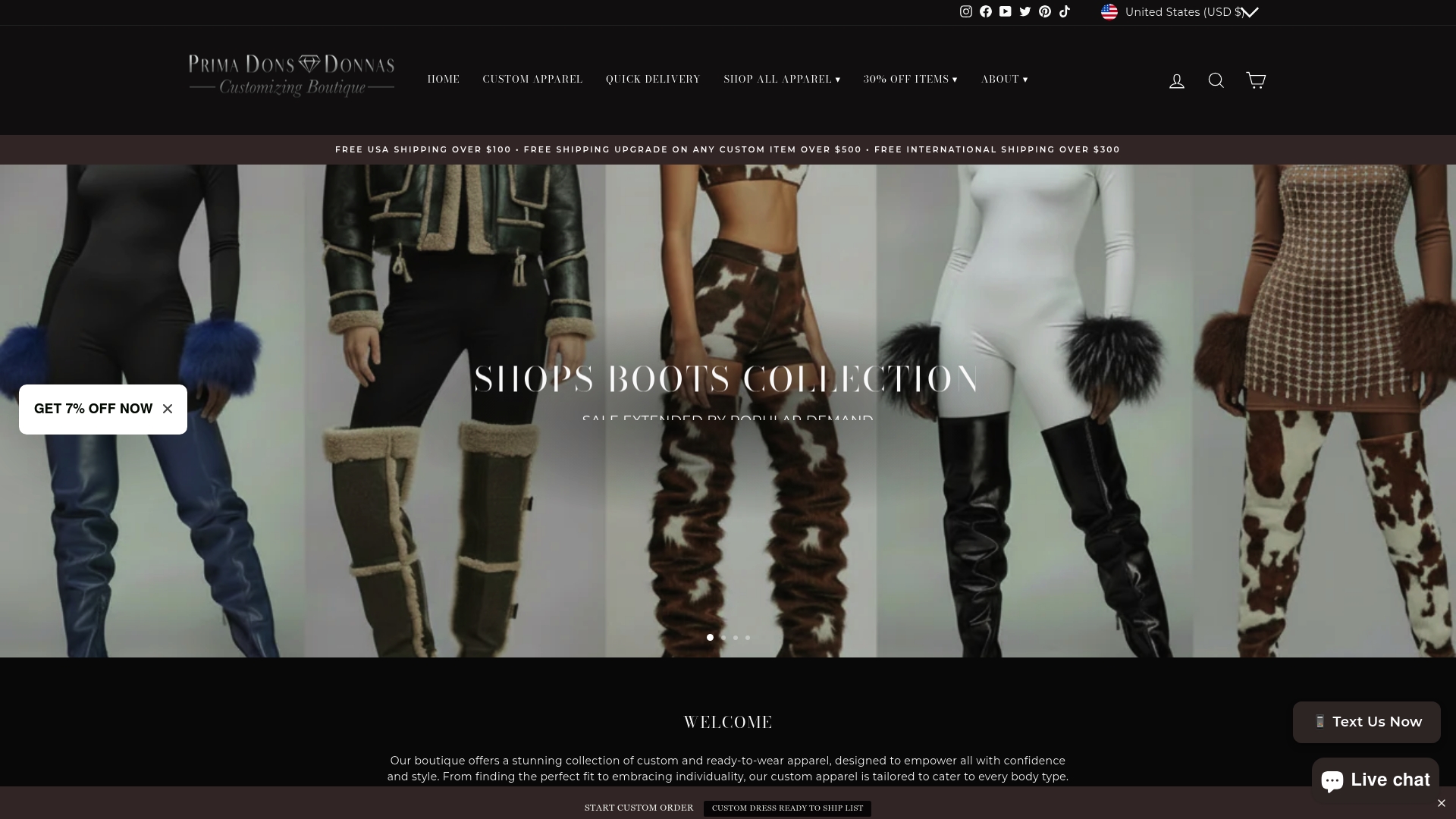
The custom outerwear collection includes faux fur options that deliver luxury aesthetics without the environmental cost of real fur. Ready-to-ship styles are also available for faster delivery when you need something quickly. Every order, whether made-to-order or ready-to-ship, is built with bold style and conscious craftsmanship at the center.
FAQ
What is tailored eco fashion in simple terms?
Tailored eco fashion is clothing made to your measurements using sustainable materials and waste-reducing production methods. It combines bespoke construction with eco-conscious design to minimize environmental impact and extend garment life.
How is tailored eco fashion different from regular sustainable fashion?
Regular sustainable fashion focuses broadly on ethical materials and labor. Tailored eco fashion adds precise fit and made-to-order production, which eliminates surplus stock and reduces disposal rates through better garment longevity.
Does made-to-order always mean eco-friendly?
Not automatically. True bespoke sustainability requires iterative pattern engineering, verified material sourcing, and worker protection practices. Made-to-order production alone does not guarantee waste reduction without engineered cutting and transparent supply chains.
What fabrics are most common in tailored eco fashion?
Organic cotton, Tencel, hemp, recycled polyester, and high-quality faux fur are the most widely used. Each offers a combination of low environmental impact and physical durability that supports longer garment use cycles.
Is tailored eco fashion affordable for everyday shoppers?
Custom eco fashion costs more upfront than fast fashion, but the cost per wear is lower because the garments last significantly longer. Brands like Primadonsanddonnas offer made-to-order options across a range of price points, including plus sizes and special occasion styles.
Recommended
- Why Sustainable Fashion Matters: Eco-Friendly Style Guide – Prima Dons & Donnas
- Sustainable fashion styling tips: Build an eco-friendly wardrobe – Prima Dons & Donnas
- Sustainable fashion explained: a guide to eco-chic choices – Prima Dons & Donnas
- Custom Clothing Guide for Unique, Sustainable Fashion – Prima Dons & Donnas


Leave a comment