

Sustainable fashion styling tips: Build an eco-friendly wardrobe
Fashion accounts for up to 10% of global CO2 emissions, and sustainable practices can cut water use by 30%. Yet most wardrobes are still packed with pieces worn once and forgotten. The challenge is real: you want to look bold, feel confident, and make choices that align with your values. This guide walks you through five clear steps to audit, build, shop, care for, and verify a wardrobe that works for your lifestyle and the planet. No perfection required. Just practical, fashion-forward moves that make every piece count.
Table of Contents
- Step 1: Rethink your wardrobe — Audit, edit, and set your style direction
- Step 2: Build a sustainable capsule wardrobe — Quality, versatility, and personal flair
- Step 3: Shop smarter — Rules for responsible and stylish purchases
- Step 4: Care and upcycle — Make every piece last (and pop)
- Step 5: Spot real vs. fake sustainability — Certifications, transparency, and greenwashing traps
- Our take: Why true sustainable style is about creativity, not just commodities
- Bring sustainable style to life with custom pieces
- Frequently asked questions
Key Takeaways
| Point | Details |
|---|---|
| Capsule wardrobe mindset | Limit your closet to 30-50 versatile, quality pieces for less waste and more style flexibility. |
| Smart shopping rules | Wait and verify before buying; prioritize function, transparency, and longevity in every purchase. |
| Care and upcycle | Extend the life of your clothes through proper care and creative reworking to save resources. |
| Spot greenwashing | Check labels, look for true transparency, and trust only verifiable sustainability claims. |
Step 1: Rethink your wardrobe — Audit, edit, and set your style direction
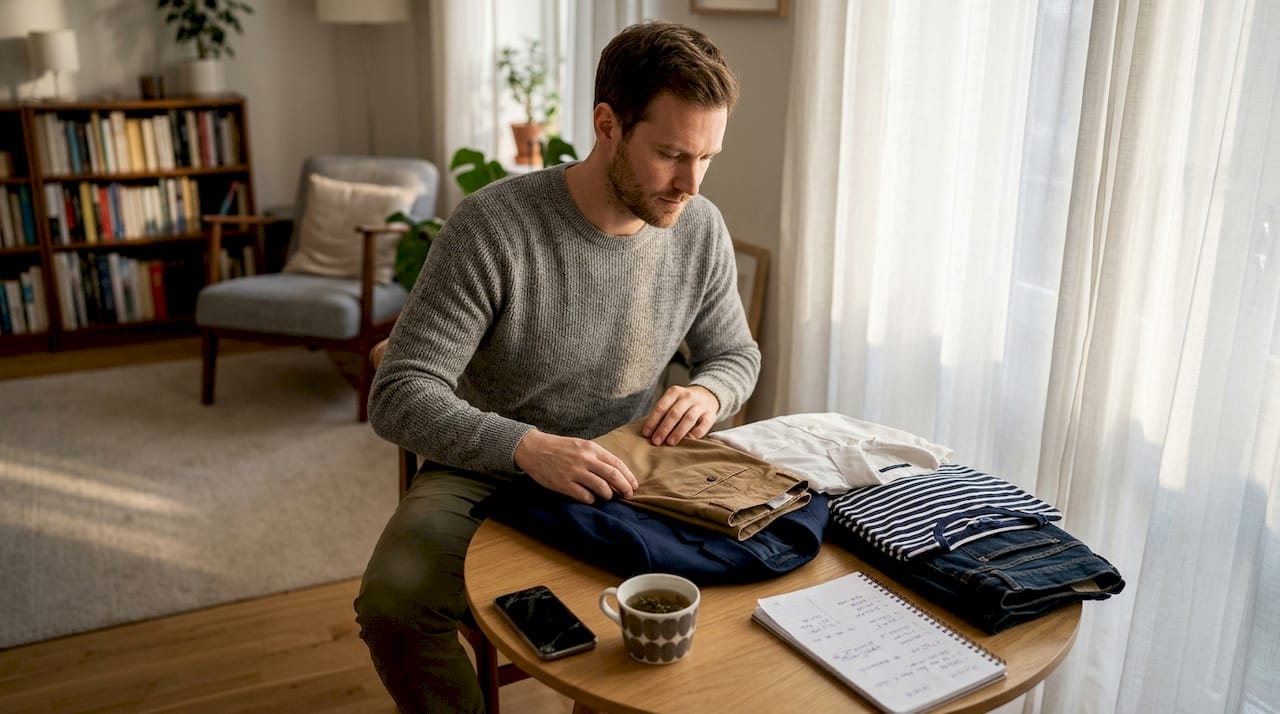
To create the foundation for sustainable style, start by clarifying what you already own and need. A structured wardrobe audit is the first move. It sounds simple, but most women skip it and end up buying duplicates or pieces that never get worn.
The four-pile audit system gives you a clear framework:
- Keep and wear often: Pieces you reach for regularly and love
- Fixable: Items with minor damage worth repairing
- Donate or sell: Good condition but no longer your style
- Discard: Worn out, unsalvageable, or unwearable
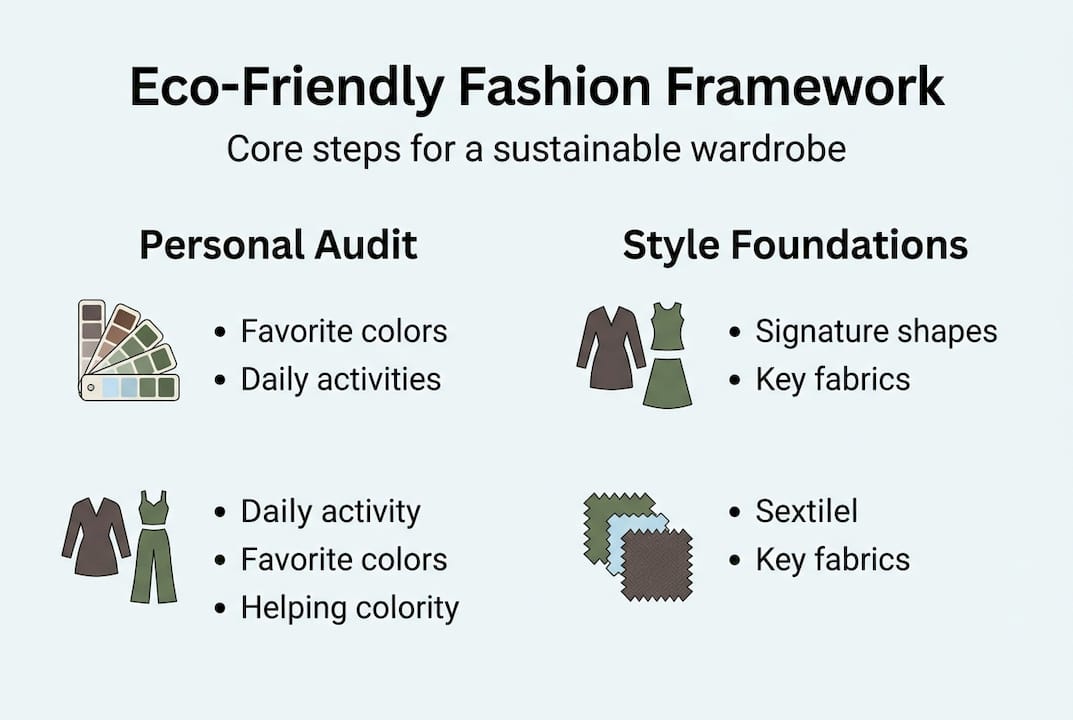
Once you’ve sorted everything, look at what’s left. What colors repeat? What silhouettes make you feel most confident? Use that information to define a personal color palette: 2 to 3 neutrals plus a few accent shades. This palette becomes your filter for every future purchase.
Style identity matters before you add anything new. Consider your lifestyle, the shapes that flatter you, and the confidence goals you have. A fashion confidence checklist can help you get specific about what you actually want your wardrobe to do for you.
Regular audits, done twice a year, limit waste and keep your closet intentional. They also reveal patterns in your spending and wearing habits. That awareness is what drives smarter, more custom clothing for sustainability decisions going forward.
| Audit pile | Action | Sustainability impact |
|---|---|---|
| Keep and wear often | Organize by color and category | Reduces overconsumption |
| Fixable | Repair or tailor | Extends garment life |
| Donate or sell | Resale platforms or local donation | Keeps items in circulation |
| Discard | Textile recycling only | Minimizes landfill waste |
Pro Tip: Take photos of your “keep” pile and organize them in a free app like Stylebook. Seeing your wardrobe visually makes outfit planning faster and reduces the urge to buy things you already own.
Step 2: Build a sustainable capsule wardrobe — Quality, versatility, and personal flair
Once you’ve defined your goals through a wardrobe audit, you’re ready for the capsule approach. A capsule wardrobe of 30 to 50 pieces maximizes outfit combinations while minimizing waste. That range gives you enough variety for daily life without tipping into excess.
Fabric choice is critical here. Raw materials account for 43 to 50% of fashion’s total environmental impact. Prioritize organic cotton, linen, TENCEL, hemp, and wool. These materials are durable, biodegradable, and hold up well over time. Explore custom capsule wardrobe options that let you choose both the fabric and the fit.
How to build your capsule wardrobe:
- Start with 5 to 7 versatile bottoms in neutral tones
- Add 8 to 10 tops that mix and match across all bottoms
- Include 2 to 3 layering pieces (blazers, cardigans, structured jackets)
- Choose 2 to 3 dresses or jumpsuits for effortless full looks
- Select 3 to 5 pairs of shoes covering casual, work, and occasion needs
- Finish with 5 to 7 accessories that add personality and versatility
| Capsule category | Recommended count | Best sustainable fabric |
|---|---|---|
| Tops | 8 to 10 | Organic cotton, TENCEL |
| Bottoms | 5 to 7 | Hemp, linen, wool |
| Outerwear | 2 to 3 | Recycled wool, faux fur |
| Dresses and jumpsuits | 2 to 3 | TENCEL, organic cotton |
| Footwear | 3 to 5 | Vegan leather, natural rubber |
| Accessories | 5 to 7 | Recycled metals, natural fibers |
Personal flair is what separates a capsule wardrobe from a boring uniform. Add one or two statement pieces, a bold color, a custom print, or a made-to-order silhouette that reflects your personality. Capsule does not mean plain.
Pro Tip: Before adding a new piece to your capsule, check that it pairs with at least five items you already own. If it doesn’t, it’s not a capsule piece.
Step 3: Shop smarter — Rules for responsible and stylish purchases
With your essentials in place, next up is responsible eco-minded shopping. The goal is not to stop buying. It’s to buy with intention.
The 30-wears rule is a powerful filter. Before purchasing anything, ask yourself: will I wear this at least 30 times? If the answer is uncertain, put it back. Pair that with a 30 to 48-hour waiting period for non-essential purchases. Impulse buys rarely survive a two-day pause.
Questions to ask before every purchase:
- Do I already own something similar?
- Can I style this five or more ways?
- Is this brand transparent about its supply chain?
- Is this secondhand, custom, or certified sustainable?
- Does this fit my color palette and capsule plan?
Secondhand shopping is one of the highest-impact conscious fashion choices you can make. Platforms like Depop, ThredUp, and Poshmark offer quality pieces at lower prices. Custom and made-to-order pieces are another strong option because they eliminate overproduction entirely.
For conscious shopping tips that go deeper, look for brands that publish supplier lists, use third-party audits, and share environmental data publicly. Transparency is a stronger signal than any marketing claim.
Stay current with sustainability trends in 2026 to understand which materials and practices are actually moving the needle. For a full wardrobe audit breakdown, that resource covers the complete process in detail.
Pro Tip: Set a monthly clothing budget and track it. Knowing your limit makes the 30-wears rule feel less like a restriction and more like a creative challenge.
Step 4: Care and upcycle — Make every piece last (and pop)
After shopping smarter, caring for what you own is key to longevity. Proper garment care can double or triple the life of your clothing. That’s a massive sustainability win that costs almost nothing.
Core care habits to build:
- Wash only when actually dirty, not just after one wear
- Use cold water and a gentle cycle to protect fibers
- Air dry whenever possible to reduce shrinkage and energy use
- Repair snags, loose buttons, and small tears immediately
- Store knits folded, not hung, to prevent stretching
Upcycling takes care one step further. It’s about transforming what you have into something fresh and personal. A pair of worn jeans becomes cropped shorts. A plain tee gets custom dye or embroidered patches. A dated blazer gets its buttons swapped for something bold.
“The most sustainable garment is the one already in your wardrobe. Wear it more, care for it better, and make it yours again.”
For styling custom looks that feel intentional and elevated, upcycling is one of the most creative routes available. You don’t need a sewing machine. A fabric marker, iron-on patches, or a local tailor can completely transform a piece. Explore the full upcycling fashion guide for project ideas and step-by-step instructions.
Sustainable fashion is about creativity and stewardship, not perfection. Every repair, every rewear, every upcycle project adds up.
Step 5: Spot real vs. fake sustainability — Certifications, transparency, and greenwashing traps
Navigating claims around eco-fashion requires clarity. Here’s how to avoid common traps. Up to 60% of sustainability claims are false or unsubstantiated, and misleading marketing has already led to €41.9M in fines across the EU. Greenwashing is widespread, and it’s getting more sophisticated.
Reliable certifications to look for:
- GOTS (Global Organic Textile Standard): Covers the full supply chain for organic fibers
- Fair Trade Certified: Focuses on ethical labor and fair wages
- B Corp: Measures overall company impact, not just product-level claims
- OEKO-TEX Standard 100: Certifies textiles are free from harmful substances
Red flags for greenwashing:
- Vague terms like “eco-friendly,” “green,” or “conscious” with no data
- Certifications that apply to one product but are used to market the whole brand
- No supplier information or factory transparency
- Claims about recycled content without lifecycle data
| Genuine sustainability | Misleading claim |
|---|---|
| GOTS-certified organic cotton | “Made with natural fibers” |
| Published supplier list | “We care about people” |
| Third-party audit results | “Eco-friendly collection” |
| Lifecycle analysis available | “Sustainable by design” |
For a deeper look at what certifications really mean, that resource breaks down the gaps between certification standards and real-world impact. Use the eco-friendly style guide to apply these filters to your own shopping decisions.
Transparency and lifecycle analysis matter more than buzzwords. If a brand can’t show you the data, that’s your answer.
Our take: Why true sustainable style is about creativity, not just commodities
Now that you know how to avoid pitfalls, here’s a fresh perspective on what really counts. Most sustainable fashion content focuses on what to buy. But the real shift happens in how you relate to what you own.
Usage and durability often matter more than fabric alone. Polyester worn 200 or more times has a lower impact than organic cotton worn three times and discarded. That reframes the whole conversation. The most sustainable wardrobe is not the one made entirely from certified materials. It’s the one you love, maintain, and keep evolving.
Tailoring a piece to fit better, upcycling something dated into something current, wearing a dress five different ways — these are the moves that actually reduce waste. They also make conscious fashion choices feel exciting rather than restrictive.
Perfection is not the goal. Progress is. Build a wardrobe you’re genuinely attached to, and sustainability follows naturally.
Bring sustainable style to life with custom pieces
Ready to apply these steps to your own wardrobe? Prima Dons and Donnas makes it straightforward.
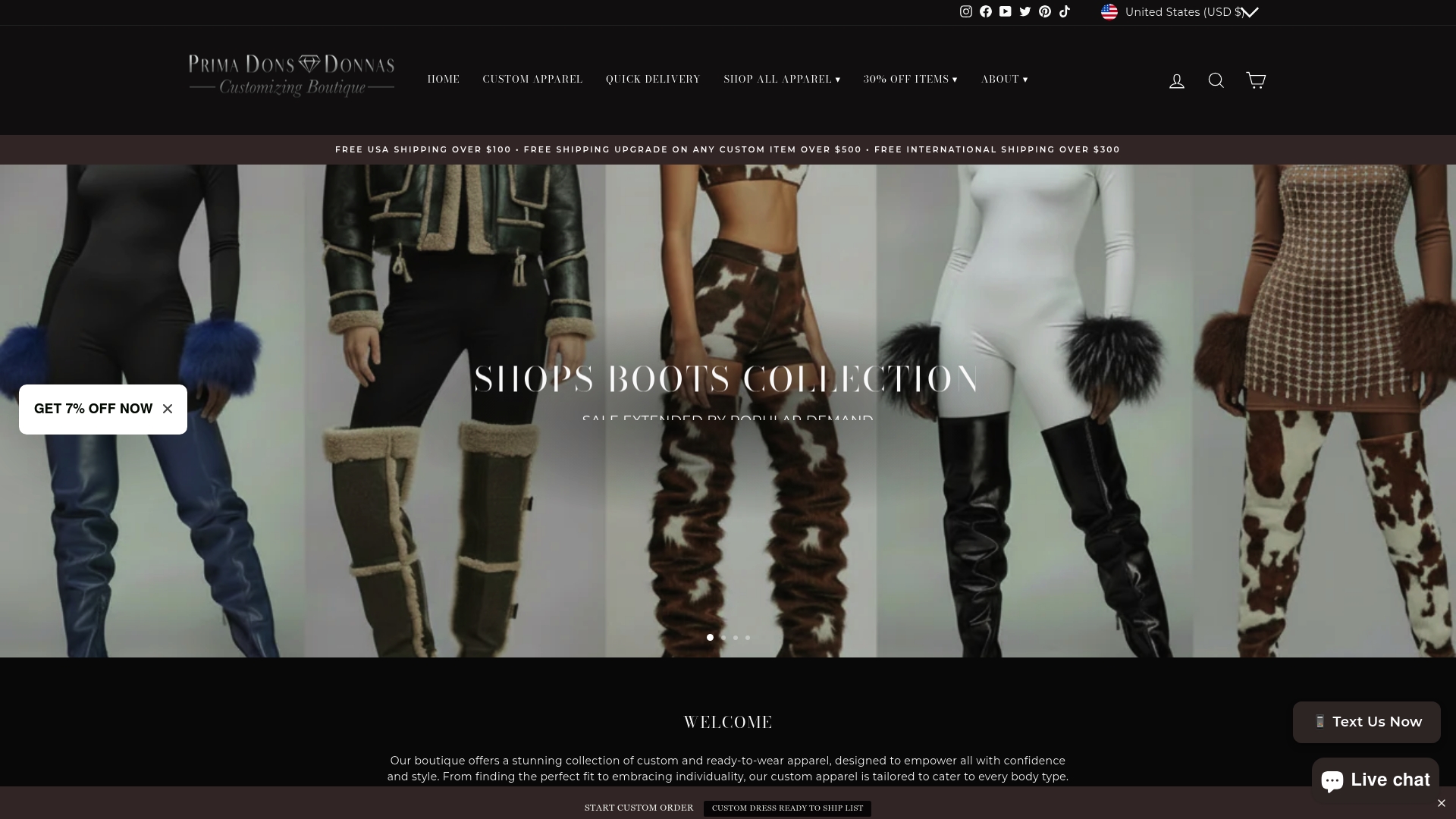
Every piece in the collection is made to order, which means zero overproduction and a fit tailored to your exact measurements and color preferences. From the custom dress collection to custom outerwear options featuring high-quality faux fur, each item is designed for bold, confident wear. Browse custom made-to-order apparel to find pieces that match your capsule plan, your color palette, and your values. Ready-to-ship options are also available for faster delivery. Style that’s personal, intentional, and built to last.
Frequently asked questions
How many pieces should a sustainable capsule wardrobe include?
Aim for 30 to 50 versatile pieces for a balanced, low-waste capsule wardrobe that covers daily needs without excess.
What fabrics are best for sustainable fashion?
Prioritize durable options like organic cotton, linen, TENCEL, hemp, and wool over trendy materials with vague eco claims.
How do I check if a brand’s sustainability claims are legit?
Look for transparent reporting and reputable certifications like GOTS or Fair Trade. 60% of brand claims are false or unsubstantiated, so data matters more than marketing language.
What is the 30-wears rule in fashion?
The 30-wears rule means only buying clothes you can see yourself wearing at least 30 times, which reduces impulse shopping and overall waste.
How does garment care affect sustainability?
Washing less, air drying, and mending early can double or triple a garment’s lifespan, making care one of the highest-impact sustainability habits you can build.
Recommended
- Why Sustainable Fashion Matters: Eco-Friendly Style Guide – Prima Dons & Donnas
- Sustainable fashion options for conscious women in 2026 – Prima Dons & Donnas
- What is sustainable fashion: A 2026 guide – Prima Dons & Donnas
- Fashion sustainability trends 2026: bold eco-friendly style – Prima Dons & Donnas


Leave a comment