

Personalized fashion: Better fit, unique style, less waste
TL;DR:
- Personalized fashion offers precise fits by starting with individual measurements, reducing returns and waste. It enhances sustainability through made-to-order production and creates unique, longer-lasting clothing tailored to diverse body types. However, mindful shopping and intentional wardrobe choices are essential for truly sustainable and satisfying fashion experiences.
Most women have stood in a fitting room, staring at a garment that fits in one place and gaps in another, wondering why sizing even exists if it never actually works. Off-the-rack fashion promises convenience, but the reality is hours of searching, piles of returns, and a closet full of “close enough.” Personalized fashion flips that script entirely. It starts with your actual body, your actual preferences, and your actual life, then builds something around you instead of asking you to fit around it.
Table of Contents
- What makes personalized fashion different?
- Custom fit: Why measurements matter for every body
- Sustainability advantage: Reducing waste and environmental impact
- Personalization vs. fast fashion: Value that lasts
- Our take: Personalization is powerful, but only if you shop mindfully
- Find your signature style with custom, sustainable fashion
- Frequently asked questions
Key Takeaways
| Point | Details |
|---|---|
| Flawless fit for all | Custom measurements ensure your clothes fit and feel better, whatever your size or shape. |
| Eco-friendly choices | Personalized, made-to-order fashion fights waste and cuts carbon emissions compared to fast fashion. |
| Unique personal style | You stand out with distinct designs tailored to your taste and body, not mass-produced trends. |
| Longer wardrobe life | Personalized pieces are loved, kept, and worn up to 50% longer than generic fast fashion. |
| Mindful shopping wins | The biggest impact comes from combining custom choices with thoughtful, sustainable wardrobe decisions. |
What makes personalized fashion different?
The biggest difference between personalized fashion and standard retail comes down to one thing: precision. Most mainstream clothing is designed around a set of standardized measurements that represent an average body, which means almost nobody actually fits those averages perfectly. Personalized fashion, by contrast, starts with your measurements and works outward from there.
Custom garments typically require 16-30 precise body measurements to achieve a fit that feels like the garment was made for you specifically, because it was. That level of detail addresses everything from shoulder width and bust circumference to hip curve and inseam length. The result is clothing that sits correctly, moves with you, and requires zero alterations after the fact.
Technology is also changing how this process works. Body scanning tools can capture accurate measurements in seconds. AI stylists analyze your preferences, body shape, and lifestyle to suggest designs that actually suit you. 3D printing and digital pattern-making allow brands to translate measurements into precise cuts with minimal error. These tools put the advantages of personalized fashion within reach for more shoppers than ever before.
Here is a clear comparison between what you typically get from mainstream retail versus what personalized fashion delivers:
| Feature | Mainstream fashion | Personalized fashion |
|---|---|---|
| Fit accuracy | Standardized sizing, rarely perfect | Built to your exact measurements |
| Uniqueness | Mass-produced, widely available | One-of-a-kind or limited production |
| Return rate | High, often due to fit issues | Significantly lower |
| Size inclusivity | Limited, often excludes curvy/plus sizes | Any size, any shape |
| Environmental impact | High overproduction, major waste | Made to order, minimal waste |
| Longevity | Often discarded quickly | Worn and kept much longer |
Understanding the role of personalization in fashion makes it clear why this approach is growing fast. The made-to-order process typically follows a simple flow:
- Submit your precise body measurements
- Complete a design consultation (style, color, fabric preferences)
- Review and approve the design or prototype
- Receive your finished piece, tailored specifically for you
“Personalized fashion solves the silent frustration that millions of women carry into every store: the feeling that clothing was never really designed for their body.”
Custom fit: Why measurements matter for every body
Sizing charts have always been a guessing game. A size 14 in one brand fits completely differently from a size 14 in another. That inconsistency isn’t an accident; it’s a structural problem in how mass production works. Brands use one set of measurements to pattern-cut thousands of garments, and those measurements can’t account for the genuine diversity of human bodies.
Custom tailoring solves this with specificity. When a garment is built from your actual measurements, you don’t need to guess which size to order or wonder whether the waist will sit right. It simply fits. This matters even more for women with curvy, plus-size, or otherwise unique body proportions, where the gap between “available” and “actually fits” tends to be the widest.
Here is how the ordering process works for a custom-made piece:
- Take your measurements. Use a soft measuring tape to capture bust, waist, hips, inseam, shoulder width, and any other relevant measurements. Many brands provide step-by-step self-measurement guides.
- Schedule a consultation. Discuss your design goals, fabric preferences, colors, and occasion with the brand’s team.
- Approve the design. Review technical sketches or digital mockups before production begins.
- Production begins. The garment is cut and constructed specifically for your measurements.
- Delivery. Your finished piece arrives ready to wear, with no alterations needed.
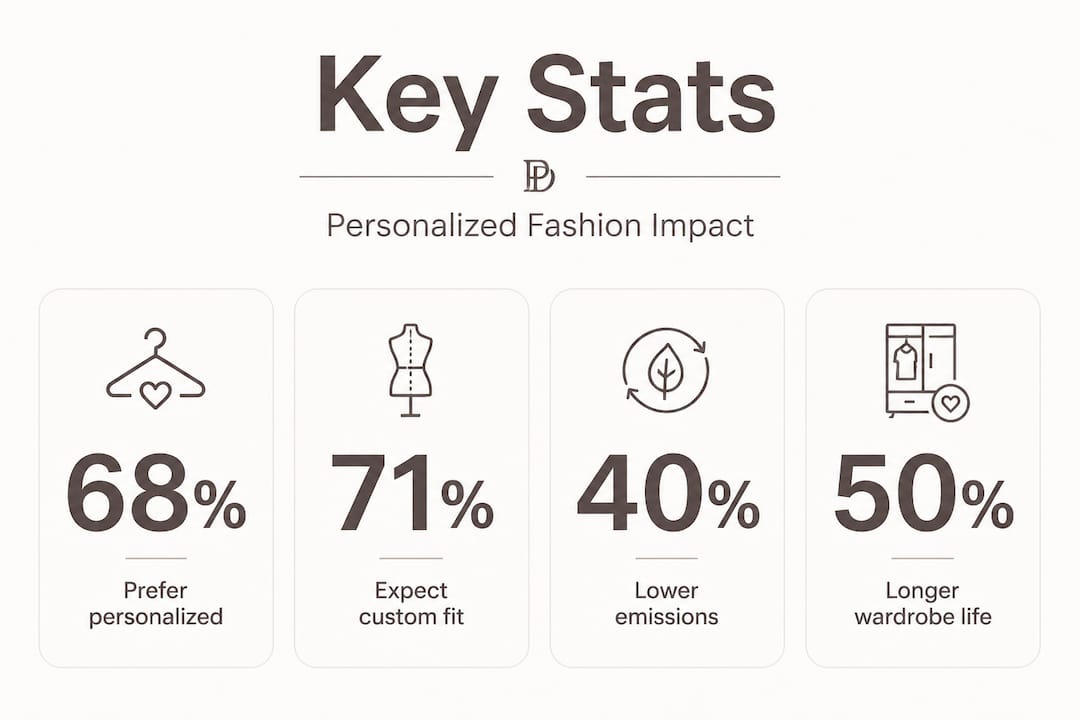
The demand for this kind of experience is measurable. 68% of shoppers prefer personalized options, and 71% expect personalization as a standard part of their shopping experience. Those numbers reflect a real shift in what women want from fashion, not a trend.
The custom plus size clothing benefits are especially significant. Standard retail often stops at certain sizes or offers limited silhouettes for plus-size shoppers. Custom fashion removes that ceiling entirely. Every size, every shape, every proportion gets the same attention and precision. This also extends to footwear. The benefits of custom footwear follow the same logic: shoes built to your foot shape provide comfort and confidence that standard sizing simply cannot replicate.
Pro Tip: Update your measurements every 6 to 12 months. Bodies change with seasons, activity levels, and life stages. Fresh measurements keep your custom pieces fitting perfectly every time.
Sustainability advantage: Reducing waste and environmental impact
Fashion is one of the most wasteful industries on the planet. Brands produce enormous quantities of clothing based on projected demand, and when those projections are wrong, the excess ends up in landfills or incinerators. Personalized, made-to-order production works in the opposite direction. Nothing is made until someone orders it, which means zero excess inventory and zero overproduction.
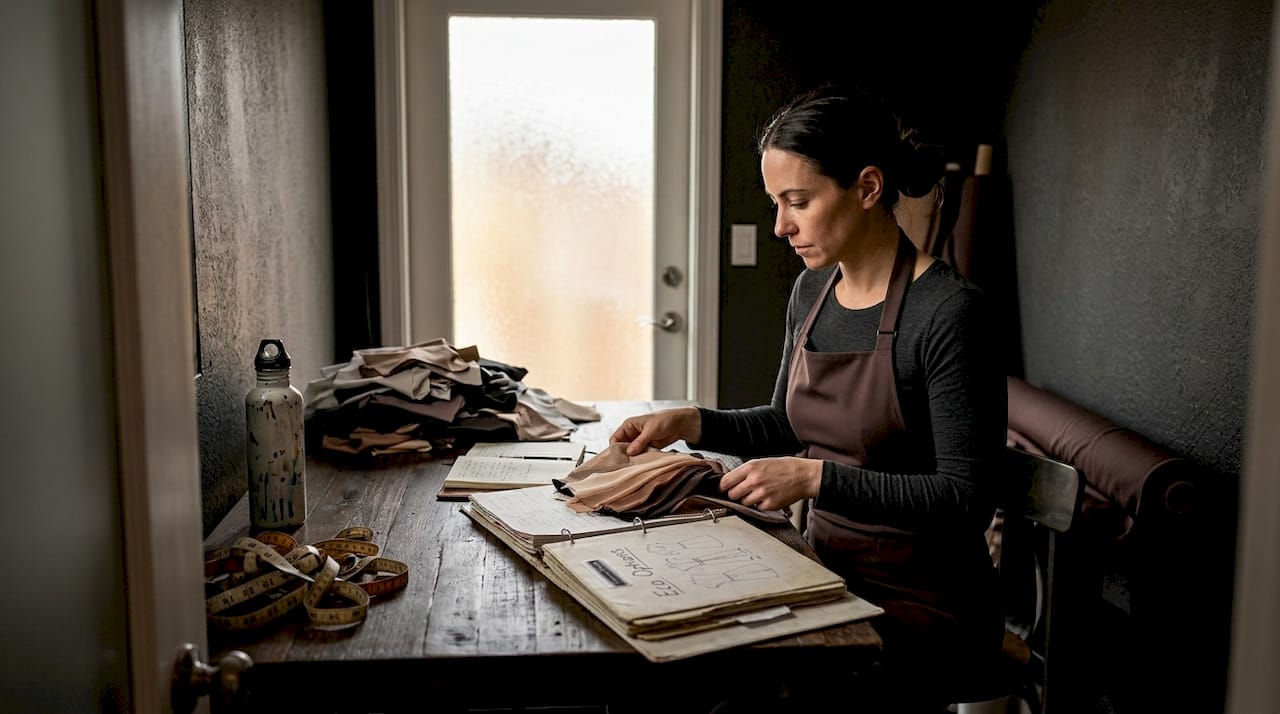
The environmental numbers behind this shift are significant. Made-to-order production can reduce carbon emissions by up to 40% in some cases compared to traditional fashion manufacturing. That is not a small margin. When you factor in the reduced need for shipping returns, the lower energy costs of producing only what is needed, and the longer lifespan of well-fitting garments, the sustainability case becomes even stronger.
Here is how standard fast fashion stacks up against personalized production:
| Category | Fast fashion | Personalized production |
|---|---|---|
| Overproduction | Massive, routine | None, made to order |
| Carbon emissions | Very high | Up to 40% lower |
| Return rates | High due to fit issues | Significantly reduced |
| Garment lifespan | Short, often discarded within a year | Worn far longer |
| Fabric waste | High during mass cutting | Minimized with precise pattern cutting |
| Water usage | Extremely high | Substantially lower |
The impact of poor fit on returns is also a direct sustainability issue. Personalized items stay in wardrobes up to 50% longer and reduce the costly returns that burden the industry to the tune of $300 billion annually due to sizing inconsistencies.
“Personalized items stay in wardrobes up to 50% longer, cutting costly returns.”
Here are straightforward ways to shop more sustainably using personalized fashion:
- Choose made-to-order brands instead of buying multiple sizes to return the ones that don’t fit
- Prioritize quality fabrics and construction that hold up over time
- Select timeless silhouettes that won’t look dated in two seasons
- Opt for sustainable materials like high-quality faux fur, organic fabrics, or recycled fibers
- Resist buying “just in case” pieces without a clear outfit or occasion in mind
Exploring sustainable fashion tips can help you build a wardrobe that looks great and does less damage along the way. There are also sustainable fashion options specifically curated for women who want style and environmental responsibility in the same purchase.
Personalization vs. fast fashion: Value that lasts
Fast fashion has one obvious appeal: price. You can walk into a store, spend very little, and walk out with something new. The problem is that the true cost shows up later. Items wear out quickly, styles feel dated within months, and garments that never fit quite right get donated or discarded long before they’ve earned their keep.
Personalized pieces work differently. Because they were made for your body and chosen with intention, you actually want to wear them. That emotional connection is real and measurable. Personalized items remain in wardrobes up to 50% longer than their fast-fashion equivalents, which means the per-wear cost drops significantly over time. A custom piece that costs more upfront but gets worn 80 times is far better value than a cheap item worn three times before it’s forgotten at the back of a drawer.
The psychology of personalization also plays a meaningful role. When something was made specifically for you, with your measurements and preferences guiding every decision, the ownership experience is fundamentally different. You don’t feel like you’re wearing a product. You feel like you’re wearing your style. That distinction drives how long people keep pieces and how often they reach for them.
Here is what you actually gain beyond just a better fit:
- Emotional connection. Custom pieces feel personal, which makes you value them more
- Reduced returns. When the fit is right from the start, there’s no guessing, no sending back, no reordering
- Unique style. Nobody else is wearing the exact same thing in the exact same color and cut
- Longer use. Garments worn more often stay out of landfills longer
- Confidence. Clothing that fits properly changes how you carry yourself
Understanding why personalized fashion matters goes deeper than aesthetics. It’s about building a wardrobe with purpose. Empowering your unique style through intentional custom choices is one of the most effective ways to shop smarter, look better, and feel more like yourself every single day.
Pro Tip: Instead of buying several mid-range pieces each season, invest in one or two truly personalized statement items. A custom dress or a made-to-order coat worn consistently will outperform an entire fast-fashion haul in terms of use, confidence, and satisfaction.
Our take: Personalization is powerful, but only if you shop mindfully
Personalization genuinely makes fashion better. Better fit, better style, better environmental outcomes. But it would be dishonest to say personalization alone solves the problem. The issue with fashion consumption isn’t just the product; it’s the habit.
Some consumers apply the same overconsumption habits to personalized and secondhand shopping as they do to fast fashion. Buying ten custom pieces you don’t actually need is still buying ten things you don’t need. The packaging may be more sustainable and the fit may be better, but the accumulation pattern remains the same. True sustainability requires a shift in mindset, not just a shift in the type of item purchased.
What actually changes outcomes is intentionality. Before ordering anything custom, ask real questions: Where will this be worn? Does it work with what’s already in the closet? Will it still feel relevant in three years? Does it fill a genuine gap, or is it an impulse driven by the excitement of something new?
The ultimate luxury isn’t an endless rotation of custom pieces. It’s a deliberately curated wardrobe where every item earns its place. That kind of curation is possible with personalized fashion, but only when paired with honest restraint. Personalization gives you the tools to own clothing that actually fits your life. Mindfulness ensures you use those tools well. Exploring sustainable fashion options with a clear sense of what you actually need is the combination that creates a wardrobe worth having.
Find your signature style with custom, sustainable fashion
Ready to experience the comfort and impact of personalized fashion yourself? The perfect piece awaits.
At Prima Dons and Donnas, every piece is made to order for your exact size, shape, and style preferences. The collections cover everything from bold statement dresses and custom outerwear to made-to-measure footwear and accessories. Whether you’re curvy, plus-size, or simply tired of settling for “close enough,” there are options designed specifically around your body and your vision.
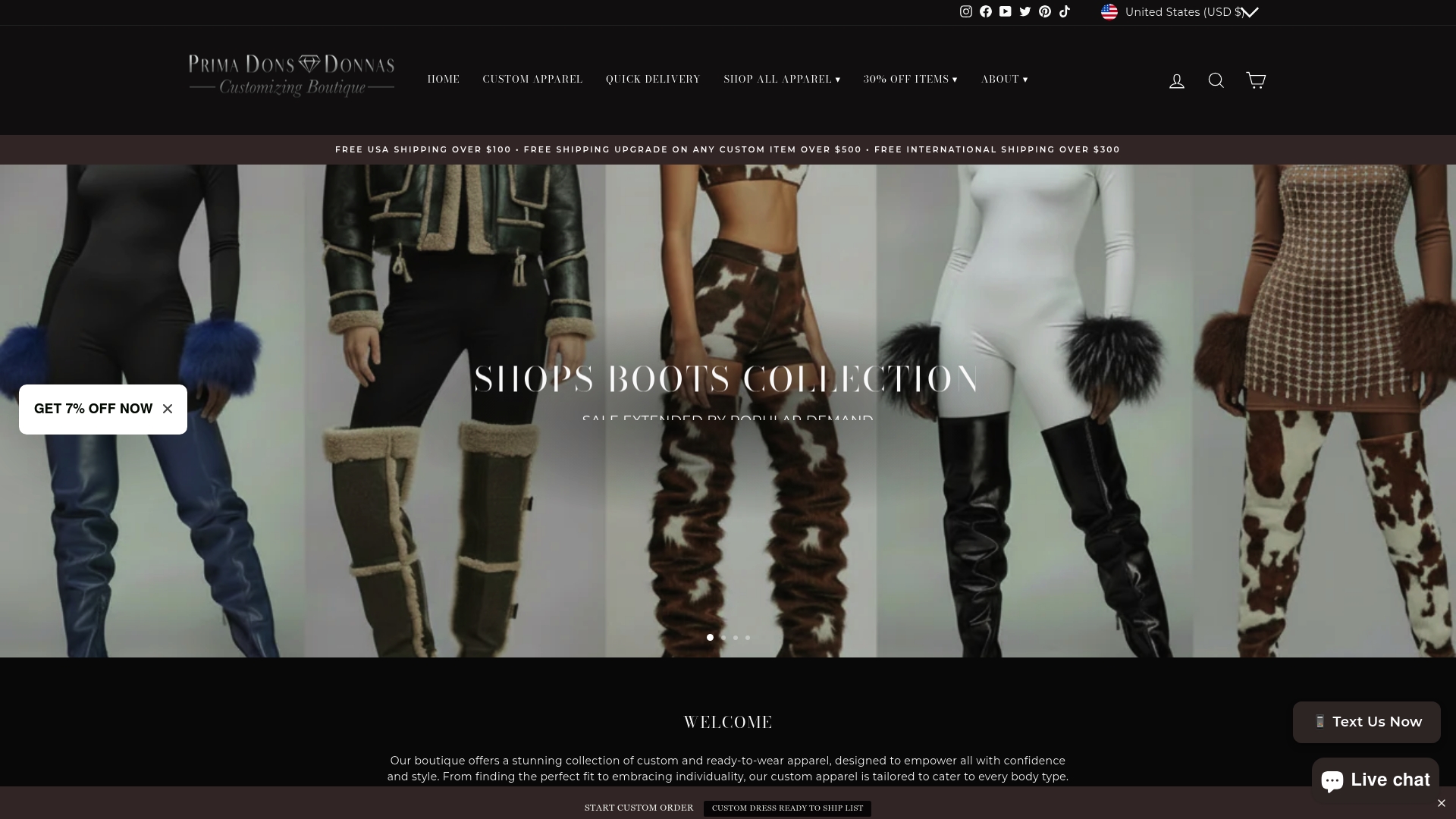
For shoppers who want something fast, there are also ready-to-ship options available so you don’t have to wait weeks for a great fit. Every item is built with quality, confidence, and sustainability in mind, including faux fur outerwear and eco-conscious fabric choices. Browse the full collection and find the piece that was always meant for you.
Frequently asked questions
How does personalized fashion help plus-size women?
Personalized fashion uses 16-30 precise measurements to create garments that fit and flatter unique body shapes, reducing discomfort and boosting confidence for curvy and plus-size figures specifically.
Is personalized fashion really more sustainable than fast fashion?
Yes. Made-to-order production eliminates overproduction and excess inventory, reducing carbon emissions by up to 40% compared to traditional fast fashion manufacturing.
Will personalized clothing last longer in my wardrobe?
Personalized items stay in wardrobes up to 50% longer than fast-fashion equivalents, helping reduce waste and the $300 billion annual cost of sizing-related returns across the industry.
Do I need to get professionally measured for custom fashion?
Professional measurement yields the most accurate results, but many brands now offer easy self-measurement guides and digital tools that make the process simple to do at home.
Can personalized fashion help reduce returns?
Yes. When clothing is built to your exact measurements, returns drop significantly because sizing inconsistencies and poor fit, the primary reasons shoppers send items back, are removed from the equation entirely.
Recommended
- Unlock key advantages of personalized fashion in 2026 – Prima Dons & Donnas
- Made-for-you fashion: Personalized fit and self-expression – Prima Dons & Donnas
- Role of Personalization in Fashion: Defining Unique Style – Prima Dons & Donnas
- Sustainable fashion tips for personalized, luxe & eco-friendly style – Prima Dons & Donnas
- Why Custom Bikinis Matter: Style, Fit, and Sustainability - L’ANIMAL CO


Leave a comment