

How Craftsmanship Elevates Custom Clothing for Confident Women
TL;DR:
- True craftsmanship in custom clothing involves consultation, pattern drafting, and skilled construction.
- Handmade, durable garments support sustainability by lasting decades and reducing waste.
- Personalized, crafted pieces enhance confidence and reflect individual style beyond mass-market options.
Most people think ordering custom clothing means picking a color and sharing your measurements. That’s where the assumption stops. But the real magic happens long before the fabric is cut. True craftsmanship involves consultation, pattern drafting, skilled construction, and a level of intention that mass production simply cannot replicate. This guide breaks down what genuine craftsmanship looks like in custom clothing, why it matters for sustainability, and how it directly supports the kind of bold, confident style that fashion-forward women are building today.
Table of Contents
- What craftsmanship really means in custom clothing
- Craftsmanship’s impact on sustainability and longevity
- Personalization: How craftsmanship celebrates unique style and confidence
- Cultural heritage and modern innovation: Craft in women’s custom suits and footwear
- Why authentic craftsmanship matters more than ever in 2026
- Experience custom craftsmanship with Prima Dons & Donnas
- Frequently asked questions
Key Takeaways
| Point | Details |
|---|---|
| True craftsmanship explained | Custom clothing craftsmanship includes unique patternmaking, skilled techniques, and goes far beyond fabric selection. |
| Sustainable fashion impact | Artisan production leads to garments that last for decades, reducing waste and supporting the planet. |
| Personalized style empowerment | Crafted pieces celebrate body diversity and individual style, boosting wardrobe confidence. |
| Cultural and modern blend | Today’s custom attire merges traditional handcraft and innovation for both practical and expressive confidence. |
What craftsmanship really means in custom clothing
The word “craftsmanship” gets used a lot, but it rarely gets explained. In custom clothing, craftsmanship is not just skilled sewing. It is a full process that begins with listening and ends with a garment built specifically around you. Understanding that process helps you recognize the difference between a truly custom piece and something that is only marketed that way.
True craftsmanship in custom clothing covers several distinct stages:
- Consultation: The artisan learns your lifestyle, preferences, and body shape.
- Measurements: Multiple precise measurements are taken, not just standard size points.
- Patternmaking: A unique pattern is drawn from scratch for your body.
- Fabric selection: Materials are chosen for both aesthetics and function.
- Construction: Skilled hands assemble each piece, often using hand stitching at key stress points.
- Fitting and adjustment: Iterations happen until the fit is exactly right.
There is an important distinction between bespoke and made-to-measure. Bespoke tailoring involves hand-drafting a completely unique paper pattern from scratch for each client, starting from a blank slate every time. Made-to-measure modifies an existing pattern block to fit your measurements. Both are far superior to off-the-rack, but bespoke represents the highest level of custom craft.
Why does this matter? Because surface-level customization, like choosing a fabric or picking a silhouette from a dropdown menu, is not the same as true artisanship. The fit advantage alone is significant. A garment drafted specifically for your body will move differently, sit differently, and wear differently than one pulled from a standard size run and hemmed shorter.
Understanding the custom order workflow behind a well-made garment helps you ask better questions and make smarter choices when investing in your wardrobe.
Pro Tip: Before placing a custom order, ask your artisan to walk you through their specific process stages. If they cannot explain consultation, patternmaking, and fitting separately, that is a signal they may not be offering true bespoke craftsmanship.
“A bespoke garment is not simply about fit. It is about creating something that has never existed before and will never exist again in exactly that form.” — Form & Taste on bespoke tailoring heritage
Craftsmanship’s impact on sustainability and longevity
Understanding the methods is only half the story. Next, let’s explore how craftsmanship turns fashion into a force for sustainability and longevity.
Fast fashion is built on speed and volume. A piece designed to be worn five times and discarded is not a piece built with craft. Artisanal clothing operates on the opposite logic: one well-made item should outlast dozens of mass-produced ones.
Durable custom pieces can last decades, reducing the cycle of purchasing, discarding, and repurchasing that drives fashion waste. This is not just a feel-good idea. It has a measurable environmental impact when you look at the full lifecycle of a garment.
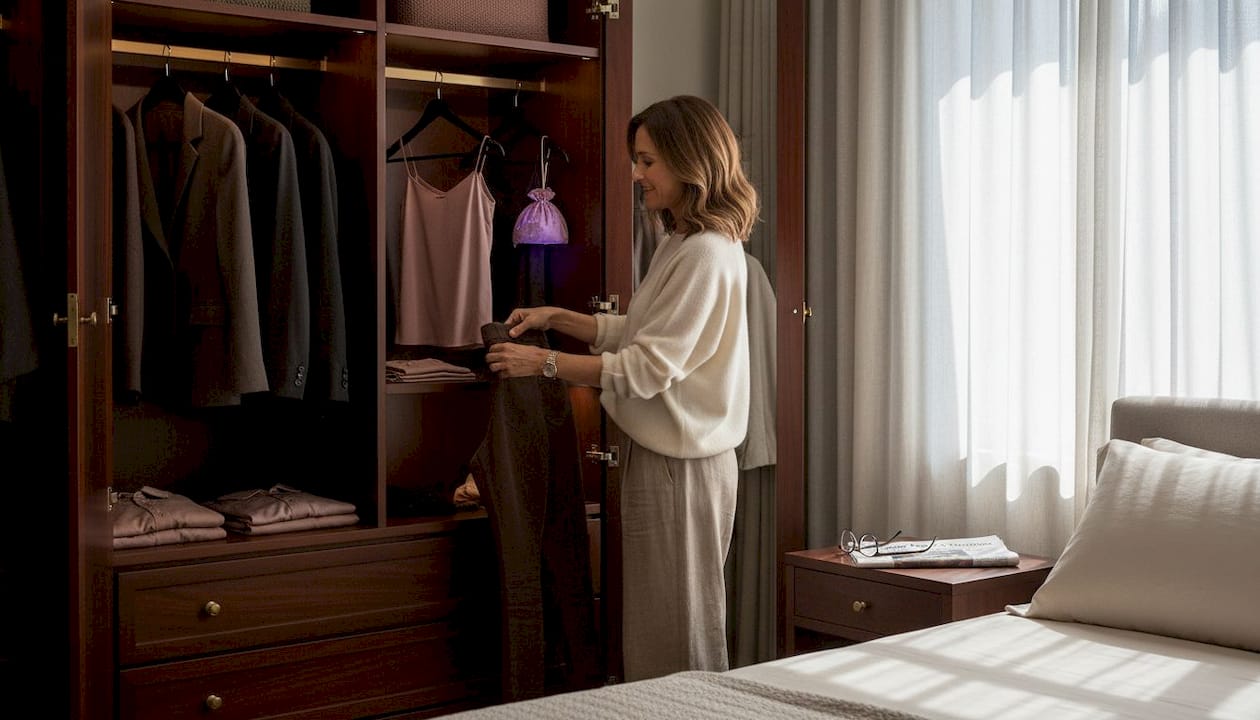
| Factor | Custom craftsmanship | Fast fashion |
|---|---|---|
| Longevity | Decades with proper care | Months to a few years |
| Waste | Minimal, made to order | High, excess inventory common |
| Environmental impact | Lower over lifetime | Significant, ongoing |
| Repairability | Built for it | Often not worth repairing |
| Material quality | Ethical, durable fibers | Often synthetic, low grade |
Several key elements of artisanal production connect directly to sustainability:
- Made-to-order model: No excess inventory sitting in warehouses or being burned.
- Quality materials: Ethical natural fibers and high-quality alternatives like faux fur last longer and perform better.
- Support for local artisans: Keeping production small and skilled reduces the environmental and social costs of mass manufacturing.
- Repairability: Garments constructed with care can be altered, repaired, and resized as your body or needs change.
Exploring sustainable custom clothing options gives you a clearer picture of what responsible production looks like in practice. And understanding the benefits of sustainable clothing goes beyond the environmental. It affects how you feel wearing something you know was made with intention.
Pro Tip: To extend the life of a custom garment by years, store it properly (hanging or folded based on fabric type), spot clean when possible, and take it to a skilled tailor for any repairs rather than letting small issues become irreparable ones.
A well-crafted garment is also easier to resize. Bodies change over time. A piece sewn with wide seam allowances and quality thread can be taken in or let out repeatedly, which means you keep wearing it rather than replacing it.
Personalization: How craftsmanship celebrates unique style and confidence
Craftsmanship is more than durability. It is a relationship with your own style. Let’s see how true craft makes your wardrobe uniquely yours.
There is a real difference between clothing that fits you and clothing that was made for you. The first is about measurements. The second is about identity. True craftsmanship creates garments that align with who you are, not just what size you wear.
Personalized craft reflects unique style and confidence for fashion-forward women through inclusive design, timeless pieces, and sustainable luxury that connects your identity with enduring quality. That is a significant shift from buying something because it is trendy or because it was available in your size.
Here is a comparison of how mass market and custom craftsmanship approach personalization differently:
| Element | Mass market | Custom craftsmanship |
|---|---|---|
| Fit | Standard size chart | Individual measurements |
| Design | Pre-set options | Your specifications |
| Size range | Limited | Any size, any body |
| Style input | Minimal | Full creative collaboration |
| Identity expression | Generic | Distinctly personal |
| Trend dependence | High | Low, timeless design |
The process of getting a custom piece made is itself empowering. Here is what it typically looks like from start to finish:
- Inspiration gathering: You share images, preferences, colors, and occasions.
- Consultation: Your artisan listens and offers suggestions based on your body and lifestyle.
- Measurement session: Detailed measurements are recorded, including posture and movement.
- Pattern creation: A draft specific to your measurements is created.
- Fabric selection: You choose materials that match your vision and values.
- First fitting: The shell garment is tried on and adjusted.
- Construction and finishing: The final piece is built, including lining, closures, and embellishments.
- Final delivery: You receive something made entirely for you.
This process supports women of all sizes and body shapes. Inclusive design means there are no standard size limitations, no fitting room frustrations, and no compromising on how a garment looks or feels. Reviewing a guide to unique sustainable fashion can help you understand what to request and what to expect from a skilled maker.
Understanding why custom sizing matters goes beyond vanity. It is about wearing clothes that respect your body rather than forcing your body to conform to arbitrary size standards.
Women who invest in custom clothing consistently report increased confidence, not because the clothes are expensive, but because every detail was chosen intentionally. Timeless design reinforces that confidence over years, not just for one season.
Cultural heritage and modern innovation: Craft in women’s custom suits and footwear
Personalization connects with identity, but craft also honors culture and pushes innovation, especially in tailored suits and expressive footwear.
Custom clothing does not exist in a vacuum. It carries history. Many of the techniques used by artisans today trace back centuries, and slow fashion is actively reviving those methods as both a cultural statement and an ecological choice.
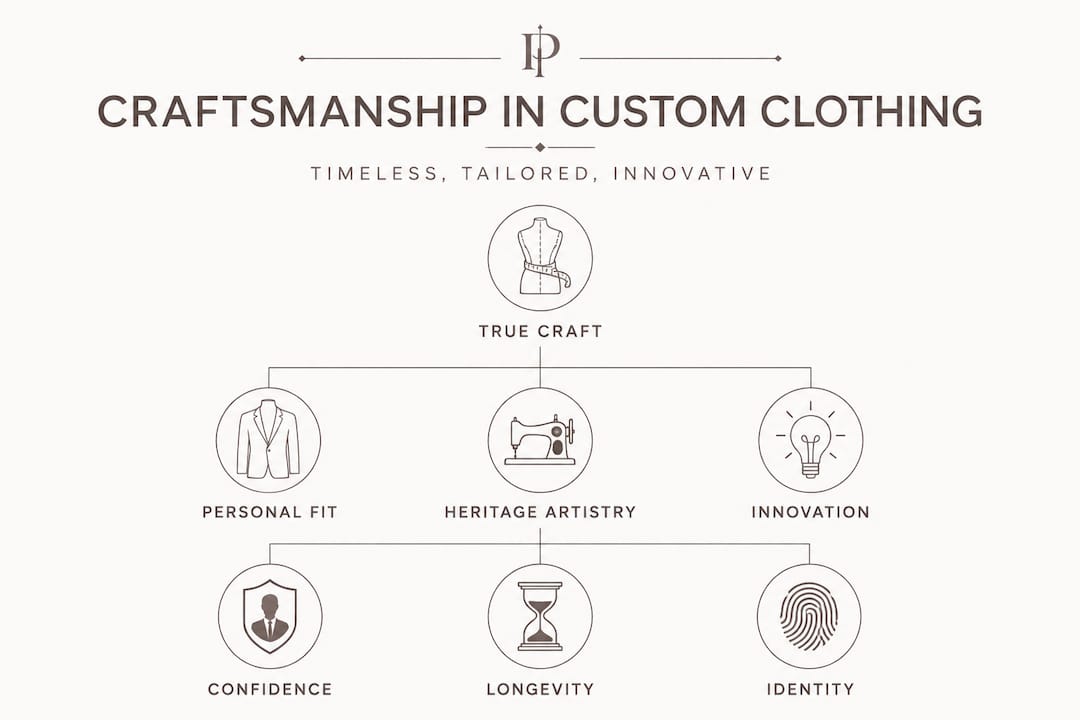
Bespoke women’s suits emphasize precision for the female form, with practical customization that accounts for how women actually move, sit, and work. Traditional handcrafts like weaving and embroidery are being integrated for cultural meaning and eco-friendly appeal.
Key features of bespoke tailoring for women include:
- Precision cuts that account for shoulder slope, bust, and hip ratios specific to each client
- Hand-padstitching in lapels and collars for structure that holds without stiffness
- Lining options that prioritize comfort and breathability without sacrificing elegance
- Embellishment choices from embroidery to beadwork that carry personal or cultural significance
- Footwear coordination so that shoes and clothing speak the same design language
Custom footwear follows a similar logic. A shoe built around your foot’s actual shape eliminates discomfort and lasts far longer than a standard-sized option. When artisans apply traditional craft techniques to footwear, such as hand-lasting or hand-stitched soles, the result is both more durable and more expressive.
“Slow fashion’s revival of traditional handcrafts is not nostalgia. It is a deliberate rejection of the wasteful systems that replaced them.” — Blogarama, Inside the Craft of a Bespoke Women’s Suit
Modern innovation and heritage craft are not opposites. The best artisans today use digital pattern tools to increase precision while maintaining hand construction at key stages. The result is clothing that benefits from both tradition and technology, serving women who want quality that honors the past and fits the present.
Exploring eco-friendly fashion tips can help you understand how to make choices that align with both cultural appreciation and environmental responsibility.
Why authentic craftsmanship matters more than ever in 2026
Here is something most articles about custom clothing will not tell you: a lot of what is labeled “craft” today is not craft at all. Brands have learned that “handmade,” “artisanal,” and “bespoke” are effective marketing terms. They use them without the processes to back them up. This is called craftwashing, and it is widespread.
Craft has become luxury’s most valuable currency, which means the incentive to fake it has never been higher. Brands that lack genuine heritage or skilled production are borrowing the language of craftsmanship to command premium prices without delivering premium results.
So how do you spot the real thing? Ask direct questions. How is the pattern created? Who makes the garments and where? Can they show you process photos or videos? Authentic artisans are proud of their methods and will walk you through them without hesitation.
The higher cost and longer production time of true custom clothing are real. We will not pretend otherwise. A bespoke piece takes weeks or months, not days. It costs more upfront than a fast fashion alternative. But the comparison is not really about price per piece. It is about price per wear and impact per choice.
Women, and especially Gen Z women, are leading the redefinition of what craft means in modern fashion. They are pushing back against the trend cycle and investing in pieces that express who they are rather than who a brand’s marketing team says they should be. Made-to-order fashion supports that shift directly by only producing what is actually wanted.
Our honest take: craftsmanship in 2026 is both the most important thing in fashion and the most misunderstood. The brands worth supporting are the ones who can show their work, not just sell a story. Demand that transparency. Your wardrobe and your values deserve it.
Experience custom craftsmanship with Prima Dons & Donnas
If you’re ready to bring these principles to your own wardrobe, here’s how to take that first step toward authentic custom craftsmanship.
At Prima Dons & Donnas, every piece is built on the same principles covered in this guide: real consultation, real measurements, and real skill. We specialize in bold, confident style that fits your body and reflects your identity.
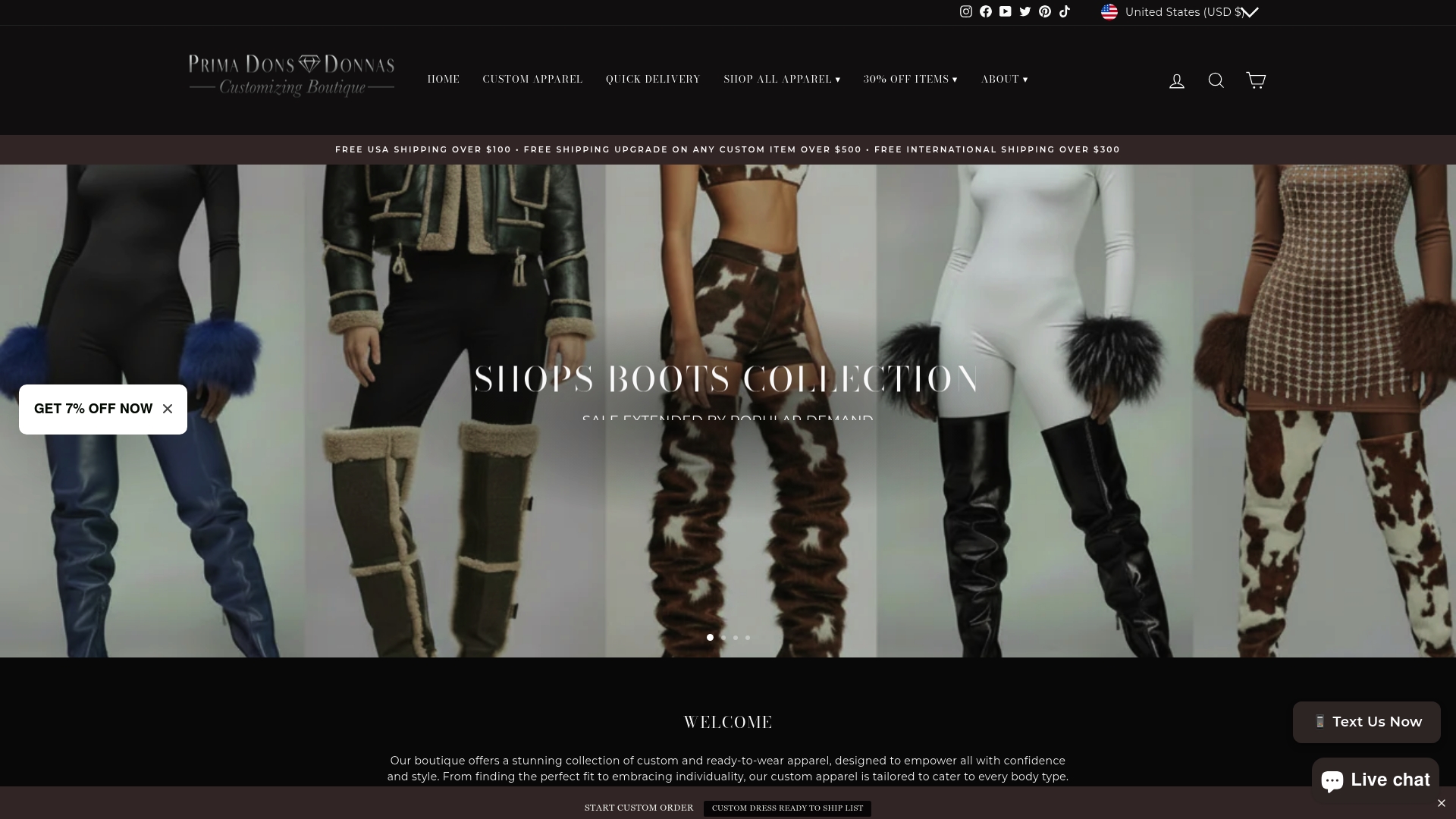
Browse the made-to-order dress collection for statement pieces built exactly to your specifications, or explore the custom outerwear collection for seasonless investment pieces made with quality materials including sustainable faux fur options. For footwear that matches your look and your values, the custom embellished shoes bring the same level of craft to every step. Need something quickly? We also carry ready-to-ship options so you don’t have to wait to wear something extraordinary.
Frequently asked questions
What makes bespoke craftsmanship different from made-to-measure?
Bespoke tailoring involves hand-drafting a completely unique pattern from scratch for each individual client, while made-to-measure adjusts an existing standard pattern block to match your measurements. The distinction matters because bespoke accounts for every detail of your specific body, from posture to proportion.
How does craftsmanship support sustainability in fashion?
Artisanal methods produce durable forever pieces that last decades rather than seasons, and the made-to-order model eliminates excess inventory waste entirely. Skilled construction also means garments can be repaired and altered rather than discarded.
Why is personalization important for women’s custom clothing?
Personalized craftsmanship ensures each garment reflects your individual style, fits your actual body shape, and connects your identity with the clothes you wear every day. That connection builds genuine wardrobe confidence rather than fleeting trend-driven satisfaction.
How are traditional crafts included in modern custom clothing?
Slow fashion revives techniques like hand weaving, embroidery, and hand-lasting in footwear to add cultural meaning and reduce environmental impact. These methods are especially prominent in bespoke women’s suits and custom shoes where detail and durability matter most.
Recommended
- Custom Fashion and Self-Expression: Why It Matters – Prima Dons & Donnas
- 7 Types of Custom Clothing for Bold, Confident Women – Prima Dons & Donnas
- How to Style Custom Clothing for Unique, Confident Looks – Prima Dons & Donnas
- Why Customized Occasion Wear Elevates Confidence and Style – Prima Dons & Donnas


Leave a comment